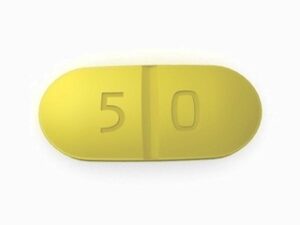
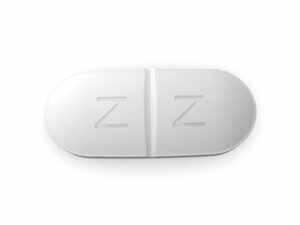
Zyprexa (Olanzapine) – Patient Information for the UK
Zyprexa is a medicine containing olanzapine, an antipsychotic used to treat certain mental health conditions. This page explains how it works, how it’s usually taken, what to expect, and important safety information. Always follow the advice given by your healthcare professional and read the patient information leaflet supplied with your medicine.
Quick overview
- Active ingredient: Olanzapine
- Medicinal group: Antipsychotic (atypical)
- Common uses: Schizophrenia; bipolar disorder (manic or mixed episodes, and maintenance in some patients); certain other related conditions depending on local guidance
- Available forms: Tablets (and in some markets, other formulations may exist)
- Typical dosing schedule: Once daily for many people (exact dose varies by condition and individual needs)
- Key safety considerations: Sleepiness, weight gain, changes in blood sugar and lipids, and movement-related side effects
Basic product information
Zyprexa (olanzapine) works in the brain to help reduce symptoms associated with psychosis and mood disorders. It can also help stabilise mood and reduce agitation in some situations.
In the UK: Olanzapine is an established medicine within routine prescribing for appropriate conditions. Availability and exact presentations can vary by supplier and pack size.
How Zyprexa works (mechanism of action)
Olanzapine is an atypical antipsychotic. It primarily affects neurotransmitters—especially dopamine and serotonin—which play key roles in perception, mood, and behaviour.
- Dopamine receptors: Helps reduce excessive dopaminergic signalling associated with psychotic symptoms (such as hallucinations and delusions).
- Serotonin (5-HT) receptors: Modulates serotonergic activity, which may contribute to improvement in mood and certain aspects of psychosis.
- Other receptor effects: Olanzapine also interacts with histamine and other receptor systems, which may help explain effects such as calmness/sleepiness and impacts on weight and metabolism.
Important: Not everyone responds the same way. It may take days to feel some benefits, and several weeks for full effects on core symptoms.
Pharmacokinetics (how your body processes it)
Pharmacokinetics describes how the medicine is absorbed, distributed, metabolised, and eliminated.
- Absorption: Olanzapine is absorbed after oral dosing. Peak levels in the blood typically occur a few hours after a dose.
- Distribution: It distributes throughout body tissues, including the brain.
- Metabolism: Olanzapine is mainly metabolised by the liver (notably via CYP1A2).
- Smoking effect: Smoking can increase CYP1A2 activity, potentially reducing olanzapine levels.
- Elimination: The medicine is cleared mainly through metabolic pathways, with metabolites excreted in urine and faeces.
Clinical implication: Dose and monitoring may need adjustment in people who smoke, have liver problems, or take medicines that affect liver enzymes.
Typical use in the UK
Zyprexa (olanzapine) is used for:
- Schizophrenia: To help manage psychotic symptoms such as hallucinations, delusions, disorganised thinking, and reduced emotional expression.
- Bipolar disorder: For episodes of mania and mixed states and, in some cases, for maintenance treatment to help prevent relapse.
Individual suitability: The exact choice of medicine and dosing plan depends on symptoms, previous response, side effects, comorbidities, and other medicines.
When and how to take it (timing and routine)
Olanzapine is often taken once daily. Some people may be advised to take it at night because it can cause drowsiness, especially when treatment starts or when the dose is increased.
Common timing advice
- Take at the same time each day to maintain steadier blood levels.
- If it makes you sleepy, consider taking it in the evening (unless your clinician advises otherwise).
- If it affects your stomach, you may be advised to take it with food (see food interactions below).
Missed dose
If you miss a dose, take it as soon as you remember unless it is close to your next dose. In that case, skip the missed dose. Do not take a double dose to make up for a missed tablet. If you are unsure, contact your pharmacist for guidance.
Food interactions and absorption
Olanzapine can generally be taken with or without food.
- Food: Food does not typically require you to change dosing, though some people find it easier on the stomach when taken with meals.
- Hydration: Maintain adequate fluids, particularly if you experience constipation or increased appetite/weight gain.
Consistency matters: Try to keep your usual routine steady. Sudden large changes in diet or lifestyle may affect weight and metabolic parameters.
Alcohol and medicine interactions
Alcohol
- It is generally recommended to avoid alcohol or keep it minimal, because alcohol can increase sedation, affect judgement, and worsen dizziness.
- If you choose to drink, do so only if your prescriber or pharmacist says it is safe for you, and be cautious about drowsiness and falls.
Other medicines (important interactions)
Olanzapine can interact with other medicines, and some medicines may affect olanzapine blood levels or increase side effects.
Tell your pharmacist/doctor if you take:
- Medicines that affect the liver enzyme CYP1A2 (for example, some antibiotics and smoking-related effects).
- Medicines that cause drowsiness (such as sedatives, many sleep medicines, some antihistamines, opioids), which may increase risk of excess sedation.
- Medicines for Parkinson’s disease and related conditions (dose and monitoring may be needed).
- Antidepressants and mood medicines (in combination, monitoring is important for side effects and effectiveness).
- Anticonvulsants (some may alter metabolism).
- Medicines affecting the QT interval (your clinician may consider heart rhythm risk depending on your overall risk factors).
Smoking changes: If you start or stop smoking, inform your healthcare team—your dose may need review because smoking can lower olanzapine levels.
Dosing (how much to take)
Dose depends on the condition being treated, age, kidney/liver function, other medicines, and individual response. Typical prescribing may follow standard initiation and adjustment schedules.
General principles
- Start low and adjust gradually to improve tolerability and reduce side effects.
- Target the lowest effective dose that controls symptoms.
- Regular review is important, especially during the first weeks.
Typical dose ranges (overview)
Clinicians use dose ranges in practice. The exact dose for you must be decided by a healthcare professional. As a general reference:
- Schizophrenia: often started at a low dose and adjusted based on response.
- Bipolar disorder (mania/mixed episodes): typically started at a low to moderate dose and adjusted.
- Maintenance: doses may be adjusted to help prevent relapse while minimising side effects.
Do not change your dose without medical advice, and do not stop suddenly unless instructed—stopping abruptly can sometimes lead to symptom return or withdrawal-type effects.
Safety profile: side effects and what to watch for
Like all medicines, olanzapine can cause side effects. Many are mild and improve after the initial adjustment period, but some require urgent attention.
Common side effects
- Sleepiness or tiredness
- Increased appetite
- Weight gain
- Dizziness, especially when standing up
- Constipation
- Dry mouth
- Swelling of hands/feet in some people
Metabolic risks (important)
Olanzapine is associated with higher risk of changes in metabolism, including:
- Weight gain
- Increased blood sugar (risk of impaired glucose tolerance or type 2 diabetes)
- Raised cholesterol and triglycerides
Monitoring: Healthcare professionals typically monitor weight, blood pressure, glucose, and lipids at baseline and periodically during treatment.
Movement-related effects
- Restlessness or feeling unable to sit still (akathisia)
- Tremor or stiffness
- Involuntary movements (tardive dyskinesia can occur with long-term use)
If you notice new involuntary movements, worsening restlessness, or stiffness, seek advice promptly.
Serious but less common side effects (seek urgent medical help)
- Allergic reactions: swelling of face/lips, trouble breathing, or widespread rash
- Signs of severe infection: fever, confusion, severe drowsiness
- Uncontrolled muscle stiffness with fever (rare condition called neuroleptic malignant syndrome)
- Fainting, severe dizziness, or chest symptoms
- Symptoms of diabetic complications (such as excessive thirst, frequent urination, unexplained weight loss, or severe fatigue)
If any of the above occur, contact emergency services or urgent medical care.
Practical use tips for UK patients
Manage drowsiness safely
- Avoid driving or operating machinery until you know how olanzapine affects you.
- Be cautious standing up quickly to reduce dizziness or falls.
- Consider taking it in the evening if sleepiness occurs (confirm with your pharmacist or prescriber).
Reduce weight and metabolic risks
- Monitor your weight regularly (for example, weekly or monthly).
- Choose a balanced diet with appropriate portion sizes.
- Incorporate regular physical activity that fits your health and mobility.
- Attend scheduled blood tests for glucose and lipids.
Constipation prevention
- Ensure adequate fibre and fluids.
- Regular gentle activity can help bowel movements.
- Talk to your pharmacist early if constipation becomes troublesome—there are often practical options.
Smoking and lifestyle stability
- If you smoke, avoid major changes without discussing it—dose adjustments may be needed.
- Keep your healthcare team informed about changes in caffeine intake or smoking habits.
Alternative options (what may be used instead)
Depending on your diagnosis, past response, and side-effect profile, clinicians may consider other treatments, including other antipsychotics or mood stabilisers.
Possible alternatives in practice
- Other atypical antipsychotics (choices vary based on symptoms and tolerability)
- Typical antipsychotics in some cases
- Mood stabilisers for bipolar disorder (depending on episode type and patient history)
- Psychological therapies alongside medication (where appropriate)
Choosing an alternative: The best option depends on your individual risk of weight gain/metabolic effects, sedation needs, symptom pattern, and overall medical history.
Market and legal context in the UK
In the United Kingdom, antipsychotic medicines such as olanzapine are regulated under medicines legislation and dispensed according to established clinical pathways. Supply is subject to UK regulatory requirements and pharmacy standards.
- UK regulatory oversight: Medicines are authorised and monitored through UK frameworks.
- Safety monitoring: Pharmacovigilance systems collect reports of side effects and risk information.
- Guideline-informed use: Prescribing is typically guided by national and specialist recommendations for schizophrenia and bipolar disorder.
Always rely on healthcare professionals for decisions about whether olanzapine is right for you.
Recent guidance and clinical considerations (high-level)
Clinical guidance in the UK evolves over time. Key themes that commonly affect olanzapine use include:
- Metabolic monitoring: Increased attention to weight, glucose, and lipid risk for atypical antipsychotics.
- Shared decision-making: Discussing benefits and risks, including sedation and weight-related effects.
- Regular medication review: Ensuring ongoing need and optimising dose and tolerability.
- Smoking awareness: Recognising effects of tobacco use on antipsychotic metabolism.
Your care team may also consider physical health checks alongside mental health reviews, particularly in longer-term treatment.
Delivery and availability (UK online pharmacy)
Availability of Zyprexa can vary by pack size, strength, and formulation. When ordering online from a UK pharmacy, your experience may depend on stock levels and supplier routes.
What to expect
- Stock status: Items may be “in stock” or “temporarily unavailable” depending on supply.
- Dispatch times: Dispatch often occurs within standard working days where permitted.
- Packaging: Medicines are supplied in tamper-evident packaging and labelled for safe use.
- Cold chain: Olanzapine tablets do not typically require refrigeration.
If a product is unavailable, some pharmacies may offer an alternative pack size or a substitute product where appropriate. Always confirm details before using any replacement.
Frequently Asked Questions (FAQ)
How long does it take for Zyprexa to work?
Some people notice improvement in agitation, sleep, or restlessness within days. Full improvement in psychotic symptoms or mood stabilisation usually takes several weeks. If there is no benefit after an appropriate trial, your healthcare professional may adjust the dose or consider another option.
Can I stop Zyprexa suddenly?
Do not stop suddenly unless your healthcare professional tells you to. Stopping abruptly can lead to symptom return and may cause unpleasant effects. Dose reduction is often done gradually.
Will Zyprexa make me gain weight?
Weight gain is a known risk with olanzapine. Not everyone experiences the same degree of weight change, but it is important to monitor weight and metabolic health (glucose and lipids) regularly.
Is Zyprexa sedating?
Many people feel sleepy, especially at the beginning or after dose increases. Taking it in the evening may help, and your clinician may advise how to manage drowsiness while adjusting.
Does food affect Zyprexa?
Olanzapine can generally be taken with or without food. If it upsets your stomach, taking it with a meal may be helpful.
Can I drink alcohol while taking Zyprexa?
It’s usually best to avoid alcohol or keep it minimal, because alcohol can increase drowsiness and affect judgement. Ask your pharmacist for advice based on your situation.
What medicines can interact with olanzapine?
Interactions can occur with medicines that affect the liver enzymes (including CYP1A2), medicines that cause sedation, and some other treatments. Tell your pharmacist about all medicines, including over-the-counter products and herbal supplements.
Does smoking change how Zyprexa works?
Yes. Smoking can lower olanzapine levels by increasing metabolism via CYP1A2. If you start or stop smoking, inform your healthcare team—your dose may need review.
Are there blood tests I should expect?
Healthcare teams commonly monitor weight, blood pressure, fasting glucose or HbA1c, and cholesterol/triglycerides. The schedule varies by patient risk factors and local practice.
What should I do if I miss a dose?
Take it when you remember unless it’s close to your next dose. Do not take a double dose. If you’re unsure, ask your pharmacist.
What are signs that I should seek urgent medical help?
Seek urgent help if you experience severe allergic reactions (such as trouble breathing or facial swelling), high fever with severe muscle stiffness/confusion, fainting, or symptoms of serious metabolic problems such as severe dehydration, extreme fatigue, or rapidly worsening symptoms.
Summary table: key points at a glance
| Topic | What to know |
|---|---|
| Medicine | Zyprexa (olanzapine) – atypical antipsychotic |
| Common uses | Schizophrenia; bipolar disorder (manic/mixed episodes and maintenance for selected patients) |
| How it works | Modulates dopamine and serotonin signalling in the brain |
| Typical timing | Often once daily; evening dosing may help if it causes drowsiness |
| Food | Can usually be taken with or without food |
| Alcohol | Generally avoid or keep minimal due to increased sedation risk |
| Major safety monitoring | Weight, glucose, cholesterol/triglycerides, and movement-related side effects |
| Smoking | Can reduce olanzapine levels; changes in smoking habits should be discussed |
| When to get help urgently | Allergic reactions, severe fever/confusion, fainting, or severe metabolic symptoms |
Need personalised advice? If you have questions about how Zyprexa might suit you, its side effects, or how to manage symptoms safely, speak to a pharmacist or your healthcare team.