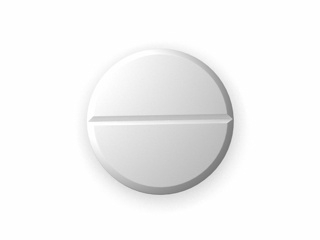

Fexofenadine
Fexofenadine is a non-drowsy antihistamine used to relieve allergy symptoms such as sneezing, runny nose, itchy or watery eyes, and itching associated with hives (urticaria). In the UK, it’s available in different strengths and pack sizes, including products specifically labelled for “non-drowsy” or “less drowsy” use (individual responses vary).
This guide explains what fexofenadine is, how it works, when to take it, common side effects, important interactions, and practical tips to get the best results—especially in the UK setting.
Basic product information
- Active ingredient: Fexofenadine
- Drug type: Antihistamine (H1 receptor antagonist)
- Common brand examples in the UK: Various over-the-counter and pharmacy products may contain fexofenadine (brand names vary)
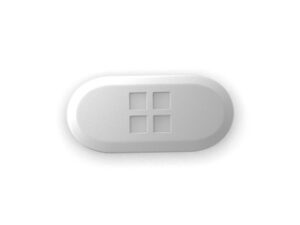
- Typical strengths: Common adult doses include 120 mg and 180 mg tablets (formulations vary)
- Who it suits: People needing relief from hay fever or chronic allergy symptoms
- Formulations: Tablets and, in some cases, other forms depending on product availability
How fexofenadine works (mechanism of action)
Fexofenadine blocks the effects of histamine at H1 receptors. Histamine is a chemical released during allergic reactions. By preventing histamine from binding to its receptors, fexofenadine helps reduce:
- Sneezing and a runny or blocked nose
- Itchy nose, throat or palate
- Itchy, watery or burning eyes
- Skin itching and raised, red wheals in hives
Because it is designed to be less likely to cause sedation than older antihistamines, many people experience minimal drowsiness. However, no antihistamine is guaranteed to be completely non-drowsy for everyone.
Pharmacokinetics: how the body handles it
Pharmacokinetics describes what the body does with the medicine—absorption, distribution, metabolism, and excretion.
- Absorption: Fexofenadine is absorbed from the gut, but absorption can be affected by certain foods and drinks (see Food interactions below).
- Onset of effect: Many people notice symptom relief within about 1–2 hours after taking a dose, with effects building over time.
- Duration: Depending on the dose, relief often lasts for 24 hours (especially with once-daily formulations).
- Metabolism: Fexofenadine undergoes minimal metabolism in the body.
- Elimination: It is mainly excreted from the body, largely through the liver and bile and also via the kidneys.
If you have reduced kidney function, medicine levels may build up more than expected. Your pharmacist or doctor can advise if dose adjustments are needed.
Typical use in the UK
Fexofenadine is commonly used for:
- Hay fever (allergic rhinitis): seasonal symptoms such as sneezing, runny nose, congestion, and itchy/watery eyes
- Allergic skin reactions (urticaria): itching and hives (raised bumps or wheals) in some cases
- Long-term or recurrent allergy symptoms: under advice, it may be used for ongoing symptom control when triggered by allergens
Important: If you have an allergy that causes breathing difficulties, swelling of lips/tongue/face, or sudden severe symptoms, seek urgent medical help. Fexofenadine is intended for typical allergy symptom relief, not emergency treatment of anaphylaxis.
Indications (what it’s used to treat)
| Condition | Common symptoms relieved | Typical approach |
|---|---|---|
| Allergic rhinitis (hay fever) | Sneezing, runny nose, itching, watery eyes | Once-daily dosing; start when symptoms begin or before peak exposure if advised |
| Urticaria (hives) | Itching and raised wheals | Follow product directions; use as needed for symptom control |
| Allergy symptoms in general | Histamine-driven symptoms | Use for symptomatic relief; consult for persistent or worsening symptoms |
When to take fexofenadine (timing)
Timing can affect how well you tolerate and absorb the medicine, and how consistently symptoms are controlled.
- Once daily (common with 120 mg/180 mg products): Take at the same time each day to maintain steady relief.
- Starting: Many people begin taking fexofenadine when symptoms start, such as at the beginning of the pollen season.
- Ongoing symptoms: If symptoms persist, continue as directed by the specific product packaging.
- Missing a dose: Take it when you remember unless it’s nearly time for the next dose. Do not double up.
Practical tip: Choose a time you can remember (e.g., morning) and stick to it.
Food interactions (including fruit juice and milk)
Food and drink can influence absorption. To reduce the risk of reduced effectiveness:
- Avoid fruit juices such as grapefruit and orange: These can reduce absorption and lower symptom relief in some people.
- Check product guidance: Different formulations may have slightly different directions.
- General approach: Take with water and try to keep consistent timing relative to meals.
If you usually take your tablet with breakfast or lunch, try to keep the routine similar each day. If your symptoms seem not to be well controlled, your pharmacist can advise whether your drink choices or meal timing could be affecting absorption.
Alcohol and medicine interactions
Alcohol
Fexofenadine is less likely to cause drowsiness than older antihistamines. For most people, small amounts of alcohol don’t cause major issues. However:
- Alcohol can still affect alertness and reaction time.
- Some individuals may feel more sleepy than expected.
Safer practice: If you plan to drive or use machinery, avoid mixing alcohol with any medicine that makes you feel tired.
Other medicine interactions
Some medicines can alter levels or effectiveness of fexofenadine.
- Antacids containing aluminium or magnesium: These can bind fexofenadine and reduce absorption. If you use antacids, separate them by at least 2 hours before or after fexofenadine (follow your product instructions and pharmacist advice).
- Grapefruit or certain fruit juices: As above, can reduce absorption.
- Other antihistamines: Avoid combining multiple antihistamines unless advised, as it can increase side effects without improving benefit.
- Kidney-affecting medicines: If you take medicines that affect kidney function, speak to a pharmacist for tailored advice.
If you’re unsure about any medicine, bring the packaging or list of medicines to your pharmacist. This helps check for interactions specific to your product strength and formulation.
How to dose fexofenadine (adult and child dosing)
Always follow the dose on your specific product packaging, as fexofenadine strengths and age recommendations vary by formulation. Below is typical UK dosing guidance for common products; confirm with your pharmacist if you’re buying a different strength.
Adults and children
- Allergic rhinitis (hay fever):
- Common adult dosing: 120 mg once daily or 180 mg once daily, depending on product strength and local guidance.
- Urticaria (hives):
- Doses vary by age and product; follow the exact instructions on your pack.
- Children:
- Age limits and dose strength depend on the product. Use only the formulations and strengths labelled for the child’s age.
Important safety note: Dosing in children should be based on the product label and professional advice, especially for younger ages. If you’re purchasing for a child, check the age suitability carefully.
Safety profile: side effects and who should take extra care
Most people tolerate fexofenadine well. Side effects are generally mild and often improve as your body adjusts.
Common side effects
- Headache
- Nausea
- Dizziness
- Dry mouth
Less common / seek advice
- Rash or itching that becomes worse
- Swelling of the face, lips, tongue, or throat
- Breathing difficulties
If you experience signs of a serious allergic reaction (such as facial swelling or difficulty breathing), seek urgent medical help.
When to be cautious
Talk to a pharmacist before using fexofenadine if you have:
- Kidney problems: fexofenadine is cleared partly by the kidneys.
- Breathing disorders or severe asthma: if symptoms are worsening, get medical advice.
- Pregnancy or breastfeeding: discuss risks and benefits with a healthcare professional.
- Use of other medicines: especially antacids (see interactions).
Driving and operating machinery
Fexofenadine is typically considered low-sedating. However, if you feel dizzy or unusually tired, avoid driving or operating machinery until you feel normal again.
Practical use tips for better symptom control
- Start early when possible: For seasonal allergies, starting around the time you first notice symptoms can improve comfort sooner.
- Use consistently: Don’t take only on “bad” days if you’re aiming for steady control (unless your pack advises otherwise).
- Use water, not juice: To avoid reduced absorption, take with water and avoid grapefruit/orange juice.
- Keep antacid separation: If you use antacids with aluminium/magnesium, separate them by at least 2 hours.
- Consider allergen control measures: Keep windows closed during high pollen days, shower after outdoor exposure, and regularly wash bedding.
- Know when to escalate treatment: If symptoms remain uncontrolled after several days, you may need an additional approach such as nasal saline, a steroid nasal spray, or review by a pharmacist.
Alternative options (other medicines for allergies and hives)
There are several options depending on symptoms and individual response. Your pharmacist can help you choose the most suitable option for your situation.
Alternative antihistamines
- Loratadine and cetirizine: commonly used for allergic rhinitis and hives. Some people find cetirizine slightly more likely to cause drowsiness.
- Desloratadine: similar approach to loratadine products.
- Levocetirizine: used for allergy symptoms and urticaria in some products.
For nasal symptoms specifically
- Intranasal corticosteroid sprays (e.g., fluticasone or similar products where available): often very effective for blocked nose and congestion, particularly for hay fever.
- Nasal saline rinses or sprays: can soothe nasal passages and help remove allergens.
For hives
- Antihistamines remain the mainstay. Persistent symptoms may require review to identify triggers and optimise treatment.
Tip: If one antihistamine doesn’t suit you, switching to another may help. Individuals respond differently.
UK market and legal context (what to expect)
In the United Kingdom, fexofenadine products are widely available in pharmacies and, depending on brand and formulation, may also be available through online retail channels.
- Regulatory status: Fexofenadine products are regulated medicines. Availability may vary between pharmacy-only and general sale depending on strength, age indications, and pack type.
- Clear labelling: UK products typically include age suitability, dose instructions, and warnings relevant to the formulation.
- Pharmacy advice: For ongoing symptoms or if you have medical conditions or take interacting medicines, pharmacy consultation is recommended.
Recent guidance note: UK allergy management commonly follows a stepwise approach—starting with non-drowsy antihistamines for histamine-driven symptoms and considering targeted treatments (such as nasal steroids) when symptoms like nasal congestion persist. Local pharmacy and NHS advice may emphasise appropriate selection of therapy and reviewing symptoms if they don’t improve.
Delivery and availability in the UK
Fexofenadine is commonly available from online pharmacies and high-street pharmacies in the UK. Delivery options and dispatch times vary by retailer and stock levels.
- Availability: Often in stock, particularly for popular strengths.
- Delivery: Typical courier or tracked delivery is available; delivery estimates are displayed at checkout.
- Packaging and temperature: Medicines are supplied in appropriate packaging. Avoid leaving them in very hot conditions.
Practical tip: If you’re buying for seasonal hay fever, consider ordering slightly ahead of your usual allergy period to ensure you have it when symptoms begin.
Frequently Asked Questions (FAQ)
1) Is fexofenadine “non-drowsy”?
Fexofenadine is considered less likely to cause drowsiness than some older antihistamines. However, some people may still feel tired, dizzy, or have a headache. If you feel drowsy, avoid driving or operating machinery.
2) How quickly does it work?
Many people notice improvement within 1–2 hours. Full benefit may build as you continue daily dosing.
3) How long can I take fexofenadine?
Use for the duration recommended on the product label for your condition. For hay fever, people may take it throughout the season. If symptoms persist beyond expected times or remain poorly controlled, seek advice from a pharmacist.
4) Can I take fexofenadine with food?
Yes, but to help absorption, it’s often recommended to take it with water and avoid certain drinks like grapefruit or orange juice. Try to be consistent with how you take it.
5) What should I do if I miss a dose?
Take it as soon as you remember unless it’s almost time for your next dose. Do not take two doses at once.
6) Are there foods or drinks I should avoid?
Grapefruit and some fruit juices (including orange juice) can reduce absorption and effectiveness. Take with water instead. If you use antacids containing aluminium or magnesium, separate them from your dose (often by at least 2 hours).
7) Can I drink alcohol while taking fexofenadine?
Most people can drink alcohol in moderation, but it may still affect alertness. If you feel sleepy or dizzy, avoid alcohol and follow safe driving guidance.
8) Is it safe for everyone?
Many adults and older children can use fexofenadine as directed. Extra caution is needed for people with kidney problems, pregnant or breastfeeding individuals, and those taking interacting medicines. If unsure, speak to a pharmacist.
9) What if my symptoms don’t improve?
Allergy symptoms can be influenced by multiple factors. If you don’t get adequate relief, ask your pharmacist about whether a different antihistamine or an additional therapy (such as a nasal corticosteroid spray for congestion) may be appropriate.
10) What are the side effects to watch for?
Common effects include headache, nausea, and dizziness. Seek urgent medical advice for signs of serious allergy such as swelling of the face/lips/tongue or breathing difficulties.
Summary
Fexofenadine is a widely used antihistamine for hay fever and hives, offering symptom relief with a lower risk of drowsiness for many people. For best results, take it consistently, drink water rather than grapefruit/orange juice, and keep antacid timing separated when relevant. If symptoms are severe, persistent, or you have other health conditions or medicines, consult a pharmacist for advice tailored to you.