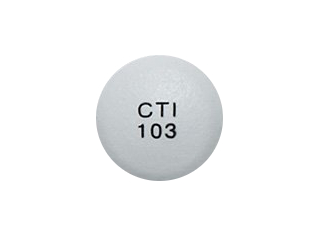


Diclofenac (Diclofenac sodium) — Patient Information (UK)
Diclofenac is a widely used anti-inflammatory medicine from the non-steroidal anti-inflammatory drug (NSAID) family. It helps relieve pain, swelling and inflammation associated with many conditions. In the United Kingdom (UK), diclofenac is available in different forms (such as tablets, capsules, gels and plasters), allowing it to be used for both short-term and longer-term symptom control depending on the product and condition.
This guide explains how diclofenac works, how it behaves in the body, when it is typically used, and important safety information. Always check the specific product details (strength, form, and directions) provided by your pharmacist or the product packaging leaflet.
1) Basic product information
| Item | Details |
|---|---|
| Active ingredient | Diclofenac sodium |
| Drug class | NSAID (anti-inflammatory pain relief medicine) |
| Common forms (UK) | Tablets/capsules; topical gel/cream; medicated patches (plasters) |
| Typical effects | Pain relief, anti-inflammatory action, reduced swelling |
| How it is taken | By mouth for oral forms; on skin for topical forms |
2) How diclofenac works (mechanism of action)
Diclofenac reduces inflammation and pain mainly by blocking enzymes called cyclo-oxygenase (COX-1 and COX-2). These enzymes help produce prostaglandins, chemicals involved in pain signalling, fever, and inflammation.
By lowering prostaglandin production, diclofenac can:
- reduce pain sensitivity
- decrease inflammation and swelling
- help improve movement in painful conditions
Diclofenac does not cure the underlying cause of a condition; it helps manage symptoms. Some conditions (e.g., arthritis-related pain) may require ongoing management, while others are best treated short-term.
3) Pharmacokinetics (how the body handles diclofenac)
“Pharmacokinetics” describes what the body does with a medicine—how quickly it is absorbed, distributed, metabolised, and eliminated. Exact details vary by the product type and formulation.
Absorption
- Oral diclofenac: Absorbs from the gut. Peak (highest) levels are typically reached within hours, depending on whether the product is immediate or modified-release.
- Topical diclofenac (gel/patch): Absorbs through the skin. Systemic absorption is generally lower than with oral forms, but not zero.
Distribution
Diclofenac binds to blood proteins and distributes into tissues. It can reach sites of inflammation, which helps explain its pain-relieving and anti-inflammatory effects.
Metabolism
Diclofenac is broken down mainly in the liver through metabolic pathways that produce metabolites which are less active than the parent drug.
Elimination
The medicine and its metabolites are eliminated primarily via the kidneys (urine) and also through bile/feces. The “half-life” (how long the body takes to reduce the drug level by half) is generally a few hours for many forms, but may differ with modified-release products.
If you have kidney or liver impairment, diclofenac exposure and risk may differ—seek advice from a healthcare professional and follow the specific product guidance.
4) Typical uses and indications in the UK
Diclofenac is used to treat pain and inflammation in a variety of musculoskeletal conditions, and it may be used for specific painful states depending on the formulation.
Common indications (by condition)
- Osteoarthritis (joint pain and stiffness)
- Rheumatoid arthritis (inflammatory joint disease)
- Back pain and musculoskeletal aches
- Sprains, strains, and sports injuries (especially with topical forms)
- Soft tissue injuries where pain and swelling are present
- Inflammatory tendon and joint problems (depending on product form)
Topical options
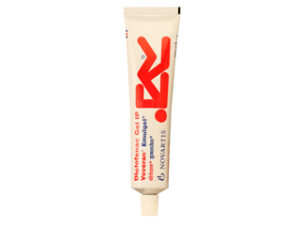
Diclofenac gel and medicated patches are commonly used for localised aches and pains (for example, in joints such as knees, hands, feet, and other near-surface musculoskeletal areas). These can be helpful when you want symptom relief with less systemic exposure than oral NSAIDs.
5) Dosing and timing
Dosing depends on:
- the specific product (tablet/capsule/gel/patch)
- your age and general health
- the condition being treated
- how severe the symptoms are
Always follow the directions on the package or the advice you received.
General dosing principles (oral forms)
- Use the lowest effective dose for the shortest possible duration.
- Avoid using multiple NSAIDs together (for example, do not combine diclofenac with ibuprofen or naproxen).
- If symptoms persist beyond a few days (or worsen), seek medical advice.
General dosing principles (topical forms)
- Apply the gel/patch to the affected area only as directed.
- Wash hands after application (unless your hands are the treatment site).
- Do not apply to broken skin, wounds or infected areas.
- Use the stated number of times per day and avoid extra dosing.
When to take diclofenac
For oral diclofenac, many people take it after food to reduce stomach irritation. If the product is modified release, it should be taken according to the labelled schedule.
For topical diclofenac, apply at consistent times each day. If you use a patch, follow the “apply then remove” interval stated on the pack.
6) Food interactions (and taking diclofenac safely)
Oral diclofenac and meals
Food can affect how quickly diclofenac is absorbed. Taking oral diclofenac with or after food may help reduce the risk of stomach upset.
- If you experience indigestion, take it with food (unless your specific product instructions say otherwise).
- Try not to take it on a completely empty stomach.
Absorption and stomach protection
Diclofenac can irritate the gastrointestinal (GI) tract. Food may help with tolerance but does not eliminate all GI risks. If you have a history of stomach ulcers or bleeding, discuss options with a healthcare professional before use.
7) Alcohol and medicine interactions
Alcohol
Alcohol can increase the risk of stomach irritation and bleeding with NSAIDs. For many people, occasional small amounts may not cause problems, but it is safest to limit alcohol while taking diclofenac. Avoid alcohol if you have had ulcers, GI bleeding, or if you notice indigestion or stomach pain.
Common medicine interactions
Diclofenac can interact with other medicines, potentially increasing bleeding risk, kidney stress, or cardiovascular risk. Tell your pharmacist or clinician about all medicines you use, including over-the-counter products and herbal remedies.
- Other NSAIDs (e.g., ibuprofen, naproxen, aspirin for pain): increase GI side effects and kidney strain.
- Blood thinners (e.g., warfarin, apixaban, rivaroxaban, dabigatran): increased bleeding risk.
- Antiplatelets (e.g., clopidogrel): increased bleeding risk.
- Selective serotonin reuptake inhibitors (SSRIs) (e.g., sertraline, citalopram) and other antidepressants: may increase GI bleeding risk.
- Diuretics and ACE inhibitors/ARBs (e.g., ramipril, lisinopril, losartan): combined use can affect kidney function in some people.
- Lithium: NSAIDs can increase lithium levels.
- Methotrexate: NSAIDs can increase methotrexate levels, raising toxicity risk.
- Corticosteroids: may increase risk of stomach problems.
- Digoxin: NSAIDs may increase digoxin effects/levels.
Topical diclofenac interactions
Topical diclofenac has lower systemic absorption than tablets, so interactions are less common. However, if you use it widely (large areas, frequent application) or have other risk factors, systemic exposure can increase.
8) Safety profile and warnings
Like other NSAIDs, diclofenac can cause side effects. Most people use it safely, but some risks are important. Risk may be higher with higher doses, longer duration, older age, and existing medical conditions.
Common side effects
- Stomach discomfort, indigestion, heartburn
- Nausea
- Headache (more likely with oral forms)
- Skin reactions at the application site for topical forms (redness, itching)
Serious side effects (seek urgent advice)
Get urgent medical help if you experience:
- Signs of allergy: sudden wheezing, swelling of face/lips, severe rash
- Gastrointestinal bleeding: vomiting blood, black/tarry stools, blood in stool
- Severe stomach pain or persistent indigestion that worsens
- Chest pain, sudden breathlessness, weakness on one side (possible cardiovascular event)
- Signs of kidney problems: reduced urine, unusual fluid retention
- Severe liver issues: yellowing skin/eyes (jaundice), dark urine
Who should be extra cautious
- People with a current or previous stomach ulcer or GI bleeding
- People with heart disease, history of stroke, or high cardiovascular risk
- People with kidney disease or reduced kidney function
- People with liver disease
- People with asthma that worsens with aspirin/NSAIDs
- Older adults (risk of side effects may be higher)
Pregnancy and breastfeeding (general guidance)
NSAIDs including diclofenac are generally avoided in later pregnancy. If you are pregnant, trying to conceive, or breastfeeding, check product-specific guidance and speak to a healthcare professional.
9) Practical use tips
- Use only as directed: don’t exceed the labelled dose or apply more often than instructed.
- Take with food (oral forms): to improve stomach comfort.
- Don’t combine NSAIDs: avoid taking diclofenac together with other NSAID painkillers.
- Topical hygiene: wash hands after applying gel/cream; avoid contact with eyes and mouth.
- Protect the treated skin: avoid heat (e.g., heating pads) over topical diclofenac unless advised, as it may increase absorption.
- Track symptoms: if pain isn’t improving after the recommended period, reassess the cause.
- Consider non-drug measures: rest relative to tolerance, gentle movement, stretching, and physiotherapy can help some conditions.
10) Alternative options
Alternatives depend on the condition, severity, and your medical history. Options may include:
- Other NSAIDs: ibuprofen, naproxen, or topical alternatives.
- Paracetamol (acetaminophen): may help pain, particularly when inflammation is less prominent. It generally has different stomach safety compared with NSAIDs.
- Topical analgesics: gels or creams such as capsaicin (for certain conditions) or other non-NSAID rubs.
- Physiotherapy and exercise-based rehabilitation: especially effective for many back and joint problems.
- Heat or cold therapy: often helps with sprains, strains, and flare-ups.
- For arthritis: treatment plans may include disease-modifying medicines prescribed by a clinician, plus lifestyle adjustments.
If you are unsure which option is safest for you, ask a pharmacist for advice based on your symptoms and existing conditions.
11) Market and legal context in the UK (overview)
In the UK, diclofenac products are available in different supply categories depending on the formulation and strength. Many topical products may be sold without a prescription, while oral products may fall under specific regulatory and supply conditions. Product availability can also vary by brand and formulation.
Healthcare and regulatory guidance in the UK emphasises that NSAIDs can carry gastrointestinal and cardiovascular risks, and that the lowest effective dose for the shortest necessary duration is often the safest approach. Clear patient information about warning signs is routinely included in product materials.
The UK also has a strong pharmacovigilance system that monitors reports of side effects so that safety information can be updated. If you experience unexpected effects, you can report them via the Yellow Card scheme.
Recent guidance (high-level themes)
- Emphasis on using NSAIDs cautiously, particularly in people with risk factors (older age, ulcers, kidney disease, heart disease).
- Preference for topical NSAIDs when appropriate for localised pain to reduce systemic exposure.
- Reminder to avoid combining multiple NSAIDs and to assess individual benefit versus risk.
Guidance can evolve as new evidence becomes available. Your pharmacist can help interpret the most relevant, up-to-date advice for the specific product you are using.
12) Delivery and availability (online pharmacy UK)
Diclofenac products are commonly available through online pharmacies in the UK, depending on the specific formulation (for example, topical gel or patches may be widely stocked). Availability may vary by brand, strength, and current stock levels.
When ordering, you may be asked to confirm details to ensure suitability and safe use. Delivery options can include:
- Standard delivery: typically several working days (exact times depend on the retailer and location).
- Express delivery: where available for urgent needs.
- Package tracking: many retailers provide dispatch and tracking information.
If a product is out of stock, some suppliers may offer alternative brands or formulations. Always verify strength and dosing instructions if switching products.
13) Diclofenac FAQ
How quickly does diclofenac work?
Many people notice pain relief within hours after taking an oral NSAID. Topical diclofenac may provide gradual relief over the first day, with improvements often continuing over several days depending on the condition. If there is no improvement after the recommended period, seek advice.
Can I take diclofenac with other painkillers?
You should generally avoid combining diclofenac with other NSAIDs (such as ibuprofen, naproxen, or aspirin for pain). Paracetamol may be an alternative for some people, but check product instructions and your personal medical situation. Ask a pharmacist if you are unsure.
Should I take diclofenac on an empty stomach?
For oral forms, it is usually better to take it with food or after food to reduce stomach irritation. Follow the specific product directions.
Is topical diclofenac safer than tablets?
Topical diclofenac typically has lower systemic absorption than oral diclofenac, which may reduce certain risks. However, it can still cause side effects (especially skin reactions) and systemic effects are not impossible—particularly if used over large areas or more frequently than recommended.
What should I avoid while using diclofenac gel or patches?
- Avoid applying to broken or infected skin.
- Avoid getting it in your eyes or mouth.
- Avoid covering the area with tight bandages unless advised.
- Avoid excessive heat over the treated area (for example, heating pads).
Can I drink alcohol while taking diclofenac?
Alcohol can increase the risk of stomach irritation and bleeding. If you choose to drink, keep it minimal and avoid alcohol if you notice stomach symptoms or if you have risk factors such as ulcers or previous GI bleeding.
What if I miss a dose?
If you miss a dose of an oral product, take it when you remember unless it is close to the next dose. Do not double up. For topical products, resume with the next scheduled application as indicated on the pack.
How long can I use diclofenac?
Use the shortest duration that controls symptoms. If pain persists or worsens, it’s important to get advice rather than continuing indefinitely.
When should I seek urgent help?
Seek urgent medical attention for signs of allergic reaction, gastrointestinal bleeding, severe stomach pain, chest pain, breathlessness, weakness on one side, or symptoms suggesting kidney/liver problems.
14) Summary
Diclofenac (diclofenac sodium) is an NSAID used for pain relief and reduction of inflammation, commonly in joint and musculoskeletal conditions. It works by reducing prostaglandin production through COX inhibition. Depending on the formulation, it may be taken by mouth or applied to the skin.
For safe use: follow dosing instructions, avoid combining NSAIDs, consider taking oral doses with food, and watch for warning signs such as stomach bleeding or cardiovascular symptoms. If you have risk factors or are unsure which formulation is best, consult your pharmacist for tailored advice.