

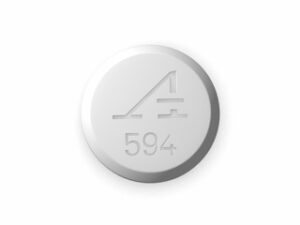

Celecoxib (Celecoxib) — Patient-Friendly Guide (UK)
Celecoxib is a medicine from the NSAID (non-steroidal anti-inflammatory drug) family. It is commonly used to relieve pain and reduce inflammation, particularly in conditions such as osteoarthritis and rheumatoid arthritis. Unlike some older NSAIDs, celecoxib works selectively to help reduce certain gastrointestinal side effects in some people.
This page explains how celecoxib works, how it is used, important safety information, possible interactions, and practical tips for UK patients. Always follow the instructions on your medicine label or the advice given by your healthcare professional.
Basic product information
| Category | Details |
|---|---|
| Generic name | Celecoxib |
| Drug class | NSAID (COX-2 selective inhibitor) |
| Common strengths | Typically 50 mg, 100 mg, 200 mg (strength depends on product) |
| How it works | Reduces inflammation and pain by affecting prostaglandin production |
| Who it is for | Adults for chronic joint conditions and certain acute pain/inflammation settings |
| Typical form | Capsules or tablets (depending on brand) |
Availability may vary by brand and pack size. In the UK, celecoxib is regulated as a prescription-only medicine or may have specific supply routes depending on the product and strength.
Mechanism of action (how celecoxib works)
Pain and inflammation are partly driven by substances called prostaglandins. Prostaglandins are produced in the body by enzymes, including COX-1 and COX-2 (cyclooxygenase enzymes).
Celecoxib selectively inhibits COX-2. By lowering COX-2 activity, it can reduce:
- Inflammation (swelling, redness, warmth)
- Pain (including pain related to arthritis)
- Some fever-related mechanisms (though it’s most often used for joint pain/inflammation)
Because celecoxib has relatively less effect on COX-1 compared with some non-selective NSAIDs, it may be associated with a lower risk of certain stomach and intestinal complications in some patients. However, it is not risk-free, and cardiovascular (heart-related) and kidney risks can still apply.
Pharmacokinetics (how the body handles celecoxib)
Pharmacokinetics describes what the body does to a medicine: absorption, distribution, metabolism, and elimination.
- Absorption: Celecoxib is absorbed through the gut after oral dosing. Food can affect the speed of absorption (details below), but overall exposure is generally not dramatically reduced.
- Distribution: It binds significantly to plasma proteins and distributes throughout the body.
- Metabolism: Celecoxib is mainly metabolised in the liver, primarily by the CYP2C9 enzyme. Genetic differences or drug interactions that affect CYP2C9 may change blood levels.
- Elimination: It is cleared through metabolic pathways and subsequent excretion. The rate of clearance can vary with kidney and liver function.
- Onset: Many people notice symptom relief within hours, but full benefit for inflammatory conditions may take days to weeks.
If you have liver disease, kidney impairment, or take interacting medicines, your clinician may adjust dosing or monitor you more closely.
Typical uses and indications (what celecoxib treats)
Celecoxib is used in adults for conditions where pain and inflammation are prominent. Indications can depend on local product information. Commonly, celecoxib may be used for:
- Osteoarthritis (wear-and-tear joint pain, often affecting knees, hips, hands and spine)
- Rheumatoid arthritis (inflammatory autoimmune joint disease)
- Ankylosing spondylitis (inflammation of the spine and sacroiliac joints)
- Acute pain and inflammation in selected situations (for example short-term use after a procedure, depending on product licence and guidance)
Celecoxib may also be considered in specific circumstances where a clinician judges that NSAID benefit outweighs risks for the individual patient.
Timing and how to take celecoxib
The “right” timing depends on your prescribed schedule and your symptom pattern. Many people take celecoxib:
- Once or twice daily depending on the strength and dosing plan.
- With regular timing if you have chronic arthritis symptoms.
- At the same times each day to maintain steadier symptom control.
Practical tips for timing:
- Try to take doses consistently each day.
- If you take it twice daily, spacing doses roughly 12 hours apart can help (unless your clinician instructs otherwise).
- Do not exceed the stated dose on the pack or your care plan.
Food interactions (can you take celecoxib with meals?)
Food can affect the speed of absorption of celecoxib, which may influence how quickly it starts working. In general, celecoxib can be taken with or without food.
- Taking with food may slow absorption slightly but can improve comfort for some people.
- Taking on an empty stomach may lead to faster onset in some cases.
A practical approach is to take celecoxib in the way that best fits your routine. If you notice stomach discomfort, consider taking it with a meal or snack (unless your pharmacist advises otherwise).
Alcohol and medicine interactions
Alcohol
Alcohol can increase the risk of side effects with NSAIDs, particularly stomach irritation, bleeding risk, and possible effects on the liver. For safety, it’s generally advised to:
- Keep alcohol to low or moderate amounts, if you drink at all.
- Avoid heavy drinking, especially if you have a history of gastric ulcer, bleeding, kidney problems, or liver disease.
Other medicines that may interact
Interactions depend on your individual medicines and health conditions. The most important potential interactions include:
- Other NSAIDs (e.g., ibuprofen, naproxen, diclofenac): generally avoid combining regularly because of increased GI and kidney risk.
- Aspirin: low-dose aspirin may be used for heart protection under medical advice. Do not stop aspirin without advice.
- Anticoagulants (e.g., warfarin) or antiplatelet medicines (e.g., clopidogrel): may increase bleeding risk.
- SSRIs/SNRIs (antidepressants such as sertraline, citalopram, venlafaxine, etc.): can increase GI bleeding risk when combined with NSAIDs.
- Diuretics (water tablets) and some blood pressure medicines (ACE inhibitors, ARBs): may increase risk of kidney problems, especially with dehydration.
- Lithium: NSAIDs can increase lithium levels, potentially causing toxicity.
- Methotrexate: NSAIDs can increase methotrexate levels, raising toxicity risk.
- Digoxin: may increase digoxin levels in some cases.
- CYP2C9 inhibitors/inducers: medicines affecting this liver enzyme may change celecoxib exposure. Your clinician/pharmacist will consider this.
If you are unsure whether any of your medicines interact with celecoxib, check with a pharmacist before starting. Keep a list of all medicines (including over-the-counter products) and share it with your healthcare provider.
Dosing (how much to take)
Dosing depends on the condition being treated, severity of symptoms, age, kidney and liver function, and other health factors. Always use the dose advised on your medication instructions.
Typical dosing principles (general information):
- For chronic inflammatory conditions, dosing is often 1–2 times daily.
- Doctors typically aim for the lowest effective dose for the shortest necessary duration.
- Dose adjustments may be needed for elderly patients or those with renal/hepatic impairment.
- Do not combine with other NSAIDs unless specifically instructed.
Important: Product-specific dosing schedules exist. Because strengths and licensed regimens can vary between medicines, please follow the specific dose on your own pack or clinician’s instructions.
Safety profile (who should be careful and what to watch for)
Like all medicines, celecoxib can cause side effects. Some effects are more serious than others. Understanding potential risks can help you use it safely.
Common side effects
Commonly reported side effects may include:
- Stomach discomfort, indigestion, nausea
- Headache
- Dizziness
- Swelling of feet/ankles (fluid retention)
Serious risks (seek urgent medical help)
Contact urgent care or seek immediate medical attention if you experience signs of serious problems, such as:
- Allergic reaction: swelling of face/lips, breathing difficulties, severe rash or blistering skin
- Gastrointestinal bleeding: vomiting blood, black/tarry stools, blood in stools, severe stomach pain
- Kidney problems: reduced urination, severe fatigue, unusual swelling
- Cardiovascular warning signs (heart/blood vessel problems): chest pain, shortness of breath, weakness on one side, sudden speech difficulty
- Liver problems: yellowing of eyes/skin, dark urine, persistent nausea or right upper abdominal pain
Who should be extra cautious
Talk to a clinician or pharmacist before using celecoxib if you have:
- A history of stomach ulcers or GI bleeding
- Known heart disease, stroke history, or significant cardiovascular risk factors
- High blood pressure or fluid retention
- Kidney disease or dehydration
- Liver disease
- Asthma or history of NSAID-triggered asthma symptoms
- Ongoing infection or severe illness where NSAIDs may complicate recovery
In some people, the risk profile may mean that celecoxib is not suitable or requires careful monitoring.
Practical use tips (making treatment safer and easier)
- Use the lowest effective dose: if your symptoms improve, do not automatically keep the same higher dose.
- Avoid double NSAID therapy: do not take celecoxib alongside ibuprofen, naproxen or diclofenac for the same symptoms.
- Stay hydrated: dehydration increases the risk of kidney issues with NSAIDs.
- Take note of stomach symptoms: if you develop indigestion or pain, stop and seek advice, especially if symptoms are severe or persistent.
- Monitor blood pressure: NSAIDs can raise blood pressure in some people.
- Review your medicines regularly: if you are on long-term therapy, it’s sensible to have periodic checks.
- Never share your medicine: dosing needs to match the individual patient and condition.
If you miss a dose, take it when you remember unless it is close to the next scheduled dose. Do not take a double dose to make up for a missed one.
Alternative options (if celecoxib isn’t suitable)
Alternatives depend on the condition being treated, your medical history, and your risk factors. Options may include:
- Other NSAIDs: ibuprofen, naproxen, diclofenac (may differ in GI/cardiovascular risk profiles and tolerability).
- Paracetamol (acetaminophen): may help pain relief for some people, but it does not strongly reduce inflammation.
- Topical NSAIDs (e.g., gels/creams such as diclofenac): useful for some joint pains with lower systemic exposure than tablets.
- Non-pharmacological measures: physiotherapy, exercise/strengthening, weight management, heat/cold therapy, joint supports.
- For inflammatory arthritis: disease-modifying treatments (e.g., methotrexate, biologics) may be considered by specialists.
Your pharmacist or clinician can help choose an alternative based on your symptoms and safety considerations.
Market and legal context in the United Kingdom
In the UK, medicines are regulated under the Medicines and Healthcare products Regulatory Agency (MHRA) and medicines are supplied in line with UK medicines legislation. Supply and availability can depend on product licence, classification, and whether a medicine is restricted for certain patient groups.
Some NSAIDs are available over the counter (especially at lower strengths or specific formulations), but celecoxib is generally regulated more strictly because of its safety profile and need for clinical assessment in risk groups.
Online pharmacies in the UK must comply with pharmacy and medicines distribution rules, including appropriate patient checks. Always ensure you are using a reputable provider and that the product is correctly labelled for the UK market.
Recent guidance and safety updates (UK context)
Guidance for NSAID use across Europe and the UK has repeatedly emphasised:
- Lowest effective dose and shortest duration
- Assessment of cardiovascular and gastrointestinal risk before starting or continuing therapy
- Careful use in people with kidney disease, dehydration, or those taking interacting medicines
- Clear patient advice on warning signs that require urgent medical attention
If you are already taking celecoxib long term, it’s sensible to review your treatment plan with your healthcare professional. They can help determine whether continued NSAID use is still appropriate and whether additional protective strategies are needed.
Delivery and availability (online pharmacy considerations)
Celecoxib availability can vary by pack size, strength, and formulation. When ordering online, delivery timelines depend on stock location and the courier service. Many UK pharmacies offer options such as:
- Home delivery to UK addresses
- Standard and expedited delivery (availability depends on provider)
- Tracking in some cases
To avoid delays, ensure your delivery address is complete and correct, and keep an eye out for any confirmation messages. If a medicine is temporarily out of stock, reputable providers may contact you with alternatives or updated delivery estimates.
FAQ about celecoxib
1) What is celecoxib used for?
Celecoxib is used to relieve pain and inflammation, commonly in arthritis conditions such as osteoarthritis, rheumatoid arthritis, and ankylosing spondylitis. It may also be used for other short-term painful inflammatory problems in selected settings depending on product licence and clinician advice.
2) How quickly does celecoxib work?
Some people feel symptom improvement within hours. For chronic inflammatory conditions, the benefit may build over several days to weeks. If you do not notice improvement, speak to your pharmacist or clinician rather than increasing the dose yourself.
3) Can I take celecoxib with food?
Yes. Food can affect how quickly it starts working, but celecoxib can generally be taken with or without meals. If it upsets your stomach, taking it with food may help.
4) Should I drink alcohol while taking celecoxib?
It’s safer to limit alcohol. Alcohol can increase the risk of stomach irritation and bleeding and may affect the liver. If you drink, keep it modest and avoid heavy drinking.
5) Can I take ibuprofen or naproxen at the same time?
Generally, avoid combining celecoxib with other NSAIDs (such as ibuprofen or naproxen) unless your healthcare professional explicitly advises it. Combining can increase the risk of side effects, including stomach bleeding and kidney problems.
6) What if I miss a dose?
Take it when you remember unless it is close to the next dose. Do not take a double dose to make up for the missed one.
7) Who should not take celecoxib?
Celecoxib may not be suitable for people with certain conditions (for example, a history of serious NSAID allergy, certain heart or blood vessel conditions, recent stomach bleeding, or significant kidney or liver impairment). Your clinician or pharmacist can advise based on your history and current medicines.
8) What side effects are most concerning?
Seek urgent medical help for signs of allergic reactions, gastrointestinal bleeding (black stools or vomiting blood), sudden weakness or chest pain, severe breathing problems, or reduced urination/swelling suggesting kidney issues.
9) Does celecoxib affect blood pressure?
It can, particularly in people who already have hypertension or cardiovascular risk factors. If you have high blood pressure, consider monitoring it and discuss any changes with your clinician.
10) Are there alternatives to celecoxib?
Yes. Alternatives can include other NSAIDs, paracetamol, topical NSAIDs, or non-drug approaches such as physiotherapy and exercise. For inflammatory arthritis, specialists may consider disease-modifying options depending on the cause of symptoms.
Summary
Celecoxib is an NSAID medicine used to reduce pain and inflammation in several arthritis conditions. It works by selectively inhibiting COX-2, which helps reduce prostaglandins involved in inflammation and pain. While it may have a different side effect profile compared with some non-selective NSAIDs, it still carries important risks—especially involving the stomach, kidneys, and the cardiovascular system.
For the safest experience, use the lowest effective dose for the shortest time necessary, avoid combining with other NSAIDs, be mindful of alcohol and potential interactions, and seek urgent help if you notice warning signs.