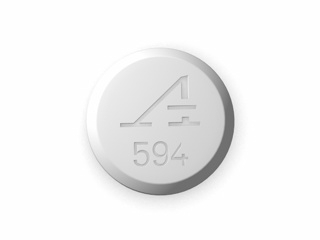

Tizanidine (Tizanidine Hydrochloride) – Patient Information for the UK
Tizanidine is a medicine used to relieve muscle spasticity (stiffness and tightness of muscles) and reduce painful muscle spasms. It belongs to a group of medicines called centrally acting alpha-2 (α2) adrenergic agonists. This page explains how tizanidine works, how it is used, important safety information, and practical tips to help you take it more comfortably.
1) Basic product information
| Category | Details |
|---|---|
| Generic name | Tizanidine (usually as tizanidine hydrochloride) |
| What it’s used for | Muscle spasticity and painful muscle spasms |
| How it works | Reduces excessive muscle tone by acting on the central nervous system |
| Typical forms | Tablets (strengths vary by brand) |
| Who it may be suitable for | Adults (and, in some settings, selected age groups depending on clinician guidance) |
| UK availability | Available through UK pharmacies; supply may depend on local arrangements |
2) Mechanism of action (how tizanidine works)
Tizanidine works by targeting alpha-2 adrenergic receptors in the brain and spinal cord. This helps reduce the release of excitatory signals that can otherwise drive muscle overactivity. As a result, tizanidine can:
- Lower muscle tone (reducing stiffness)
- Reduce frequency and severity of painful spasms
- Improve comfort and mobility in people with spasticity
Because it acts on the central nervous system, side effects such as drowsiness or dizziness can occur—especially when starting treatment or when doses are changed.
3) Pharmacokinetics (absorption, distribution, metabolism, elimination)
Understanding what the body does with tizanidine can help you take it at the right time and anticipate effects. Key points include:
- Absorption: Tizanidine is absorbed after taking by mouth. Peak blood levels typically occur within about 1–2 hours (timing can vary between people).
- Metabolism: It is mainly metabolised in the liver, largely through the enzyme system CYP1A2.
- Half-life: The elimination half-life is roughly in the range of 2–4 hours. This means doses are often split across the day.
- Elimination: Metabolites are mainly eliminated via the kidneys.
Because tizanidine is metabolised in the liver and has a relatively short half-life, drug interactions that affect CYP1A2 can significantly change its levels in your bloodstream.
4) Typical use and timing
What it’s used for
Tizanidine is used to manage spasticity, which may occur due to conditions such as:
- Multiple sclerosis
- Spinal cord injury
- Certain neurological disorders associated with increased muscle tone
It may also be used for painful muscle spasms, depending on your clinical situation.
When to take it
The exact schedule depends on your individual dose and response. Many people take tizanidine in divided doses throughout the day. Some patients take a larger portion in the evening to help with muscle tightness that interferes with sleep.
- Start low, go slow: Clinicians often begin at a lower dose and increase gradually to reduce side effects.
- Consistency helps: Try to take doses at similar times each day.
- Allow time for effect: Effects may begin within a few hours; improvements can take several days or longer.
5) Indications (what conditions it treats)
In the UK, tizanidine is indicated for the relief of spasticity and muscle spasm in appropriate clinical contexts. It is most commonly used for stiffness and spasms that affect movement, comfort, or daily activities.
6) Dosing (general guidance)
Dosing can vary by person based on severity of symptoms, tolerability, liver function, kidney function, and potential interactions. The information below provides general education; your dosing plan should follow the instructions provided with your medicine.
How doses are usually adjusted
- Initial dosing: Often starts at a low dose to reduce drowsiness, dizziness, and blood pressure changes.
- Titration: The dose may be increased gradually until adequate symptom control is achieved.
- Maintenance: The lowest effective dose is typically aimed for.
Common dosing approach (example)
Many adults are prescribed doses that are taken 2–4 times a day, depending on the schedule. Because individual products and local guidance can differ, always follow the directions on your medicine label.
Missed dose
- If you miss a dose, take it when you remember unless it is close to the next dose.
- Do not take a double dose to make up for a missed dose.
Stopping tizanidine
Do not stop suddenly without medical advice. Sudden discontinuation can sometimes lead to rebound symptoms such as increased muscle tone or changes in blood pressure. If discontinuation is needed, tapering may be recommended.
7) Food interactions
Food can influence how tizanidine is absorbed and how quickly it begins to work. Some people find that taking it with or without food changes how drowsy they feel.
- Follow your usual routine: Try to take tizanidine consistently in relation to meals.
- If a change is needed: If you notice significant changes in side effects after switching from taking with food to taking without food (or vice versa), speak to your pharmacist or clinician.
If you have been instructed to take tizanidine in a particular way (for example, with water and at set times), keep to that plan.
8) Alcohol and medicine interactions
Alcohol
Alcohol can increase the likelihood of side effects from tizanidine, particularly:
- Drowsiness and sedation
- Dizziness
- Impaired reaction time
For safety, it is usually advised to avoid alcohol or keep it to a minimum and be cautious. If you plan to drink, discuss this with a pharmacist, especially when starting or changing your dose.
Medicines that commonly interact
Tizanidine levels can rise or fall depending on drugs that affect CYP1A2 metabolism or influence blood pressure and sedation. Some interactions may be serious.
- Strong CYP1A2 inhibitors: can markedly increase tizanidine levels, raising the risk of severe drowsiness, low blood pressure, and other adverse effects.
- Medicines that lower blood pressure: may increase the chance of dizziness or fainting.
- Sedatives or sleep medicines: may add to drowsiness.
- Other muscle relaxants: may increase muscle weakness or sedation.
- Some antibiotics/antifungals and fluvoxamine: are examples of medicines that can interact through CYP1A2 (the specific list varies; always check with a pharmacist).
Before you start tizanidine
It’s important to review your current medicines, including:
- Over-the-counter products (e.g., cold/flu remedies)
- Herbal supplements (e.g., sedating products)
- Prescription medicines
- Any medicines taken occasionally
If you have a complex medication list, consider asking your pharmacist for an interaction check.
9) Safety profile (possible side effects and when to seek help)
Common side effects
Many people experience mild, temporary effects—especially early in treatment or after dose increases:
- Drowsiness
- Dizziness
- Dry mouth
- Fatigue
- Low blood pressure (which may cause light-headedness)
Less common but important effects
- Liver-related effects: Tizanidine can affect liver enzymes in some people. Your clinician may monitor liver function.
- Bradycardia (slow heart rate) in some cases.
- Muscle weakness (sometimes related to overly strong effect).
Seek urgent medical help if you experience
- Fainting, severe dizziness, or collapse
- Chest pain, severe shortness of breath, or signs of an allergic reaction (such as swelling of the face/lips or breathing difficulties)
- Yellowing of the skin or eyes (jaundice), unusually dark urine, or severe unexplained tiredness (possible liver problems)
Driving and operating machinery
Tizanidine can cause drowsiness and dizziness. In the UK, you should take extra care:
- Avoid driving until you know how the medicine affects you.
- If you feel sleepy, dizzy, or your reaction time is slowed, do not drive or use machinery.
- Be especially cautious when starting treatment or increasing the dose.
10) Practical use tips
Make starting easier
- Plan for the first few doses: If possible, start when you can rest and monitor how you feel.
- Hydration: Dizziness and dry mouth can be worse if you are dehydrated.
- Stand up slowly: This can reduce light-headedness from blood pressure changes.
Monitor your response
Track your symptoms in a simple diary:
- Spasm severity (e.g., 0–10)
- Stiffness at different times of day
- How sleepy/dizzy you feel after each dose
This can help your clinician fine-tune the timing or dose for the best balance between benefit and side effects.
Be mindful with other calming medicines
If you take medicines for anxiety, sleep, pain, or allergies that make you drowsy, check with a pharmacist about possible additive effects with tizanidine.
Liver and kidney considerations
- Liver: Tell your clinician if you have a history of liver disease or abnormal liver tests.
- Kidneys: Inform them if you have kidney impairment; dose adjustments may be needed.
11) Alternative options
If tizanidine does not provide adequate relief or causes side effects, clinicians may consider alternative treatments for spasticity depending on the cause and your needs. Options may include:
Medicines (examples)
- Baclofen: often used for spasticity; affects the nervous system differently from tizanidine.
- Diazepam or other benzodiazepines: may be used for some types of muscle spasm, but can cause sedation and dependence risks.
- Antispasticity therapies: selection depends on your condition, severity, and tolerability.
Non-medicine options
- Physiotherapy and stretching programmes
- Exercise and mobility support
- Heat therapy or other comfort measures
- In some cases: specialist interventions such as botulinum toxin injections
The best alternative depends on the underlying condition and how your symptoms respond to treatment.
12) Market and legal context in the United Kingdom
In the UK, medicines are regulated under the medicines framework administered by the Medicines and Healthcare products Regulatory Agency (MHRA). Tizanidine is a well-established medicine used in routine clinical practice for spasticity.
Product availability, brand names, pack sizes, and prescribing requirements can differ between manufacturers and healthcare settings. Always ensure you are purchasing genuine medicine from an appropriate UK-registered supply route.
Pharmacists may advise on:
- Checking suitability and interactions
- How to take the medicine safely
- Recognising side effects and monitoring needs
13) Recent guidance (what matters most for safety)
While guidance can evolve, current safe-use themes for tizanidine commonly include:
- Interaction awareness: careful screening for medicines that inhibit CYP1A2 or add to sedation/low blood pressure.
- Monitoring: liver function checks may be recommended in some patients.
- Start low and titrate: gradual dose changes help reduce side effects.
- Blood pressure and alertness: patients are typically advised to monitor for dizziness and sedation.
If you have concerns—especially if you have started a new medicine recently—speak to your pharmacist for an updated interaction check.
14) Delivery and availability in the UK
Availability can vary depending on stock levels and pack size. When ordering online, you may be able to choose delivery options and track your parcel. Standard delivery times typically apply, but delays can occur due to seasonal demand and carrier schedules.
- In-stock items: are usually dispatched quickly.
- Low-stock or special order: may require extra time.
- Packaging: medicines are typically delivered in secure packaging to protect the product.
Always check the product label on arrival for the correct strength and expiry date. If the product looks damaged or the packaging is unusual, contact the pharmacy support team.
15) FAQ – Frequently asked questions
How long does tizanidine take to work?
Many people notice effects within a few hours of taking a dose. Overall improvement in spasticity may take days as the dose is adjusted and your body adapts.
Can I take tizanidine every day?
Tizanidine is often taken regularly to manage ongoing spasticity. Your clinician will advise the appropriate duration and schedule based on your condition and response.
What should I do if I feel very sleepy?
Do not drive. Sit or lie down if you feel dizzy. Contact a pharmacist or clinician for advice; dose timing or strength may need adjusting. Avoid alcohol and other sedating medicines until you have discussed this.
Does tizanidine interact with antidepressants?
Some antidepressants can interact with tizanidine, particularly via CYP1A2. If you are taking antidepressants (or any new medication), ask your pharmacist to check for interactions.
Is it safe to drink alcohol while taking tizanidine?
Alcohol can increase drowsiness and dizziness and may affect safety. It is generally recommended to avoid alcohol or keep it to a minimum, and to seek personalised advice from a pharmacist—especially when starting or changing your dose.
Will tizanidine affect my blood pressure?
Tizanidine can lower blood pressure in some people, which may cause dizziness or light-headedness. If you feel faint, stop what you’re doing, sit or lie down, and seek urgent medical advice if symptoms are severe.
Can I stop tizanidine suddenly?
Stopping suddenly is not usually recommended. If you need to stop, a tapering plan may be advised by your clinician to reduce the risk of rebound symptoms.
What if I have liver problems?
Tell your clinician and pharmacist if you have liver disease or previous abnormal liver tests. Tizanidine may not be suitable or may require extra monitoring.
Are there any alternatives if tizanidine doesn’t suit me?
Yes. Options may include other antispasticity medicines (such as baclofen) and non-medicine therapies like physiotherapy and specialist interventions. Your clinician can recommend the most appropriate option for your situation.
16) Summary
Tizanidine is a centrally acting medicine used to relieve spasticity and painful muscle spasms. It works by reducing excessive nerve signalling that contributes to increased muscle tone. Because it can cause drowsiness, dizziness, and may affect blood pressure and liver enzymes, careful dosing and interaction checks are important.
If you have questions about how to take tizanidine, potential interactions, or what side effects to watch for, your pharmacist can help.