

Phenazopyridine (Urinary Pain Relief) — Patient Information (UK)
Phenazopyridine is a medicine used to relieve pain, burning, urgency, and discomfort caused by irritation of the lower urinary tract (such as the bladder). It works quickly to soothe symptoms while the underlying cause (for example, a urinary tract infection) is treated.
This guide explains what phenazopyridine is, how it works, how it behaves in the body, how and when to take it, important safety information, possible interactions (including with alcohol), and practical tips to help you get the most from your treatment. It is written for people in the United Kingdom.
1) Basic product information
| Category | Information |
|---|---|
| Active ingredient | Phenazopyridine |
| What it’s for | Relief of urinary pain and irritation symptoms (symptomatic treatment) |
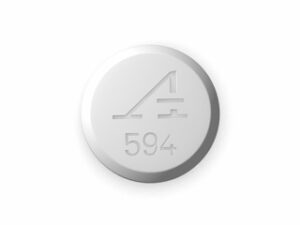
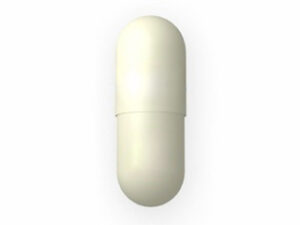
| Typical form | Tablets (brand availability may vary) |
| How it feels | Helps reduce burning/pain while you urinate and urinary discomfort |
| Important note | Does not treat the cause of infection; it relieves symptoms |
Common symptom patterns: burning when passing urine, feeling you need to urinate urgently or frequently, and lower abdominal discomfort related to bladder irritation.
2) How phenazopyridine works (mechanism of action)
Phenazopyridine belongs to the group of urinary analgesics. Its key action is to provide direct relief of pain and irritation in the urinary tract.
- Local effect on the urinary mucosa: After absorption and processing in the body, phenazopyridine reaches the urine and exerts a soothing effect on irritated tissues.
- Symptom relief: It helps reduce the burning sensation and discomfort, making urination feel less painful.
- Not an antibiotic: It does not kill bacteria. If you have an infection, you may still need appropriate treatment for the underlying cause.
3) Pharmacokinetics (what the body does with it)
“Pharmacokinetics” describes how the body absorbs, distributes, metabolises, and excretes a medicine. The exact values can vary between individuals, but the overall behaviour is as follows:
- Absorption: Phenazopyridine is absorbed from the gut after taking a dose by mouth.
- Metabolism: It is metabolised in the body, including conversion to active and inactive metabolites.
- Excretion: The medicine (and its metabolites) are eliminated mainly through the kidneys into the urine.
- Urine colour change: A well-known effect is that urine may become orange to reddish-orange. This is expected and is due to the medicine.
Why this matters: The urinary colouring effect can mask signs like blood in urine, so be alert to other symptoms and seek help if you’re worried.
4) Typical use and what it can (and cannot) treat
Indications (when it’s used)
Phenazopyridine is used for temporary relief of urinary symptoms that occur due to irritation of the lower urinary tract, such as:
- Burning or pain while passing urine
- Urinary urgency and discomfort associated with bladder irritation
- Temporary symptom relief while another condition is being treated
Important limitations
- It does not treat infection. If symptoms are due to a bacterial urinary tract infection, you need appropriate cause-targeted management.
- It doesn’t cure kidney or serious infections. If symptoms suggest something more serious, you should get medical assessment promptly.
5) When to take it (timing)
Timing can affect comfort and symptom relief. Follow the dosing schedule on your product label or the instructions supplied with your medicine.
- Start when symptoms begin: Taking phenazopyridine early may help reduce discomfort sooner.
- Take at regular intervals: Many regimens use multiple daily doses; keeping to the schedule can improve symptom control.
- Short-term use: It is generally intended for short-term symptom relief. Do not continue longer than advised.
If your symptoms do not improve within the expected timeframe, or they worsen, it’s important to seek advice rather than simply continuing symptom relief.
6) Dosing (general guidance)
Doses can vary depending on the exact product strength and patient factors. Always check the packaging for your specific preparation.
- Adults: Common dosing schedules are taken for a short period and typically spread across the day.
- Children: Use in children should only be under appropriate guidance, as paediatric dosing and suitability depend on age and formulation.
- Older adults: Extra caution may be needed if kidney function is reduced.
Kidney and liver considerations: If you have kidney problems, do not adjust the dose yourself. Ask a pharmacist or clinician for advice because reduced kidney function can increase the risk of side effects.
Do not exceed the recommended dose printed on the label or leaflet for your particular product.
7) Food interactions
Phenazopyridine may be taken with or without food in many situations, but food can help reduce nausea for some people.
- If you feel sick: Taking with a meal or snack may improve tolerance.
- Stay consistent: If your product instructions allow it, keep to the same approach daily (e.g., always with food).
There are no widely known major “must avoid” food groups, but general advice is to follow the product leaflet and maintain good hydration.
8) Alcohol interactions and other medicine interactions
Alcohol
It’s generally advisable to limit alcohol while taking medicines for urinary symptoms, because alcohol can:
- Increase irritation of the bladder in some people
- Contribute to dehydration
- Make side effects like dizziness or stomach upset more noticeable
If you choose to drink, keep it moderate and monitor how you feel. If you develop unusual symptoms, stop and seek advice.
Other medicines
Interactions depend on your medicines and health conditions. Phenazopyridine may interact with certain treatments, and it can be more risky with medicines that affect kidney function or cause blood-related side effects.
Tell a healthcare professional or pharmacist if you take:
- Medicines that may affect the kidneys
- Medicines that can influence blood cells or haemoglobin (in particular if you have a history of blood disorders)
- Any long-term medicines, including anticoagulants, diuretics, or immunosuppressants
Always check the leaflet provided with your specific product, and consider asking a pharmacist to review your current medicines for interaction risks.
9) Safety profile and side effects
What to expect
- Orange/red urine: Very common and expected. This is not normally harmful.
- Stomach upset or nausea: Some people experience mild gastrointestinal effects.
- Headache or dizziness: Occasionally reported.
Seek urgent advice if
Stop phenazopyridine and seek urgent medical help if you experience signs of serious reactions or complications, such as:
- Allergic reaction (e.g., swelling of the face/lips, rash, difficulty breathing)
- Severe or worsening symptoms (for example, increasing pain, high fever, vomiting)
- Signs of blood problems (e.g., unusual bruising/bleeding, severe fatigue, shortness of breath)
- Yellowing of the skin/eyes or dark urine beyond the expected orange colour
- Confusion or extreme weakness
Special risk groups (important precautions)
- Kidney impairment: Increased risk of side effects. Phenazopyridine is generally used cautiously or avoided if kidney function is significantly reduced.
- G6PD deficiency or red blood cell disorders: There may be increased risk of blood-related adverse effects.
- Pregnancy and breastfeeding: Use should be discussed with a clinician based on risk/benefit for you and your baby.
- Children: Age-appropriate suitability is essential; dosing must be appropriate for the child.
If you have any of the above conditions, speak to a pharmacist before using phenazopyridine.
10) Practical use tips
- Hydrate well: Drinking enough fluids can help flush the urinary tract and may reduce overall irritation.
- Monitor symptom pattern: Note whether symptoms improve over the expected period.
- Don’t “mask” serious problems: If you develop fever, flank/back pain, or feel unwell, it may indicate a more serious infection that symptom relief alone will not address.
- Keep the label: Urine colour change is expected, but you should still be clear about what’s normal for your medicine.
- Don’t extend use: Phenazopyridine is intended for short-term comfort; continuing longer increases risk.
11) Alternative options for urinary discomfort
Alternatives depend on the cause of your symptoms. Symptom relief options commonly include:
- Hydration and bladder soothing measures: Warm fluids, rest, and avoiding irritants.
- Simple pain relief: Paracetamol or ibuprofen may be considered for discomfort (follow the correct dosing and avoid if you have contraindications).
- Targeted treatment for infection: If a urinary tract infection is suspected, a clinician may recommend appropriate therapy based on symptoms and tests.
- Urinary analgesic alternatives: In some settings, other urinary symptom relief approaches may be used depending on availability and product licensing.
If symptoms recur frequently or you have complex medical history (e.g., kidney disease), you may need a tailored plan.
12) UK market and legal context (what you should know)
In the United Kingdom, availability and classification of medicines can differ between products and manufacturers. Phenazopyridine-containing products may be regulated under different categories (for example, based on formulation strength and intended use).
- Medicines are supplied according to UK rules on safe supply and patient information.
- Clinical responsibility: UK pharmacy and online medicine services are designed to ensure you receive correct product information and safe use guidance.
- Expect guidance: You may be asked about symptoms, allergies, kidney function, and other risk factors before supply.
Product availability can also depend on supply chain conditions and manufacturer distribution, so stock may vary over time.
13) Recent guidance and best-practice approach in the UK
UK clinical practice emphasises that urinary symptoms are common and often related to infection, but persistent symptoms require assessment. Symptom relief is appropriate for comfort, yet underlying causes must be considered.
- Think “infection vs irritation”: Burning and urgency can occur with bladder infection, but also with irritation (for example, after certain activities or use of irritant products).
- Watch for “red flags”: Fever, back/flank pain, blood in urine that persists, or feeling systemically unwell should prompt urgent assessment.
- Short-term comfort measures: Urinary analgesics should not replace assessment when symptoms do not improve.
Your pharmacist may advise you on whether self-care is suitable or whether you should seek additional evaluation, especially if you’re pregnant, have kidney disease, or have recurrent symptoms.
14) Delivery and availability (UK online pharmacy)
Typical online pharmacy services in the UK aim to deliver medicines quickly and discreetly. Availability depends on local stock levels and supplier schedules.
- Ordering: Choose the correct product strength and follow the information provided on the listing.
- Delivery: Delivery times vary by supplier and courier service; dispatch timelines are shown during checkout.
- Packaging: Medicines are usually shipped in protective packaging with patient information included.
- Stock changes: If an item is temporarily unavailable, you may see “out of stock” or alternative pack sizes/brands.
If you have delivery questions or need advice on selecting the correct product, contact the pharmacy’s customer support.
15) Frequently Asked Questions (FAQ)
How quickly does phenazopyridine work?
Many people notice symptom relief relatively quickly after taking phenazopyridine, often within hours. If there is no improvement or symptoms worsen, seek advice rather than continuing indefinitely.
Does phenazopyridine treat a urinary tract infection?
No. Phenazopyridine is a symptomatic medicine. It helps relieve pain and burning, but it does not eradicate bacteria. If an infection is present, appropriate treatment for the cause may still be needed.
Why is my urine orange or red?
This is a common and expected effect of phenazopyridine. The medicine colours the urine, which can be orange to reddish-orange.
Will it affect urine test results?
It may interfere with certain urine test interpretations because of the colour change and medicine presence. If you are having urine tests, inform the clinician or laboratory staff that you’re taking phenazopyridine.
Can I drink alcohol while taking it?
It’s best to limit alcohol. Alcohol may worsen bladder irritation and dehydration. If you drink, keep it moderate and monitor how you feel.
Can I take it with food?
Often, phenazopyridine can be taken with or without food. If you experience nausea, taking it with a meal may help.
How long can I take phenazopyridine?
It is intended for short-term relief. Do not exceed the recommended duration on your product label/leaflet. If symptoms persist beyond the expected timeframe, seek medical advice.
Who should take extra care with phenazopyridine?
Take extra care if you have kidney problems, a history of red blood cell disorders (including G6PD deficiency), are pregnant or breastfeeding, or are treating a child. Ask a pharmacist for guidance.
What should I do if my symptoms don’t improve?
If symptoms do not improve or you develop fever, back/flank pain, vomiting, or severe worsening, stop using phenazopyridine as symptom-only management and seek prompt advice.
Are there alternatives?
Yes—alternatives may include other approaches to symptom relief (such as pain relief medicines) and, when necessary, treatment for the underlying cause. Your pharmacist can help you choose based on your symptoms and medical history.
Remember: Phenazopyridine provides comfort for urinary irritation symptoms, but it is important to monitor your overall condition and seek medical advice if symptoms suggest a more serious problem or do not improve in the expected time.