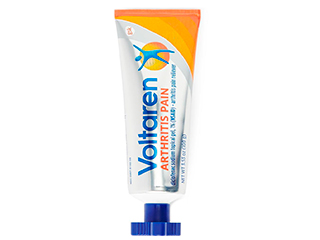
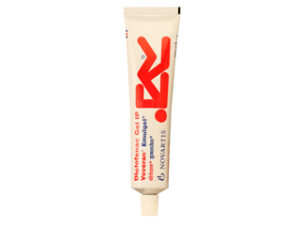
Voltaren Gel (Diclofenac sodium) – Pain Relief for Joints and Muscles (UK)
Voltaren Gel contains diclofenac sodium, a well-known anti-inflammatory medicine from the NSAID (non-steroidal anti-inflammatory drug) family. It is designed for topical use (on the skin), helping to relieve pain, stiffness and inflammation in specific areas such as hands, knees, wrists, elbows or feet.
This page explains how Voltaren Gel works, how to use it safely and effectively, what to expect, and key information relevant to customers in the United Kingdom.
Key Product Information
| Product | Active ingredient | How it’s used | What it helps with |
|---|---|---|---|
| Voltaren Gel | Diclofenac sodium | Applied to the skin over the affected area | Local pain and inflammation in joints and soft tissues |
Strength: Voltaren Gel is available in different strengths depending on the product formulation. Always check the label on the particular pack you purchase for the exact strength (for example, 1% or other available concentrations).
Pack types: The gel is typically supplied in a tube for convenient application.
How Voltaren Gel Works (Mechanism of Action)
Diclofenac is an NSAID. When applied to the skin, it works locally to reduce the processes that contribute to pain and inflammation.
- Reduces inflammation: Diclofenac helps lower the formation of inflammatory chemicals (prostaglandins) at the site of pain.
- Helps relieve pain: By reducing inflammation-related chemical signals, it can ease aching and tenderness.
- Targets the affected area: Topical application allows high local concentration where you apply it.
Because Voltaren Gel is used on the skin rather than swallowed, it may result in lower whole-body exposure compared with oral NSAIDs, though some absorption can still occur.
Pharmacokinetics (Absorption, Distribution, Metabolism, Excretion)
With topical diclofenac:
- Absorption: Only a portion of diclofenac passes through the skin into the bloodstream. How much is absorbed can vary with factors such as skin integrity, the amount used, frequency, and whether the area is covered by a dressing.
- Local action first: The main aim is local relief at the painful joint or tissue.
- Metabolism: If absorbed, diclofenac is processed by the body (principally in the liver) into metabolites.
- Elimination: Metabolites are cleared mostly through the kidneys and to some extent through bile and faeces.
Practical takeaway: Use exactly as directed. Avoid applying to large areas or under tight/occlusive coverings unless advised, as this can increase absorption.
What Voltaren Gel is Typically Used For (Indications)
Voltaren Gel is used for localised pain and inflammation in specific joints and soft tissues. Typical uses include:
- Osteoarthritis-related joint pain (commonly hands and knees, depending on product guidance)
- Localised musculoskeletal pain such as sprains and strains (as advised for the product)
- Inflammatory pain in specific areas where topical diclofenac is appropriate
What it’s right for can depend on your symptoms, the joint involved, and the strength of the product you have. If you are unsure, check the leaflet inside the pack and follow NHS and local health advice.
When to Start Feeling Better (Timing & How Often)
Many people notice improvements after the first few applications, but the timing can vary.
- Early relief: Some pain relief may be felt within a few days.
- More consistent benefit: For osteoarthritis and longer-lasting problems, effects often build over one to two weeks with regular use.
- If no improvement: If symptoms do not improve after the recommended period on the pack, stop and seek appropriate advice.
Important: Voltaren Gel should not be used continuously for long periods without reviewing your symptoms.
Dose & How to Apply (Typical Dosing Instructions for Adults)
Always follow the dosing instructions provided with your specific Voltaren Gel pack. The points below are general guidance commonly used for topical diclofenac gels in the UK market.
Typical adult application
- Apply a thin layer of gel to the affected area.
- Gently rub in until the gel disappears.
- Repeat applications as directed on the product label/leaflet.
How much to use
Many topical gels provide guidance in terms of how much gel per area. Depending on your product, you may be advised to use an amount measured in grams (or via a finger-length measure) appropriate to the size of the treated area.
Practical example (illustrative): Some NSAID gels commonly advise different amounts for hands versus knees. Your pack’s instructions override any general description.
Hands and hygiene
- Wash your hands after applying unless your hands are the treatment area.
- Avoid touching eyes or face after handling the gel.
- Do not apply to broken skin or areas with rashes.
Duration of use
- Use for the shortest duration needed to control symptoms.
- If you need to keep using the product beyond the recommended period, seek advice.
Food Interactions
Because Voltaren Gel is applied to the skin, food interactions are not a typical concern for most users. However, it’s still sensible to consider the following:
- If you are taking other anti-inflammatory medicines by mouth (e.g., ibuprofen, naproxen, or aspirin), those medicines can have food-related tolerance effects (for example, taking with food may reduce stomach irritation).
- Topical diclofenac can still be absorbed to a limited extent—avoid combining with medicines that increase risk of side effects unless it’s appropriate for you.
For customers taking many medicines, speak to a pharmacist to check whether any oral NSAIDs or other interacting medicines are part of your regimen.
Alcohol and Medicine Interactions
Alcohol
Voltaren Gel does not require specific avoidance of alcohol in the way some oral medicines do, but caution is still sensible.
- General caution: If you drink alcohol heavily or regularly, your risk from NSAID-related effects in general may be higher.
- Especially important if using other NSAIDs: Combining oral NSAIDs with alcohol can increase risk of stomach irritation or bleeding.
Medicine interactions
Even though absorption from the skin is lower than with tablets, some systemic exposure can occur.
Tell a healthcare professional (or pharmacist) if you use any of the following, as interactions may be relevant:
- Other NSAIDs (e.g., ibuprofen, naproxen, aspirin at anti-inflammatory doses)
- Blood thinners (e.g., warfarin, apixaban, rivaroxaban)
- Corticosteroids (for inflammation)
- Antiplatelets (e.g., clopidogrel)
- Diuretics (water tablets) and ACE inhibitors or ARBs (blood pressure medicines), particularly if you also take oral NSAIDs
- Serious skin conditions medicines or treatments that affect skin barrier (where relevant)
Do not apply additional NSAID products on the same area unless instructed, as this can increase local irritation and systemic absorption.
Safety Profile: Who Should Use Caution?
Voltaren Gel is widely used, but it is not suitable for everyone. Always check the leaflet inside your pack and follow contraindications and warnings.
Common side effects
Because Voltaren Gel is applied to the skin, most unwanted effects relate to the application site.
- Skin irritation such as redness
- Itchiness
- Dryness or rash
- Burning or discomfort where applied
If you develop a significant rash, worsening irritation, or signs of allergy (such as swelling of the face/lips, or breathing difficulty), stop using the gel and seek urgent medical help.
Important warnings
- Do not apply to broken skin, infected areas, or wounds.
- Avoid contact with eyes and mucous membranes.
- Do not use with occlusive dressings (airtight coverings) unless advised, as this increases absorption.
- Sun sensitivity: NSAID-related skin exposure can potentially increase photosensitivity in some people. Protect the treated area from strong sunlight or sunbeds.
People who should take extra care
- History of allergy to diclofenac or other NSAIDs
- Asthma triggered by NSAIDs
- Past stomach bleeding or ulcers (especially if also using oral NSAIDs)
- Kidney or liver problems (especially if using other NSAID medicines)
- Older adults may be more sensitive to NSAIDs overall
Children and adolescents: The use of topical diclofenac may be age-restricted depending on the product and strength. Follow the pack guidance. If you are considering use for a child, consult a pharmacist.
Practical Use Tips for Best Results
- Clean and dry skin: Apply to clean, dry skin. If the area is damp, wait until it dries.
- Use the correct amount: Too little may not help; too much increases irritation and absorption risk.
- Rub gently: Do not aggressively scrub. Let the gel absorb.
- Rotate areas carefully: If you treat more than one joint, avoid applying multiple thick layers.
- Timing with daily routine: Many people apply in the morning and evening—choose times that are easy to remember.
- Keep it covered appropriately: Loose clothing is usually fine, but avoid tight bandages or airtight coverings.
- Monitor symptoms: If pain worsens, redness spreads, or you develop an unusual rash, stop and get advice.
Alternative Options (If Voltaren Gel Isn’t Suitable)
If Voltaren Gel doesn’t fit your needs, there are other options. Your best choice depends on the type of pain, the joint involved, and your medical history.
Other topical pain-relief products
- Topical NSAIDs (similar class medicines) from other brands
- Topical analgesics such as counter-irritant creams (which create a warming/cooling sensation)
- Topical treatments designed for muscle pain or strains
Oral medicines
- Paracetamol for pain relief (does not directly reduce inflammation)
- Oral NSAIDs if appropriate for you—these may carry higher systemic risks than topical treatment
Non-medicine approaches
- Exercise and physiotherapy (often key for osteoarthritis)
- Heat or cold therapy depending on what helps your symptoms
- Supportive devices like braces for some joint pains
- Weight management for knee and hip osteoarthritis can reduce load and symptoms
Tip: If you have recurring joint pain, consider discussing a tailored plan with a GP or physiotherapist rather than only using gel during flare-ups.
Market & Legal Context in the UK
In the UK, medicines are regulated by the Medicines and Healthcare products Regulatory Agency (MHRA) and authorised under relevant legal frameworks. Consumer medicine information, including leaflet content and product labelling, is designed to reflect that authorisation.
Voltaren Gel is generally marketed for local relief of pain and inflammation in appropriate conditions and available for purchase through retail and online pharmacies in line with UK distribution and labelling rules.
Important: Always confirm suitability by reading the leaflet for your exact product strength and formulation. Some diclofenac topical products have different age restrictions or indications.
Recent Guidance & How to Stay Updated
Guidance on NSAID medicines can evolve, including updates on safety advice, risk awareness, and best-use recommendations. To ensure you’re using Voltaren Gel appropriately:
- Check the patient information leaflet supplied with your pack.
- Seek advice from a pharmacist if you have additional medical conditions, take multiple medicines, or plan to use it for more than a short period.
- Watch for updated safety information from official UK sources such as MHRA and NHS advice pages.
If you’re using Voltaren Gel alongside other anti-inflammatory medicines, it’s especially important to confirm compatibility.
Delivery & Availability (Online UK Pharmacy)
Voltaren Gel is commonly available through UK online pharmacies, typically in convenient delivery packaging suitable for pharmaceutical products.
- Availability: Usually stocked regularly, though product strength and pack sizes can vary.
- Delivery: Standard and express options may be offered depending on the pharmacy.
- Storage: Store below the temperature stated on your pack (avoid excessive heat). Keep out of reach of children.
Always check the expiry date before use and discard any product that appears damaged or contaminated.
When to Seek Medical Advice
Stop using Voltaren Gel and seek urgent medical attention if you experience:
- Signs of an allergic reaction (e.g., swelling of the face/lips, difficulty breathing)
- Severe or spreading skin reactions (e.g., blistering, peeling, widespread rash)
Seek professional advice if you:
- Have persistent symptoms or worsening pain
- Need to use the gel for longer than the recommended period
- Have frequent flare-ups and would benefit from a longer-term plan
- Have concerns about interactions with your existing medicines
FAQ – Voltaren Gel (Diclofenac sodium)
1) Is Voltaren Gel safe to use on the skin?
It is designed for topical use. Most side effects are mild and local (e.g., redness or itching). However, you should not apply it to broken skin or use it in ways that increase absorption (like airtight dressings). Check the leaflet and seek advice if you have a history of NSAID allergy or skin reactions.
2) How quickly does Voltaren Gel work?
Some people notice relief after a few applications. For joint pain such as osteoarthritis, it may take around one to two weeks of regular use for more consistent improvement.
3) How often should I apply it?
Follow the schedule on your specific product label/leaflet. Many topical diclofenac regimens are applied multiple times daily, but the exact frequency can vary by product strength.
4) Can I use it with other creams or gels?
Avoid applying other medicines to the same area at the same time unless your pharmacist advises it. Combining products can increase irritation and absorption risk.
5) Can I shower or wash after applying Voltaren Gel?
Try to allow the gel to absorb before bathing or washing the area. The pack leaflet may provide more detail on timing. If you wash soon after applying, you may remove the gel and reduce its effect.
6) Will Voltaren Gel interact with blood thinners?
Topical diclofenac may still be absorbed to some extent. If you take anticoagulants (blood thinners) or have a bleeding disorder, check with a pharmacist before using Voltaren Gel regularly—especially if you also take oral NSAIDs.
7) Can I drink alcohol while using Voltaren Gel?
There is no universal requirement to avoid alcohol with topical diclofenac. However, alcohol can increase risks associated with NSAIDs in general—particularly if you take oral NSAIDs as well. If you’re unsure, speak to a pharmacist.
8) What should I do if I miss a dose?
Apply it when you remember unless it’s close to the next dose. Do not apply extra gel to make up for missed use.
9) Who should not use Voltaren Gel?
Do not use it if you are allergic to diclofenac or similar NSAIDs, or if the leaflet advises you not to. Use caution if you have NSAID-triggered asthma, significant kidney/liver problems, or a history of serious stomach bleeding—especially if using other NSAIDs.
10) Can I use it during pregnancy or while breastfeeding?
Use during pregnancy and breastfeeding should follow the product leaflet guidance and professional advice. NSAIDs are generally treated cautiously in later pregnancy. Check the leaflet or consult a pharmacist/GP for your specific situation.
This information is provided to help you use Voltaren Gel more effectively. For complete and up-to-date instructions, always read the patient information leaflet included with your product.