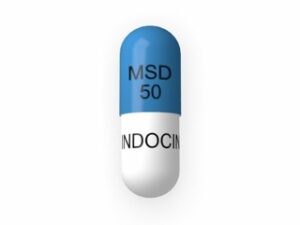
Indocin (Indomethacin) — Patient Guide (UK)
Indocin contains indomethacin, a non-steroidal anti-inflammatory drug (NSAID) used to reduce pain, inflammation, and stiffness in certain conditions. This guide explains how it works, when it’s typically taken, key safety points, and practical tips to help you use it effectively and reduce side effects.
| Medicine | Indocin (Indomethacin) |
|---|---|
| Group | NSAID (anti-inflammatory painkiller) |
| Common uses | Joint and tendon inflammation, gout flare-ups, and selected painful inflammatory conditions |
| How it helps | Reduces inflammation and pain by affecting prostaglandins |
| How it’s taken | Oral tablets/capsules depending on brand and formulation |
What is Indocin (Indomethacin)?
Indomethacin is a potent NSAID. NSAIDs work by reducing substances in the body called prostaglandins, which play a major role in inflammation, pain, and fever. Indocin is used for conditions where inflammation and pain are prominent.
In the UK, NSAIDs are widely used for musculoskeletal pain. However, indomethacin is considered a strong NSAID and may not suit everyone—particularly people at higher risk of stomach bleeding, kidney problems, or cardiovascular (heart and circulation) side effects.
How Indocin works (Mechanism of Action)
Indomethacin helps relieve symptoms by:
- Inhibiting cyclo-oxygenase (COX) enzymes: COX enzymes help produce prostaglandins.
- Reducing prostaglandin levels: This lowers inflammation and pain signals.
- Decreasing swelling and stiffness: Particularly helpful in inflammatory joint conditions.
Because prostaglandins also help protect the stomach lining and support kidney blood flow, blocking them can increase the risk of gastritis, ulcers, and kidney-related side effects in susceptible people.
Pharmacokinetics: How your body handles indomethacin
Pharmacokinetics describes what happens after you take a medicine—absorption, distribution, metabolism, and elimination.
- Absorption: Indomethacin is absorbed after oral dosing. The speed and degree of absorption may vary with formulation and with food.
- Peak effect: Blood levels typically rise and then fall; peak effects are generally within a few hours, though the exact timing can vary by formulation.
- Protein binding: Indomethacin binds to blood proteins, influencing how much is available to act.
- Metabolism: Mostly processed by the liver.
- Elimination: Excreted via the kidneys and also via bile routes as metabolites.
Practical meaning: Your dosing schedule aims to maintain symptom control while limiting side effects. If you have liver or kidney impairment, extra caution may be needed.
Typical use in the UK
Indocin (indomethacin) is used for painful inflammatory conditions. It may be selected when an anti-inflammatory effect is needed and when other options are not suitable or have not worked well.
Common clinical uses include:
- Acute gout attacks (to reduce inflammation and severe joint pain)
- Inflammatory joint conditions such as certain forms of arthritis
- Other painful inflammatory disorders where a clinician considers indomethacin appropriate
Not all NSAIDs are interchangeable. Dosing and response can differ between products, so switching should be guided by clinical advice and your individual history.
When to take Indocin (Timing and dosing schedule)
Follow the dosing instructions provided with your specific product and your healthcare advice. In general, indomethacin is taken at times designed to:
- spread doses across the day to maintain symptom relief
- reduce stomach irritation by taking it with food
- avoid exceeding maximum daily limits
General timing tips:
- Take with food or milk to reduce stomach irritation (unless your clinician advises otherwise).
- Don’t take more often than advised, even if pain returns—contact a clinician if pain is not controlled.
- If you miss a dose, don’t double up. Take the next dose at the usual time.
Indications: When it may be prescribed/used
Indications can vary by formulation and local prescribing practice. In broad terms, indomethacin may be used for:
- Inflammatory and painful musculoskeletal disorders
- Gout flares (acute gouty arthritis)
- Conditions where a potent NSAID effect is required
Important: If your symptoms are due to infection (e.g., fever with a hot swollen joint), NSAIDs should not be used to mask worsening illness. Seek urgent assessment if you feel unwell or the joint is rapidly worsening.
Dosing: General information
Specific dosing depends on the condition being treated, your age, kidney function, other medicines, and your risk factors for side effects. Because dosing varies, this section provides general guidance only.
Typical adult dosing schedules for indomethacin have historically been divided across the day to manage symptoms. Some formulations allow different timing patterns.
- Start low and adjust as needed under clinical guidance.
- Use the lowest effective dose for the shortest duration necessary.
- Review regularly if used beyond short-term treatment.
Always check your pack: the strength (e.g., mg per tablet/capsule) and instructions for your exact product.
Food interactions: What to eat and what to avoid
Food can affect how indomethacin behaves in the stomach and how comfortable it is to take.
- Take with food or after meals to reduce the risk of stomach irritation.
- Avoid taking on an empty stomach unless specifically advised.
- Gastric protection: Some people at higher risk may be advised to use additional stomach protection (for example, a proton pump inhibitor) depending on their clinical situation.
Key point: Food generally improves stomach tolerance, but it does not eliminate the risk of ulcers or bleeding. If you develop stomach pain, black stools, or vomiting blood, stop and seek urgent medical help.
Alcohol and medicine interactions
Combining indomethacin with alcohol can increase the risk of stomach irritation and bleeding. For safer use:
- Limit or avoid alcohol while taking indomethacin.
- Use extra caution if you have a history of ulcers or gastrointestinal bleeding.
Other important medicine interactions include:
- Other NSAIDs (e.g., ibuprofen, naproxen, diclofenac): increased risk of side effects; do not combine unless specifically instructed.
- Aspirin: low-dose aspirin may be prescribed for heart protection—do not stop or start aspirin without medical advice. Full-dose aspirin for pain increases bleeding risk.
- Blood thinners (anticoagulants) such as warfarin, and drugs like apixaban/rivaroxaban: increased bleeding risk.
- Antiplatelets (e.g., clopidogrel): higher bleeding risk.
- SSRIs/SNRIs (some antidepressants): increased risk of gastrointestinal bleeding.
- Diuretics and antihypertensives: NSAIDs can reduce effectiveness and affect kidney function.
- ACE inhibitors/ARBs: increased risk of kidney issues, particularly in dehydration or older age.
- Lithium: NSAIDs may raise lithium levels.
- Methotrexate: NSAIDs can increase methotrexate toxicity, especially at higher doses.
- Cyclosporine/tacrolimus: increased kidney risk.
- Digoxin: may increase digoxin effects.
Practical tip: Before using indomethacin, it’s helpful to keep an up-to-date list of all your medicines and supplements and share it with a pharmacist/clinician.
Safety profile: Who should be cautious?
Indomethacin can cause side effects. The risk depends on dose, duration, and your personal health history.
Common side effects
- Indigestion, heartburn, stomach discomfort
- Nausea
- Dizziness or headache
- Fluid retention (oedema) in some people
Serious side effects (seek urgent medical help)
- Signs of stomach bleeding: black/tarry stools, vomiting blood, persistent severe stomach pain
- Allergic reaction: swelling of face/lips, wheezing, severe rash
- Kidney problems: reduced urination, sudden weight gain, severe fatigue
- Heart/circulation warning signs: chest pain, shortness of breath, sudden weakness on one side
- Severe skin reactions: blistering rash or widespread peeling
People at higher risk
Extra caution is often needed if you:
- have a history of stomach ulcers or GI bleeding
- are older (risk rises with age)
- have kidney disease, dehydration, or heart failure
- have uncontrolled high blood pressure
- have asthma triggered by NSAIDs
- take blood thinners or multiple medicines that increase bleeding risk
Do not “push through” side effects such as severe abdominal pain or black stools. Prompt assessment can be vital.
Practical use tips for safer, more comfortable treatment
- Use the lowest effective dose and aim for the shortest course that controls symptoms.
- Take with food and a full glass of water.
- Stay hydrated, especially during hot weather or if you’re unwell—dehydration increases kidney risk.
- Track symptom improvement. If pain or swelling does not improve within expected timeframes, seek advice rather than increasing doses.
- Review your other medicines. Even common items (like aspirin, certain antidepressants, or supplements) can increase risk.
- Avoid double NSAID therapy. Many cold/flu products contain painkillers; check labels.
- Stop and seek help if you develop warning signs: black stools, vomiting blood, severe rash, reduced urination, or breathing difficulties.
Alternative options (if indomethacin isn’t suitable)
If indomethacin isn’t appropriate due to side effects, interactions, or your medical history, clinicians may consider alternatives such as:
Other NSAIDs
- Ibuprofen, naproxen, diclofenac (choice depends on risk profile and condition)
Non-NSAID pain relief
- Paracetamol (acetaminophen) for pain relief (not anti-inflammatory)
Targeted gout treatments (for flares)
- Colchicine (for some gout patients)
- Corticosteroids (oral or injections in appropriate cases)
Non-medicine measures
- Rest and ice during acute flare-ups
- Physical therapy and gradual strengthening for chronic conditions
- Weight management and lifestyle adjustments (especially for gout and osteoarthritis)
Note: The best alternative depends on your diagnosis and health risks.
Market and legal context in the United Kingdom
In the UK, medicines such as indomethacin are regulated by the Medicines and Healthcare products Regulatory Agency (MHRA). Consumer access and prescribing practices are shaped by safety updates, pharmacovigilance, and clinical guidance.
NSAIDs remain commonly used, but safety information highlights that the benefits and risks should be considered, especially for:
- people with prior gastrointestinal disease
- people with cardiovascular risk factors
- long-term or high-dose use
Recent emphasis in UK clinical practice continues to include using the lowest effective NSAID dose for the shortest duration and reviewing ongoing need, particularly in higher-risk groups.
Recent guidance and safety themes (UK practice)
While specific guidance may vary by condition and patient factors, common UK safety themes for NSAIDs include:
- GI safety: avoid NSAIDs where risk is high; consider gastroprotection for those at increased risk where clinically appropriate.
- Cardiovascular risk: discuss individual heart and blood pressure risks, especially with longer use or higher doses.
- Kidney protection: avoid dehydration; monitor risk in older adults or those taking certain interacting medicines.
- Interaction checking: careful review of blood thinners, antiplatelets, antidepressants, antihypertensives, and lithium/ methotrexate.
If you’re unsure whether Indocin is safe for you, a pharmacist can help you check interactions and suggest safer options.
Delivery and availability (UK online pharmacy)
Availability of indomethacin products can vary depending on formulation and supply. If your chosen product is currently unavailable, an online pharmacy may offer alternatives that are clinically equivalent or provide an expected dispatch date.
Delivery notes:
- Delivery options and timelines vary by provider and location within the UK.
- Some deliveries may require identity verification depending on medicine classification and regulations.
- Check package and label information on arrival to ensure the correct strength and instructions.
Storage: Keep medicines in the original packaging, out of sight and reach of children, and store at recommended room temperature (or as stated on the label). Do not use after the expiry date.
FAQ about Indocin (Indomethacin)
1) How quickly does Indocin work?
Many people notice pain relief within hours. In inflammatory conditions, improvements in swelling and stiffness may develop over days. If there is no meaningful improvement, or symptoms worsen, seek advice rather than increasing doses.
2) Can I take Indocin with paracetamol?
Paracetamol is generally considered compatible with NSAIDs for pain relief, but you should follow dosing limits for both medicines. If you have liver problems or drink alcohol regularly, extra caution is needed with paracetamol. If unsure, ask a pharmacist.
3) Should I take Indocin on an empty stomach?
It’s usually advised to take it with food or after meals to reduce stomach irritation. If your stomach is sensitive, taking with food is especially important.
4) What should I do if I miss a dose?
Take it when you remember if it’s still close to the scheduled time. If it’s nearly time for the next dose, skip the missed dose and resume your normal schedule. Do not double up.
5) Are there foods I must avoid?
No specific foods are universally forbidden. However, taking with meals and avoiding alcohol can reduce risk of stomach irritation and bleeding. If you have a sensitive stomach, choose meals that are easier to tolerate.
6) Can I drink alcohol while taking Indocin?
It’s best to limit or avoid alcohol. Alcohol increases the risk of stomach irritation and GI bleeding when combined with NSAIDs.
7) What are the most important interactions?
Major interactions include other NSAIDs, anticoagulants (blood thinners), antiplatelets, certain antidepressants, ACE inhibitors/ARBs and diuretics (kidney risk), lithium, and methotrexate. Always check your full medicine list with a pharmacist.
8) Who should not take indomethacin?
People with certain allergies to NSAIDs, those with a history of NSAID-triggered asthma reactions, and people with high risk of GI bleeding or severe kidney impairment may need to avoid indomethacin or use it only under strict guidance. Your suitability depends on your medical history and current medicines.
9) What signs mean I should stop and get urgent help?
Seek urgent medical help for black/tarry stools, vomiting blood, severe stomach pain, breathing problems, swelling of the face/lips, fainting, severe rash/blistering skin, or signs of sudden kidney problems (such as markedly reduced urination).
10) What is a safer approach if I need long-term anti-inflammatory treatment?
Discuss longer-term options with a healthcare professional. For chronic conditions, safer strategies may include using the lowest effective dose, considering gastroprotection where appropriate, using alternative medicines, or non-drug therapies. Long-term NSAID use should be reviewed regularly.
Summary
Indocin (indomethacin) is a potent NSAID used for inflammatory pain and conditions such as acute gout flares and selected arthritis-like disorders. It works by reducing prostaglandin production, which helps reduce inflammation and pain—but also increases the risk of stomach irritation/ulcers, kidney effects, and potential cardiovascular risks in susceptible people.
To use Indocin more safely:
- Take it with food and a full glass of water.
- Avoid alcohol while taking it.
- Do not combine with other NSAIDs.
- Check interactions with your medicines—especially blood thinners, antidepressants, ACE inhibitors/ARBs, and lithium.
- Seek urgent help for black stools, vomiting blood, severe rash, breathing problems, or reduced urination.
If you have questions about your specific product strength, timing, or suitability based on your health history, a pharmacist can help you make the safest choice.