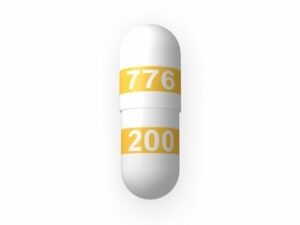
Voltaren (Diclofenac) – Pain Relief & Anti‑Inflammatory Medicine (UK)
Voltaren contains diclofenac, a well‑known anti‑inflammatory medicine used to relieve pain and reduce inflammation in a range of conditions, including joint and muscle disorders. This guide explains how Voltaren works, how it’s typically used, what to watch for, and practical tips for safe use in the United Kingdom.
At a glance
- Active ingredient: Diclofenac
- Type: Non‑steroidal anti‑inflammatory drug (NSAID)
- Main benefits: Helps reduce pain, swelling and inflammation
- Common forms in the UK: Tablets/capsules, topical gels/creams, and other strengths depending on product
- Important safety note: NSAIDs (including diclofenac) can increase risk of stomach bleeding and cardiovascular events in some people
Basic product information
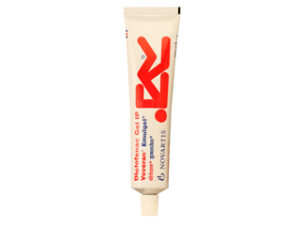
Voltaren is the brand name used for products that contain diclofenac. Depending on the specific Voltaren product, the formulation can be taken as tablets/capsules or applied to the skin as a gel/cream. Different formulations have different dosing schedules and safety profiles, especially regarding stomach and heart/kidney risks.
Which Voltaren product is right for you?
Many shoppers choose topical Voltaren for localised aches and pains (for example, sore joints or sprains). Others may use oral diclofenac for more generalised inflammation or when a stronger systemic effect is needed. If you’re unsure, check the product label for the exact strength and dosage instructions, or consider speaking with a pharmacist.
How diclofenac (Voltaren) works
Diclofenac is an NSAID. It works by reducing the production of chemicals in the body called prostaglandins, which play key roles in pain, fever and inflammation. By lowering prostaglandins, Voltaren can:
- Reduce pain signals
- Decrease inflammation and swelling
- Help improve movement in affected joints or muscles
Pharmacokinetics (how the body handles diclofenac)
Pharmacokinetics describes how medicine is absorbed, distributed, metabolised and eliminated. While details vary by formulation (oral vs topical), the following points are useful for understanding diclofenac’s behaviour.
- Absorption: Oral diclofenac is absorbed through the gastrointestinal tract. Topical diclofenac is absorbed through the skin, with lower overall systemic exposure than oral forms.
- Distribution: Diclofenac distributes into tissues, including sites of inflammation.
- Metabolism: Diclofenac is metabolised mainly by the liver.
- Elimination: Metabolites are eliminated largely through the kidneys (urine) and to some extent via bile/faeces.
- Half‑life: Diclofenac has a relatively short half‑life for many formulations, which is one reason dosing schedules are designed around repeated doses.
Because diclofenac is processed by the liver and excreted via the kidneys, people with significant liver or kidney problems should use caution and follow healthcare advice. If you have concerns, ask a pharmacist before using Voltaren regularly.
Typical uses (indications)
Voltaren may be used to relieve pain and inflammation associated with conditions such as:
- Joint pain and inflammatory conditions (for example, osteoarthritis flares)
- Muscular aches and sprains
- Back pain and other strains
- Sports injuries and localized inflammation (topical formulations)
- Painful swelling from minor injuries (follow label directions)
The exact licensed indications differ by product and strength. Always check the package leaflet for your specific Voltaren version.
Timing: when to take Voltaren and how long to use it
How you schedule Voltaren depends on the formulation and dosing strength. As a general principle, use the lowest effective dose for the shortest time that controls symptoms.
Typical timing guidance
- Oral tablets/capsules: Often taken at intervals during the day as directed on the label or leaflet.
- Topical gel/cream: Usually applied several times daily depending on the product. Wash hands before and after (unless treating your hands) and allow the gel to dry.
How quickly does it work?
- Topical Voltaren: Many people notice relief within hours as the gel penetrates local tissues.
- Oral Voltaren: Pain relief may begin within a short time, but full benefit can develop over days during inflammation flares.
If symptoms do not improve after a few days (or if they worsen), stop and seek advice from a pharmacist or GP. Prolonged or frequent use of NSAIDs without review increases risk.
Dosing: general principles (follow your product label)
Voltaren comes in multiple formulations and strengths, so dosing varies. The safest approach is to follow the instructions supplied with your specific product. The following sections provide general dosing principles rather than exact prescriptions.
Oral diclofenac – general dosing approach
- Use the lowest effective dose.
- Take at the recommended frequency stated on the label.
- Do not exceed the maximum daily dose listed for your product.
- If you’ve been using an NSAID regularly, avoid abrupt changes without advice (especially if you have other medicines affecting the stomach/heart).
Topical diclofenac (gel) – general dosing approach
- Apply a thin layer to the affected area as directed.
- Do not apply to broken or infected skin.
- Avoid covering with airtight dressings unless advised.
- Wash hands after application.
Food interactions: can you take Voltaren with meals?
Food can affect how quickly some medicines are absorbed, especially with oral diclofenac. In many cases, taking diclofenac with food may reduce stomach irritation.
- Oral diclofenac: Taking with meals or soon after eating can help minimise indigestion or stomach discomfort for some people.
- Topical diclofenac: Food does not directly affect absorption through the skin, but overall safety still depends on your health and any oral medications you take.
If the leaflet for your specific Voltaren product suggests taking with or after food, follow that guidance closely.
Alcohol and medicine interactions
Alcohol and NSAIDs together can increase the risk of stomach bleeding and gastritis, and may worsen side effects.
Alcohol
- Avoid or keep alcohol to a minimum while using diclofenac.
- If you have a history of stomach ulcers or bleeding, it’s especially important to avoid alcohol unless a clinician/pharmacist has advised otherwise.
Other medicines to be cautious with
Diclofenac can interact with several types of medicines. Examples include:
- Other NSAIDs (e.g., ibuprofen, naproxen, aspirin for pain): avoid combining unless directed.
- Blood thinners (anticoagulants such as warfarin): increased bleeding risk.
- Antiplatelet drugs (e.g., clopidogrel): increased bleeding risk.
- Selective serotonin reuptake inhibitors (SSRIs) (e.g., sertraline, fluoxetine): may increase bleeding risk in the stomach.
- Corticosteroids (e.g., prednisolone): higher risk of stomach ulceration/bleeding.
- Diuretics and blood pressure medicines (ACE inhibitors, ARBs): may affect kidney function, especially with dehydration or older age.
- Lithium: NSAIDs may increase lithium levels.
- Methotrexate: NSAIDs can increase toxicity risk.
- Digoxin: possible increase in digoxin levels.
If you use multiple medicines (including over‑the‑counter products), it’s sensible to check interactions with a pharmacist. Keep a list of your medicines and bring it when seeking advice.
Safety profile: who should be careful?
Like all medicines, Voltaren can cause side effects. While many people tolerate diclofenac well when used as directed, NSAIDs have important potential risks.
Common side effects
- Indigestion or heartburn
- Stomach discomfort
- Nausea
- Headache (sometimes)
Topical-specific skin effects
- Skin redness, rash, or itching where applied
- Dryness or irritation
Serious warnings (seek urgent medical help)
Stop using Voltaren and seek urgent medical advice if you experience signs of serious reaction such as:
- Allergic reaction: swelling of face/lips, difficulty breathing, severe rash
- Stomach bleeding: vomiting blood, black/tarry stools, severe stomach pain
- Chest pain or sudden breathlessness (possible cardiovascular event)
- Signs of liver problems: yellowing of eyes/skin, dark urine, severe fatigue
- Severe skin reactions: blistering, peeling rash
Higher risk groups
You should be extra cautious with diclofenac if you:
- Have a history of stomach ulcers or gastrointestinal bleeding
- Have heart disease, a history of stroke, or significant cardiovascular risk factors
- Have kidney disease or are prone to dehydration
- Have asthma that worsens with painkillers (some people with aspirin-sensitive asthma can be affected)
- Are elderly (risk of side effects may be higher)
- Take medicines that raise bleeding risk (for example, anticoagulants or antiplatelets)
Practical use tips for safer relief
The following tips can help you use Voltaren more safely and effectively:
- Use the minimum: take the lowest effective dose and reassess after a short period.
- Avoid doubling up: don’t use more than one NSAID at the same time unless specifically advised.
- Check formulation instructions: gel vs tablets differ in how much to apply and how frequently.
- Protect the skin (topical): apply only to intact skin; avoid sun exposure to treated areas.
- Hand hygiene: wash hands after applying gel (unless treating your hands).
- Stop if irritation occurs: discontinue topical use if you develop significant rash or worsening symptoms.
- Stay hydrated: especially during hot weather or if you’re unwell, to support kidney function.
Alternative options
Depending on the cause of pain and your medical history, alternatives may be appropriate. Common options include:
Non‑NSAID pain relief
- Paracetamol (acetaminophen): can help relieve pain and is gentler on the stomach than NSAIDs for many people.
- Topical analgesics: other pain-relief creams/gels may be suitable for some conditions.
Other anti‑inflammatory approaches
- Alternative NSAIDs: such as ibuprofen or naproxen, though they share similar NSAID risks.
- Non‑drug measures: rest, gentle movement, physiotherapy, heat/ice and appropriate stretching can complement medicine.
If you have risk factors (ulcers, bleeding, heart disease, kidney problems), an alternative plan may be safer. Discuss options with a pharmacist—especially if you need treatment beyond a few days.
Market and legal context in the United Kingdom
Diclofenac products are regulated medicines in the UK. Depending on the specific formulation, strength and pack size, they may be supplied from pharmacies under appropriate controls. Safety communications and prescribing guidance can be updated as new evidence emerges.
The UK medicines landscape includes guidance intended to reduce risk from NSAIDs, including heart and stomach concerns. These communications emphasise the importance of using the lowest effective dose for the shortest duration, considering individual risk factors, and reviewing continued use.
Recent guidance and safety messages (general UK context)
In recent years, UK and international health authorities have repeatedly highlighted:
- NSAIDs can increase risk of serious cardiovascular events, particularly at higher doses and with longer use.
- NSAIDs can increase risk of gastrointestinal bleeding, especially in people with prior ulcers or when used with certain other medicines.
- Topical NSAIDs may offer a more localised approach for certain musculoskeletal pains, with lower systemic exposure than oral NSAIDs.
- People with risk factors should seek advice before repeated or long‑term NSAID use.
Always refer to the patient information leaflet supplied with your Voltaren product for the most accurate, product‑specific instructions.
Delivery and availability (UK online pharmacy)
Voltaren products are commonly available through reputable online pharmacies in the UK, depending on the specific formulation and strength. Delivery times typically depend on your location and the courier service used, and may vary during busy periods.
What to expect when ordering
- Stock availability: Some strengths or topical/oral forms may sell out occasionally.
- Packaging: Medicines are delivered in manufacturer-approved packaging.
- Tracking: Many orders can be dispatched with tracking and delivery updates.
For the latest availability, check the product page and expected delivery estimate shown at checkout.
Frequently asked questions (FAQ)
1) Can I use Voltaren with other painkillers?
Be cautious combining medicines. Avoid using Voltaren with other NSAIDs (such as ibuprofen, naproxen or aspirin for pain) unless a pharmacist or clinician advises it. Paracetamol is often used alongside NSAIDs, but check product instructions and consider your health profile. If you’re unsure, ask a pharmacist.
2) Is Voltaren safe for everyone?
No. People with a history of stomach ulcers/bleeding, significant heart disease, kidney impairment, or NSAID sensitivity should use Voltaren only with appropriate advice. If you’re pregnant or trying to conceive, or breastfeeding, check the leaflet and seek guidance before use.
3) How do I apply Voltaren gel correctly?
Apply a thin layer to the affected area and rub in gently. Use the amount and frequency stated on your product label. Wash hands after application (unless treating your hands), avoid contact with eyes and mouth, and do not apply to broken skin. Allow the gel to dry before covering with clothing.
4) What if I accidentally miss a dose?
If you miss a dose, apply it or take it when you remember unless it’s close to the time for the next dose. Do not take an extra dose to make up for a missed one. Follow your leaflet instructions.
5) Can I drive or operate machinery?
Voltaren is not typically associated with driving impairment. However, some people may experience dizziness or headache. If you feel unwell after taking it, avoid driving until you feel steady again.
6) Will Voltaren cure my condition?
Voltaren helps relieve symptoms by reducing pain and inflammation, but it may not address the underlying cause (for example, joint wear, tendon injury or mechanical back pain). If symptoms continue, consider getting medical advice and complementary approaches such as physiotherapy or lifestyle changes.
7) How long should I use it?
Use it for the shortest time needed to control symptoms. If you need to keep taking Voltaren beyond a short period, it’s wise to seek advice to ensure the underlying issue is being treated appropriately and to reassess risks.
8) Does taking Voltaren with food matter?
For many oral diclofenac products, taking with meals or soon after eating can help reduce stomach irritation. Always follow the specific instructions in your product leaflet.
9) Can I drink alcohol while using Voltaren?
It’s best to avoid or limit alcohol because alcohol combined with NSAIDs can increase the risk of stomach bleeding and worsen side effects. If you have a history of ulcers or bleeding, avoid alcohol unless advised otherwise.
10) Are there signs I should stop immediately?
Yes. Stop using Voltaren and seek urgent advice if you have signs of allergy, stomach bleeding (black stools, vomiting blood), chest pain, breathlessness, severe rash, or signs of liver problems.
Summary table: key things to remember
| Topic | What to know |
|---|---|
| What it is | Voltaren contains diclofenac, an NSAID for pain and inflammation. |
| How it works | Reduces prostaglandins, helping lower pain and swelling. |
| Common use | Muscle and joint pain, strains/sprains, and inflammatory conditions (varies by product). |
| When to use | Use at the label schedule; reassess after a short course; use the lowest effective dose. |
| Food effects | Oral forms may be better tolerated with food; follow product instructions. |
| Alcohol | Avoid or limit alcohol to reduce stomach bleeding risk. |
| Important interactions | Be cautious with other NSAIDs, blood thinners, SSRIs, steroids, diuretics/ACE inhibitors/ARBs. |
| Serious risks | Stomach bleeding and potential cardiovascular/kidney/liver issues—higher risk in vulnerable groups. |
| Topical care | Apply to intact skin, avoid eyes/mouth, wash hands, and don’t cover with airtight dressings. |
Note: This page provides general information about Voltaren (diclofenac) products used in the UK. Always read the patient information leaflet supplied with your specific product for exact directions, warnings, and suitability for your personal circumstances.