
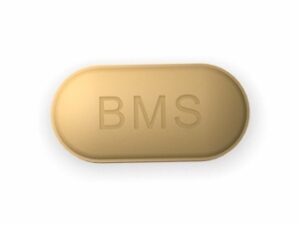
Imdur (Isosorbide) — Patient Information
Imdur is a brand of isosorbide medicines used to prevent certain types of chest pain (angina). It belongs to the group of medicines called nitrates. This guide explains what Imdur is, how it works, how it’s typically used in the UK, and important safety information to help you use it more confidently.
Always follow the instructions given by your healthcare professional or the directions on the pack. The information below is general and may not cover every individual situation.
Quick overview
- Medicine: Imdur (isosorbide)
- Type: Nitrate used for prevention of angina symptoms
- Common purpose: Helps reduce frequency of chest pain episodes
- How it’s taken: Usually once daily (depending on the strength and your regimen)
- Common effects: Headache, dizziness, flushing
- Important cautions: Avoid combination with medicines containing phosphodiesterase-5 (PDE5) inhibitors (e.g., sildenafil, tadalafil) due to risk of severe low blood pressure
Basic product information
Imdur contains isosorbide, a nitrate that helps widen blood vessels and improve blood flow. Many Imdur formulations are designed to release medicine slowly over time (often referred to as modified release), meaning they are typically taken once daily to provide steady symptom prevention.
In the UK, Imdur is supplied through pharmacy channels and may be available in different strengths, depending on current product availability.
| Feature | What it means for you |
|---|---|
| Generic name | Isosorbide |
| Drug class | Nitrate vasodilator |
| Main use | Prevention of angina symptoms |
| Form | Typically modified-release tablets (check your pack) |
| Typical dosing schedule | Usually once daily; some regimens may be structured around a “nitrate-free” interval |
How Imdur works (mechanism of action)
Chest pain from angina usually occurs when the heart muscle does not receive enough oxygen-rich blood for its needs. Isosorbide acts by:
- Relaxing and widening blood vessels (vasodilation), which improves blood flow and helps reduce the heart’s workload.
- Reducing “preload” and “afterload” by decreasing pressure and resistance in the circulation.
- Improving oxygen supply/demand balance so the heart is less likely to trigger angina symptoms.
Imdur is generally used for prevention of angina rather than immediate relief. If you are given another fast-acting nitrate for sudden attacks, use it as instructed.
Pharmacokinetics: how the body processes it
Pharmacokinetics describes how a medicine is absorbed, distributed, metabolised, and eliminated. While exact values can vary by formulation and individual factors, the key practical points for Imdur are:
- Absorption: Isosorbide is absorbed through the digestive tract. Modified-release products aim to provide a steadier blood level over time.
- Distribution: It circulates in the bloodstream and reaches target tissues including the cardiovascular system.
- Metabolism: Isosorbide is metabolised in the body (the liver plays a role in processing many medicines).
- Elimination: Metabolites are removed mainly via the kidneys.
- Onset and duration: With modified-release dosing, the aim is to prevent symptoms through the day; clinicians often consider a dosing pattern that helps reduce tolerance.
Tolerance and “nitrate-free” intervals: With continuous nitrate exposure, some people may develop reduced benefit (tolerance). For that reason, prescribers may structure dosing to allow a daily period with less or no nitrate exposure, depending on your specific plan.
Typical use in the UK
Imdur is most commonly used to help prevent angina such as:
- Chronic stable angina (predictable chest pain with exertion or stress)
- Angina related to coronary artery disease
- Sometimes as part of a broader heart medicines plan with other treatments (your overall regimen may include medicines for cholesterol, blood pressure, and heart rate).
It may be used when symptoms are not adequately controlled with other medicines alone.
Indications: when Imdur is used
In clinical practice, Imdur is indicated for the prophylaxis (prevention) of angina pectoris. Your doctor may recommend it if you have recurrent chest pain episodes or if you need ongoing preventive therapy.
Important: Imdur is not usually intended for immediate relief during a sudden angina attack. Use your rapid-acting rescue treatment (if prescribed) for acute symptoms, and seek urgent medical attention if chest pain is severe, unusual, lasts longer than expected, or is accompanied by breathlessness, fainting, sweating, or nausea.
How to take Imdur: timing and routine
Because Imdur is often modified release, your routine matters.
Typical timing
- Once daily dosing: Many regimens are taken once each day.
- Same time every day: Try to take your dose at the same time to keep blood levels steadier.
- Daily “nitrate-free” interval: Your prescriber may ask you to avoid taking it at certain times each day. Follow your individual instructions.
With or without food
- Imdur can generally be taken with or without food.
- If nausea or stomach upset occurs, taking it with food may be more comfortable.
Swallowing instructions
- Swallow whole with water (unless your specific product instructions indicate otherwise).
- Do not crush or chew modified-release tablets, as this can affect how the medicine is released.
Dosing: general guidance
Dose varies depending on your condition, other medications, and how well you tolerate treatment. Your healthcare professional will provide your exact dosing instructions.
General approach: Treatment often starts at a dose intended to balance symptom prevention with side effects. Your dose may be adjusted over time.
Do not change your dose or stop Imdur suddenly without advice, especially if you have ongoing angina.
- Missed dose: If you miss a dose, take it when you remember unless it’s close to the time of the next dose. Do not double to make up for a missed dose.
- Overdose risk: Taking too much can cause severe dizziness, fainting, or low blood pressure. Seek urgent medical advice if an overdose is suspected.
Food interactions
Food interactions with isosorbide are not usually major, and many people take Imdur without dietary restrictions.
- General rule: Take with or without food as advised on your pack.
- Stomach comfort: If you notice nausea or headache after taking it on an empty stomach, consider taking it with a light meal (confirm with your healthcare professional if you have swallowing or gastrointestinal issues).
If you are taking other medicines that have specific meal requirements (for example, certain antibiotics or thyroid medicine), continue following those instructions; Imdur dosing can typically fit around them.
Alcohol interactions
Alcohol can lower blood pressure and may worsen common nitrate side effects such as:
- Dizziness or light-headedness
- Fainting
- Headache
Practical advice:
- Limit alcohol, especially when starting treatment or increasing dose.
- Avoid driving if you feel dizzy.
- If you notice you feel worse after drinking, discuss with your clinician.
Medicine interactions
Some medicines interact with nitrates and can cause dangerous drops in blood pressure or other complications. Always tell your pharmacist or healthcare professional about:
- All medicines you take (including over-the-counter products and supplements)
- Any recent changes in medicines
- Any history of fainting or low blood pressure
Key interaction: PDE5 inhibitors
Do not combine Imdur with PDE5 inhibitors such as:
- Sildenafil (for erectile dysfunction or pulmonary hypertension)
- Tadalafil
- Vardenafil
- Other medicines in the same class
This combination can lead to severe hypotension (dangerously low blood pressure). If you are considering sexual health medicines, seek advice before use.
Other blood-pressure lowering medicines
- Medicines for high blood pressure, some heart conditions, and some diuretics may increase the risk of dizziness or fainting.
- Use caution when standing up quickly.
Riociguat (pulmonary hypertension medicine)
In some cases, riociguat may also be contraindicated or require careful avoidance due to blood pressure effects. Your pharmacist can check your medicines for safety.
Other considerations
- Macrolide antibiotics and certain antifungal medicines can affect metabolism of some cardiovascular medicines. Interaction likelihood depends on the exact drug and your overall regimen.
- Always check potential interactions with your specific medicines.
Safety profile: common and serious side effects
Most people tolerate Imdur well, but side effects are possible. Your individual experience may differ.
Common side effects
- Headache (often the most common)
- Dizziness or light-headedness
- Flushing
- Low blood pressure symptoms, such as feeling faint
- Weakness or tiredness
These side effects may be more likely when treatment is started, when the dose is increased, or if you stand up quickly.
Serious side effects — get urgent help
Seek urgent medical help if you experience:
- Fainting or severe dizziness
- Symptoms of a severe allergic reaction (swelling of face/lips, breathing difficulties, widespread rash)
- Chest pain that is not improving or becomes worse, especially if it is new or occurs at rest
- Signs of dangerously low blood pressure, such as confusion, collapse, or marked weakness
When to seek prompt advice
- Headaches that are severe or persistent
- Ongoing nausea, vomiting, or significant worsening of dizziness
- Any new symptom that worries you
Practical use tips (helping you get the best results)
- Stand up slowly: If you feel light-headed, pause before standing and avoid sudden movements.
- Track your angina: Note when episodes occur and how long they last. This can help your clinician adjust the regimen.
- Don’t skip doses routinely: Missed doses may reduce preventive benefit.
- Report tolerance: If chest pain becomes more frequent despite taking Imdur correctly, contact your healthcare professional—your regimen may need review.
- Keep rescue plans in mind: If you have an approved fast-acting treatment for acute angina, keep it available and know when to seek help.
- Be cautious with hot weather or dehydration: Heat and dehydration can lower blood pressure and increase dizziness risk.
Driving and operating machinery
Imdur can cause dizziness or light-headedness, especially when starting treatment. Avoid driving or dangerous activities if you feel unwell, dizzy, or faint.
Special populations and additional considerations
Older adults
Older people may be more sensitive to blood pressure changes. Extra care may be needed to reduce dizziness and falls risk.
People with kidney or liver problems
Since metabolism and elimination depend partly on organ function, clinicians may adjust dosing or monitor you more closely. If you have kidney or liver impairment, ensure your prescriber and pharmacist have this information.
Pregnancy and breastfeeding
If you are pregnant, planning pregnancy, or breastfeeding, discuss the risks and benefits with a healthcare professional. The decision to use any medicine in pregnancy should be individualised.
Children
Imdur use in children is uncommon and depends on specific medical circumstances; dosing must be specialist-led.
Alternative options for angina prevention (discuss with your clinician)
There are several other medicines used for angina, depending on your heart status, other medical conditions, and symptom pattern. Alternatives may include:
- Other nitrates (short-acting or long-acting forms)
- Beta-blockers (often used to reduce heart rate and oxygen demand)
- Calcium channel blockers (can relax blood vessels and help with stable angina)
- Ivabradine (selected patients with specific heart rate patterns)
- Ranolazine (in appropriate cases, used for chronic angina)
- Combination regimens tailored to symptom control
Availability and suitability vary. Your healthcare professional can help choose an option based on your history and the medicines you already take.
Imdur in the UK: market and legal context
In the United Kingdom, medicines like Imdur are regulated under the UK’s medicines framework. The product is supplied through legitimate pharmacy routes and is expected to meet quality, safety, and manufacturing standards set by the relevant regulatory authorities.
Brand and generic availability can change over time due to manufacturing, supply, and commercial factors. If you notice a change in product appearance or strength, double-check the strength on the pack and confirm with your pharmacist.
Recent guidance and clinical considerations
Clinical practice for angina management in the UK often follows evidence-based guidelines and is centred on:
- Optimising cardiovascular risk factors (e.g., blood pressure, cholesterol, smoking cessation)
- Using evidence-based anti-anginal medicines
- Reviewing treatment regularly for effectiveness and side effects
- Being cautious about drug interactions, particularly those that can cause significant blood pressure drops
Recommendations may evolve as new evidence emerges. Your clinician can provide the most up-to-date advice for your situation.
Delivery and availability (UK online pharmacy)
Imdur availability can vary depending on:
- Current supplier stock
- Your required strength and formulation
- Local delivery capacity
When you order through a UK online pharmacy, typical delivery information you may expect includes:
- Processing time: the time required to prepare your order
- Delivery windows: an estimated delivery date
- Packaging: medicines are generally sent in tamper-evident packaging
- Trackable delivery: many services provide updates or tracking
If your selected strength is temporarily unavailable, a pharmacist may contact you (or offer alternatives that are equivalent or clinically suitable, depending on policy and availability).
How to store Imdur
- Store in the original packaging to protect from light and moisture.
- Keep out of the sight and reach of children.
- Check the pack for the recommended storage temperature.
- Do not use after the expiry date shown on the pack.
FAQ
What is Imdur used for?
Imdur (isosorbide) is mainly used to prevent angina (chest pain due to reduced blood flow to the heart). It helps reduce how often symptoms occur.
How quickly does Imdur work?
Because many Imdur products are modified release, they are designed for steady prevention rather than instant relief. If you experience sudden chest pain, you should use your fast-acting rescue treatment if prescribed and seek urgent medical help when advised.
Can I stop Imdur suddenly?
Do not stop suddenly unless a clinician advises you to. Stopping preventive therapy may increase the risk of angina symptoms returning.
Should I take Imdur with food?
Typically, Imdur can be taken with or without food. If it upsets your stomach, taking it with food may help.
What side effects are most common?
Headache and dizziness are among the most common. These may reduce as your body adjusts, but persistent or severe symptoms should be discussed with your healthcare professional.
Can I drink alcohol while taking Imdur?
Alcohol may worsen dizziness and low blood pressure. It’s best to limit alcohol and avoid driving or risky activities if you feel light-headed. Ask your healthcare professional for advice tailored to you.
Are there medicines I must not take with Imdur?
Yes. A key contraindication is combining Imdur with PDE5 inhibitors used for erectile dysfunction (such as sildenafil or tadalafil) due to the risk of severe low blood pressure. Always check interactions with your pharmacist.
What should I do if I miss a dose?
If you miss a dose, take it as soon as you remember unless it is close to the next dose. Do not double the dose. If you are unsure, ask your pharmacist.
Is Imdur suitable for everyone with angina?
Suitability depends on your medical history, current medicines, blood pressure, heart function, and side-effect risk. Your prescriber can determine the best option for you.
What if my angina gets worse while taking Imdur?
If your chest pain becomes more frequent, severe, or occurs at rest, contact your healthcare professional promptly. If symptoms are severe or accompanied by concerning features (breathlessness, fainting, sweating, or nausea), seek urgent medical help.
Summary
Imdur (isosorbide) is a nitrate medicine used to prevent angina in many people living with coronary artery disease. It works by widening blood vessels and improving the heart’s oxygen balance. Most people tolerate Imdur, but common side effects include headache and dizziness. Because Imdur can lower blood pressure, and because dangerous interactions can occur—particularly with PDE5 inhibitors—it’s important to review your full medication list with a pharmacist. With correct daily use and monitoring, Imdur can help reduce the frequency of chest pain episodes and support a more stable day-to-day routine.