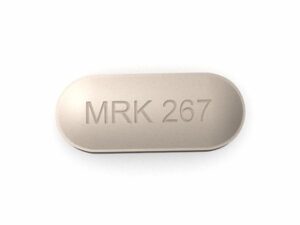
Ketorolac: Pain Relief Medicine (UK)
Ketorolac is a non-steroidal anti-inflammatory drug (NSAID) used to treat short-term moderate to severe pain. It works by reducing substances in the body that contribute to pain and inflammation. This guide is designed to be patient-friendly and focuses on how ketorolac works, how it is used, and important safety information for people in the United Kingdom.
Please note: Always check the specific product label for your exact formulation (e.g., tablet, injection, or other presentation) and follow the instructions provided with that medicine.
Basic Product Information
| Category | Details |
|---|---|
| Medicine name | Ketorolac |
| Drug type | NSAID (non-steroidal anti-inflammatory drug) |
| Common uses | Short-term management of moderate to severe pain |
| Onset | May begin within about 30–60 minutes (varies by formulation) |
| Duration | Typically limited to short-term use due to safety considerations |
How Ketorolac Works (Mechanism of Action)
Ketorolac reduces pain primarily by blocking cyclo-oxygenase enzymes (COX-1 and COX-2). These enzymes help produce prostaglandins, chemical messengers involved in:
- Pain signalling
- Inflammation
- Fever (in some conditions)
By lowering prostaglandin production, ketorolac can reduce pain intensity and improve comfort. Compared with some other NSAIDs, ketorolac is often used in situations where stronger pain relief is needed for a limited time.
Pharmacokinetics (Absorption, Distribution, Metabolism, Elimination)
Pharmacokinetics describes what the body does to a medicine. While exact values vary by formulation and individual factors, key general points for ketorolac include:
- Absorption: After oral administration, ketorolac is absorbed and reaches useful levels in the bloodstream over about 30–60 minutes (timing can differ by person and food intake).
- Distribution: Ketorolac distributes through body tissues. It is also highly protein bound in the blood.
- Metabolism: The medicine is broken down mainly in the liver to inactive (or less active) metabolites.
- Elimination: Metabolites are cleared primarily through the kidneys (urine). This is important for people with kidney problems.
- Half-life: The elimination half-life is generally a few hours; therefore dosing schedules are designed to maintain pain control while limiting exposure.
Because clearance is influenced by the kidneys and liver, people with impaired kidney function or significant liver disease may need additional caution or alternative treatment.
Typical Use in the UK
Ketorolac is used for short-term treatment of moderate to severe pain where NSAID therapy is appropriate. It is commonly considered in acute pain scenarios and is sometimes used in clinical settings for rapid pain relief.
In community use, ketorolac is typically reserved for periods where its benefits outweigh potential risks—especially risks to the stomach, kidneys, and cardiovascular system associated with NSAIDs.
Key points
- Short-term: usually limited to reduce the risk of side effects.
- Pain control: aims to relieve pain and reduce inflammation.
- Not for ongoing chronic pain: long-term NSAID use often requires a different plan.
When and How to Take Ketorolac (Timing and Practical Use Tips)
How you take ketorolac depends on the formulation you have. Use the directions on your packaging or in the product information sheet that comes with your medicine.
General timing guidance
- Start: Take ketorolac when pain begins or as directed by your healthcare professional.
- Consistency: Try to take it at similar times each day if multiple doses are required.
- Review: If pain is not improving or is worsening, seek medical advice promptly rather than continuing to take more.
- Do not exceed the dose: Avoid higher doses or more frequent dosing than recommended.
Practical tips for safer use
- Use the lowest effective dose for the shortest possible time.
- Stay hydrated, especially if you are at risk of dehydration.
- Avoid doubling up: Do not combine with other NSAIDs (such as ibuprofen, naproxen, or diclofenac) unless specifically advised.
- Watch for warning signs (see “Safety Profile” below).
Food Interactions and What to Eat
Ketorolac can be taken with or without food depending on the specific product. Food may influence how quickly it starts working and can help reduce stomach discomfort.
- To reduce stomach irritation: taking ketorolac with a meal or milk may be helpful.
- Speed of onset: heavy meals may slightly delay absorption for some people.
If you experience heartburn, nausea, or stomach pain, consider taking it with food (unless your product information states otherwise). If symptoms persist, stop and seek advice.
Alcohol and Medicine Interactions
Alcohol
It is generally recommended to avoid or limit alcohol while taking NSAIDs like ketorolac. Alcohol can increase the risk of stomach irritation and bleeding.
- Higher alcohol intake may increase risk of gastrointestinal bleeding.
- Alcohol may also worsen dizziness or stomach upset.
Common medicine interactions
Ketorolac interacts with several medicines because of effects on the kidneys, blood clotting, and stomach lining. Tell your pharmacist or doctor if you take any of the following:
- Other NSAIDs (ibuprofen, naproxen, diclofenac, aspirin for pain): increased risk of stomach and kidney side effects.
- Blood-thinners (e.g., warfarin) or medicines affecting clotting: higher bleeding risk.
- Antiplatelet medicines (e.g., clopidogrel): increased bleeding risk.
- SSRIs/SNRIs (e.g., sertraline, citalopram, venlafaxine): may further increase bleeding risk when combined with NSAIDs.
- Medicines affecting the kidneys (e.g., diuretics like furosemide or ACE inhibitors such as enalapril): may increase kidney risk in some individuals.
- Corticosteroids (e.g., prednisolone): increased risk of gastrointestinal side effects.
- Lithium: possible increase in lithium levels leading to toxicity.
- Methotrexate: may increase toxicity if taken at certain doses/timeframes.
- Probenecid: may affect NSAID elimination.
Because interaction risks depend on your exact dose, duration, and medical history, it’s best to confirm with a healthcare professional if you use multiple medicines.
Indications (What Ketorolac Is Used For)
Ketorolac is indicated for short-term treatment of moderate to severe pain. In many care settings, ketorolac may be considered when a strong analgesic effect is needed for a brief period.
Conditions commonly associated with use
- Acute pain where inflammation and pain both contribute
- Post-procedural or short-term acute pain scenarios (depending on local practice and formulation)
- Pain requiring stronger NSAID-based relief for limited duration
Ketorolac is not intended as a first-choice long-term pain medicine. If you have persistent or recurring pain, a broader pain-management approach may be more appropriate.
Dosing (Important Guidance for UK Users)
Because ketorolac may come in different formulations (oral tablets, injectable preparations, and other forms where available), dosing should follow the product-specific instructions. Do not guess your dose.
General dosing principles
- Follow the recommended dose on your pack or the patient information leaflet.
- Do not exceed the maximum daily dose.
- Limit treatment duration to the shortest time needed.
- Lower doses may be required in older adults or those with reduced kidney function.
Missed dose
If you miss a dose, take it when you remember unless it is close to your next dose. Do not take a double dose to make up for the missed tablet.
Do not combine with other NSAIDs
To reduce the risk of side effects, avoid taking ketorolac together with other NSAID painkillers (unless a clinician has specifically advised otherwise).
If you are unsure: Ask a pharmacist for advice based on your exact product strength and your medical history.
Safety Profile: Side Effects and When to Seek Help
Like all medicines, ketorolac can cause side effects. Many people have no serious problems, but it’s important to understand potential risks—especially with short-term but potent NSAID therapy.
Common side effects
- Indigestion, stomach pain, heartburn
- Nausea
- Headache or dizziness
- Fluid retention (in some individuals)
Serious side effects (seek urgent medical advice)
Get medical help urgently if you experience:
- Signs of stomach or intestinal bleeding such as vomiting blood, black/tarry stools, or blood in stool
- Allergic reactions such as swelling of the face/lips, wheezing, severe rash, or difficulty breathing
- Severe chest pain, sudden weakness, or shortness of breath (possible cardiovascular events)
- Kidney problems such as reduced urination, unusual swelling, or severe persistent back pain
- Severe or persistent abdominal pain
Who should be extra cautious?
Ketorolac may not be suitable for some people, particularly those with:
- A history of stomach ulcers or gastrointestinal bleeding
- Known kidney disease
- Severe heart disease or previous stroke (NSAIDs can carry cardiovascular risks)
- NSAID-triggered asthma or hypersensitivity to aspirin/NSAIDs
- Uncontrolled high blood pressure
- Dehydration (e.g., vomiting/diarrhoea or low fluid intake)
Pregnancy and breastfeeding (general UK safety considerations)
NSAIDs including ketorolac may be unsuitable during parts of pregnancy. If you are pregnant, trying to conceive, or breastfeeding, discuss options with a pharmacist or healthcare professional before using ketorolac.
Food and Medicine Interactions: Summary Checklist
- Food: may help reduce stomach upset; heavy meals may delay onset slightly.
- Alcohol: generally avoid/limit due to increased bleeding and stomach risk.
- Other NSAIDs: avoid (increased risk).
- Blood thinners/antiplatelets: increased bleeding risk.
- SSRIs/SNRIs: may increase bleeding risk.
- Diuretics/ACE inhibitors: may increase kidney risk.
- Corticosteroids: may increase GI risk.
Alternative Options for Pain Relief
If ketorolac isn’t suitable, other options may be considered depending on your pain type, medical history, and risk factors. Common alternatives include:
- Paracetamol (acetaminophen): often easier on the stomach; may be suitable for many people.
- Other NSAIDs such as ibuprofen or naproxen: may be options, but still carry similar NSAID risks.
- Topical analgesics (for some musculoskeletal pain): may reduce systemic side effects.
- Non-medicine approaches: heat/cold therapy, gentle movement, stretching, physiotherapy, and stress-reduction strategies.
Your best alternative depends on your symptoms and whether you have risk factors such as ulcer history, kidney issues, or use of blood thinners.
Market and Legal Context in the United Kingdom
In the UK, medicines are regulated by the Medicines and Healthcare products Regulatory Agency (MHRA) and provided to patients in accordance with UK medicines legislation and product licensing. Whether a medicine is supplied in the community and in what form can depend on licensing, intended use, and safety requirements.
For NSAIDs like ketorolac, UK practice also considers:
- Risk of gastrointestinal bleeding
- Risk to kidneys (especially in vulnerable groups)
- Cardiovascular risk considerations
- Appropriate duration of treatment
Patients should use ketorolac only for the purpose described in their product information and within recommended time limits.
Recent Guidance and Safer Use Considerations
Healthcare guidance for NSAIDs in the UK has increasingly emphasized using the lowest effective dose and limiting duration, particularly in people at higher risk of:
- Stomach ulcers or bleeding
- Kidney impairment
- Cardiovascular events
In addition, clinical practice commonly encourages:
- Reassessment of pain after a short period
- Considering stomach-protective strategies in eligible patients (where advised)
- Avoiding NSAID combinations unless specifically directed
- Reviewing all medicines currently in use to reduce interaction risk
If you’re unsure whether ketorolac is appropriate for you, consider asking a pharmacist for advice before starting.
Delivery and Availability (UK Online Pharmacy Information)
Availability can vary by product format and licensing. When ordering from a UK online pharmacy, you will typically be able to view:
- Strength and pack size
- Formulation (e.g., tablet vs other forms)
- Delivery options and estimated dispatch times
- Important safety notes and storage instructions
Delivery estimates: Delivery times depend on location and courier service. After ordering, you should receive an order confirmation and tracking information where available.
Availability: If a particular product is temporarily unavailable, the pharmacy may offer alternatives (e.g., different NSAID options) or notify you of restocking timelines.
FAQ: Ketorolac (Patient Questions)
1) How quickly does ketorolac work?
Many people notice pain relief within about 30–60 minutes, depending on the formulation and whether it is taken with food. If you do not feel any benefit, do not increase the dose—seek advice.
2) Can I take ketorolac with food?
Yes, taking it with food may help reduce stomach irritation. Always follow the instructions for your specific product.
3) What should I avoid while taking ketorolac?
Avoid other NSAIDs (like ibuprofen or naproxen), excessive alcohol, and any combination medicines that may also increase bleeding or kidney risk unless a clinician has advised it.
4) Is ketorolac safe for everyone?
No. People with a history of stomach ulcers or bleeding, kidney disease, NSAID sensitivity/asthma triggered by NSAIDs, or certain cardiovascular conditions need extra caution. If you are unsure, speak to a pharmacist.
5) How long can I take ketorolac?
Ketorolac is intended for short-term use. Do not continue longer than recommended in your product information or advised by a healthcare professional.
6) What if I feel stomach pain or heartburn?
Mild indigestion can occur, but persistent or severe symptoms require advice. Stop and seek help urgently if you notice signs of bleeding (such as black stools or vomiting blood).
7) Can I drive or operate machinery?
Some people may feel dizzy or experience headaches. If ketorolac affects you this way, avoid driving or operating machinery until you feel well.
8) Does ketorolac interact with antidepressants?
Some antidepressants (especially SSRIs/SNRIs) can increase bleeding risk when combined with NSAIDs. If you take these medicines, check with a pharmacist.
9) Can I take ketorolac with aspirin?
Combining NSAIDs with aspirin for pain generally increases side effects. Low-dose aspirin for specific medical reasons (such as some heart conditions) should only be combined if advised by a clinician.
10) What alternatives are available if ketorolac isn’t suitable?
Options may include paracetamol, other pain relief strategies, or different NSAIDs—depending on your health profile. A pharmacist can help you choose a safer option.
Conclusion
Ketorolac is an NSAID designed for short-term relief of moderate to severe pain. It reduces pain by blocking COX enzymes and lowering prostaglandins. While it can be effective, it also carries risks—particularly for the stomach lining and kidneys—so using it correctly, at the right dose, and for the shortest time is essential.
If you have ongoing pain, frequent flare-ups, or you take other medicines, speak to a pharmacist for personalised advice on whether ketorolac is appropriate and what safer alternatives might suit your situation.