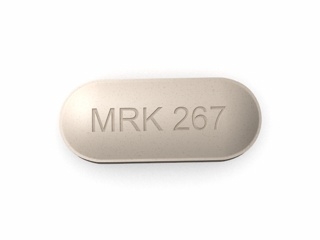

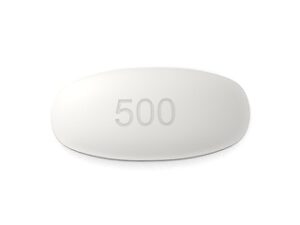
Maxalt (Rizatriptan) – Patient Information (UK)
Maxalt is a prescription medicine used to treat migraine attacks. It contains the active ingredient rizatriptan. This patient-friendly guide explains how Maxalt works, when to take it, common precautions, possible side effects, and practical tips for safe and effective use in the United Kingdom.
Important: This information is for general guidance. Your clinician and the medicine leaflet provided with Maxalt contain personalised advice for you. If you are unsure whether Maxalt is suitable, speak to a healthcare professional.
1. Basic product information
- Brand name: Maxalt
- Active ingredient: Rizatriptan
- Common forms (UK): Tablets and sometimes melt/wafer presentations depending on product availability
- Medicine class: Triptan (a “migraine-specific” acute treatment)
Maxalt is designed to relieve the pain of a migraine attack and help with associated symptoms such as nausea and sensitivity to light and sound. It is taken during an attack, not as a daily preventive treatment.
2. What is a migraine?
Migraine is a neurological condition that can cause moderate to severe headache, often accompanied by:
- Nausea and/or vomiting
- Light sensitivity (photophobia)
- Sound sensitivity (phonophobia)
- Sometimes, aura (temporary visual or sensory symptoms)
Many people find that migraine attacks come in predictable patterns, but triggers and responses can vary. Acute medicines like Maxalt aim to stop an attack once it starts.
3. Mechanism of action (how Maxalt works)
Rizatriptan is a member of the triptan family. It works by targeting serotonin (5-HT) receptors, especially the 5-HT1B and 5-HT1D subtypes.
During a migraine attack, certain pathways in the brain and blood vessels become overactive. Maxalt helps by:
- Vasoconstriction of dilated cranial blood vessels (narrowing blood vessels that may be involved in migraine)
- Reducing release of migraine-related neuropeptides involved in pain signalling
- Modulating pain transmission in the brainstem and related pathways
As a result, the headache and other symptoms may improve. Maxalt is most effective when taken early in the attack, but it can still be useful later.
4. Pharmacokinetics (how the body handles Maxalt)
“Pharmacokinetics” describes what happens to the medicine in the body—absorption, distribution, metabolism, and elimination.
- Absorption: Rizatriptan is absorbed after oral administration. Peak levels in blood generally occur within about 1–2 hours for tablets, though this may vary.
- Onset of effect: Many people feel improvement within 1–2 hours. Some effects may begin sooner.
- Metabolism: Mainly metabolised by monoamine oxidase-A (MAO-A) (an enzyme in the body).
- Elimination: Rizatriptan and its metabolites are eliminated primarily through the kidneys (urine), with some contribution from the liver and bile depending on metabolism.
- Half-life: The effective half-life is typically around 2–3 hours (short enough to require careful dosing during an attack).
Because metabolism involves MAO-A, certain drugs can significantly change how quickly rizatriptan is broken down, which may affect safety. This is why drug interactions matter.
5. Typical use in the UK
Maxalt is used for the acute treatment of migraine attacks. It is intended for:
- Adults (and in some situations adolescents may be considered by a clinician depending on local guidance and formulation)
- One-off treatment of individual attacks
Maxalt is not usually used to prevent migraine from occurring. If you have frequent attacks, you may need a preventive plan (for example, lifestyle strategies or preventive medicines) discussed with your healthcare professional.
6. Indications (what Maxalt is meant to treat)
In the UK, rizatriptan-containing medicines such as Maxalt are indicated for:
- Acute treatment of migraine attacks, with or without aura
Not for:
- Cardiac or vascular conditions unrelated to migraine
- Long-term prevention of migraine attacks (unless specifically directed otherwise)
7. Timing: when to take Maxalt
For best results, take Maxalt as early as possible after your migraine begins. You may take it once you have recognisable migraine symptoms—either:
- When headache starts, or
- During the migraine phase even if you experience aura first (follow your clinician’s advice and the product leaflet guidance).
Practical tips for timing:
- If you routinely become nauseated during attacks, consider taking Maxalt when you can keep a dose down, or discuss options for nausea with your pharmacist/doctor.
- Don’t “wait too long” hoping the attack will settle—triptans often work better earlier.
- If your migraine improves but returns, you may be able to repeat a dose within the allowed daily limits (see dosing section below).
8. Dosing (typical adult regimen)
Doses can vary based on your individual health, age, formulation, and potential drug interactions.
Typical adult dose (commonly used):
- Starting dose: 5 mg or 10 mg by mouth at the start of a migraine attack (strength depends on product and your clinician’s plan)
- Second dose (if needed): In some cases, a repeat dose may be taken for the same attack if symptoms come back
- Maximum per 24 hours: Follow the product leaflet/your clinician’s instructions for the exact limit. Common limits for rizatriptan are based on strength and interaction risks.
Important dose-reduction scenarios:
- Kidney or liver impairment: You may need a lower dose and/or a longer interval between doses.
- Drug interactions (especially MAO-A related): Certain medicines can require dose adjustments or avoidance.
Always check your specific Maxalt leaflet for the precise number of tablets per day and intervals, as these can vary by strength and UK product presentation.
9. Food interactions
Food does not usually have a major effect on whether rizatriptan works, but it may influence how quickly it begins to act.
- Take with or without food: You can generally take Maxalt with water regardless of meals.
- If your migraine includes nausea: Taking it with a small amount of food may help some people tolerate it better.
- Speed matters: If you want the medicine to act quickly, taking it on an empty stomach may be preferable for some individuals, but tolerance and nausea should guide your choice.
If you notice consistent differences in effectiveness related to meals, tell your pharmacist or clinician.
10. Alcohol and medicine interactions
Alcohol: There is no single universal rule that alcohol directly “breaks” rizatriptan, but alcohol can be a migraine trigger and can worsen dehydration or sleep quality—factors that can increase the likelihood of attacks.
- If alcohol triggers your migraines, avoid or limit alcohol, particularly during times when you are prone to migraine.
- If you drink alcohol during or around an attack, you may notice reduced effectiveness or more severe symptoms.
Medicine interactions (high priority): Always tell a healthcare professional about all medicines you take, including over-the-counter products and herbal supplements.
Key interaction categories for rizatriptan:
- MAO-A inhibitors (commonly some antidepressants): may significantly increase rizatriptan exposure. These may be contraindicated or require avoidance.
- Other triptans or ergot derivatives: using these close together can increase risk of excessive blood vessel effects.
- Serotonergic medicines (some antidepressants and other drugs that increase serotonin): increases theoretical risk of serotonin-related side effects, particularly if multiple serotonergic agents are combined.
- Cardiovascular medicines and conditions: rizatriptan may not be suitable if you have certain heart or circulation problems.
Do not start or stop medicines without checking with your pharmacist or doctor, especially for:
- Antidepressants
- Antifungal medicines
- Antibiotics
- Herbal supplements such as St John’s wort
11. Safety profile (what to know before you use Maxalt)
Like all medicines, Maxalt can cause side effects. Many are mild and pass quickly, but some symptoms may require urgent medical attention.
Common side effects
- Headache or dizziness (sometimes difficult to distinguish from migraine)
- Sleepiness or fatigue
- Warmth, flushing, or a tingling feeling
- Feeling weak
- Nausea
- Dry mouth
Less common but important effects
- Chest, throat, neck, or jaw tightness/pressure (sometimes described as heaviness). This can be alarming.
- Shortness of breath or unusual sweating
- Palpitations or irregular heartbeat
Seek urgent medical help if you experience chest pain or signs of a serious allergic reaction (for example, swelling of face/lips, difficulty breathing, or severe rash).
Who should take extra care or avoid Maxalt
Maxalt may not be suitable if you have certain medical conditions. This may include:
- Ischaemic heart disease or previous heart attack
- Stroke or transient ischaemic attack (TIA) history
- Uncontrolled high blood pressure
- Peripheral vascular disease (poor circulation in limbs)
- Certain risk factors requiring careful evaluation (your clinician will advise)
Tell your healthcare professional if you have:
- Any known heart or circulation problems
- High cardiovascular risk (for example, diabetes, smoking, strong family history)
- Significant liver or kidney impairment
- Pregnancy or breastfeeding (discuss personalised guidance)
Medication overuse headache
Using acute migraine medicines too frequently can cause medication overuse headache (rebound headache).
- Take Maxalt only when you need it for an attack.
- If you require acute treatment frequently (for example, many days per month), ask your healthcare professional about prevention strategies.
12. Practical use tips (getting the best results)
- Have a plan: Keep your Maxalt where you can access it quickly during an attack.
- Stay hydrated: Small sips of water can help, especially if you feel nauseated.
- Reduce light and noise: Resting in a dark, quiet room may improve outcomes.
- Track your attacks: Notes on timing, triggers, and response can help your clinician fine-tune your regimen.
- Know your limits: Don’t exceed the maximum number of doses in 24 hours. This helps reduce risk and rebound.
- If it doesn’t work: Some attacks won’t respond. If Maxalt repeatedly fails, discuss alternatives or preventive therapy with a healthcare professional.
13. Alternative options for migraine attacks (UK overview)
Depending on your symptoms, medical history, and previous response, there are several approaches to acute migraine treatment.
Other acute treatments
- Other triptans (different active ingredients or formulations)
- Non-steroidal anti-inflammatory drugs (NSAIDs) such as ibuprofen/naproxen (often used for mild to moderate attacks)
- Anti-nausea medicines (help if nausea/vomiting limits tablet use)
- Newer migraine-specific options such as CGRP-targeted medicines (available depending on local availability and approvals)
Preventive strategies (if attacks are frequent)
- Preventive medicines (discuss with a clinician)
- Lifestyle measures (regular sleep, hydration, meal timing, trigger management)
- Behavioural therapies where appropriate
- Neuromodulation devices in selected cases
Your best “alternative” depends on your pattern of migraine, associated symptoms, and medical background. A pharmacist can help you understand suitable options and avoid unsafe combinations.
14. Market and legal context in the United Kingdom
In the UK, medicines like Maxalt (rizatriptan) are regulated under the Medicines and Healthcare products Regulatory Agency (MHRA) and are required to comply with UK safety, quality, and manufacturing standards. Product leaflets and patient information must be approved and updated as new evidence becomes available.
Online pharmacies in the UK typically provide clear information on:
- The active ingredient and strength
- How and when to take the medicine
- Key safety warnings and interaction advice
- What to do if side effects occur
Recent guidance and updates: Migraine management evolves as new evidence and medicines become available. UK clinical practice commonly emphasises:
- Early use of acute treatment during an attack
- Minimising medication overuse
- Considering preventive therapy when attacks are frequent or disabling
- Careful review of cardiovascular risk factors before triptans are used
For the latest NHS or guideline information, consult the most current local advice and discuss personalised care with a clinician.
15. Delivery and availability (online pharmacy guidance)
Availability can vary by strength and pack size. Many UK online pharmacies offer home delivery options, often with:
- Standard delivery and sometimes express options
- Tracking and confirmation emails
- Customer support for delivery queries
When ordering, ensure you choose the correct strength and formulation (for example, tablet type) as recommended. Store medicines safely, following the packet instructions, and keep them out of reach of children.
If you require a specific formulation (such as a particular strength or a wafer/melt version), check current stock before placing an order.
16. Frequently Asked Questions (FAQ)
Can I take Maxalt for migraines with aura?
Yes. Maxalt is used for migraine attacks with or without aura. Many people take it as symptoms start. If you experience aura, discuss with your clinician whether you should take Maxalt when aura begins or when headache starts.
How quickly does Maxalt work?
Many people notice improvement within 1–2 hours. If you don’t get relief, it may be due to how early the medicine was taken, the severity of the attack, or individual response. If Maxalt repeatedly fails, seek advice on alternative treatments or preventive options.
What if my migraine comes back after Maxalt?
It can happen for some people that symptoms improve and then return. You may be able to take a second dose for the same attack, but you must follow the maximum dosing limits stated in the leaflet and by your healthcare professional.
Can I take Maxalt with paracetamol or ibuprofen?
Often, clinicians recommend combining or alternating acute treatments in some situations. However, whether it’s suitable for you depends on your health and other medicines. Ask your pharmacist for advice to avoid unsafe combinations and to stay within daily limits.
How many doses can I take in 24 hours?
The exact maximum number of doses depends on the strength of Maxalt and your individual situation (including potential interactions and kidney/liver function). Check the product leaflet provided with your specific Maxalt pack for the precise maximum dosing and intervals.
Do I need to avoid certain medicines?
Yes. Particularly important are drugs that affect the serotonin system, MAO-A inhibitors, and other triptans or ergot-like medicines. Always review your medicine list with a pharmacist or clinician.
Is it safe to drink alcohol while using Maxalt?
There’s no single interaction that applies to all people, but alcohol can trigger migraines and worsen symptoms. If alcohol affects your migraines, limit it—especially during attack periods.
What side effects should make me stop and seek help?
Stop using Maxalt and seek urgent medical help if you experience signs of a serious allergic reaction (swelling, difficulty breathing, severe rash) or severe chest pain/pressure, unusual shortness of breath, or symptoms that worry you.
Can Maxalt be used every day?
No. Maxalt is an acute treatment and should not be used routinely every day. Frequent use can lead to medication overuse headache and can cause other risks. If you need frequent treatment, discuss a preventive strategy.
How should I store Maxalt?
Store at room temperature according to the pack instructions, keep it in its original packaging, and protect it from moisture and heat. Keep out of reach of children.
17. Summary
Maxalt (rizatriptan) is a migraine-specific triptan used to treat acute migraine attacks in the UK. It works by targeting serotonin receptors to reduce migraine pain pathways. Maxalt is typically most helpful when taken early in an attack, with onset often within 1–2 hours. As with all triptans, safety considerations—including cardiovascular risk, interactions (notably with MAO-A inhibitors and other serotonergic or migraine-specific medicines), and avoidance of medication overuse—are important.
If you’re planning to use Maxalt, review your current medicines and health history with a healthcare professional or pharmacist, and follow the dosing guidance in your product leaflet.
| Topic | Key points for patients |
|---|---|
| Medicine | Maxalt (rizatriptan) – triptan for acute migraine treatment |
| When to take | As early as possible after migraine symptoms begin |
| How it works | 5-HT1B/5-HT1D receptor action to reduce migraine pain pathways |
| Onset | Often improves within about 1–2 hours |
| Food | Usually can be taken with or without food; nausea and speed may guide timing |
| Alcohol | May trigger migraines; best to limit if it affects your attacks |
| Major interactions | MAO-A inhibitors, other triptans/ergot medicines, and some serotonergic medicines |
| Safety | Be alert for chest/throat tightness and signs of serious allergy; avoid overuse |