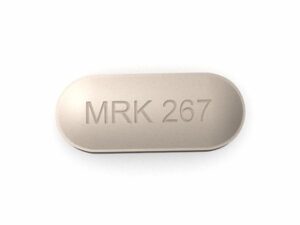
Naprelan (Naproxen) – Patient Guide (UK)
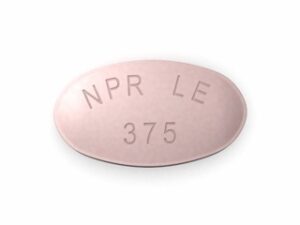
Naprelan is a brand of naproxen, an anti-inflammatory medicine used to relieve pain and inflammation. In the UK, Naprelan is typically supplied as a prolonged-release (once-daily) formulation, designed to release naproxen slowly over time.
This guide explains how Naprelan works, how it’s usually taken, key safety considerations, interactions (including food, alcohol, and other medicines), practical tips, and options you can discuss with a pharmacist or clinician.
Quick Overview
- Active ingredient: Naproxen
- Type: Non-steroidal anti-inflammatory drug (NSAID)
- Common formulation: Prolonged-release (often taken once daily)
- Used for: Pain and inflammation in conditions such as arthritis, musculoskeletal pain, and some tendon/soft-tissue problems
- Key warnings: Can increase risk of stomach irritation/ulcers and cardiovascular events; not suitable for everyone
How Naprelan Works (Mechanism of Action)
Naproxen belongs to the NSAID family. It works by reducing the production of certain chemicals in the body called prostaglandins, which are involved in:
- Inflammation (swelling and tissue irritation)
- Pain signalling
- Fever (in some cases)
NSAIDs act by inhibiting enzymes called cyclo-oxygenase (COX-1 and COX-2). This lowers prostaglandin levels and helps relieve pain and reduce inflammation.
Important: By decreasing prostaglandins, NSAIDs can also reduce protective stomach lining mucus and influence kidney blood flow—this is why side effects can occur in some people.
Pharmacokinetics (How Your Body Handles Naprelan)
“Pharmacokinetics” describes how a medicine is absorbed, distributed, metabolised, and eliminated.
- Absorption: Naproxen is absorbed from the gut after taking Naprelan. Because it is a prolonged-release formulation, absorption is slower than immediate-release naproxen.
- Onset of effect: Pain relief may begin within a few hours, with more sustained relief as the medicine continues to release naproxen.
- Peak levels: Peak plasma levels generally occur later than with immediate-release formulations.
- Protein binding: Naproxen binds strongly to blood proteins (particularly albumin).
- Metabolism: It is mainly metabolised in the liver.
- Elimination: Naproxen metabolites are excreted primarily by the kidneys.
- Half-life: Naproxen has a relatively long half-life, supporting once-daily dosing for prolonged-release forms.
Kidney and liver considerations: Because naproxen is processed by the liver and excreted via kidneys, dosage and suitability can depend on kidney/liver function—especially in older adults or those with chronic kidney disease.
What Naprelan Is Typically Used For
Naproxen is used to relieve pain and inflammation related to conditions such as:
- Rheumatoid arthritis and other inflammatory arthritis conditions
- Osteoarthritis
- Ankylosing spondylitis (pain and stiffness in the spine)
- Musculoskeletal pain including back pain, sprains, and strains
- Tendon and soft-tissue inflammation (e.g., tendinitis or bursitis, depending on clinical assessment)
- Dental pain and other short-term pain problems (as advised by a clinician/pharmacist)
For long-term conditions like arthritis, prolonged-release naproxen can help maintain pain control across the day.
Indications and When to Consider NSAID Treatment
Naproxen may be considered when pain/inflammation is likely to be mediated by prostaglandins and when an NSAID is appropriate. In the UK, healthcare professionals often weigh NSAIDs against:
- Risk of stomach irritation/ulceration
- Risk of bleeding (especially if taking anticoagulants or antiplatelets)
- Risk to kidney function
- Cardiovascular risk
- Alternative options such as paracetamol, topical NSAIDs, physiotherapy, or non-drug measures
Not for everyone: Some people should avoid naproxen entirely (for example, those with certain NSAID sensitivities, active stomach ulcers, or significant heart/kidney disease). Always check suitability with the product information and seek advice when needed.
How to Take Naprelan: Timing, Dosing, and Duration
Always follow the instructions on the pack (and the advice of a healthcare professional if you have one). Because Naprelan is prolonged-release, it is taken differently from immediate-release tablets.
Typical dosing (general information)
Common dosing approaches for prolonged-release naproxen products in adults may include:
- Once daily dosing for ongoing pain/inflammation in certain conditions
- Alternatively, some regimens may involve split dosing depending on the strength and clinical need
Note: Doses can vary by condition, age, and risk factors. Do not exceed the maximum dose stated on your specific Naprelan pack.
How to take it
- Swallow whole (do not crush or chew prolonged-release tablets).
- Take with water.
- Try to take at the same time each day if you’re on a once-daily regimen.
When does it work?
For many people, pain relief begins within a few hours. Because it’s prolonged-release, the effect may feel more steady across the day than immediate-release products.
How long should you take it?
- Short-term pain: Use the lowest effective dose for the shortest possible time.
- Long-term conditions: Clinicians may prescribe NSAIDs as part of ongoing management. If symptoms persist, regular review is important.
- If you feel no benefit: If you notice little improvement after an appropriate trial, speak to a pharmacist or clinician rather than increasing dose yourself.
Taking Naprelan with Food: Food and Absorption Interactions
Food can affect stomach comfort and may influence the tolerability of NSAIDs.
- Taking with food (or at least with a meal) often helps reduce the risk of indigestion, nausea, or stomach pain.
- If your stomach is sensitive, consider taking Naprelan with meals, unless your product instructions say otherwise.
Avoid taking it on an empty stomach if you have a history of gastric irritation or ulcers, unless a healthcare professional has advised otherwise.
Alcohol and Naprelan: Key Considerations
Alcohol can increase the risk of stomach bleeding and irritation when combined with NSAIDs.
- Limit or avoid alcohol while taking Naprelan, especially if you drink heavily.
- If you do drink, keep it moderate and take the NSAID with food.
Seek urgent help if you experience signs of bleeding (such as vomiting blood, black tarry stools, or severe stomach pain).
Medicine Interactions (Common and Important)
Naproxen can interact with many medicines. Below are common interaction categories you should be aware of. This is not exhaustive—always check the product information and ask a pharmacist if you are unsure.
1) Other NSAIDs and salicylates
- Avoid taking Naprelan with another NSAID (e.g., ibuprofen, diclofenac) or high-dose aspirin.
- Using multiple NSAIDs together increases risk of stomach bleeding and kidney issues.
2) Anticoagulants and antiplatelets (blood thinners)
- Examples include warfarin, apixaban, rivaroxaban, dabigatran, and antiplatelet medicines like clopidogrel or low-dose aspirin.
- Combination can increase bleeding risk.
3) Corticosteroids
- Medicines such as prednisolone may increase risk of gastrointestinal side effects.
4) Lithium
- Naproxen can raise lithium levels, potentially leading to toxicity.
5) Methotrexate
- NSAIDs can increase methotrexate levels and risk side effects, particularly at higher methotrexate doses.
6) Blood pressure medicines
- NSAIDs may reduce the effect of ACE inhibitors and angiotensin receptor blockers (ARBs), and can increase risk of kidney strain when combined with certain diuretics.
- Examples include lisinopril, ramipril (ACE inhibitors) and losartan, candesartan (ARBs).
7) Diuretics (“water tablets”)
- Combining NSAIDs with diuretics can increase kidney-related side effects in susceptible individuals.
8) SSRIs/SNRIs (antidepressants)
- Some antidepressants can increase bleeding risk when combined with NSAIDs, due to effects on platelet function.
9) Diabetes medicines
- NSAIDs can sometimes affect glucose control or interact with certain regimens. Monitor as advised.
10) Digoxin
- NSAIDs may affect digoxin levels in some cases.
Practical tip: Before starting Naprelan, make sure your pharmacist knows all medicines you take, including “over-the-counter” items such as cold remedies and herbal products. Some cold medicines contain NSAIDs or aspirin.
Safety Profile: Who Should Use Caution?
Like all NSAIDs, Naprelan can cause side effects. Most people tolerate NSAIDs reasonably well when taken correctly, but risks vary depending on personal health factors.
Common side effects
- Indigestion, heartburn
- Nausea or stomach discomfort
- Mild headache or dizziness
- Fluid retention (swelling in some people)
Serious side effects (seek urgent help)
Stop the medicine and seek urgent medical advice if you develop:
- Signs of stomach bleeding: vomiting blood, black/tarry stools, or severe persistent stomach pain
- Allergic reaction: swelling of the face/lips, wheezing, severe rash, or difficulty breathing
- Chest pain, shortness of breath, sudden weakness/numbness, or trouble speaking (possible cardiovascular event)
- Reduced urination, severe swelling, or unexpected breathlessness (possible kidney or fluid problems)
Higher risk groups
Your risk of side effects is higher if you:
- Have a history of stomach ulcers or gastrointestinal bleeding
- Are aged 65+
- Take blood thinners, steroids, or multiple medicines affecting the stomach/bleeding
- Have kidney disease or reduced kidney function
- Have heart disease, uncontrolled blood pressure, or risk factors for cardiovascular disease
- Use high NSAID doses or take NSAIDs for long periods
NSAID and asthma sensitivity
Some people experience bronchospasm or worsening asthma with NSAIDs. If you’ve ever reacted to aspirin/ibuprofen/other NSAIDs, speak to a pharmacist before taking Naprelan.
Practical Use Tips (Get the Best Benefit, Reduce Risks)
- Use the lowest effective dose for the shortest time needed.
- Take with food to support stomach comfort.
- Stay hydrated, especially if you’re elderly or take diuretics.
- Avoid “double dosing”: check labels to ensure you are not inadvertently taking another NSAID or aspirin.
- Monitor symptoms: if pain improves, consider whether you still need ongoing treatment.
- Keep follow-up if using for arthritis or chronic pain—regular review helps balance benefits and risks.
- Consider non-drug measures: heat/cold therapy, gentle activity, physiotherapy, and stretching can reduce reliance on pain medicines.
Alternative Options (Discuss With a Pharmacist or Clinician)
If Naprelan isn’t suitable or doesn’t control symptoms well, alternatives may include:
Other pain relief medicines
- Paracetamol (acetaminophen): useful for pain and often easier on the stomach, though it doesn’t reduce inflammation in the same way as NSAIDs.
- Topical NSAIDs (e.g., gels/creams): helpful for some joint and muscle pains with lower systemic exposure.
- Different NSAIDs: some people tolerate one NSAID better than another, though risks remain within the NSAID class.
Non-drug approaches
- Physiotherapy and targeted exercise programmes
- Weight management (where relevant)
- Supportive devices (e.g., braces, orthotics)
- Cold/heat application for short-term pain
- Mind-body strategies such as pacing and graded activity
For inflammatory conditions: clinicians may also consider disease-modifying strategies or other anti-inflammatory treatments depending on the underlying diagnosis.
United Kingdom Market & Legal/Health Context
In the UK, NSAIDs are widely used for pain and inflammation. Safety guidance and prescribing practices are influenced by:
- MHRA (Medicines and Healthcare products Regulatory Agency) product information, safety updates, and risk management
- National Institute for Health and Care Excellence (NICE) recommendations for musculoskeletal pain and arthritis management (where relevant)
- Joint guidance encouraging appropriate use, careful screening for risk factors, and review for longer-term treatment
Recent safety emphasis: UK and international safety communications continue to highlight increased risks (particularly gastrointestinal bleeding and cardiovascular events) with higher doses and prolonged use. Clinicians are encouraged to use the lowest effective dose and consider gastroprotection in people at higher GI risk.
Gastroprotection: Some patients at increased risk may be advised to use a stomach-protecting medicine (such as a proton pump inhibitor) alongside an NSAID. This is individual and depends on risk factors.
Delivery and Availability (UK)
Naprelan availability depends on the current supply in the UK and the specific strengths/formats offered. Online pharmacies typically provide delivery within standard UK timeframes.
- Stock status: may vary by strength and formulation; out-of-stock items can sometimes be replaced by an equivalent strength/formulation if permitted.
- Packaging: medicines are supplied in manufacturer packaging, with patient information leaflets where required.
- Delivery times: vary by courier and location; check the store’s delivery policy at checkout.
Cold-weather storage: Store at room temperature as directed on the pack. Keep out of reach of children.
FAQ: Naprelan (Naproxen)
1) Is Naprelan the same as naproxen tablets?
Naprelan is a brand of naproxen. The Naprelan product typically refers to a prolonged-release formulation, which should be taken according to its specific instructions (often once daily).
2) How fast does it start working?
Some pain relief may begin within a few hours. Because Naprelan is prolonged-release, it is designed to provide steadier relief across the day.
3) Can I take Naprelan with food?
Yes—taking with food may improve stomach comfort and reduce indigestion. Avoid taking it on an empty stomach if you have had stomach side effects with NSAIDs.
4) Can I drink alcohol while taking Naprelan?
It’s generally best to limit or avoid alcohol while taking Naprelan, because alcohol can increase the risk of stomach irritation and bleeding.
5) What should I avoid taking with Naprelan?
Avoid combining Naprelan with:
- Other NSAIDs (e.g., ibuprofen, diclofenac)
- High-dose aspirin
- Unnecessary blood-thinning medicines unless advised
Check labels of cold/flu products and discuss with a pharmacist if you’re unsure.
6) What if I miss a dose?
If you miss a dose, take it when you remember unless it is close to the time for your next dose. Do not take a double dose. Follow your pack instructions or ask a pharmacist.
7) Who should be extra cautious with Naprelan?
Take extra care if you have a history of ulcers/bleeding, kidney disease, heart disease, asthma triggered by NSAIDs, or if you’re older or on medicines that increase bleeding risk.
8) Are there any warning signs I should watch for?
Seek urgent help if you have symptoms such as black/tarry stools, vomiting blood, severe allergic reactions, chest pain, sudden breathlessness, or signs of kidney problems.
9) Can Naprelan be used for long-term arthritis pain?
Sometimes, yes. However, long-term NSAID use requires periodic review to ensure the dose remains appropriate and risks are managed. Discuss ongoing need with a pharmacist or clinician.
10) What are safer alternatives for stomach-sensitive patients?
Options may include paracetamol, topical NSAIDs, or use of a stomach-protecting strategy if an oral NSAID is necessary—this is individual and should be discussed with a healthcare professional.
Summary
Naprelan (naproxen prolonged-release) is an NSAID used to relieve pain and inflammation, particularly in conditions like arthritis and various musculoskeletal problems. It works by reducing prostaglandins, which helps with pain and swelling—but also contributes to potential gastrointestinal, kidney, and cardiovascular risks.
For best results and safety, take it as directed, consider taking with food, avoid unnecessary interacting medicines, limit alcohol, and seek advice if you have a history of ulcers, kidney disease, heart problems, or NSAID sensitivity.
Always read the patient information leaflet provided with your medicine and check with a qualified healthcare professional if you have any questions about suitability or interactions.