
Panadol (Paracetamol) – Patient Information (UK)
Panadol is a brand of paracetamol (also known as acetaminophen). It is a well-known pain reliever and fever reducer used widely across the United Kingdom. This guide explains how Panadol works, when and how to use it, important safety information, and what to consider with other medicines and alcohol.
| Product name | Panadol (Paracetamol) |
|---|---|
| Active ingredient | Paracetamol |
| What it helps with | Pain relief and fever reduction |
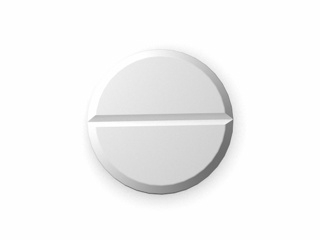
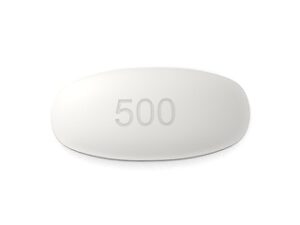
| Common forms (varies by pack) | Tablets, caplets, effervescent tablets, liquid (children’s forms exist) |
| Availability | Generally available from pharmacies and retailers as an over-the-counter medicine in the UK |
| Typical maximum daily dose (adult) | See dosing section for pack-specific guidance; never exceed the label maximum |
About Panadol and what it’s used for
Panadol is used to treat common, temporary symptoms such as:
- Headaches and migraine pain (where appropriate)
- Teeth pain and minor dental discomfort
- Back pain and aches
- Muscle pain and sprains (symptom relief)
- Cold and flu symptoms, including fever
- Period pain (temporary relief)
- Fever and general aches in adults and children (using age-appropriate formulations)
- Sore throat pain (symptom relief)
Panadol helps you feel better by reducing pain and lowering fever. It does not cure the underlying cause of an infection or injury, but it can make symptoms more manageable while you rest and recover.
How Panadol works (mechanism of action)
Paracetamol works mainly by:
- Reducing pain signals in the brain and nervous system.
- Lowering fever by acting on heat-regulating centres in the brain.
Unlike some other painkillers, paracetamol does not significantly reduce inflammation. This is why it may feel less effective than anti-inflammatory medicines (such as ibuprofen) for conditions where inflammation is a major feature.
Pharmacokinetics (how the body handles paracetamol)
Understanding pharmacokinetics can help explain timing and why taking too much can be harmful.
- Absorption: Paracetamol is absorbed from the stomach and small intestine. Absorption may be slightly delayed by very full meals, but the overall effect is usually modest.
- Distribution: It distributes throughout the body fluids. It can cross into relevant body compartments where pain and fever pathways are affected.
- Metabolism: The majority is processed in the liver through normal metabolic pathways.
- Elimination: It is eliminated mainly through the kidneys in urine as metabolites.
- Key safety point: At higher doses, the body’s handling capacity can be exceeded, leading to formation of a harmful metabolite that can cause liver damage.
Important: Always follow the maximum dose on your pack and avoid combining products that also contain paracetamol.
Typical timing and when to take Panadol
Panadol is generally used when needed for symptoms. Many people take it at the first sign of pain or fever, then repeat doses according to the schedule on the pack.
Common timing guidance (adults, general):
- Doses are usually spaced at least 4 to 6 hours apart depending on the product and label instructions.
- Do not exceed the daily maximum stated on the pack.
Tip: If symptoms persist for more than a few days, consult a healthcare professional or pharmacist. Ongoing pain or fever may need assessment.
Can you take Panadol with food?
Panadol can generally be taken with or without food.
- If taken with food: Onset may be slightly slower for some people, particularly after large, fatty meals.
- If taken on an empty stomach: Some people notice an earlier effect.
Because everyone’s digestion differs, it can help to take it consistently in the same way (e.g., with food if it suits your stomach) and focus on correct spacing and total daily dose.
Alcohol interactions and safety
Alcohol and paracetamol both involve the liver. Combining them increases the risk of liver stress.
- Occasional drinking: Many people can take paracetamol occasionally as directed and still drink modest amounts; however, caution is advised.
- Regular heavy drinking: Avoid using paracetamol without medical advice, as the risk of liver injury is higher.
- Do not exceed the recommended dose if you have consumed alcohol.
Safety warning: If you have liver disease, consume significant alcohol, or are taking other medicines that affect the liver, speak to a pharmacist for personalised advice.
Interactions with other medicines
Paracetamol can interact with certain medicines, mainly through effects on the liver or by changing how paracetamol is processed.
Common interaction considerations
- Other products containing paracetamol: This is the most important interaction. Many cold and flu remedies also include paracetamol. Double-dosing is a frequent cause of accidental overdose.
- Warfarin (and other coumarin anticoagulants): Occasional use is often possible, but regular dosing may increase bleeding risk. Extra monitoring may be needed if you use paracetamol regularly.
- Medicines that affect the liver: Some medicines may increase or decrease paracetamol metabolism. Examples include certain anti-epileptics (for example, carbamazepine or phenytoin) and the anti-tuberculosis medicine rifampicin.
- Probenecid: May affect paracetamol clearance and increase its levels.
Practical “check before you combine” rule
- Look at the label of any other medicine you take (especially cough/cold products, flu sachets, and multi-symptom tablets).
- Confirm whether paracetamol is listed under “active ingredient”.
- Keep a note of the total amount of paracetamol you’ve taken over 24 hours.
Indications (when Panadol is appropriate)
Panadol is indicated for the temporary relief of:
- Pain (e.g., headaches, toothache, period pain, muscle aches)
- Fever and flu-like symptoms
It is generally suitable for many people, but certain groups need extra caution (see Safety Profile).
Dosing – important guidance for safe use
Always follow the dosing instructions on your specific Panadol pack. Formulations vary (tablets vs liquid, adult vs children), and the maximum daily dose depends on age and strength.
Adults and children (general principles)
- Adults: Usually take a dose with a schedule that maintains an interval of at least 4 to 6 hours between doses.
- Children: Use children’s paracetamol formulations and a doctor/pharmacist-approved dose based on the child’s age and weight.
Maximum dose (do not exceed)
The safe upper limit depends on age and the product. As a general rule used in UK practice, many adult packs advise not exceeding 4,000 mg (4 g) per 24 hours. However, some packs may list lower maximums. Check your label and never exceed it.
If you miss a dose
- Take the next dose when you need it, provided you can maintain the correct spacing.
- Do not take extra to make up for a missed dose.
How to take Panadol effectively
- Swallow tablets with water.
- For effervescent products, dissolve fully before drinking as directed.
- Measure liquid doses accurately using an appropriate dosing syringe/cup.
- Keep track of the last dose time to prevent accidental overuse.
Safety profile – key warnings and who should be careful
Paracetamol is generally safe when used correctly. The main risk is accidental overdose, which can cause serious and potentially irreversible liver damage.
When to be extra cautious
- Liver disease or reduced liver function
- Regular heavy alcohol consumption
- Low body weight or frailty (may require tailored advice)
- Use of other medicines that may affect the liver
Do not use without advice if
- You are already taking other medicines that contain paracetamol.
- You have severe liver impairment.
- Your pharmacist or clinician has previously advised you to limit paracetamol.
Potential side effects
Most people tolerate paracetamol well. Possible side effects include:
- Skin reactions (e.g., rash or itching) – seek advice promptly if this occurs
- Nausea or mild stomach upset (less common)
Severe allergic reactions are rare. If you develop swelling of the face/lips, difficulty breathing, or widespread rash, seek urgent medical attention.
Overdose – what to do
If you believe you have taken more than the recommended dose (even if you feel okay), seek urgent medical advice immediately. Early treatment can be crucial for preventing liver injury.
Practical tips for using Panadol at home
- Read the label every time: Different products may contain different strengths.
- Set reminders: If you’re dosing several times a day, remember spacing is essential.
- Keep a medication list: This helps avoid double-dosing with combination cold/flu products.
- Use the lowest effective dose: Aim to relieve symptoms while minimising intake.
- Hydrate and rest: For colds/flu, paracetamol works best alongside fluids, rest, and appropriate self-care.
- Consider non-medicine options: Warm fluids, saline gargles for sore throat, gentle stretching for muscle ache, and rest can improve comfort.
Alternative options (UK)
If you need relief, there are other options depending on your symptoms and personal suitability.
Other pain and fever medicines
- Ibuprofen (an anti-inflammatory option): often considered when inflammation is part of the problem. It may not be suitable for everyone (for example, certain stomach ulcers, kidney disease, or some asthma patients).
- Co-codamol or codeine-containing products: These may be appropriate for more severe pain under professional guidance. They can cause drowsiness and carry addiction risk; they are not suitable for everyone.
Non-medicine approaches
- For fever: Light clothing, adequate fluids, and comfortable room temperature.
- For headaches: Hydration, rest in a dark room, and reducing screen strain.
- For toothache: Warm salt-water rinse and contacting a dentist if symptoms persist.
- For sore throat: Warm drinks, honey (for adults and children over 1 year), and soothing lozenges.
If symptoms are severe, unusual, or last more than a few days, it’s wise to speak to a pharmacist or GP for tailored advice.
United Kingdom market and legal context
In the UK, paracetamol-containing products are widely available as over-the-counter (OTC) medicines in many pack sizes and formulations. Like all medicines sold in the UK, they are subject to strict regulatory requirements governing:
- Packaging and labelling (including strength, dosing instructions, and warnings)
- Safety information displayed clearly for patients
- Quality and manufacturing standards
Panadol is a recognised brand; however, there are also many generic paracetamol products. The active ingredient is the same, but the dose strength, formulation type, and exact dosing intervals may differ by pack.
Recent guidance and public health advice (UK)
UK medicine safety guidance consistently emphasises the following:
- Avoiding accidental overdose by checking for paracetamol in multi-symptom cold/flu products.
- Following the maximum daily dose and keeping adequate intervals between doses.
- Seeking medical advice if fever or pain persists, or if symptoms suggest a more serious condition.
- Extra caution for children, using age-appropriate products and doses based on weight/age.
If you are unsure which product or strength is suitable for you or your child, ask a pharmacist—this is especially important for children’s dosing.
Delivery, availability, and what to expect from an online pharmacy
Panadol and other paracetamol products are commonly stocked for home delivery across the UK. Availability may vary by formulation (tablets, effervescent tablets, liquid, and children’s versions).
- Typical availability: High—paracetamol is widely manufactured and distributed.
- Delivery time: Depends on the online pharmacy’s service level and your location in the UK.
- Product packaging: Medicines usually arrive in original manufacturer packaging with full patient information.
Tip: When ordering, double-check the strength and whether it is an adult or children’s formulation. This helps ensure you select the correct dosing instructions.
FAQ – Panadol (Paracetamol) for customers in the UK
1) Is Panadol the same as paracetamol?
Yes. Panadol is a brand name that contains paracetamol as the active ingredient. Different Panadol products may vary in strength and formulation.
2) How quickly does Panadol work?
Many people start to feel relief within about 30 minutes to 2 hours, depending on the formulation and whether you’ve eaten. If you don’t feel any improvement within a reasonable time, check the dose and consider speaking to a pharmacist—do not take extra doses to compensate.
3) Can I take Panadol with ibuprofen?
Some people use paracetamol and ibuprofen for alternating symptom control, but it’s important to follow a clear schedule and maximum doses. For tailored advice—especially if you have stomach ulcers, kidney disease, are pregnant, or are treating a child—ask a pharmacist.
4) Can I take Panadol for a cold or flu?
Panadol can help reduce fever and relieve aches associated with colds and flu. Always check other products you use—many cold/flu remedies already contain paracetamol.
5) What if I accidentally took too much?
If you may have exceeded the recommended dose, seek urgent medical advice immediately, even if you feel well. Overdose can cause delayed liver injury.
6) Is Panadol safe for children?
Children can take paracetamol, but the dose must be correct for the child’s age and weight. Use children’s paracetamol formulations and follow the pack instructions or pharmacist advice. Do not use adult tablets for children unless specifically instructed.
7) Can I take Panadol if I’m pregnant or breastfeeding?
Paracetamol is commonly used during pregnancy and breastfeeding when taken at recommended doses. However, it’s best to use the lowest effective dose for the shortest possible time. If you have concerns, ask your pharmacist or clinician for personalised guidance.
8) Does Panadol cause drowsiness?
Paracetamol itself is not typically associated with significant drowsiness. If you feel sleepy, it may be due to illness, stress, or other medicines you are taking.
9) Can I take Panadol after drinking alcohol?
Do not exceed the recommended dose. If you drink regularly/heavily or have liver problems, avoid using paracetamol without professional advice. When in doubt, seek advice from a pharmacist.
10) When should I seek medical help instead of taking more Panadol?
Seek medical advice if:
- Fever lasts more than a few days, or pain persists beyond a few days
- Symptoms are severe, worsening, or accompanied by signs like rash, breathing difficulties, confusion, persistent vomiting, or severe headache
- A child is very unwell, unusually sleepy, not drinking, or has breathing problems
- You suspect an overdose
Summary
Panadol (paracetamol) is a trusted choice for pain relief and fever reduction in the UK. When used correctly—by following the label dose, maintaining appropriate intervals, and avoiding double-dosing with other paracetamol-containing products—it is generally well tolerated.
Remember: The most important safety step is to check the total amount of paracetamol you take in 24 hours and never exceed the maximum stated on your specific pack.