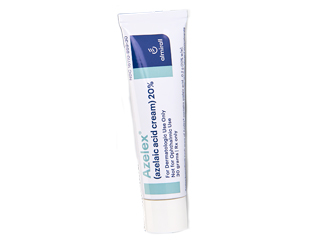
Azelex (Azelaic Acid) – Patient Information (UK)
Azelex is a brand of azelaic acid, a naturally occurring substance used in the treatment of skin conditions. It is commonly used for acne (including inflammatory spots), rosacea, and to help reduce the appearance of dark marks caused by acne (post-inflammatory hyperpigmentation).
This guide explains how Azelex works, how to use it safely and effectively, what to expect, and key interaction and safety considerations relevant to people in the United Kingdom.
Quick product facts
| Feature | What this means for you |
|---|---|
| Active ingredient | Azelaic acid |
| Typical strengths | Often available as 15% or 20% formulations (strength may vary by product/market availability) |
| How it is used | Topical (applied to the skin) |
| Main skin goals | Reduce acne breakouts, calm redness/inflammation in rosacea, and fade post-acne dark marks |
| When to expect results | Often early improvements in a few weeks; maximum benefit may take several months depending on condition |
What is azelaic acid (Azelex)?
Azelaic acid is an anti-inflammatory and anti-microbial agent that also affects how skin cells behave. When applied to the skin, it can help reduce clogged pores and visible redness, and gradually improve pigment changes related to acne.
Because it acts in several ways, azelaic acid may be a useful option especially for people who:
- have acne with redness or inflammation
- are looking for an option that does not depend on antibiotics
- need help with the look of post-acne marks
- prefer a topical treatment that is generally well tolerated
How Azelex works (mechanism of action)
Azelaic acid works through multiple mechanisms:
- Anti-inflammatory action: helps reduce inflammation that drives acne redness and swelling.
- Anti-microbial activity: may help reduce the growth of skin bacteria involved in acne (notably Cutibacterium acnes).
- Normalises skin cell turnover: supports more balanced shedding of skin cells, helping prevent clogged pores.
- Helps with pigmentation: can reduce excess pigment formation and assists with fading dark marks after acne or inflammation.
- For rosacea: its anti-inflammatory effects may help calm redness and visible inflammatory lesions.
The combined effects are why Azelex is used for more than one skin concern.
Pharmacokinetics: what happens in the body?
Azelaic acid is applied to the skin, so most of the action is local. In general:
- Absorption: only a small amount is absorbed through the skin.
- Distribution: absorbed drug is distributed through the body in low levels.
- Metabolism: the drug is broken down into smaller substances.
- Elimination: it is mainly eliminated by the kidneys (via urine).
Because systemic exposure is usually low, interactions through the bloodstream are generally less likely than with medicines taken by mouth. Nevertheless, topical irritation and local skin effects are common considerations.
What Azelex is used for (indications)
In the UK, azelaic acid products such as Azelex are commonly indicated for:
- Acne vulgaris: particularly for inflammatory acne and/or acne associated with visible redness.
- Post-inflammatory hyperpigmentation: dark marks that can remain after spots heal.
- Rosacea: to help reduce redness and inflammatory lesions.
Use may vary depending on the specific product strength and local clinical advice. If you’re unsure which condition it’s best suited for, check the product label or ask a healthcare professional.
Typical dosing and how to apply
Dosing depends on the condition being treated, the concentration of the product, and your skin sensitivity. The notes below are patient-friendly general guidance based on typical topical use practices in the UK. Always follow the instructions supplied with your specific product.
Acne (typical use)
- Common schedule: once daily to start, then increase to twice daily if tolerated.
- Apply: a thin layer to affected areas (and sometimes a wider area prone to breakouts).
- Wash hands before and after application.
Rosacea (typical use)
- Common schedule: once daily initially, then increase to twice daily if well tolerated.
- Apply: to the whole area affected by rosacea, not only individual spots.
Post-acne dark marks (hyperpigmentation)
- Common schedule: once or twice daily, depending on tolerance.
- Be consistent: pigment fading is gradual and can take time.
How much to use
Use enough to cover the target area lightly (not a thick layer). Over-application does not usually speed results and can increase irritation.
Timing during the day
- Morning: if you apply in the morning, you should use a broad-spectrum sunscreen during the day (important for acne marks and pigmentation).
- Evening: evening application is often well tolerated; cleanse gently before applying.
When will you see results? (timing expectations)
Results are not instant. Many people notice:
- Early changes: reduced redness or fewer new spots may begin after a few weeks.
- Acne improvement: often builds over 6–12 weeks.
- Dark marks: may take longer, sometimes several months, and often require strict daily sun protection.
- Rosacea: improvements may be gradual; some people find benefits within a few weeks, while others need longer.
If you experience irritation, consider reducing frequency (e.g., once daily) rather than stopping altogether—unless severe.
How to use Azelex practically (step-by-step)
- Cleanse gently with a mild, non-abrasive cleanser. Avoid scrubs and harsh toners.
- Let skin dry completely (especially important if you’re using other actives like exfoliants).
- Apply a thin layer to the affected areas.
- Wash hands afterwards.
- Moisturise if needed: if your skin feels dry or tight, use a gentle moisturiser. Many people apply moisturiser after a few minutes if irritation occurs.
- Use sunscreen daily if applying in the morning and for pigment concerns.
If you’re combining with other skincare products, start slowly and change only one thing at a time.
Food interactions
Because Azelex is applied to the skin, food interactions are not expected for most users. The treatment is primarily local, and azelaic acid absorption is generally low.
If you take other medicines and you’re worried about general interactions, it’s still helpful to discuss your full regimen with a healthcare professional.
Alcohol and medicine interactions
Alcohol
There is no well-established direct interaction between topical azelaic acid and alcohol. However, alcohol can contribute to flushing in some people with rosacea. If you notice increased redness after drinking alcohol, reducing intake or choosing alcohol types that trigger you less may help.
Interactions with other medicines (topical)
While systemic interactions are unlikely, combining topical products can increase irritation and dryness. Be cautious if using:
- Other acne/anti-blemish actives (e.g., benzoyl peroxide, salicylic acid, glycolic acid, retinoids)
- Strong exfoliants or scrub products
- Products with high alcohol content (can sting and worsen dryness)
A practical approach is to introduce one product at a time and space applications (for example, alternating nights) if your skin is sensitive.
Interactions with oral medicines
Because azelaic acid absorption is usually low, clinically significant interactions with oral medicines are not commonly expected. If you have multiple ongoing conditions or take regular medication, it’s sensible to review your medicines with a healthcare professional.
Safety profile and side effects
Like all medicines, Azelex can cause side effects—most are mild and local. The most common issues are skin-related and typically improve with continued use or reduced frequency.
Common side effects
- Skin irritation (burning, stinging, redness)
- Dryness or peeling
- Itching
- Scaling
Less common / when to be cautious
- Worsening irritation despite adjusting frequency
- Severe swelling, blistering, or intense discomfort
- Signs of allergy such as hives, widespread rash, or breathing difficulty (seek urgent help)
How to reduce irritation
- Start with once daily for a week or two, then adjust.
- Use a gentle cleanser and moisturiser.
- Avoid applying immediately after shaving or to broken skin.
- Don’t apply to eyes, lips, or inside the nostrils.
- If stinging is strong, rinse off with water and reassess frequency/compatibility with other products.
Pregnancy and breastfeeding
Azelaic acid is generally considered a low systemic absorption topical treatment. Many clinicians consider topical azelaic acid an option during pregnancy and breastfeeding when benefits outweigh risks. If you are pregnant, trying to conceive, or breastfeeding, it’s wise to discuss suitability with a healthcare professional—especially if you need to use it over large areas or long term.
Children and adolescents
Use in children should follow product-specific guidance and clinician advice. Application should be careful to minimise irritation and ensure correct use.
Warnings and precautions
- Avoid contact with eyes and mucous membranes (eyes, mouth, inner nose). If accidental contact occurs, rinse thoroughly with water.
- Do not apply to broken or severely irritated skin.
- Sun exposure: azelaic acid does not replace sunscreen. For acne marks and pigmentation, daily sun protection is crucial.
- Patch-test approach: if you have sensitive skin or a history of reactions, consider testing on a small area first.
Practical use tips for better results
- Be consistent: apply at the same times each day where possible.
- Use sunscreen: especially for dark marks; UV can make pigmentation more persistent.
- Pair with gentle moisturising: a basic moisturiser can improve tolerance.
- Don’t overdo exfoliation: combining multiple strong actives can cause flare-ups.
- Track your skin: note irritation or improvement week by week. Adjust frequency if needed.
- Consider a routine: simple routines often work best—cleanse, treat, moisturise, protect.
Alternative options (if Azelex isn’t suitable)
Depending on your skin concern, alternatives may include:
For acne
- Benzoyl peroxide (helps bacteria and inflammation)
- Topical retinoids (helps prevent clogged pores)
- Salicylic acid (supports pore cleansing)
- Azelaic acid alternatives (other brands containing azelaic acid)
For rosacea
- Topical metronidazole (anti-inflammatory)
- Topical treatments targeting redness (availability varies)
- Oral options may be considered in persistent or severe cases (discuss with a healthcare professional)
For pigmentation / dark marks
- Strict sun protection is often the most important step
- Other pigment-targeting topicals (product choice depends on skin type and tolerance)
- Professional treatments may be considered for stubborn marks
If you want to switch treatments, do so carefully—consider a “wash-out” period or a gradual transition to avoid irritation.
UK market and legal context (overview)
In the United Kingdom, topical acne and skin treatments are marketed and regulated according to their classification and intended use. Azelaic acid products like Azelex may be supplied through pharmacy channels depending on strength and product status.
For an online pharmacy, typical responsibilities include:
- ensuring the correct product and strength is supplied
- providing clear instructions on use and safety
- supporting customers with general information and guidance on when to seek help
- complying with relevant UK healthcare advertising and consumer safety standards
If you are using Azelex for a condition that is new, worsening, or affecting quality of life, it may help to discuss suitability with a healthcare professional, especially if your skin is very sensitive or you have complex skincare routines.
Recent guidance and clinical considerations (general)
Current management approaches for acne and rosacea in the UK commonly emphasise:
- gentle routines and minimising irritation
- gradual introduction of topical actives
- time-limited review of response (rather than expecting immediate results)
- sunscreen use where pigmentation is involved
- appropriate use of antibiotics, with caution to reduce resistance pressures
Azelaic acid aligns with many of these principles due to its multi-action profile and generally local effects. Individual recommendations still depend on severity and skin tolerance.
Delivery, availability and what to expect
Availability of Azelex (azelaic acid) can vary by strength and product format. In the UK, online pharmacies typically offer delivery options to mainland UK addresses.
- Check stock and strength: ensure you select the correct concentration.
- Delivery timeframes: vary by supplier and courier; orders may be dispatched within working days.
- Packaging: products are usually supplied in original manufacturer packaging.
- Storage: follow the label instructions, generally keeping at moderate room temperature away from direct sunlight.
If you need help choosing between strengths (for example, 15% vs 20%), consider your sensitivity and the condition being treated, and review the label instructions.
FAQ – Azelex (Azelaic acid)
1. Is Azelex suitable for sensitive skin?
Many people tolerate azelaic acid well, but irritation can still happen. Start slowly (often once daily), use gentle skincare, and moisturise if needed. If stinging becomes severe, reduce frequency or pause and seek advice.
2. Can I use Azelex with moisturiser?
Yes. Moisturiser can reduce dryness and improve comfort. Apply Azelex to dry skin first, then moisturiser after a short interval if needed.
3. Should I wear sunscreen while using Azelex?
If you’re treating dark marks or pigmentation, yes—daily broad-spectrum sunscreen is strongly recommended. Sun exposure can make pigment changes last longer.
4. Can I use Azelex at the same time as other acne products?
You may, but it depends on the products. Combining with other strong actives can increase irritation. If you’re using products like retinoids, exfoliating acids, or benzoyl peroxide, consider spacing applications and introducing them gradually.
5. Will I purge or get worse before I get better?
Some acne treatments may cause a temporary change in breakouts or irritation. With azelaic acid, effects are often gradual. If you develop significant worsening or severe irritation, adjust frequency and consider advice from a healthcare professional.
6. How long should I use it before judging results?
Many users evaluate improvement after 6–12 weeks for acne and a longer timeline (often several months) for dark marks. Continue consistently unless your skin cannot tolerate it.
7. What should I do if I miss a dose?
Apply it when you remember, unless it’s close to the time of your next application. If you’re near the next dose, skip the missed one—don’t apply extra.
8. Can I drink alcohol while using Azelex?
There is generally no direct interaction. However, alcohol can trigger flushing in some people with rosacea. If you notice increased redness after drinking, consider reducing intake.
9. Can Azelex be used around the eyes?
Avoid the eye area, including eyelids. If accidental contact occurs, rinse thoroughly with water.
10. What if I get burning or redness after applying?
Mild warmth or slight redness can occur. If you experience strong burning, increase moisturising, reduce frequency (e.g., once daily or every other day), and ensure the skin is completely dry before applying. If symptoms are severe, stop and seek advice.
Summary
Azelex (azelaic acid) is a topical treatment used in the UK to help manage acne, rosacea, and the appearance of dark marks left after spots. It works through anti-inflammatory, antimicrobial, and pigmentation-modulating actions, with low absorption through the skin. Results typically build gradually, and careful application—along with gentle skincare and daily sun protection when treating pigment—is key to success.
If you have persistent symptoms, severe irritation, or concerns about how it fits with your skincare or other treatments, consider speaking with a healthcare professional for tailored advice.