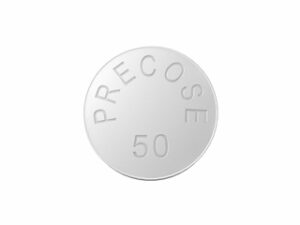
Acarbose (UK) — Patient Information
Acarbose is an oral medicine used to help control blood sugar levels in people with type 2 diabetes. It works by slowing down the digestion of carbohydrates in the gut, which can reduce the rise in blood glucose after meals. This guide is designed to be patient-friendly and suitable for an online pharmacy website in the UK.
Basic product information
| Category | Details |
|---|---|
| Medicine name | Acarbose |
| How it is taken | Oral tablets |
| Therapeutic use | Helps manage blood glucose after meals in type 2 diabetes |
| Typical effect | Reduces post-meal (postprandial) blood sugar spikes |
| Common side effects | Gas, bloating, diarrhoea, abdominal discomfort |
| Key patient consideration | Taken with the first bite of food; diet influences tolerance and benefit |
How Acarbose works (mechanism of action)
After you eat, your digestive system breaks down carbohydrates (starches and sugars) into smaller sugars that are absorbed into the blood. Acarbose acts in the small intestine by inhibiting enzymes called alpha-glucosidases (including enzymes involved in the final stages of carbohydrate digestion).
By blocking these enzymes, acarbose:
- Delays carbohydrate digestion
- Reduces the amount of glucose released from complex carbohydrates
- Flattens the blood sugar rise after meals
It does not directly “force” blood sugar down in the same way as insulin, and it does not usually cause low blood sugar (hypoglycaemia) on its own because it works only on carbohydrate digestion. However, the risk can increase when combined with other diabetes medicines (see “Safety profile”).
Pharmacokinetics (how the body handles acarbose)
Pharmacokinetics describes what happens to the medicine in the body: absorption, distribution, metabolism, and elimination. For acarbose, an important point is that most of the drug acts locally in the gut.
- Absorption: Only a small amount of the absorbed fraction reaches the bloodstream.
- Local action: The majority of acarbose works within the intestinal tract to inhibit carbohydrate-digesting enzymes.
- Metabolism: Acarbose is metabolised in the gut and produces metabolites, some of which contribute to overall activity.
- Excretion: Metabolites are eliminated mainly via the faeces and, to a lesser extent, through urine.
- Onset of action: It begins working in the digestive tract soon after you take it with food.
Because the medicine’s main effects are intestinal, how you take it (timing with meals) and what you eat can strongly affect results and side effects.
Typical use in the UK
Acarbose is used to improve blood glucose control in adults with type 2 diabetes, particularly to reduce post-meal blood sugar levels. It may be prescribed as:
- Monotherapy (when appropriate)
- Combination therapy with other diabetes medicines, where clinically suitable
Your treatment plan should be guided by your healthcare professional and based on your individual blood glucose readings, overall health, and tolerance.
Indications (who it is for)
In the UK, acarbose is indicated for the management of type 2 diabetes when diet and other measures alone are not sufficient. It is especially relevant when controlling postprandial hyperglycaemia (blood sugar spikes after eating) is a priority.
Your clinician will consider your kidney function, liver health, current medicines, and gastrointestinal history when deciding if acarbose is appropriate.
How to take acarbose: timing and dosing
Acarbose must be taken with the first bite of each main meal containing carbohydrate. Taking it after you start eating may reduce its effectiveness and can increase side effects.
Typical adult dosing approach
Dosing is individual and depends on tolerance and blood glucose response. In many cases, treatment starts at a low dose and is increased gradually.
- Start low: Often a low dose is used initially to improve gut tolerance.
- Increase gradually: The dose may be increased over time if side effects are manageable.
- With meals: Take doses with meals as directed.
- Do not double up: If you miss a dose, follow your prescriber’s instructions and your medicine leaflet.
Practical timing guide
- Main meals (breakfast/lunch/dinner): Take with the first bite.
- Snacks: Only take when your plan specifies carbohydrate-containing meals/snacks.
- Consistency: Try to take it at the same time relative to meals each day.
If you are unsure about your exact dose or schedule, check the patient information leaflet that comes with your tablets or consult a pharmacist.
Food interactions and dietary considerations
Because acarbose works by slowing carbohydrate digestion, your meals directly affect how well it works and what side effects you may experience. Acarbose does not “cancel out” carbohydrate entirely; it reduces the speed and extent of carbohydrate breakdown.
What to expect with different foods
- Starchy or carbohydrate-rich meals: Typically benefit more in terms of post-meal glucose control.
- Sugary foods (e.g., table sugar, sweets): may be less effectively handled by acarbose, because these can still contribute to blood glucose.
- Gradual dietary consistency: Many people do better when carb intake is spread across the day rather than in large spikes.
Managing gastrointestinal side effects
Gas, bloating, and diarrhoea occur because undigested carbohydrates reach the large intestine, where gut bacteria can ferment them. To reduce discomfort:
- Start with smaller portions if you are new to acarbose.
- Increase dosage gradually as advised.
- Avoid sudden large increases in carbohydrate intake.
- Stay hydrated, particularly if you experience diarrhoea.
Alcohol and acarbose with meals
Moderate alcohol use may be possible for some people, but it can interact with diabetes in general (for example by affecting appetite, diet, and risk of hypos when used alongside other diabetes medicines). Alcohol may also worsen gastrointestinal symptoms in some people. If you drink alcohol, consider:
- Having alcohol with food (unless advised otherwise)
- Monitoring your blood glucose more closely
- Discussing safe limits with your healthcare professional
Medicine interactions: alcohol and other medicines
Drug interactions can occur with diabetes medicines and with medicines that affect digestion, glucose levels, or gut function. Always inform a pharmacist or healthcare professional about all medicines and supplements you take.
Alcohol
- General diabetes risk: Alcohol can increase the risk of low blood sugar, particularly if combined with certain diabetes medicines.
- GI effects: Alcohol may worsen stomach discomfort or diarrhoea in some people.
Other diabetes medicines
While acarbose alone is less likely to cause hypoglycaemia, the situation changes when used alongside other medicines that lower blood sugar. For example:
- Insulin and sulfonylureas (e.g., gliclazide, glimepiride) can cause hypoglycaemia; combination therapy may increase risk.
- If you experience symptoms of low blood sugar, treatment may need to follow guidance in your medicine information.
Important: In some cases of hypoglycaemia, glucose tablets or drinks containing glucose may be needed, because acarbose can reduce the effectiveness of sucrose (table sugar) in rapidly raising blood sugar. Follow the specific advice given to you by your clinician or pharmacist.
Common medicine categories that may interact
- Medicines that affect the gut (e.g., adsorbents or digestive enzyme products) may change tolerance or effects.
- Diuretics and corticosteroids can raise blood glucose in some people, potentially reducing overall control.
- Antidiarrhoeal medicines should be used cautiously—if diarrhoea is severe, you should seek advice rather than simply masking symptoms.
Safety profile and side effects
Like all medicines, acarbose can cause side effects. Most are related to the digestive tract. Many people find side effects improve over time, especially with gradual dose escalation.
Common side effects
- Gas (flatulence)
- Bloating
- Abdominal pain or discomfort
- Diarrhoea
- Nausea (less common)
Less common but important effects
- Liver effects: Rare cases of liver enzyme elevations have been reported. If you develop symptoms such as unusual tiredness, yellowing of the eyes/skin (jaundice), or dark urine, seek medical advice promptly.
- Severe gastrointestinal symptoms: Persistent severe diarrhoea, dehydration, or worsening pain needs prompt assessment.
Hypoglycaemia risk
Acarbose alone generally has a low risk of causing hypoglycaemia. The risk increases when taken with medicines that lower blood sugar, such as insulin or sulfonylureas.
When to seek urgent help
Contact urgent medical services or seek urgent care if you have:
- Severe diarrhoea with signs of dehydration (e.g., dizziness, very dry mouth, reduced urination)
- Severe abdominal pain, vomiting, or inability to keep fluids down
- Signs of liver problems (jaundice, severe fatigue, persistent upper abdominal discomfort)
- Symptoms of significant low blood sugar that do not respond to fast-acting glucose
Practical use tips (getting the best results)
- Take it with your first bite: Correct timing supports effectiveness and reduces unwanted effects.
- Start low and increase slowly: If you are newly prescribed acarbose, your prescriber may titrate gradually to improve tolerance.
- Choose consistent meals: Large carbohydrate spikes can increase gas and diarrhoea.
- Track post-meal readings if advised: Monitoring can help show whether your meal composition and dosing timing are working.
- Stay hydrated: Particularly if you experience diarrhoea.
- Don’t ignore persistent symptoms: Mild side effects often settle, but persistent severe symptoms need review.
- Review other medicines: If your other diabetes medicines change, your hypoglycaemia risk may change too.
Alternative options
People with type 2 diabetes have a range of treatment options. The “best” choice depends on your blood glucose patterns, weight goals, other health conditions, and side-effect preferences.
Common alternative medicine approaches
- Metformin: Often first-line; improves insulin sensitivity.
- DPP-4 inhibitors (e.g., sitagliptin, linagliptin): help reduce glucose after meals with a generally low risk of hypos.
- GLP-1 receptor agonists (injectable): improve glucose control and may support weight loss in some patients.
- SGLT2 inhibitors (e.g., empagliflozin): help reduce blood glucose by increasing glucose excretion in urine.
- Sulfonylureas (e.g., gliclazide): lower glucose but carry a higher hypoglycaemia risk.
- Insulin: effective for glucose control when needed.
Non-medicine options—such as structured diet changes, increased physical activity, and weight management—also play a key role. Discuss alternatives with your healthcare professional.
Market and legal context for the UK
In the United Kingdom, medicines are regulated to ensure quality, safety, and performance. Products made available through UK channels must comply with applicable pharmaceutical regulations, including requirements for labelling, patient information, and pharmacovigilance processes.
Guidance for diabetes management in the UK commonly references evidence-based recommendations from national and professional bodies. Clinicians tailor therapy according to individual patient factors, and they monitor blood glucose and tolerability over time.
For the most accurate and up-to-date information relating to availability, formulation, and local prescribing practices, check the latest product leaflet and follow pharmacy advice.
Recent guidance and clinical practice (high-level overview)
In contemporary UK diabetes care, there is an emphasis on:
- Individualising treatment to minimise side effects and maximise benefit
- Addressing diet and lifestyle alongside medicines
- Monitoring post-meal glucose patterns, particularly when they remain high
- Balancing medication choice with comorbidities (such as kidney function and cardiovascular risk)
Acarbose may be considered particularly when post-meal glucose control is a target and when the patient can manage possible gastrointestinal effects. Exact recommendations can change as new evidence emerges, so it’s important to follow professional guidance and your medicine leaflet.
Delivery and availability in the UK
Acarbose availability can vary by formulation and strength depending on supply and manufacturer batches. When offered online through a UK pharmacy, you may be able to select:
- Pack sizes (depending on stock)
- Delivery options available at checkout
- Substitution policies where permitted (for example, if different strengths/pack sizes are required)
If a specific pack strength is temporarily unavailable, the pharmacy may offer alternatives (such as a different pack size or strength) as allowed by UK regulations and clinical suitability. Delivery timing may depend on local courier routes and product dispatch schedules.
Always check the product details on the order page, including:
- Strength (e.g., mg per tablet)
- Number of tablets per pack
- Estimated delivery date
- Storage instructions
Storage and handling
- Store tablets according to the patient information leaflet (typically at room temperature, away from excess heat and moisture).
- Keep out of sight and reach of children.
- Do not use after the expiry date on the pack.
- Keep medicines in their original packaging to protect from moisture and to confirm identification.
FAQ
1) What is acarbose used for?
Acarbose is used to help control blood sugar in adults with type 2 diabetes, particularly by reducing the rise in glucose after meals.
2) When should I take acarbose?
Take acarbose with the first bite of each main meal that contains carbohydrate, as this supports its intended effect.
3) Does acarbose cause hypos (low blood sugar)?
On its own, acarbose has a low risk of causing hypoglycaemia. The risk can increase if you take it with other medicines such as insulin or sulfonylureas.
4) Why do I get gas and diarrhoea?
Acarbose slows carbohydrate digestion, so some undigested carbohydrate reaches the large intestine and can be fermented by gut bacteria. This can cause gas, bloating, and diarrhoea, especially when starting or after high-carbohydrate meals.
5) What can I do to reduce stomach side effects?
Practical steps include starting with a lower dose (as advised), increasing gradually, taking it exactly with the first bite of food, and avoiding sudden large increases in carbohydrate portions. Hydration is important if diarrhoea occurs.
6) Can I drink alcohol while taking acarbose?
Many people can drink alcohol only in moderation, but alcohol may worsen gastrointestinal effects and can affect diabetes control. If you are also taking other glucose-lowering medicines, alcohol may increase the risk of low blood sugar. Seek personalised advice if unsure.
7) Does acarbose interact with other medicines?
Acarbose can interact with other medicines, particularly those affecting blood glucose levels or gut function. Tell your pharmacist about all medicines, including over-the-counter products and supplements.
8) What should I do if I miss a dose?
Follow the guidance in the patient information leaflet. In general, if you miss a dose, do not take extra tablets to “catch up.” Your clinician or pharmacist can advise based on your individual dosing schedule.
9) Are there alternatives if I can’t tolerate the side effects?
Yes. Diabetes treatment can be tailored. Your healthcare professional may consider other medicine options or changes to diet and meal composition. Do not stop or change therapy without advice.
10) How quickly will I notice effects?
Acarbose works during digestion, so it may help reduce post-meal glucose rises fairly soon when taken correctly. Overall diabetes control improves over days to weeks, and dose adjustments may be made based on your readings and tolerance.
Remember: This page provides general information. For the most accurate advice for your personal situation, always check the patient information leaflet supplied with your tablets and consult a qualified healthcare professional if you have questions.