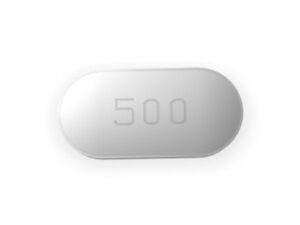
Glimepiride (UK) – Patient-Friendly Guide
Glimepiride is a prescription medicine used to help control blood sugar levels in adults with type 2 diabetes. It belongs to a group of medicines called sulfonylureas. This page explains how glimepiride works, how to take it safely, what to expect, and important interactions and safety information.
Always read the patient information leaflet provided with your medicine and follow the advice of your healthcare professional. If you are unsure about anything, ask your pharmacist.
Basic Product Information
| Item | Details |
|---|---|
| Generic name | Glimepiride |
| Medicine type | Sulfonylurea (oral glucose-lowering medicine) |
| Common strengths (examples) | 1 mg, 2 mg, 3 mg, 4 mg tablets (strength may vary) |
| How it is taken | By mouth, usually once daily |
| Who it is for | Adults with type 2 diabetes (in certain situations) |
| Key safety concern | Low blood sugar (hypoglycaemia), especially with missed meals or dose changes |
How Glimepiride Works (Mechanism of Action)
Glimepiride helps lower blood glucose mainly by stimulating the release of insulin from the pancreas. It does this by binding to specific potassium channels in the beta cells of the pancreas, which promotes insulin secretion.
- Increased insulin release: The medicine encourages your body to release insulin when blood sugar rises.
- Improved blood sugar control: With regular use, blood sugar levels typically become steadier over time.
Important: Glimepiride works best when the pancreas can still make insulin. If the body can no longer make enough insulin, other treatments may be needed.
Pharmacokinetics – How the Body Processes Glimepiride
Pharmacokinetics describes what the body does to a medicine (absorption, distribution, metabolism and elimination). Understanding this can help explain timing and side effects.
- Absorption: Glimepiride is absorbed after you take a tablet by mouth. Food may slightly affect absorption rate.
- Distribution: It distributes into the body tissues and binds to plasma proteins.
- Metabolism: Glimepiride is metabolised mainly in the liver.
- Elimination: Metabolites are removed from the body primarily via urine and faeces.
- Duration of action: Despite being taken once daily for many people, glimepiride’s glucose-lowering effect can last long enough to raise the risk of low blood sugar if a meal is missed.
If you have liver or kidney problems, the medicine may act differently and your prescriber may need to adjust the dose and monitor you more carefully.
Typical Use in the UK
Glimepiride is used to treat type 2 diabetes when diet, lifestyle changes, and/or other medicines are not sufficient to control blood glucose.
In UK clinical practice, treatment decisions are commonly guided by national guidance and individual patient needs, including risk of hypoglycaemia, kidney function, weight considerations, and previous treatment response.
Indications – When Glimepiride May Be Used
In general terms, glimepiride is indicated for:
- Type 2 diabetes mellitus in adults to improve glycaemic control
- As part of combination therapy in some patients (for example, alongside other glucose-lowering medicines), depending on local clinical practice and patient factors
Your clinician may consider glimepiride when a sulfonylurea is suitable, but other options may be preferred in some situations. This may depend on your risk of hypos, body weight, kidney function, and how other medicines you’ve tried have worked.
How and When to Take Glimepiride (Timing and Meal Guidance)
Many people take glimepiride once daily, typically with the first main meal of the day. Your exact regimen depends on the prescribed dose and your response to treatment.
- Take with food: It is usually recommended to take glimepiride with breakfast (or the first main meal) to reduce the risk of low blood sugar.
- Try to take it at the same time each day: Routine helps keep blood sugar levels more stable.
- Do not skip meals: Missing meals significantly increases the risk of hypoglycaemia.
- Do not change your dose suddenly: Dose changes should be directed by your healthcare professional.
If you frequently experience late or irregular meals (shift work, for example), discuss options with your prescriber. It may be that another medicine is safer for your routine.
What to Do If You Miss a Dose
Missing doses can cause blood glucose to rise. However, taking an extra dose later can increase the risk of hypoglycaemia. Follow the advice in your patient leaflet or the instructions your healthcare team provided.
- Do not take a double dose to make up for a missed one.
- If you are unsure, contact your pharmacist for advice based on your timing and dose.
Food Interactions and Practical Meal Advice
Glimepiride is closely linked to meal timing. While it may not require strict dietary restrictions, consistent carbohydrate intake and regular meals can help reduce the risk of low blood sugar.
- Breakfast/first main meal is important: The risk of hypoglycaemia can be higher if you take the dose without eating.
- Alcohol and missed meals: The combination of alcohol and delayed meals can be particularly risky for hypos.
- Exercise: Physical activity can lower blood glucose, so you may need to eat something or adjust timing—ask your healthcare team.
If you use a glucose meter, consider checking your blood sugar around times you’re most likely to hypo (for example, during new exercise routines or when meals are later than usual).
Alcohol and Medicine Interactions
Alcohol can affect blood sugar in complex ways. It may increase the risk of hypoglycaemia, particularly if you drink without eating, drink heavily, or have liver problems.
- General advice: Keep alcohol intake moderate and avoid drinking on an empty stomach.
- Be cautious with binge drinking: This increases the risk of delayed or severe hypoglycaemia.
- Watch for symptoms: sweating, shaking, dizziness, confusion, or unusual tiredness may indicate low blood sugar.
If you drink alcohol regularly, tell your prescriber so they can choose the safest treatment plan for you.
Other Medicine Interactions (Key Examples)
Glimepiride can interact with other medicines, potentially increasing the risk of hypoglycaemia or reducing effectiveness. Always check with your pharmacist before starting new medicines (including herbal products and over-the-counter remedies).
Common interaction categories include:
- Medicines that may increase hypoglycaemia risk (examples may include some anti-infective medicines, other glucose-lowering medicines, and certain non-diabetes medicines that affect metabolism).
- Medicines that may reduce glimepiride effect (some medicines can raise blood glucose levels, for example via hormonal effects).
- Medicines affecting liver enzymes may change glimepiride metabolism.
Because interaction risk depends on the specific medicines you take, the safest approach is:
- Keep an up-to-date list of all medicines and supplements.
- Share it with your pharmacist when you begin or stop anything new.
Dosing – Common Regimens and Dose Adjustments
Dosing should be individualised based on your blood glucose results, age, kidney/liver function, and other medicines. Do not adjust the dose on your own.
- Typical start: Many adults start on a low dose to reduce the risk of hypoglycaemia.
- Gradual adjustment: Dose may be adjusted gradually depending on glucose control and tolerability.
- Maximum dose: There is an upper limit; your prescriber will set the highest safe dose for you.
Your dose schedule may remain the same once your sugars are stable, but it can change if:
- You experience frequent hypos
- Your diet, weight, kidney function, or other medications change
- Blood tests show poor control (for example, HbA1c results)
Safety Profile – Side Effects and Important Warnings
Most Important Risk: Hypoglycaemia (Low Blood Sugar)
Hypoglycaemia is one of the main risks with sulfonylureas like glimepiride. It is more likely if you:
- Take the dose but miss meals
- Increase exercise without adjusting food
- Drink alcohol
- Have kidney problems or are elderly
- Take other medicines that lower blood glucose
Symptoms can include:
- Shaking, sweating, palpitations
- Hunger, nausea
- Dizziness, headache
- Confusion, drowsiness, blurred vision
Severe hypoglycaemia may cause collapse or seizures and is an emergency. If this happens, urgent medical treatment is required.
Other Possible Side Effects
Side effects vary from person to person. Report persistent or troublesome symptoms to your healthcare professional. Possible side effects may include:
- Gastrointestinal symptoms: nausea, stomach discomfort
- Changes in blood tests: alterations in liver function tests
- Skin reactions: rash or itching (seek advice if you have severe rash or swelling)
- Weight changes: some people gain weight with medicines that increase insulin
When to Seek Urgent Advice
- Symptoms of severe low blood sugar
- Signs of an allergic reaction (swelling of face/lips, difficulty breathing)
- Severe or persistent illness that affects your ability to eat or drink
Practical Use Tips for Safer and More Reliable Control
- Use consistent meal routines: Taking your tablet with the first main meal reduces hypo risk.
- Monitor blood glucose if advised: Especially when starting, changing dose, or changing lifestyle.
- Keep fast-acting sugar available: If you feel a hypo coming on, treat promptly with glucose or sugar according to your healthcare plan.
- Know hypo signs: Early treatment is often easier than waiting until symptoms worsen.
- Review sick-day rules: Illness may reduce food intake and can increase hypo risk—ask your clinician for specific advice.
- Stay organised: Use a pill organiser or phone reminders to reduce missed doses.
Alternative Options for Type 2 Diabetes (UK Perspective)
There are multiple medicines for type 2 diabetes. The best choice depends on your overall health, kidney function, cardiovascular risk, weight considerations, and how you respond to treatment. Alternatives may include:
- Metformin (commonly first-line in many patients)
- DPP-4 inhibitors (lower risk of hypoglycaemia compared with sulfonylureas in many cases)
- SGLT2 inhibitors (can offer additional benefits in selected patients)
- GLP-1 receptor agonists (often considered when appropriate)
- Other sulfonylureas (if glimepiride is not suitable)
- Insulin in some situations
If you are concerned about hypoglycaemia risk, weight, or interactions, discuss options with your prescriber. Sometimes switching to a different class of medicine can improve safety and comfort for certain people.
Market and Legal Context in the United Kingdom
In the UK, diabetes medicines are regulated by the medicines framework overseen by the relevant UK authorities. Medicines are supplied through licensed channels and must be used according to approved information and professional guidance.
- Quality and regulation: Medicines available through UK pharmacy supply chains are subject to regulatory standards.
- Professional oversight: Diabetes treatment benefits from ongoing monitoring, including HbA1c checks and assessment of side effects.
- Patient safety: Medicines must be supplied with appropriate product information to support correct use.
Local practices can vary between GP services, clinics, and integrated care systems. Your clinician may tailor treatment based on your comorbidities and individual risk profile.
Recent Guidance – What Tends to Be Emphasised
UK diabetes care focuses on individualised treatment and risk management. While specific recommendations can evolve over time, common themes include:
- Minimising hypoglycaemia risk where possible, especially in older adults or those with frequent hypos
- Considering kidney function when selecting or dosing glucose-lowering medicines
- Using cardiovascular and renal risk considerations to guide choice of therapy
- Promoting lifestyle measures alongside medicines (diet, physical activity, weight management, smoking cessation)
- Regular monitoring of HbA1c and review of treatment effectiveness and tolerability
Your care team may review your medicines periodically and adjust if control is not meeting targets or if safety concerns arise.
Delivery and Availability (UK Online Pharmacy)
Availability can vary by strength and pack size. Many UK online pharmacies aim to keep common strengths in stock, but if a particular dose is temporarily unavailable, dispatch may be delayed.
- Check the listed strength: Glimepiride tablets come in different strengths.
- Packaging and batch details: Supplied in line with pharmacy and manufacturer requirements.
- Delivery times: Delivery times depend on courier services, location, and stock status.
- Cold/temperature requirements: Glimepiride tablets are typically stored at controlled room temperature. Keep them as directed on the package.
If you have questions about stock for your exact tablet strength, contact customer support so they can confirm dispatch timelines.
Storage and Handling
- Store tablets at room temperature as indicated on the packaging.
- Keep in the original container and out of the reach of children.
- Do not use after the expiry date.
- Return unused medicines to a pharmacy for safe disposal where available.
FAQ – Glimepiride (UK)
1) What is glimepiride used for?
Glimepiride is used to treat type 2 diabetes by helping your body release insulin and reduce blood sugar levels.
2) How quickly does glimepiride work?
Many people notice effects on blood glucose within days, but meaningful changes in long-term control (such as HbA1c) may take longer. The exact time course varies between individuals.
3) When should I take my glimepiride tablet?
It’s commonly taken once daily with the first main meal (often breakfast). Follow your specific instructions.
4) What happens if I miss a meal after taking glimepiride?
This can increase the risk of hypoglycaemia. If you feel symptoms of low blood sugar, treat promptly with fast-acting sugar and contact your healthcare professional for advice.
5) Can I drink alcohol while taking glimepiride?
Alcohol may increase the risk of low blood sugar, especially if you drink without eating or drink heavily. If you choose to drink, do so carefully and avoid drinking on an empty stomach.
6) What are the signs of low blood sugar?
Common signs include sweating, shaking, hunger, dizziness, headache, confusion, and unusual tiredness. Severe symptoms can include collapse or seizures—seek urgent help.
7) Are there any medicines that don’t mix well with glimepiride?
Yes. Some medicines can change glimepiride’s effect or increase hypoglycaemia risk. Tell your pharmacist about all medicines, including over-the-counter products and herbal supplements.
8) Can I stop glimepiride if my sugars improve?
Do not stop or change treatment without medical advice. Diabetes can worsen without medication, even if readings temporarily improve.
9) Who should be extra careful when using glimepiride?
Extra caution is often needed for older adults, people with kidney impairment, those who have had hypos before, and anyone with irregular eating patterns.
10) What are my alternatives if I can’t tolerate glimepiride?
Alternatives depend on your medical history and blood glucose goals. Options can include other glucose-lowering medicines such as metformin, DPP-4 inhibitors, SGLT2 inhibitors, GLP-1 receptor agonists, other sulfonylureas, or insulin in appropriate cases.
Summary
Glimepiride is an oral sulfonylurea used in adults with type 2 diabetes to improve blood sugar control. It works by stimulating insulin release. Because it can cause hypoglycaemia, it’s important to take it with food, avoid missed meals, be cautious with alcohol, and remain alert to symptoms—especially during dose changes or illness.
If you have questions about your dose timing, side effects, or interactions, your pharmacist can help you understand what is safest for you.