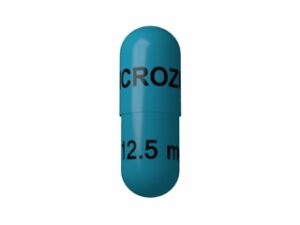
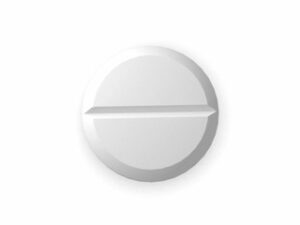
Acetazolamide (Acetazolamide tablets) – Patient Guide (UK)
Acetazolamide is a medicine used for several different conditions, ranging from certain eye problems to fluid-related disorders and altitude sickness prevention. It works by changing how your kidneys handle salts and water and by affecting acid–base balance in the body. This leaflet-style guide explains how acetazolamide works, how it’s typically taken, key safety information, and what to expect in everyday use in the United Kingdom.
Basic product information
- Generic name: Acetazolamide
- Common form: Tablets (strength varies by brand)
- How it works: A carbonic anhydrase inhibitor
- Availability (UK): Typically available via NHS services and also through private supply routes. Availability can vary by strength and formulation.
Note: Always use the strength and dose on your label and follow the instructions given to you by a healthcare professional.
What acetazolamide does in the body (mechanism of action)
Acetazolamide belongs to a class of drugs called carbonic anhydrase inhibitors. Carbonic anhydrase is an enzyme found in many tissues, including the kidneys and the eye. By blocking this enzyme, acetazolamide causes changes in the way the body forms and handles bicarbonate (a type of “base” in the blood), which affects salt and water balance.
Main effects:
- Diuresis (water loss) and reduced bicarbonate reabsorption: In the kidneys, acetazolamide reduces reabsorption of bicarbonate, leading to increased excretion of bicarbonate, sodium, and water.
- Altered acid–base balance: Loss of bicarbonate can lead to mild metabolic acidosis in some people.
- Reduced fluid formation in the eye: In some eye conditions, acetazolamide can reduce the production of fluid, helping lower pressure.
Pharmacokinetics (how the body processes the medicine)
Pharmacokinetics describes what the body does to the medicine—absorption, distribution, metabolism, and excretion.
- Absorption: Acetazolamide is absorbed from the gastrointestinal tract after oral dosing.
- Distribution: It distributes into body tissues and can reach sites such as the eyes and the brain where relevant effects are needed.
- Metabolism: Acetazolamide is not extensively metabolised.
- Elimination: It is primarily eliminated via the kidneys. This is why kidney function is important for safe use.
- Half-life: The effect and drug clearance vary, but dosing schedules are designed around its duration of action.
Kidney function matters: If you have reduced kidney function, acetazolamide may build up in your system, increasing the risk of side effects. Dose adjustments may be needed.
Typical uses and indications
Acetazolamide is used for a range of conditions. Indications may vary depending on local guidance and availability of specific licences.
Common indications (UK)
- Altitude sickness prevention (in some adults, particularly when gradual ascent is not possible)
- Raised intraocular pressure / certain glaucoma situations where fluid reduction in the eye is desired
- Some fluid-related disorders (for example, certain forms of oedema in selected cases)
- Idiopathic intracranial hypertension (often used as part of management under specialist care)
- Metabolic alkalosis in specific clinical settings
Important: Your suitability depends on your diagnosis, medical history, and other medicines. Always confirm the intended use with your clinician or pharmacist.
Timing and how to take acetazolamide
Correct timing helps your body maintain the appropriate level of medication for the intended effect.
General guidance
- Follow the dosing schedule on your label.
- Take tablets consistently at the same times each day if you are taking multiple doses.
- Swallow with water. The tablet may be taken with or without food (see food section below for more details).
- Do not double a dose to make up for a missed one. If you miss a dose, follow your provided instructions or ask your pharmacist for advice.
Altitude sickness prevention – typical timing
For prevention of altitude sickness, acetazolamide is commonly started before ascent.
- Start: typically 24–48 hours before reaching high altitude.
- Continue: during the period you are ascending and acclimatising at altitude, as advised.
Altitude guidance should also include gradual ascent, hydration, and appropriate monitoring.
Food interactions and absorption considerations
Food usually does not prevent acetazolamide from working, but certain habits can influence tolerability.
Can you take it with food?
- Yes. Many people find taking acetazolamide with food reduces stomach upset or nausea.
- If your stomach feels sensitive, consider taking it with a meal.
Diet considerations
- Hydration: Maintain adequate fluid intake unless your doctor has restricted fluids.
- Electrolytes: Because acetazolamide can alter salt balance, your clinician may suggest monitoring or dietary adjustments.
Alcohol and medicine interactions
Alcohol
There is no single blanket “safe/unsafe” rule for everyone, but acetazolamide can affect your hydration status and acid–base balance. Drinking alcohol may increase the chance of side effects such as dizziness, fatigue, or dehydration.
- Advice: Keep alcohol moderate and be alert for dizziness, light-headedness, or worsening fatigue.
- Seek advice urgently if you experience severe symptoms such as confusion or fainting.
Potential medicine interactions
Acetazolamide can interact with other medicines due to effects on electrolytes, urine chemistry, and the acid–base balance in your body.
Tell your pharmacist or clinician if you take:
- Aspirin (high dose) or other salicylates – may increase risk of toxicity or acid–base complications in some cases.
- Medicines for diabetes (insulin or tablets) – acetazolamide may affect blood sugar management in some people.
- Diuretics (“water tablets”) – combining diuretics may increase risk of electrolyte imbalance.
- Lithium – acetazolamide may change lithium levels; close monitoring is often required.
- Anticonvulsants (especially topiramate or similar) – together may increase the risk of metabolic acidosis or kidney stones.
- Oral bicarbonate or sodium-containing treatments – may affect the balance acetazolamide produces.
- Medicines affecting potassium (e.g., some heart or blood pressure medicines) – because acetazolamide can contribute to electrolyte changes.
Always check the patient information leaflet of any other medicine you take, and ask a pharmacist if you’re unsure.
Dosing – what is typical?
Dosing depends on the reason you’re taking acetazolamide, your age, kidney function, and how you respond.
General principles
- Use the prescribed dose. Do not adjust your dose without advice.
- Kidney impairment: lower doses or different schedules may be needed.
- Short-term use: altitude sickness prevention is often a short course.
- Longer-term conditions: eye pressure or intracranial pressure conditions may require longer management under specialist supervision.
Examples of dosing (illustrative, not a substitute for your label)
Clinicians may use different regimens depending on the indication:
- Altitude sickness prevention: commonly started before ascent and continued for several days, with dosing often split into one or two doses per day.
- Raised intraocular pressure: dosing is frequently divided over the day in the short term, especially when rapid effect is needed.
- Idiopathic intracranial hypertension: dosing may be increased gradually and monitored, often in divided doses.
Because regimens vary significantly: please follow your medication label exactly. If you don’t understand your dosing schedule, ask your pharmacist.
Safety profile and who should be careful
Most medicines can cause side effects. Many are mild and manageable, but some can be serious. Knowing what to expect helps you use acetazolamide safely.
Common side effects
- Tingling or numbness in hands/feet (paresthesia), often due to changes in acid–base balance
- Frequent urination (especially early in treatment)
- Nausea, upset stomach
- Altered taste, including reduced taste for carbonated drinks or certain foods
- Fatigue or light-headedness
- Dehydration if fluid intake is low
Less common but important risks
- Electrolyte imbalance (e.g., low potassium, low sodium) and changes in acid–base status
- Kidney stones (carbonic anhydrase inhibition can increase the risk of stone formation in susceptible individuals)
- Allergic reactions (rash, itching, swelling, breathing difficulties)
- Severe skin reactions (rare, but urgent medical attention is needed if you develop blistering or widespread rash)
- Blood disorders (rare; symptoms may include unusual bruising, infections, or severe tiredness)
When to seek urgent medical advice
Contact urgent care or seek immediate help if you experience:
- Signs of a severe allergic reaction: swelling of face/lips, difficulty breathing
- Severe weakness, confusion, fainting, or persistent vomiting
- Symptoms suggesting a kidney stone: severe flank pain, blood in urine
- Severe rash, blistering, or peeling skin
Who should not use acetazolamide (or should be assessed carefully)
Your pharmacist or clinician will consider your history. Extra caution is often needed if you have:
- Kidney problems or reduced kidney function
- History of kidney stones
- Severe liver disease
- Electrolyte disturbances
- Allergy to acetazolamide or similar medicines
Pregnancy and breastfeeding: Use in pregnancy or breastfeeding should be discussed with a healthcare professional due to potential risks and benefits.
Practical use tips (making treatment easier)
Manage common side effects
- Plan for tingling sensations: Many people notice tingling early. It often improves as your body adjusts.
- Stay hydrated: Drink water regularly unless advised otherwise.
- Take with food if nauseous: A meal can improve tolerability.
- Protect your comfort at altitude: If taking for altitude sickness prevention, monitor symptoms and avoid rapid ascent where possible.
Monitoring (especially for longer-term use)
Your clinician may arrange tests depending on your indication, dose, and duration.
- Kidney function (blood tests such as creatinine)
- Electrolytes (e.g., sodium, potassium)
- Acid–base balance (bicarbonate levels or blood gases in certain settings)
Driving and operating machinery
Acetazolamide may cause dizziness or light-headedness in some people. If you feel affected, avoid driving or operating machinery until you know how it impacts you.
Alternative options
If acetazolamide isn’t suitable, alternatives depend on the condition being treated.
Altitude sickness prevention alternatives
- Gradual ascent remains the most effective strategy.
- Other preventive strategies may be considered by clinicians; options can include different medications depending on the person and travel plans.
For eye pressure and intracranial pressure conditions
Alternatives may include other medicines that reduce fluid pressure in the eye or manage intracranial pressure, plus specialist non-drug approaches. Your specialist will choose based on severity, underlying cause, and tolerability.
For metabolic or fluid-related indications
Depending on the diagnosis, doctors may use alternative diuretics or treatments targeting the underlying cause.
Important: Don’t substitute acetazolamide with another medicine without medical advice.
UK market and legal context (what this means for patients)
In the UK, access to medicines depends on the product’s classification and licensing status. Acetazolamide-containing products may be available through:
- NHS care for conditions where it is clinically appropriate
- Private supply routes where permitted and in line with UK regulations
- Specialist services for certain conditions requiring ongoing monitoring
Brand names and strengths: Acetazolamide may be available under different brand names and tablet strengths. Packaging and strength can influence how many tablets you take per day.
Medicines regulator: In the UK, medicines are regulated by the Medicines and Healthcare products Regulatory Agency (MHRA) and supported by guidance from clinical bodies such as NICE and specialist societies where relevant.
Recent guidance and clinical considerations
Clinical guidance for acetazolamide typically emphasises:
- Appropriate patient selection (especially for kidney function and electrolyte risk)
- Monitoring when used for longer courses (e.g., electrolytes and renal function)
- Education about side effects such as tingling and increased urination
- Altitude planning alongside drug prevention—gradual ascent, symptom monitoring, and readiness to descend if symptoms worsen
Guidance can evolve. If you’re using acetazolamide for a specific condition, ask your pharmacist whether there is any updated advice relevant to your situation.
Delivery and availability in the UK
Availability varies by strength and pack size. In general, acetazolamide tablets may be supplied through UK pharmacies subject to stock and scheduling.
- Delivery options: Many online pharmacies offer standard and express delivery (availability depends on supplier and location).
- Time to dispatch: Orders are often dispatched within 1–2 working days, but this can vary with stock.
- Packaging: Medicines are typically delivered in secure, discreet packaging to protect privacy and product integrity.
If you have an urgent need (for example, travel soon), contact customer support to confirm stock and delivery times.
How to store acetazolamide
- Store in the original packaging to protect from moisture.
- Keep out of the sight and reach of children.
- Store at room temperature, away from heat and direct sunlight.
- Do not use after the expiry date shown on the pack.
Frequently asked questions (FAQ)
1) What does acetazolamide feel like when it starts working?
Some people notice increased urination and tingling in the hands or feet shortly after starting. Taste changes and mild dizziness can also occur. These effects are often most noticeable early in treatment.
2) How quickly does acetazolamide work for altitude sickness prevention?
Acetazolamide is usually started 24–48 hours before ascent to allow the body to adjust. On its own, it cannot replace safe travel practices such as gradual ascent and adequate acclimatisation.
3) Can I drink coffee or carbonated drinks?
Acetazolamide can cause taste changes. Some people find carbonated drinks less palatable. Coffee is generally fine, but if caffeine worsens dehydration or dizziness, consider reducing intake and ensure adequate hydration.
4) Will acetazolamide make me pee more?
Yes, it can increase urine output, especially in the initial days. Drink enough fluids unless you have been told to restrict fluids.
5) What happens if I miss a dose?
It depends on your schedule. Generally, if you remember soon, take it when you can—unless it’s close to the next dose. Do not double up. If you’re unsure, ask your pharmacist.
6) Can acetazolamide cause kidney stones?
It can, particularly in people with a history of stones or other risk factors. Staying well hydrated and having regular monitoring when appropriate can help reduce risk.
7) Is acetazolamide safe for everyone?
No. People with kidney problems, certain electrolyte disorders, or previous serious reactions may need extra assessment or should avoid it. Always discuss your medical history and current medicines with a pharmacist or clinician.
8) Are there signs of too much acid–base imbalance?
Symptoms can include unusual tiredness, rapid breathing, confusion, persistent vomiting, or severe weakness. These are uncommon, but if you develop concerning symptoms, seek urgent medical advice.
9) Does acetazolamide interact with other medicines?
Yes. Interactions may occur with other diuretics, lithium, salicylates (especially high doses), some diabetes medicines, and certain anticonvulsants. Always check all medicines you take, including over-the-counter products and supplements.
10) What if I’m using it for eye pressure—should I stop if my symptoms improve?
Do not stop early unless you have been told to. Eye and pressure-related conditions may require continued treatment and monitoring.
Quick reference summary
| Topic | Key points |
|---|---|
| What it is | Acetazolamide tablets; a carbonic anhydrase inhibitor. |
| How it works | Reduces bicarbonate and salt reabsorption in the kidneys; can reduce fluid formation in the eye and influence acid–base balance. |
| Common uses | Altitude sickness prevention, certain eye pressure conditions, and other specialist indications such as idiopathic intracranial hypertension. |
| Typical timing | Follow your label. For altitude sickness, often started 24–48 hours before ascent. |
| Food | May be taken with food to reduce stomach upset. |
| Alcohol | Use moderation; can worsen dizziness or dehydration. Seek advice if you feel unwell. |
| Major safety concerns | Electrolyte imbalance, kidney stone risk, rare allergic or severe skin reactions; extra caution with kidney disease. |
| Monitoring | Kidney function and electrolytes may be checked for longer courses or higher-risk patients. |
| Storage | In original packaging, keep out of reach of children, away from heat and moisture. |
Final reminder: If you’re unsure whether acetazolamide is appropriate for you, or if you’re concerned about side effects or interactions, speak to your pharmacist. Keeping within your prescribed dose and attending any recommended monitoring helps you get the most benefit with the lowest risk.