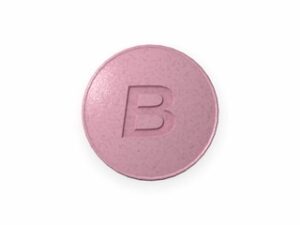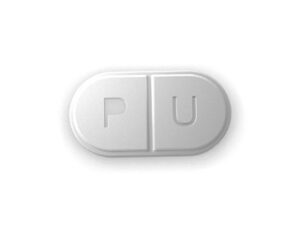

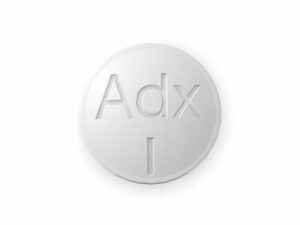
Alendronate (for the treatment of osteoporosis)
Alendronate is a medicine used to help prevent bone loss and reduce the risk of fractures in people with osteoporosis or other bone conditions. It belongs to a group of medicines called bisphosphonates. In the UK, alendronate is commonly supplied for long-term use and is available in different strengths and dosing schedules.
This page explains how alendronate works, how to take it safely, key interactions (including with food and other medicines), what to expect, and practical tips to help you get the best results.
Basic product information
- Active ingredient: alendronic acid (usually “alendronate” in everyday use)
- Medicine type: bisphosphonate
- Common forms: tablets (strengths may vary by brand and local supply)
- Dosing schedules: typically once daily or once weekly, depending on the product
- Who it is for: adults with osteoporosis or other conditions where fracture risk is high
How alendronate works (mechanism of action)
Bone is constantly being broken down and rebuilt. In osteoporosis, bone breakdown can outweigh bone formation, making bones weaker and more fracture-prone. Alendronate works by slowing bone resorption.
It is taken up by bone tissue and is especially concentrated at areas where bone is being removed. Alendronate helps reduce the activity of bone-resorbing cells (osteoclasts), which leads to:
- Reduced bone breakdown
- Improved or maintained bone mineral density over time
- Lower fracture risk, including hip and vertebral (spine) fractures
Pharmacokinetics (how the body handles alendronate)
Understanding how alendronate is absorbed and cleared helps explain the strict instructions around timing and food.
- Absorption: oral absorption is low and is significantly reduced by food and many beverages.
- Distribution: most of the absorbed portion binds to bone; a smaller amount circulates briefly in blood.
- Metabolism: alendronate is not extensively metabolised in the body.
- Elimination: it is cleared largely through the kidneys.
- Bone retention: it can remain in bone for a long time, which is one reason long-term therapy is often used.
Typical use in the UK
Alendronate is widely used in the UK to treat osteoporosis in certain groups, such as:
- Postmenopausal women with osteoporosis
- Men with osteoporosis (where clinically appropriate)
- People at high fracture risk, depending on assessment results
It may also be used for other bone-related indications as defined by local prescribing guidance and product licence.
Indications: when alendronate is used
Indications can vary slightly depending on the formulation and licence. In general, alendronate is used to:
- Treat osteoporosis and help prevent future fractures
- Reduce the risk of vertebral fractures
- Reduce the risk of hip fractures in appropriate patients
Your suitability depends on factors such as bone density results, age, prior fractures, and overall risk assessment. Always follow the instructions provided with your medicine and the advice of your healthcare professional.
Dosing and timing: how to take alendronate safely
The most important part of using alendronate is timing and taking it correctly. Food and some drinks can greatly reduce absorption and may increase the risk of stomach irritation.
General dosing schedules
Common schedules include:
- Once daily (for some formulations/strengths)
- Once weekly (for many UK regimens)
Use the dosing schedule printed on your medicine label and follow it consistently. Do not switch between daily and weekly regimens unless advised.
How to take it (step-by-step)
- Take alendronate first thing in the morning or at least 30 minutes before your first food, drink, or other medicine of the day. (Some product instructions specify longer; follow your specific leaflet.)
- Swallow the tablet whole with a full glass of plain water (for many products, this is about 200 ml).
- Do not lie down for at least 30 minutes after taking it. Try to remain upright (sitting or standing).
- Avoid taking it with food, coffee, tea, milk, or other drinks. Only plain water is recommended for the dose.
What if you miss a dose?
If you miss a dose, the correct approach depends on whether you take it daily or weekly. Refer to the patient information leaflet for your specific schedule. In general:
- Do not take two doses at the same time to make up for a missed tablet.
- For weekly dosing, take the missed dose when you remember unless it is close to the next scheduled dose.
- If unsure, ask a pharmacist or check the leaflet that came with the medicine.
Food interactions and what to avoid
Food can significantly reduce absorption of alendronate. This is why instructions are strict.
Foods and drinks
- Avoid taking with: food, milk, tea, coffee, juice, fizzy drinks, and any beverages other than plain water.
- Wait after your dose: allow the recommended time (commonly at least 30 minutes) before eating or drinking anything besides water.
Calcium and vitamin supplements
Calcium, iron, magnesium, and some antacids can interfere with absorption if taken too close to alendronate. If you need supplements, spacing them away from your alendronate dose is important.
- Follow your leaflet regarding the interval before/after taking calcium or antacids.
- Many people schedule supplements later in the day, but the best timing is individual.
Alcohol and medicine interactions
Alcohol is not typically a direct interaction with alendronate in the way that food is, but heavy or regular alcohol use can contribute to bone weakness and may increase the risk of stomach irritation.
- If you drink alcohol, keep to recommended limits and consider discussing your situation with a healthcare professional.
- If you develop stomach pain, indigestion, or swallowing problems, seek medical advice promptly.
Other medicines to consider
Some medicines may affect how alendronate is tolerated or absorbed. Examples include:
- Minerals/antacids (calcium, magnesium, iron) and some laxatives containing minerals: may reduce absorption if taken too close together.
- Non-steroidal anti-inflammatory drugs (NSAIDs) (e.g., ibuprofen, naproxen): may increase the risk of irritation to the gastrointestinal tract in some people. If you use NSAIDs regularly, discuss your plan with a pharmacist or clinician.
- Oral corticosteroids (e.g., prednisolone): may affect bone health; alendronate may be used to help counteract steroid-related bone loss where appropriate.
- Other bone-active medicines (e.g., other bisphosphonates, denosumab, teriparatide, raloxifene): do not combine without specific advice.
If you are taking multiple medicines, it is a good idea to keep an up-to-date list and review it with your pharmacist.
Safety profile and side effects
Like all medicines, alendronate can cause side effects. Many people tolerate it well when they take it correctly. However, some adverse effects can be serious, so it’s important to know what to watch for.
Common side effects
- Stomach upset
- Indigestion
- Nausea
- Abdominal discomfort
- Headache (in some cases)
Less common but important warnings
- Esophagus irritation (the food pipe) or inflammation: This risk is reduced by following the “upright and water-only” instructions. Seek medical advice urgently if you develop difficulty swallowing, pain on swallowing, chest pain, or worsening heartburn.
- Low calcium (hypocalcaemia): Risk is higher in people with vitamin D deficiency or certain metabolic conditions. Symptoms may include tingling, muscle cramps, or spasms.
- Jaw problems (rare): osteonecrosis of the jaw has been reported with bisphosphonates. It is rare, but risk may be higher after invasive dental procedures and in people with certain risk factors (for example, cancer treatment).
- Unusual thigh bone fractures (rare): persistent or new thigh/hip pain can be a warning sign.
When to get urgent help
Contact urgent medical services or seek immediate medical attention if you experience severe symptoms such as:
- Severe chest pain
- Severe trouble swallowing
- Vomiting blood or black stools
- Signs of a serious allergic reaction (swelling of face/lips, breathing difficulties, widespread rash)
Practical use tips for best results
- Use plain water only with your dose. Keep a full glass of water ready before you swallow the tablet.
- Stay upright after taking it. Setting a reminder to remain upright for the recommended time can help.
- Keep consistent timing. Taking it at the same time each day/week improves adherence and helps you avoid accidental food interactions.
- Plan breakfast and supplements. If you take calcium or vitamin D, schedule them later in the day unless your clinician advised otherwise.
- Dental hygiene matters. Maintain good oral health. Inform your dentist or oral surgeon that you take alendronate before any invasive procedure.
- Report new pain. New thigh, hip, or jaw pain should be discussed with a healthcare professional promptly.
Kidney function and special considerations
Alendronate is cleared by the kidneys. People with reduced kidney function may need extra caution or a different treatment choice. If you have kidney disease, ask your pharmacist or clinician whether alendronate is suitable for you and what monitoring is needed.
If you have swallowing disorders, significant gastrointestinal problems, or low vitamin D/calcium levels, your healthcare professional may recommend extra steps before or during therapy.
How long does treatment take to work?
Alendronate begins working by affecting bone breakdown relatively early, but fracture risk reduction and measurable bone density changes typically take months to years. Many people take alendronate as a long-term treatment plan.
- Bone mineral density changes are usually assessed over time (often at intervals recommended by clinical guidance).
- Fracture prevention benefits increase with continued treatment.
Your clinician may review treatment periodically and decide whether to continue, pause, or switch based on your risk profile.
Alternative options
If alendronate is not suitable or not tolerated, other options may be considered depending on your diagnosis and fracture risk. Alternatives include other bisphosphonates, bone-building agents, and other therapies for osteoporosis.
Common alternative treatments (examples)
- Other bisphosphonates (different dosing schedules and formulations)
- Denosumab (an injection given at intervals)
- Teriparatide/abaloparatide (bone-building injections used in selected cases)
- Raloxifene (for some postmenopausal patients)
Your best option depends on your medical history, kidney function, tolerance, risk factors, and preferences (e.g., tablets vs injections).
Market and legal context for the United Kingdom
In the UK, medicines containing alendronate are licensed for appropriate indications and are regulated by the Medicines and Healthcare products Regulatory Agency (MHRA). Supply is managed through established channels, including pharmacy distribution and prescribing systems.
Bone health medicines are commonly used alongside guidance on lifestyle measures such as adequate calcium and vitamin D intake, safe weight-bearing activity, and fall prevention. UK fracture risk assessments and osteoporosis management strategies are informed by national clinical guidance and local commissioning pathways.
Recent guidance and ongoing monitoring (UK context)
Osteoporosis treatment decisions in the UK typically consider both the initial fracture risk and a person’s response over time. Clinicians often reassess:
- Bone density results and clinical risk factors
- Any new fractures
- Side effects and tolerability
- Need for continued therapy or review of the treatment plan
Follow the advice from your healthcare professional about review appointments and whether monitoring tests (such as vitamin D status) are needed. If you have symptoms that might indicate a rare complication, report them promptly.
Delivery and availability from a UK online pharmacy
Alendronate is commonly available in the UK through pharmacies and pharmacy fulfilment networks. Availability can vary by strength and schedule.
When ordering online, check:
- Strength and dosing schedule (once daily vs once weekly)
- Quantity (pack size)
- Expiry date on dispatch
- Delivery options and estimated timescales
We recommend storing alendronate according to the pack instructions (typically in a dry place, at room temperature, out of reach of children).
FAQ
1) What is alendronate used for?
Alendronate is used to treat osteoporosis and help reduce the risk of fractures, including vertebral (spine) and hip fractures, in people who are at increased fracture risk.
2) Should I take alendronate every day or once a week?
That depends on the specific product and your treatment plan. Some formulations are taken once daily, while others are taken once weekly. Always follow the dosing instructions on your label and the patient information leaflet.
3) Why does alendronate have to be taken with plain water only?
Food and many drinks can greatly reduce absorption. Plain water helps ensure the medicine is absorbed properly and may reduce the risk of irritation to the upper digestive tract.
4) Can I take alendronate with coffee or tea?
No. Coffee and tea (and other drinks besides plain water) can reduce absorption and may increase gastrointestinal irritation. Take the dose with plain water and wait the recommended time before having other drinks or food.
5) Can I take vitamin D or calcium while on alendronate?
Often, vitamin D and calcium are recommended to support bone health. However, timing matters. Try to separate supplements from alendronate by the interval stated in your leaflet or as advised by a clinician.
6) What should I do if I experience heartburn or indigestion?
Mild indigestion can occur. Make sure you are taking the tablet correctly: with plain water, remain upright, and do not take it with food. If symptoms are severe, persistent, or you develop difficulty swallowing or pain on swallowing, seek medical advice promptly.
7) Are there any serious side effects?
Serious side effects are rare but important. Seek urgent medical advice if you develop symptoms such as severe chest pain, trouble swallowing, or signs of a serious allergic reaction. Report persistent thigh/hip pain or jaw pain to a healthcare professional.
8) Can I drink alcohol while taking alendronate?
Moderate alcohol consumption is not usually a direct interaction, but excessive alcohol can weaken bones and may worsen stomach irritation. If you’re unsure about your situation, ask a pharmacist or clinician for personalised advice.
9) Do I need blood tests?
Some monitoring may be recommended, especially if you have risk factors for low calcium or vitamin D deficiency, or if kidney function is reduced. Your clinician will advise what (if any) tests are needed.
10) Are there alternatives if I can’t take alendronate?
Yes. Alternatives may include other bisphosphonates or different osteoporosis therapies such as injections. Suitability depends on your specific diagnosis, kidney function, and preferences.
Quick reference table: key points at a glance
| Topic | What to know |
|---|---|
| How it works | Reduces bone resorption by slowing osteoclast activity, helping maintain bone strength. |
| Best time to take | First thing in the morning or at least 30 minutes before food/drinks/other medicines (follow leaflet for exact timing). |
| With what to take it | Plain water only; swallow whole. |
| After taking | Stay upright for at least 30 minutes; do not lie down. |
| Food interaction | Food and beverages reduce absorption—avoid taking with coffee, tea, milk, juices, or food. |
| Alcohol | Not usually a direct interaction, but excessive intake may affect bone health and irritate the stomach. |
| Common side effects | Indigestion, stomach upset, nausea, abdominal discomfort. |
| Seek advice urgently | Difficulty swallowing, pain on swallowing, severe chest pain, or severe persistent symptoms. |
| Dental precautions | Maintain oral health and inform dental professionals; rare jaw complications have been reported. |
Important: This information is intended to help you understand alendronate. Always read the patient information leaflet included with your medicine and follow the instructions on the pack. If you have questions about your treatment, side effects, or interactions, speak to a pharmacist.