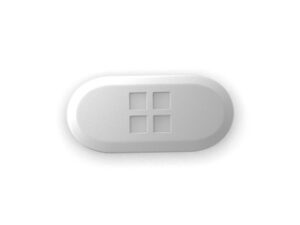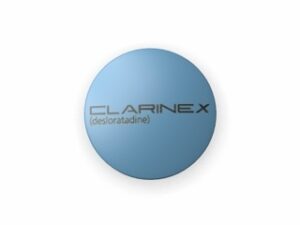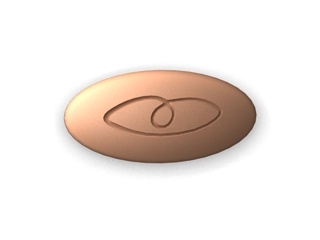
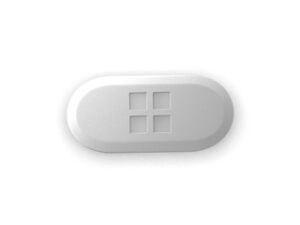
Allegra (Fexofenadine) – Allergy Relief for Adults and Children
Allegra contains fexofenadine, a well-known antihistamine used to relieve allergy symptoms. It is commonly chosen for hay fever (seasonal allergic rhinitis) and hives (chronic urticaria). Many people prefer fexofenadine because it is a non-sedating antihistamine for most users.
This guide explains how Allegra works, how to take it, what to expect, and important safety information—written for people in the United Kingdom.
Key Product Information
| Category | Details |
|---|---|
| Medicine | Allegra (fexofenadine) |
| Type | Antihistamine (second-generation) |
| Common uses | Hay fever symptoms; hives (urticaria) |
| How it helps | Reduces effects of histamine released during allergic reactions |
| How quickly it may work | Often within a few hours for symptom relief |
| Typical dosing | Varies by age and condition (see dosing section below) |
How Allegra Works (Mechanism of Action)
When your body encounters an allergen (such as pollen, dust mites, or animal dander), it may release a chemical called histamine. Histamine contributes to symptoms such as:
- sneezing
- itchy, watery eyes
- runny or blocked nose
- itchy skin and raised welts in hives
Fexofenadine works by blocking histamine H1 receptors. By preventing histamine from binding to these receptors, it helps reduce allergy symptoms.
Allegra is described as a second-generation antihistamine. Compared with older antihistamines, it is less likely to cause drowsiness in many people.
Pharmacokinetics (What Happens in the Body)
Understanding the journey of fexofenadine can help you time doses and avoid common interaction issues.
- Absorption: After you take Allegra by mouth, fexofenadine is absorbed from the gut into the bloodstream.
- Distribution: It distributes through the body but does not typically cause heavy sedation for most users.
- Metabolism: Fexofenadine is minimally metabolised.
- Elimination: It is mainly removed from the body through excretion (including via bile and/or faeces; and to some extent through urine).
One important practical point is that certain fruit juices can reduce absorption (see “Food interactions” below). For best effect, avoid these at dosing time.
What Allegra Is Used For (Indications)
In the UK, Allegra (fexofenadine) is commonly used for:
- Hay fever (seasonal allergic rhinitis): relief of symptoms such as sneezing, itching, runny nose, and watery/itchy eyes.
- Hives (chronic urticaria): relief of symptoms such as itchy skin and raised wheals.
If symptoms persist, worsen, or you develop additional symptoms (e.g., wheezing, swelling of the face/lips, difficulty breathing), seek urgent medical advice.
When to Take Allegra (Timing and How Often)
Allegra is usually taken for many common adult indications, but dosing can vary by age and formulation. For many people, taking it at the same time each day helps maintain steady symptom control.
General timing tips
- Consistency matters: take each dose at a similar time.
- Start when symptoms begin: you may benefit by starting during the early phase of a pollen season or when hives flare up.
- Allow time to work: allergy symptoms often begin to improve within a few hours.
- Keep taking if advised: antihistamines help manage symptoms while exposure continues (e.g., pollen in the air).
Food Interactions (Including Fruit Juice)
Food can affect how well fexofenadine is absorbed. The most important interaction to know is with fruit juices.
- Do not take with grapefruit or orange juice: these can reduce absorption and lower effectiveness.
- Take with water: plain water is usually the best choice.
- Timing suggestion: if you do drink fruit juice, separate it from your dose by several hours (especially for grapefruit/orange juice), if possible.
Food in general (such as meals) may affect absorption to a lesser extent, but fruit juice is the key concern. Always follow the specific instructions on your product pack.
Alcohol and Medication Interactions
Alcohol
Because fexofenadine is less sedating for most users, it is generally considered compatible with light or moderate alcohol. However, reactions can be individual. If you feel drowsy or “off” after taking Allegra, avoid alcohol and driving.
Medication interactions
Some medicines can interact with fexofenadine, mainly by changing absorption or transport in the gut or bloodstream. Pay special attention if you take the following:
- Antacids containing aluminium or magnesium: may reduce absorption. If you need an antacid, separate it from Allegra by a few hours (check the pack or ask a pharmacist for the safest spacing).
- Other medicines for allergy: combining antihistamines may increase side effects without added benefit.
- Kidney conditions: reduced clearance can increase levels. Your pharmacist/doctor may advise dose adjustments.
- Transports/absorption modifiers: some drugs can affect how fexofenadine is handled in the body. If you take regular medication, check with a pharmacist for personalised advice.
If you are unsure whether a medicine could interact with Allegra, consult your pharmacist. Provide a complete list of medicines and supplements you take.
Dosing – Adults, Children, and Practical Notes
Dosing depends on the age, the condition being treated, and the specific product strength and formulation. Always follow the dosing directions on the pack or the advice given by a healthcare professional.
Typical dosing overview (follow pack instructions)
- Adults: commonly taken once daily for hay fever or hives, depending on the product strength.
- Children: dosing may be age- and weight-dependent, and different strengths or formulations may be available.
Because product strengths vary by formulation and market availability, always confirm the exact dose for your specific Allegra product. If you are purchasing Allegra for a child, check the pack carefully and avoid adult dosing.
Missed dose
- Take it as soon as you remember.
- If it is close to the time of your next dose, skip the missed dose.
- Do not take a double dose to make up for a missed one.
How to take Allegra safely
- Swallow tablets with a glass of water.
- Do not crush or chew unless the formulation is designed for that (follow the pack).
- Keep to the recommended dose and schedule.
Safety Profile and Side Effects
Like all medicines, Allegra can cause side effects, although not everyone will get them. Most people tolerate fexofenadine well. Side effects are typically mild.
Common or mild side effects
- headache
- dry mouth
- nausea or mild stomach discomfort
- fatigue or dizziness (less commonly reported)
Seek urgent medical help if you experience
- swelling of the face, lips, tongue, or throat
- severe rash, blistering, or trouble breathing
- fainting or signs of a severe allergic reaction
Special safety considerations
- Pregnancy and breastfeeding: discuss use with a pharmacist or doctor, especially if symptoms are significant.
- Kidney problems: fexofenadine clearance may be reduced—seek advice for appropriate dosing.
- Children: use only the approved age-appropriate product and dose.
Practical Use Tips for Best Results
To get the most from Allegra, a few practical habits can make a noticeable difference:
- Start early in the season: starting at the beginning of pollen exposure may help you stay comfortable while symptoms build.
- Use consistently: if your symptoms are ongoing, regular dosing can be more effective than waiting until symptoms are severe.
- Avoid grapefruit/orange juice: take with water to protect absorption.
- Consider environmental control: keep windows closed on high pollen days, shower after being outdoors, and wash bedding regularly.
- Track what triggers you: pollen, pets, dust, mould, and workplace exposures can differ—identifying triggers helps prevent flares.
- If symptoms aren’t improving: if after several days you still have poor control, ask a pharmacist about alternatives or add-on treatments.
Alternative Options
If Allegra isn’t enough or isn’t suitable, there are other approaches for allergies:
Other antihistamines
- Loratadine or cetirizine: often chosen depending on whether sedation is a concern and individual response.
- Fexofenadine alternatives: different antihistamines may work better for different people because symptom patterns and tolerability vary.
Nasal treatments (particularly for hay fever)
- Steroid nasal sprays can be highly effective for blocked nose and ongoing symptoms.
- Saline rinses may help clear nasal passages and reduce irritation.
Non-medicine measures
- air filtration where appropriate
- pollen forecasts and planning outdoor time
- using protective measures for outdoor exposure
A pharmacist can help you compare options based on your symptoms, age, and other medicines you take.
UK Market and Legal/Regulatory Context
In the UK, allergy medicines are widely available, including antihistamines used for hay fever and urticaria. Product availability, pack strengths, and wording on packs are regulated and updated according to public health and medicines guidance.
Important: Always follow the directions on the pack and the advice of a pharmacist, especially when using medicines for children, during pregnancy or breastfeeding, or if you have ongoing medical conditions.
If you are buying Allegra online in the UK, ensure you choose a reputable online pharmacy and check that the product is the correct strength and formulation for your needs.
Recent Guidance and Practical Advice (What Many Pharmacists Recommend)
While guidance can evolve, common UK practice for allergies includes:
- Choose targeted treatment: for nasal symptoms, a nasal spray may be more effective than an antihistamine alone.
- Use the right dosing schedule: once-daily dosing can improve adherence.
- Be cautious with combinations: avoid taking multiple antihistamines at the same time unless advised.
- Monitor response: if symptoms do not improve, a different medicine or add-on therapy may be needed.
If you have asthma or you experience allergy symptoms that affect breathing, seek appropriate clinical advice.
Delivery and Availability in the United Kingdom
Allegra is commonly available through UK pharmacies and online pharmacy retailers, often in different tablet strengths and sometimes in forms suitable for children (depending on current product range).
- Availability: stock can vary by strength and formulation.
- Delivery options: delivery times depend on your location and the pharmacy’s courier service.
- Packaging: medicines are typically supplied in manufacturer packaging with patient information leaflets.
Check the product page for the latest delivery estimate, stock status, and any pharmacy-specific service details.
FAQ: Frequently Asked Questions About Allegra (Fexofenadine)
1) Is Allegra the same as fexofenadine?
Yes. Allegra is a brand name that contains fexofenadine as the active ingredient.
2) Will Allegra make me sleepy?
Many people find Allegra less likely to cause drowsiness than older antihistamines. However, individual responses vary. If you feel sleepy, avoid driving and do not operate machinery.
3) How soon does Allegra work?
Symptom relief often begins within a few hours. For best results, take it consistently as directed while symptoms are present.
4) Can I take Allegra with food?
It is usually taken with or without food, but avoid grapefruit or orange juice. Water is a safe option. For the most accurate advice, check the specific instructions on your pack.
5) Can I drink alcohol while taking Allegra?
Light or moderate alcohol may be tolerated by many people, but it is best to use caution. If you notice any drowsiness or unusual effects, avoid alcohol and driving.
6) What happens if I miss a dose?
Take it when you remember unless it is close to the next scheduled dose. Do not take a double dose.
7) Is Allegra suitable for children?
It can be used in children, but dosing depends on age and formulation. Ensure you choose the correct product strength and follow the pack instructions closely (or ask a pharmacist).
8) Are there any common interactions I should know about?
Yes. Antacids containing aluminium or magnesium may reduce absorption, and grapefruit/orange juice can reduce effectiveness. If you take other regular medicines, ask a pharmacist to confirm safe spacing.
9) What if my symptoms don’t improve?
Allergy symptoms can vary. If you do not see enough improvement after a few days, speak to a pharmacist about whether you should adjust the plan, consider a different antihistamine, or add a nasal treatment.
10) When should I seek urgent help?
Seek urgent medical advice if you develop signs of a severe allergic reaction, such as swelling of the face/lips/tongue or difficulty breathing.
Summary
Allegra (fexofenadine) is an antihistamine used in the UK to relieve hay fever and hives. It works by blocking histamine at H1 receptors, helping reduce common allergy symptoms. For many people, it is less likely to cause drowsiness, but individual responses vary. To maximise effectiveness, take it with water and avoid grapefruit/orange juice. If symptoms are not well controlled or you have questions about interactions, a pharmacist can help you choose the safest and most effective option.