Betapace (Sotalol) — Patient-Friendly Guide (UK)
Betapace is a brand of sotalol, a medicine used to treat certain rhythm problems of the heart. It works by affecting electrical signals in the heart and can help reduce abnormal heartbeats and help prevent episodes of some arrhythmias.
This guide is designed to be easy to read and helpful. It explains how Betapace works, how it is used, key safety information, interactions, and practical tips for day-to-day use in the United Kingdom.
| Category | Details |
|---|---|
| Medicine | Betapace (sotalol) |
| Active ingredient | Sotalol (a beta-blocker with potassium channel blocking effects) |
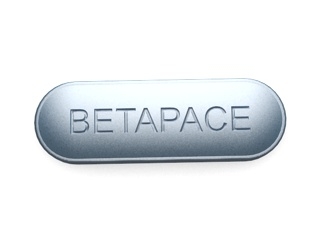
| Common forms | Oral tablets (strengths may vary by product availability) |
| How it works | Slows heart rate and stabilises the heart’s electrical activity |
| Typical use | Irregular heart rhythms such as atrial flutter/fibrillation and certain ventricular arrhythmias |
Basic product information
Betapace is supplied in tablet form for oral use. Sotalol belongs to the group of medicines known as antiarrhythmics and also has beta-blocker activity.
Because sotalol can affect the heart’s electrical timing, it requires careful monitoring, especially when starting treatment, adjusting the dose, or restarting after missed doses.
How Betapace works (mechanism of action)
Sotalol works through two main actions:
- Beta-blocker effect (beta-adrenergic blockade): helps slow the heart rate and reduces the influence of stress hormones on the heart.
- Potassium channel blocking effect: can prolong the heart’s electrical recovery period, which helps prevent abnormal re-entry circuits and stabilises rhythm.
Together, these effects can reduce the frequency of abnormal rhythms and help maintain a more regular heart rhythm in selected people.
Pharmacokinetics (how the body handles sotalol)
Understanding how sotalol behaves in the body can help explain why dosing intervals and monitoring matter.
- Absorption: sotalol is absorbed after oral administration; the timing of absorption may be influenced by food (see “Food interactions” below).
- Distribution: it reaches the bloodstream and tissues, including the heart.
- Elimination: sotalol is mainly cleared by the kidneys. This makes kidney function an important factor in dosing.
- Half-life: sotalol has a relatively long duration of action, which supports twice-daily dosing in many regimens.
- Monitoring implications: slower removal (for example, reduced kidney function) can raise the level of medicine in the body and increase risk of rhythm-related side effects.
What Betapace is used for (indications)
Betapace is used to treat certain abnormal heart rhythms, usually when a rhythm control strategy is needed. Common indications include:
- Atrial flutter (a fast, regular rhythm arising in the atria)
- Atrial fibrillation (an irregular rhythm arising in the atria)
- Ventricular arrhythmias (fast rhythms arising from the ventricles), in selected cases
The most appropriate use depends on your ECG findings, symptoms, underlying heart condition, and other health factors. Your clinician may consider sotalol when other options are unsuitable or when careful monitoring is feasible.
Timing and how to take Betapace
Many people take sotalol twice daily (morning and evening) to maintain steady levels. However, the exact dosing schedule must match the regimen set for you.
Practical timing tips
- Try to take doses at the same times each day (for example, 8am and 8pm).
- Be consistent with food if you notice the tablets affect your tolerance or timing (some people find symptoms or side effects differ on different meals).
- Do not double up if you miss a dose. Instead, follow the advice you’ve been given by your healthcare team or the medicine guidance on missed doses.
- If you miss several doses, you may need an ECG review before restarting, depending on your risk and how long you were off the medicine.
Dosing — what is typical?
Dose varies widely based on the type of arrhythmia, your ECG, heart rate, blood pressure, symptoms, and especially kidney function.
In general terms, clinicians often use a cautious approach: starting at a level designed to reduce risk while still providing rhythm control, then adjusting as needed with ECG and clinical monitoring.
Key dosing considerations
- Kidney function: because sotalol is mainly eliminated through the kidneys, people with reduced kidney function may need lower doses or longer intervals.
- ECG monitoring: the “QT interval” (a measure on the ECG) may be monitored, as sotalol can increase QT prolongation in some circumstances.
- Electrolytes: low potassium or magnesium can increase risk of abnormal rhythms.
- Concomitant medicines: drugs that also affect heart rhythm or electrolytes can require dose adjustments or avoidance.
| Situation | Why it matters |
|---|---|
| Starting treatment | May require ECG monitoring to check QT interval and detect excessive slowing or rhythm changes. |
| Dose increases | Increases the chance of side effects; ECG and symptoms are reassessed. |
| Reduced kidney function | Could raise sotalol levels; dosing is typically adjusted to match clearance. |
| Low potassium/magnesium | Can heighten pro-arrhythmic risk; correction may be needed. |
Food interactions
Food may influence how quickly sotalol reaches peak levels in the bloodstream. For many patients, taking tablets consistently with or without food helps maintain predictable effects.
In practice:
- If your regimen specifies “with food” or “without food,” follow that instruction.
- If you’re unsure, choose the same pattern each day (for example, always take it after breakfast and after dinner) and discuss any change with your clinician or pharmacist.
- Avoid dehydration and follow advice about fluid intake, especially if you have conditions that affect kidney function.
Alcohol and medicine interactions
Alcohol
Drinking alcohol can worsen dizziness or light-headedness in some people and may also affect heart rhythm in susceptible individuals. Because sotalol slows the heart and can lower blood pressure, alcohol may increase these effects.
A cautious approach is advised: keep alcohol intake moderate, and avoid binge drinking. If you notice palpitations, fainting, unusual breathlessness, or severe dizziness, seek medical advice promptly.
Medicine interactions (important)
Several medicines can interact with sotalol, either by increasing the risk of abnormal rhythms, altering heart rate, or affecting electrolyte balance.
Always tell your healthcare team about all medicines you take, including OTC products and herbal remedies.
Common interaction themes
- Other medicines that prolong the QT interval (increases risk of dangerous rhythm changes).
- Medicines that slow the heart (may lead to excessive bradycardia or dizziness).
- Medicines that lower potassium or magnesium (for example, certain diuretics can contribute).
- Medicines affecting kidney function (may change sotalol clearance).
Examples of medicines to discuss
This list is not exhaustive, but it highlights the types of medicines that often require extra review:
- Antiarrhythmics (other rhythm medicines)
- Some antibiotics and antifungal medicines known to affect the ECG in certain cases
- Some antidepressants and antipsychotics
- Antiemetics used for nausea/vomiting (some can affect QT)
- Opioids and sedating medicines (may worsen dizziness; interaction varies)
- Diuretics (especially those causing electrolyte loss)
- Electrolyte-lowering agents (where applicable)
Your pharmacist can check interactions based on your exact prescription history, dose and timing, and any kidney issues.
Safety profile — what side effects to watch for
Like all medicines, Betapace can cause side effects. Most people tolerate it when used appropriately, but sotalol has some specific risks that require attention.
Seek urgent medical help if you experience:
- Fainting or near-fainting
- Severe dizziness or sudden weakness
- Chest pain or worsening shortness of breath
- New, persistent palpitations or a rapid heartbeat that feels different from usual
- Signs of an allergic reaction (swollen face/lips, rash, trouble breathing)
Commonly reported side effects
- Slower heart rate (bradycardia)
- Dizziness or light-headedness
- Fatigue and reduced exercise tolerance
- Nausea or stomach discomfort
- Headache
- Cold hands and feet (beta-blocker-type effect in some people)
Less common but important risks
- QT prolongation: can increase the risk of a potentially serious rhythm disturbance in susceptible individuals.
- Electrolyte-related rhythm risk: low potassium or magnesium can increase risk.
- Worsening heart failure symptoms in certain people (if present, it should be managed carefully).
- Breathing problems (beta-blockers may worsen asthma/COPD in some people; your clinician will weigh risk and benefit).
Who should take extra care?
- People with kidney impairment
- People with low blood pressure or slow resting heart rate
- People with a history of QT prolongation or certain arrhythmias
- People taking medicines that interact with QT or heart rate
- People with diabetes (beta-blockers can sometimes mask warning signs of low blood sugar)
- People with asthma or COPD (beta-blocker effects may be relevant)
Practical use tips for safer, smoother treatment
- Keep ECG/clinic appointments as advised—especially after starting or changing dose.
- Know your symptoms: learn what palpitations feel like for you and report changes promptly.
- Stay hydrated (unless you’ve been told to restrict fluids). Dehydration can affect kidney function and electrolytes.
- Don’t abruptly stop without medical advice; stopping beta-blocker-like effects suddenly can be harmful for some people.
- Be careful with OTC medicines: some cold/flu remedies and anti-nausea products can affect heart rate or rhythm.
- Monitor electrolytes if you’re at risk—your clinician may check potassium and magnesium, particularly if you take diuretics.
- Carry a medicine list: include your sotalol dose and any other rhythm-related medications.
Missed dose guidance (general)
If you miss a dose, take it as directed in the official medicine guidance you have been given. Because sotalol is rhythm-related, the safest approach depends on how many doses you missed and when you remember.
If you have missed more than one dose, contact your pharmacy or healthcare provider for advice—restarting may require additional monitoring.
Alternative options
Depending on your specific arrhythmia, health history, and ECG findings, clinicians may consider alternative treatments. These may include:
- Other antiarrhythmic medicines (choice depends on risk profile and ECG effects)
- Rate control strategies (for some people, controlling how fast the heart beats is appropriate even if rhythm isn’t fully normalised)
- Procedures such as cardioversion or catheter ablation, depending on rhythm type and eligibility
- Risk factor optimisation (e.g., treating thyroid disorders, addressing sleep apnoea, managing electrolyte balance)
Your clinician can help determine which approach is best for you. Don’t switch medicines without professional guidance.
Market and legal context for the UK
In the United Kingdom, medicines such as Betapace (sotalol) are regulated and provided through the NHS and private healthcare in line with UK medicines regulation.
Availability may vary due to supply factors, pack sizes, and strength changes. Pharmacy teams may advise on suitable alternatives if a specific product is temporarily unavailable.
Recent guidance and monitoring practices (UK context)
While guidance can change over time, current clinical practice emphasises:
- ECG monitoring when initiating or adjusting antiarrhythmic therapy, with attention to QT interval and heart rate.
- Assessment of kidney function to tailor dosing for medicines cleared renally.
- Review of interacting medicines that can increase arrhythmia risk.
- Correction of electrolytes (potassium and magnesium) where indicated.
- Patient education to encourage reporting of warning symptoms promptly.
Delivery and availability (online pharmacy)
Online pharmacies in the UK typically offer delivery options that may include standard and express services depending on location and stock levels. Delivery times can vary, especially when a product is in short supply.
For the smoothest experience:
- Order early if you need the next dose on a specific day.
- Keep track of your current stock to avoid running out.
- If a branded product is temporarily unavailable, the pharmacy team may offer a suitable alternative based on availability and your prescriber’s requirements.
Safety checklist before starting or continuing
- Have you had recent ECG monitoring when advised?
- Are you aware of any issues with kidney function?
- Have your potassium and magnesium levels been checked if you’re at risk?
- Do you take any medicines that might affect the QT interval or slow the heart?
- Have you discussed asthma/COPD symptoms if relevant?
FAQ — Frequently asked questions
Can I take Betapace with food?
Food can affect how quickly sotalol is absorbed. Follow the specific instructions provided with your product. If no instructions are given, using a consistent pattern (always with food or always without food) may help keep effects predictable.
How long does Betapace take to work?
Some effects on heart rhythm and heart rate may be seen shortly after starting, but the full benefit and safe dosing often require ECG assessment and time. Your clinician will guide expectations based on your arrhythmia type and response.
Will Betapace slow my heart too much?
It can. A slow heart rate is a known effect. Monitoring helps minimise risk, especially early in treatment or after dose changes. Contact a clinician if you feel unusually faint, very dizzy, or significantly more fatigued than expected.
What is QT prolongation, and why is it important?
QT prolongation is an ECG finding that reflects how long the heart’s electrical system takes to reset between beats. Sotalol can prolong QT in some people, and significant prolongation may increase risk of serious rhythm disturbances. That’s why ECG monitoring and checking electrolytes and interactions are important.
Can I drink alcohol while taking Betapace?
Moderate alcohol may be acceptable for some people, but alcohol can worsen dizziness and affect heart rhythm in susceptible individuals. Avoid heavy drinking and seek advice if alcohol seems to trigger palpitations, faintness, or breathlessness.
What medicines should I avoid?
You should avoid or be especially cautious with medicines that can interact with sotalol—particularly those that prolong the QT interval, slow the heart, or lower potassium/magnesium. Ask your pharmacist to check your full list of medicines, including OTC and herbal products.
What should I do if I miss a dose?
Follow the missed-dose instructions provided with your medicine or by your healthcare team. Because sotalol affects heart rhythm, if multiple doses are missed, you may need advice before restarting.
Are there alternatives to Betapace?
Yes. Alternatives include other antiarrhythmic medicines, rate control approaches, or procedures depending on your rhythm type and risk profile. Discuss options with your clinician.
Who is at higher risk of side effects?
Risk is higher in people with reduced kidney function, existing QT prolongation, low potassium/magnesium, significant heart disease, and those taking interacting medicines. Your clinician may adjust your dose and monitor you more closely.
Can I stop Betapace suddenly?
Do not stop sotalol without medical advice. Stopping abruptly can worsen symptoms or affect heart rhythm in some people. If you need to stop, your clinician will advise a safe plan.
Summary
Betapace (sotalol) is a heart rhythm medicine used to help control selected arrhythmias. It works by slowing heart activity and stabilising the heart’s electrical signals. Because it can affect ECG measurements—especially the QT interval—and is cleared by the kidneys, careful dosing, monitoring, and interaction checks are important.
If you have questions about how to take your tablets, interactions with your other medicines, or what side effects to watch for, your pharmacist can help you find safe, practical guidance.