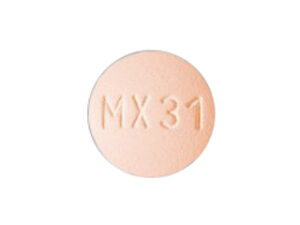
Bupropion (Bupropion hydrochloride) — Patient Guide (UK)
Bupropion is a prescription-only medicine used for specific mental health indications. It is available in different formulations and strengths, depending on the product brand. This guide explains what bupropion is, how it works, typical uses, how to take it safely, and what to expect during treatment.
Important: This information is designed to help you understand your medicine. It does not replace advice from a healthcare professional. If you have questions about your specific situation, speak to your clinician or pharmacist.
Basic product information
| Information | Details |
|---|---|
| Generic name | Bupropion (bupropion hydrochloride) |
| How it comes | Tablet formulations may be immediate-release or modified-release (e.g., extended/slow release), depending on brand. |
| What it’s used for | Depression (major depressive episodes) and smoking cessation support (varies by product/UK licensing status and brand availability). |
| Common dosing approach | Typically started at a lower dose and increased gradually. The exact regimen depends on formulation and indication. |
| Common side effects | Dry mouth, headache, nausea, insomnia, and increased sweating are among the more commonly reported effects. |
How bupropion works (mechanism of action)
Bupropion affects brain chemicals involved in mood and motivation. It mainly acts by influencing the uptake and signalling of:
- Norepinephrine (a neurotransmitter involved in alertness and mood regulation)
- Dopamine (a neurotransmitter involved in reward, motivation, and drive)
Unlike some other antidepressants, bupropion is generally not classified as an SSRI (selective serotonin reuptake inhibitor) and it has a different side-effect profile. For many people, it is less associated with sexual dysfunction than some other antidepressants, although individual experiences vary.
Indications (what it’s used for)
In the UK, bupropion may be used for:
- Depression (for major depressive episodes), particularly when a clinician believes the benefits outweigh risks.
- Smoking cessation support (to help you stop smoking), where appropriate under UK prescribing and product licensing arrangements.
Note: Availability for a specific indication depends on the licensed product and local clinical practice. Your clinician will confirm whether bupropion is appropriate for your condition.
Dosing: typical approach and how to take it safely
Dosing is individual and depends on:
- Your diagnosis (depression vs smoking cessation support)
- Your formulation (immediate-release vs modified/extended-release)
- Your age and overall health
- Whether you have liver or seizure risk factors
- Other medicines you take
General principles for dosing
- Start low, go slow: A lower initial dose helps reduce early side effects such as insomnia and anxiety.
- Do not exceed the maximum daily dose stated for your specific product.
- Swallow whole if modified-release: Many extended/slow-release tablets must not be crushed or split. Follow your pack instructions.
- Consistency matters: Take at the same times each day.
Timing (including best time of day)
Bupropion can cause insomnia or a “stimulating” feeling in some people. Therefore:
- Many people are advised to take doses in the morning.
- If your regimen includes more than one daily dose, your clinician may advise keeping the second dose earlier in the day, to reduce sleep disruption.
If you notice trouble sleeping, avoid taking it late in the day and speak to your pharmacist about adjusting the schedule (do not change dose on your own).
Pharmacokinetics (how your body handles bupropion)
Pharmacokinetics describes what happens after you take a dose—how the medicine is absorbed, processed, and eliminated.
- Absorption: Bupropion is absorbed from the gastrointestinal tract. For modified-release formulations, absorption is designed to be slower and steadier.
- Distribution: It distributes into body tissues, including the brain.
- Metabolism: Bupropion is mainly metabolised by the liver. A major active metabolite is hydroxybupropion, which can contribute to clinical effects.
- Elimination: The metabolites are primarily eliminated via the kidneys (urine).
- Half-life (general concept): The medicine and its metabolites have varying half-lives, which is why steady symptom changes can take time, and dosing frequency differs by formulation.
Clinical takeaway: Because bupropion is processed in the liver and eliminated by the kidneys, dose decisions and safety precautions may differ if you have liver impairment or kidney problems.
Typical onset of effects: when you may notice benefit
People often ask how quickly bupropion works. Responses vary, but a common pattern is:
- First 1–2 weeks: Some people notice changes in energy, concentration, or sleep. Others may mainly experience side effects.
- 3–6 weeks: Mood improvements are more likely to become clear.
- 6–8+ weeks: In many cases, clinicians review the overall response and decide whether to continue, adjust, or switch treatment.
Do not stop early because you “don’t feel better yet.” If side effects are troublesome or worsening, contact your pharmacist or clinician promptly.
Food interactions and what to eat
For most people, bupropion can be taken with or without food. However, food may affect stomach comfort:
- If you feel nauseous, taking it with a light meal or snack can help.
- Stay consistent with how you take it (always with food or always without), unless your clinician advises otherwise.
Gastric side effects: If you develop persistent vomiting, severe stomach pain, or signs of dehydration, seek medical advice.
Alcohol and medicine interactions
Alcohol
It’s best to use caution with alcohol when taking bupropion.
- Seizure risk: Both heavy alcohol intake and alcohol withdrawal can increase seizure risk.
- Effect on mood and sleep: Alcohol may worsen insomnia, low mood, or anxiety, which can undermine treatment goals.
Practical advice: If you drink alcohol, discuss what amount is safe for you with your clinician. If you are reducing or stopping heavy alcohol use, do so under medical guidance.
Other medicines (important interaction highlights)
Bupropion can interact with other medicines, including those affecting the liver enzymes that metabolise it, as well as medicines that lower the seizure threshold.
Be especially careful and tell your pharmacist if you take:
- Medicines that can increase seizure risk (e.g., some antipsychotics, antidepressants, or stimulants; exact medicines depend on your regimen)
- Other antidepressants and medicines that affect mood
- Antiarrhythmics or other medicines with relevant interactions (your pharmacist will advise)
- Some antimalarials (e.g., if relevant to travel)
- Medicines that influence liver metabolism (your pharmacist may check specific interactions)
Do not start, stop, or change doses of any other medication without professional advice.
Safety profile: who should take extra care
Bupropion is not suitable for everyone. Some conditions increase the risk of serious adverse effects, particularly seizures. A clinician will screen for risk factors and may choose an alternative if necessary.
Key safety considerations
- Seizure risk: Risk can be increased by factors such as a history of seizures, certain eating disorders, abrupt withdrawal from alcohol or sedatives, or use of other medicines that lower the seizure threshold.
- Eating disorders: People with bulimia or anorexia nervosa require special caution.
- Liver impairment: Because bupropion is metabolised in the liver, clinicians may use reduced dosing or alternative strategies if liver function is impaired.
- Kidney impairment: May also affect clearance of metabolites.
- Blood pressure: Bupropion can increase blood pressure in some people. Monitoring may be recommended, especially if you have hypertension.
- Psychiatric risk: Any antidepressant-related changes in mood or behaviour should be monitored. If you experience agitation, worsening depression, or unusual changes, contact a clinician promptly.
- Allergic reactions: Stop and seek urgent help if you develop swelling, breathing difficulties, or severe rash.
Common side effects
Many side effects are dose-related and often improve after the first couple of weeks.
- Insomnia or restlessness
- Headache
- Dry mouth
- Nausea
- Increased sweating
- Appetite changes
Seek urgent medical help for
- Seizures or sudden loss of consciousness
- Severe allergic reactions (e.g., swelling of face/lips, trouble breathing)
- Chest pain, fainting, or severe shortness of breath
- Manic symptoms (e.g., unusually elevated mood, decreased need for sleep with increased activity)
- Thoughts of harming yourself or significant worsening of mood (urgent assessment is essential)
Practical use tips (getting the best from treatment)
- Take it at a predictable time: Morning dosing often reduces insomnia. If you’re on split dosing, keep the second dose earlier.
- Track sleep and mood early: Note sleep quality, anxiety, and energy for the first 2–3 weeks.
- Stay hydrated: Dry mouth and headaches may improve with adequate fluids.
- Manage nausea: Consider taking with a small meal and avoid very rich/spicy foods if nausea occurs.
- Avoid doubling doses: If you miss a dose, follow the pack instructions or ask your pharmacist—do not take extra to compensate.
- Don’t crush modified-release tablets: Follow the instructions on your specific product.
- Keep alcohol moderate or avoid it: Particularly during dose changes or if you have seizure risk factors.
Stopping or missed doses
If you miss a dose, the correct action depends on the formulation and dosing schedule. As a general rule:
- Do not take a double dose to make up for a missed tablet.
- Check the patient information leaflet or ask your pharmacist for advice specific to your brand.
If you plan to stop bupropion, do so only with guidance. Stopping suddenly can lead to discomfort in some people and may affect symptom control. Your clinician will advise the most appropriate tapering or stopping approach.
Alternative options (UK context)
If bupropion isn’t suitable or doesn’t work well for you, healthcare professionals may consider alternatives. Options depend on your diagnosis and individual factors.
For depression
- SSRIs (e.g., sertraline, citalopram, fluoxetine)
- Other antidepressants (e.g., venlafaxine, mirtazapine, duloxetine)
- Psychological therapies such as CBT, especially for mild to moderate depression or alongside medication
- Lifestyle support (sleep regularity, physical activity, structured routines)
For smoking cessation support
- Nicotine replacement therapy (NRT) (patches, gum, lozenges)
- Varenicline (where appropriate and licensed)
- Behavioural support and stop-smoking programmes
Your pharmacist or clinician can help compare effectiveness, side effects, and suitability for your circumstances.
Market and legal context in the United Kingdom
In the UK, the medicines supply system is regulated by the Medicines and Healthcare products Regulatory Agency (MHRA) and overseen through the wider NHS and pharmacy frameworks. Medicines like bupropion are typically supplied in accordance with UK medicines regulations and may be subject to specific prescribing and supply rules.
Online pharmacy services must follow UK legal requirements for supplying medicines, including verification processes and compliance with safety standards. Availability, brand names, and formulation strengths can vary by supplier and manufacturer.
Recent guidance note: Clinical practice for depression and smoking cessation in the UK may evolve with updates from professional bodies (e.g., NICE recommendations for depression management and tobacco dependence treatments). Your clinician will align treatment choices with current best practice.
Delivery and availability (online pharmacy)
Availability of bupropion depends on stock levels and the exact formulation and strength you need. When ordering online, you typically select:
- Brand and strength
- Formulation type (immediate-release vs modified-release)
- Quantity (based on your required course)
Delivery options usually include standard or expedited services, with dispatch times depending on stock. Some suppliers may require identity and eligibility checks before dispatch. Keep an eye on delivery timeframes and ensure someone can receive the parcel if required.
If you have urgent needs, contact customer service to confirm dispatch and delivery estimates.
FAQ
1) Is bupropion an SSRI?
No. Bupropion works primarily through effects on norepinephrine and dopamine signalling. It is not classified as an SSRI.
2) Why do people sometimes feel more alert or “wired” at first?
Bupropion can have activating effects in some people, especially early in treatment or after dose increases. Taking it earlier in the day and following the titration schedule can help.
3) How long does it take to work for depression?
Many people start noticing changes within the first few weeks, but clearer improvements often take 3–6 weeks (sometimes longer). Follow-up appointments help assess response.
4) Can I take bupropion with food?
Yes, it can usually be taken with or without food. If you get nausea, taking it with a meal may help.
5) Can I drink alcohol while taking bupropion?
It’s recommended to be cautious. Heavy alcohol use or withdrawal can increase seizure risk and may worsen mood or sleep. Discuss safe intake with your clinician or pharmacist.
6) What should I do if I miss a dose?
Check your product’s patient information leaflet or ask a pharmacist. In general, avoid taking a double dose to make up for the missed tablet.
7) Does bupropion cause weight changes?
Some people experience appetite or weight changes. If you notice rapid or worrying changes, speak to your clinician.
8) What are the most important warning signs?
Seek urgent help for seizures, severe allergic reactions, signs of severe mood changes (including mania), or sudden significant worsening in mental health.
9) Are there any medicines I should avoid?
Interaction risk depends on your full medication list. It’s especially important to avoid combinations that increase seizure risk or interact via liver metabolism unless your pharmacist and clinician confirm they are safe together.
10) Are there alternatives if bupropion doesn’t suit me?
Yes. Alternatives exist for depression and for smoking cessation, including other antidepressants, nicotine replacement therapy, or other cessation medicines, alongside psychological and behavioural support.
Final reminder: Always follow the instructions on your specific bupropion product and speak to your pharmacist if you’re unsure about dosing, side effects, or interactions.