

Desyrel (Trazodone) — Patient Information
Desyrel is the brand name for trazodone, a medicine used mainly to treat depression and, in some people, related sleep difficulties. This guide explains how Desyrel works, how it is used in everyday life, and key safety information to help you use your medicine more confidently.
If you have questions about your own treatment, always follow the advice of your healthcare professional.
1) Basic product information
- Medicine name: Desyrel
- Active ingredient: Trazodone
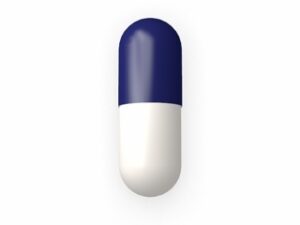
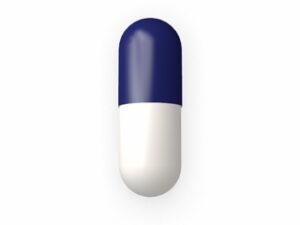
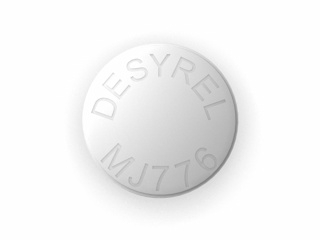
- Common form: Oral tablets (strengths vary by product/market)
- Medicinal purpose: Antidepressant (used for depression; some individuals also experience improved sleep)
- Who it is for: Adults (usage in younger people should be specifically directed by a clinician)
In the UK, trazodone-containing products may be supplied under brand names and also as medicines containing the same active ingredient (generic medicines where available). Your pharmacist can confirm exactly what strength and formulation you have.
2) How Desyrel works (mechanism of action)
Trazodone affects several chemical messengers in the brain, particularly serotonin. It helps rebalance signalling involved in mood, anxiety, and sleep.
- Serotonin reuptake inhibition (partial): Trazodone can influence serotonin handling in the brain.
- 5-HT2 receptor effects: It acts on serotonin receptors, which can contribute to both antidepressant effects and calming/sedating properties for some people.
- Sedative effect: Many individuals notice reduced restlessness and improved sleep quality, particularly when taken in the evening.
The exact balance of effects varies between individuals, which is why dosing and timing are often tailored to your symptoms and tolerance.
3) Pharmacokinetics: how the body handles trazodone
Pharmacokinetics describes what the body does to a medicine—how it is absorbed, broken down, and cleared. While individual experiences differ, the main points include:
- Absorption: Trazodone is absorbed after taking by mouth. Onset of noticeable effects can vary.
- Distribution: It reaches the brain and other tissues. It is highly protein-bound to some extent.
- Metabolism: It is metabolised in the liver, mainly by enzymes in the CYP450 system (important clinically for drug interactions).
- Elimination: Metabolites are excreted primarily through the kidneys. Some medicine activity may persist beyond the last dose.
Because metabolism differs from person to person—particularly with age, liver function, and interaction with other medicines—your clinician may adjust dose and monitoring.
4) Typical uses in practice
Desyrel (trazodone) is used primarily for:
- Depression (antidepressant treatment)
- Sleep-related symptoms in people with depression, where it may help with falling asleep and maintaining sleep (effects vary widely).
In real-world clinical practice, some clinicians may use trazodone to help with insomnia symptoms alongside mood treatment. If your sleep is the main concern, discuss the plan clearly with your healthcare team.
5) When to take Desyrel: timing and routine
The best timing depends on your dose, the formulation, and how you feel after taking it. Many people take trazodone in the evening because it can be sedating.
- Often in the evening or before bed: helps with sleep onset and reduces daytime drowsiness for some people.
- Follow the prescribed schedule: do not change timing or dose without advice.
- Be careful when starting: you may feel sleepy, dizzy, or less steady, especially the first days or when doses are increased.
If you miss a dose, take advice from your pharmacist or follow the instructions you were given. Avoid taking a double dose to make up for a missed one.
6) Food interactions and what to expect
Food does not usually eliminate trazodone’s effectiveness, but it can influence how quickly it is absorbed and how intense early side effects feel. Practical tips:
- Consistency helps: take it the same way each day (with or without food), unless your clinician advises otherwise.
- If you feel overly drowsy: some people find that taking the dose with a light meal can be better tolerated, but do not change without checking with your healthcare professional if you are unsure.
- Morning sickness or stomach upset: if it upsets your stomach, your clinician may recommend taking it with food.
7) Alcohol and medicine interactions
Alcohol
It’s generally recommended to avoid or minimise alcohol while taking Desyrel. Combining alcohol with trazodone can increase:
- Drowsiness
- Dizziness
- Risk of impaired driving or falls
Common medicine interactions
Trazodone is processed by the liver enzymes (particularly CYP450). Medicines that affect these enzymes can raise or lower trazodone levels. Interactions can also happen because of overlapping effects on serotonin, sedation, or heart rhythm.
Tell your pharmacist/doctor if you take any of the following:
- Other antidepressants, especially those affecting serotonin (e.g., SSRIs, SNRIs, MAOIs, some others).
- Medicines for migraine (e.g., triptans) and some pain medicines with serotonergic activity.
- Medicines that can affect heart rhythm (particularly those linked with QT prolongation).
- Sedatives or sleeping tablets (e.g., benzodiazepines, opioids, strong antihistamines) — may increase sedation and risk of falls.
- Strong enzyme inhibitors/inducers (certain antibiotics/antifungals/antivirals and other agents) — may change trazodone levels.
- Medicines that increase bleeding risk (e.g., antiplatelets or anticoagulants) — combined use may increase bleeding tendencies in some cases.
This is not a complete list. Always check with a healthcare professional before starting or stopping other medicines.
8) Indications: what it is used for
Desyrel is used to treat depression. In clinical practice, it may also be used where depression is accompanied by sleep disturbance or anxiety-related sleep difficulties.
The suitability of trazodone for your specific situation depends on your symptoms, other conditions, and other medicines you take.
9) Dosing: general guidance and how treatment often starts
Dosing is individual. Factors include age, liver function, other medicines, and how sensitive you are to side effects. Your prescriber will choose the starting dose and any gradual increases.
How treatment often begins
- Start low, go slow: many people begin at a lower dose to reduce the risk of early drowsiness, dizziness, and nausea.
- Titrate carefully: dose adjustments are often made gradually over days to weeks depending on response and tolerability.
- Typical response time: antidepressant effects often take several weeks to become clear, though sleep-related benefits may be noticed earlier.
Important practical notes
- Do not exceed your prescribed dose.
- Continue even if sleep improves early. Mood improvement may take longer.
- Do not stop suddenly: abrupt changes can lead to unwanted effects. Discuss tapering with your clinician.
If you are unsure about your dose, confirm it with your pharmacist using the strength on the pack.
10) Safety profile: side effects and what to watch for
Like all medicines, Desyrel can cause side effects. Many are mild and improve as your body adjusts, particularly during the first days. However, some require urgent medical attention.
Common side effects
- Drowsiness, tiredness, or “heavy” feeling
- Dizziness, light-headedness (especially when standing up)
- Nausea or stomach upset
- Headache
- Dry mouth
- Constipation
Less common but important risks
- Orthostatic hypotension: a drop in blood pressure when standing can increase fall risk.
- Abnormal heart rhythm (QT prolongation): risk may be higher if combined with other QT-prolonging medicines or if you have existing heart issues.
- Serotonin syndrome: rare but serious condition from too much serotonergic activity (often with other serotonergic drugs). Seek urgent help if you notice symptoms such as agitation, confusion, fever, sweating, tremor, diarrhoea, and muscle stiffness.
- Bleeding risk: uncommon, but bruising or unusual bleeding can occur, especially if you take blood-thinning medicines.
- Mania or hypomania: in some people with bipolar tendencies, antidepressants can trigger mood elevation or agitation.
When to get urgent medical advice
Contact emergency services or urgent care immediately if you experience:
- fainting, severe dizziness, or chest pain
- signs of allergic reaction (swelling of face/lips, breathing difficulty)
- symptoms suggestive of serotonin syndrome
- severe confusion, uncontrollable shaking, or very high fever
11) Practical use tips (UK-friendly day-to-day)
- Plan for the first days: avoid driving or operating machinery until you know how Desyrel affects you.
- Rise slowly: if you feel dizzy, stand up gradually from sitting/lying positions.
- Keep a simple symptom diary: note sleep duration, mood, and any side effects to help your clinician fine-tune dosing.
- Don’t mix with other sedatives unless advised: combining medicines that make you sleepy increases risk of falls and accidents.
- Hydrate and watch constipation: dry mouth and constipation can be helped by fluids, fibre, and appropriate lifestyle measures.
- Seek support for depression: medicines work best alongside talking therapies, sleep hygiene, and supportive routines when appropriate.
If you experience troublesome side effects, do not simply stop; discuss options with a healthcare professional. Adjusting timing or dose may help, or a different medicine may be recommended.
12) Alternative options
Depending on your symptoms and medical history, alternative treatments for depression and/or sleep problems may include:
Other medicines for depression
- SSRIs (e.g., sertraline, citalopram, fluoxetine)
- SNRIs (e.g., venlafaxine, duloxetine)
- Other antidepressants (choice depends on your profile and tolerance)
Sleep-focused options
- Non-medicine sleep strategies: regular sleep schedule, reduced evening caffeine, CBT-I (cognitive behavioural therapy for insomnia)
- Other sleep medicines: availability and suitability vary; some have higher dependency or fall risks than others
Choice of alternative depends on effectiveness, side-effect profile, and interaction risk with your other medicines. Your clinician can explain what is most appropriate for you.
13) Market and legal context in the United Kingdom
In the UK, medicines are regulated by the medicines framework overseen by the UK health authorities. Many antidepressants are available under prescription arrangements and may be dispensed by registered pharmacies.
For UK users, important considerations include:
- Safety monitoring: depression medicines require careful follow-up, especially when starting treatment.
- Individual suitability: dosing and monitoring depend on age, comorbidities, and other drugs.
- Controlled use and quality standards: medicines must meet UK regulatory standards for manufacture and supply.
Local guidance and prescribing practice can influence which treatments are preferred for particular patient groups. Always refer to advice from your healthcare professional for decisions about your care.
14) Recent guidance and care approach (high-level)
UK clinical practice generally emphasises:
- Shared decision-making and individualised treatment plans.
- Starting with the lowest effective dose and reviewing benefits and side effects regularly.
- Close monitoring early in treatment, particularly around changes in mood, anxiety, or unusual agitation.
- Attention to cardiovascular safety when medicines may affect heart rhythm, especially in people with risk factors.
Because recommendations can evolve, your healthcare professional may align treatment with the most current clinical and public health guidance.
15) Delivery and availability (UK)
Availability can vary by strength and formulation. Many online pharmacies in the UK aim to provide timely delivery, with options such as standard or tracked delivery depending on location and stock status.
- Check stock status: some items may require additional time if not immediately available.
- Delivery tracking: tracked services often provide updates during transit.
- Packaging: medicines are typically shipped in protective packaging to reduce damage risk.
If you need urgent access, contact customer support so they can advise on the most suitable dispatch and delivery options.
16) Quick comparison table: key practical points
| Topic | What to know about Desyrel (trazodone) |
|---|---|
| Main use | Depression; may also help sleep-related symptoms in some people |
| How it works | Serotonin-related effects in the brain; can be calming/sedating for some individuals |
| Timing | Often evening/bedtime; depends on dose and side effects |
| Food | May influence how quickly it feels; consistency with meals can help tolerance |
| Alcohol | Generally avoid or minimise—may increase drowsiness and dizziness |
| Common side effects | Drowsiness, dizziness, nausea, dry mouth, headache |
| Serious risks (rare) | Serotonin syndrome, abnormal heart rhythm, severe allergic reactions |
| When to expect benefit | Sleep may improve earlier; mood often takes several weeks |
17) FAQ — Frequently asked questions
How long does it take for Desyrel to work?
Sleep-related benefits may be noticed earlier in some people. Antidepressant effects typically take several weeks. If you are not feeling improvement after a reasonable time, speak with your healthcare professional before making changes.
Will it make me sleepy the next day?
It can. Drowsiness is common, especially after starting or increasing the dose. Taking it in the evening and giving your body time to adjust can help. If next-day sleepiness affects you, contact your clinician—dose timing or dose adjustment may be needed.
Can I drive while taking Desyrel?
Avoid driving or operating machinery until you know how Desyrel affects you. The first few days and after dose changes are the highest-risk times for drowsiness or dizziness.
What should I do if I miss a dose?
Follow the instructions provided by your pharmacist. In general, do not take an extra dose to catch up. Your best next step depends on when you missed it and your dosing schedule.
Is it safe to take with food?
Many people take trazodone with or without food. Consistency is helpful, and taking with food may reduce stomach upset for some individuals. If you experience significant nausea, ask a pharmacist for personalised advice.
Can I drink alcohol?
It is generally advised to avoid or minimise alcohol while taking Desyrel due to increased risk of drowsiness and impaired coordination. If you do drink, keep it minimal and discuss your situation with your healthcare professional.
Are there foods I should avoid?
There are no specific foods that are universally banned with trazodone. However, alcohol-containing drinks should be avoided or limited. If you have a sensitive stomach, consider how meals affect you and keep your routine consistent.
Can Desyrel interact with other medicines?
Yes. Interactions may occur with other antidepressants, sleeping tablets/sedatives, medicines affecting serotonin, and medicines that affect heart rhythm or liver enzymes. Tell your pharmacist about everything you take, including over-the-counter products and herbal remedies.
What happens if I want to stop Desyrel?
Do not stop suddenly unless your clinician instructs you to do so. Your healthcare professional may recommend a gradual reduction to reduce the chance of withdrawal-like symptoms and to monitor your mood.
Who should use extra caution?
Extra caution may be needed if you have heart rhythm problems, a history of fainting, significant liver disease, or you take other medicines that increase serotonin or affect heart rhythm. Your clinician can assess suitability and monitoring needs.
Disclaimer: This information is designed to support understanding and safe use. It does not replace medical advice. Always follow the guidance provided by your healthcare professional and the instructions supplied with your medicine.