Cilostazol (Cilostazol) – Patient Information (UK)
Cilostazol is a medicine used to improve symptoms caused by reduced blood flow to the legs, helping many people walk further with less discomfort. This guide explains how cilostazol works, how it’s usually taken, important safety information, and practical tips for day-to-day use in the United Kingdom.
| Product overview | Key points |
|---|---|
| Generic name | Cilostazol |
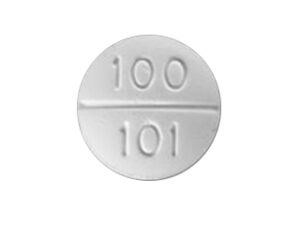
| Common strength(s) | Often available as 50 mg and 100 mg tablets (varies by brand) |
| What it’s used for | Intermittent claudication (pain/cramping with walking due to poor circulation) |
| How it works | Helps widen blood vessels and reduces platelet clumping |
| Typical dosing pattern | Usually taken twice daily, about 12 hours apart |
| Common side effects | Headache, dizziness, palpitations, diarrhoea, nausea |
Basic product information
Cilostazol is an antiplatelet and vasodilator medicine. It is commonly used in adults with peripheral arterial disease (PAD), specifically to ease intermittent claudication—leg pain that appears when walking and improves with rest.
In the UK, cilostazol is available through regulated supply channels. Availability may vary by pharmacy and stock status, and specific brand names and tablet strengths can differ.
How cilostazol works (mechanism of action)
Cilostazol helps improve blood flow in the legs by acting on multiple pathways:
- Increases cyclic AMP (cAMP) within blood platelets and blood vessel cells, which helps reduce platelet “stickiness.”
- Reduces platelet aggregation (clumping of platelets), making it less likely that platelets form clots that can obstruct circulation.
- Vasodilates (widens blood vessels), which can improve microcirculation and oxygen delivery in working muscles.
- May improve walking distance by enhancing perfusion during exercise.
The overall effect is improved blood flow and reduced symptoms during walking, rather than a cure for the underlying atherosclerosis that causes PAD.
Pharmacokinetics (how your body handles cilostazol)
Pharmacokinetics describes what happens to a medicine in the body—absorption, distribution, metabolism, and elimination. Understanding this can help explain timing and potential interactions.
- Absorption: Cilostazol is absorbed after oral dosing. Food can influence timing of peak levels (see food interactions below).
- Peak levels: The medicine reaches highest concentration in the blood after a period of absorption (often within a few hours).
- Metabolism: Cilostazol is mainly metabolised by liver enzymes, particularly CYP3A4 and CYP2C19. This is why other medicines that affect these enzymes can change cilostazol levels.
- Active metabolites: Cilostazol is converted into metabolites that also contribute to its overall effect.
- Elimination: The drug and metabolites are eliminated mainly through the kidneys (urine) and to a lesser extent via other routes.
- Half-life: Cilostazol’s effect lasts long enough that many regimens are taken twice daily to maintain symptom improvement.
If you have liver disease or kidney impairment, the medicine may need closer monitoring. Always follow local clinical advice for your personal situation.
Typical use in the UK
Cilostazol is prescribed to help symptomatically improve walking distance in people with intermittent claudication due to peripheral arterial disease.
It is used as part of a broader PAD management plan, which often includes:
- Supervised exercise therapy (or structured walking programmes)
- Smoking cessation if applicable
- Cardiovascular risk reduction (for example blood pressure, cholesterol, and diabetes control)
- Foot care and monitoring for ulcers if at risk
Indications (what it is for)
The main indication is:
- Intermittent claudication (pain on walking due to peripheral arterial disease) in patients who remain symptomatic despite lifestyle measures and other appropriate care.
Cilostazol may not be suitable for everyone. Your clinician will consider the benefits for symptom relief against safety factors, including heart-related conditions.
How to take cilostazol: timing and dosing
Dosing can vary depending on the product strength and patient factors. Use the schedule provided by your healthcare professional and the instructions on your medicine packaging.
Typical adult dosing (common regimen)
- Often 100 mg twice daily (total 200 mg/day), taken about 12 hours apart.
Some patients may be given a lower dose (for example, if they are taking certain interacting medicines). For safety reasons, doses may also be reduced in specific clinical contexts.
When to take it
- Choose a routine that keeps doses roughly 12 hours apart, for example morning and evening.
- If you miss a dose, take it when remembered unless it is close to the next dose. Do not take a double dose to make up for the missed one.
- Continue taking it regularly to judge benefit, as symptom improvement may take some time.
How long it takes to notice benefit
Many people report improvement in walking distance over the first few weeks. However, response varies. If symptoms don’t improve or worsen, it’s important to review your treatment plan with a clinician.
Food interactions (including what to eat)
Cilostazol absorption can be influenced by food. While you don’t necessarily need to avoid all foods, it helps to be consistent and follow your medicine leaflet advice.
- Typical advice: Take cilostazol at the times recommended by your clinician. If your leaflet suggests taking it before meals or after meals, follow that guidance.
- Consistency matters: Try to keep your routine similar each day (for example, with the same type of meal timing), so blood levels remain steadier.
- Stomach sensitivity: If you experience nausea or stomach upset, taking the dose with food (if allowed by your leaflet) may reduce discomfort.
If you are unsure whether to take it before or after meals for your specific brand or dose, check the patient information leaflet or ask your pharmacist.
Alcohol and medicine interactions
Moderate alcohol may not directly interact with cilostazol in a predictable way for all people, but there are important practical safety considerations:
- Increased dizziness or light-headedness: Both alcohol and cilostazol can contribute to dizziness in some individuals. Combining them may worsen this effect and increase fall risk.
- Bleeding tendency: Cilostazol reduces platelet aggregation. Heavy drinking or binge drinking can increase the risk of bruising or bleeding, particularly if combined with other medicines that affect clotting.
- Heart rhythm awareness: Some people may feel palpitations with cilostazol. Alcohol can also affect heart rhythm in susceptible individuals.
If you plan to drink alcohol, it’s sensible to keep it light and avoid “binge” amounts. Seek medical advice if you have a history of bleeding problems, heart rhythm issues, or if you are taking other antiplatelet or anticoagulant medicines.
Medicine interactions (other drugs that may affect cilostazol)
Cilostazol levels and safety can be affected by other medicines—especially those that influence liver enzymes (CYP3A4 and CYP2C19) or those that increase bleeding risk.
Enzyme interactions (CYP3A4 and CYP2C19)
- CYP3A4 inhibitors (examples may include certain macrolide antibiotics and some antifungals) can increase cilostazol levels, raising the risk of side effects.
- CYP2C19 inhibitors can also increase cilostazol exposure in some cases.
- CYP inducers (medicines that speed up metabolism) can reduce cilostazol effectiveness.
Bleeding risk interactions
- Combining cilostazol with other antiplatelet medicines or anticoagulants may increase bruising or bleeding risk.
- Examples can include aspirin, clopidogrel, warfarin, apixaban, rivaroxaban, dabigatran, and others (depending on your current medication list).
Heart-related interactions
- Cilostazol may cause palpitations or a faster heart rate in some people. Caution is important if you take medicines affecting heart rhythm or rate.
Practical advice
- Tell your pharmacist or clinician about all medicines you use, including over-the-counter products and herbal supplements.
- Keep an up-to-date list on your phone or written card.
- Do not start or stop medicines without advice, especially antibiotics, antifungals, and mood or nerve medicines (which sometimes affect liver enzymes).
Safety profile and precautions
Like all medicines, cilostazol can cause side effects. Most are mild to moderate, but some require urgent medical attention.
Common side effects
- Headache
- Dizziness or light-headedness
- Palpitations or feeling your heartbeat
- Diarrhoea, nausea, or stomach discomfort
- Abnormal bowel habits
Serious side effects (seek medical help urgently)
- Chest pain, fainting, or severe shortness of breath
- Signs of bleeding such as unusual bruising, black/tarry stools, vomiting blood, or blood in urine
- Severe allergic reaction including swelling of the face/lips, wheezing, or widespread rash
- Rapid or irregular heartbeat that persists or is associated with dizziness or feeling unwell
Important cautions
- Heart failure: Cilostazol is generally not recommended for people with certain types of heart failure. If you have a history of heart failure, discuss suitability urgently with a healthcare professional.
- Bleeding disorders: Caution is needed if you have conditions that increase bleeding risk or if you take other medicines that affect clotting.
- Liver disease: Since metabolism is liver-based, hepatic impairment may require caution and closer monitoring.
- Kidney impairment: Dose adjustment or careful monitoring may be needed depending on severity.
- Low blood pressure: If you already tend to feel faint, dizziness may be more noticeable.
Who should be extra careful?
Consider extra caution if you are:
- Over the age of 65 (side effects may be more noticeable)
- Taking multiple medications
- Known to have heart rhythm problems
- At increased bleeding risk
- Pregnant or breastfeeding (discuss with a clinician for personalised advice)
Practical use tips for best results
- Stick to a routine: Taking doses at regular times improves consistency.
- Track your walking ability: Note how far you can walk before symptoms start, and whether improvements persist. This can help you and your clinician judge benefit.
- Combine with exercise: Medicines work best alongside a structured walking programme recommended for PAD.
- Watch for side effects early: If headaches, palpitations, or dizziness become troublesome, seek advice rather than ignoring symptoms.
- Report unusual bleeding: Tell a clinician promptly if you notice bleeding or bruising changes.
- Avoid sudden changes in other medicines: Antibiotics and antifungals can change cilostazol levels.
Missed dose guidance
If you miss a dose, take it as soon as you remember. If it’s almost time for the next dose, skip the missed dose and continue as normal.
- Do not take two doses at once to compensate.
- If you miss multiple doses, contact a pharmacist for guidance.
Overdose: what to do
Taking more than the prescribed dose increases the risk of side effects such as severe headache, palpitations, dizziness, and bleeding. If you suspect an overdose, seek urgent medical advice or contact the local emergency service.
Alternative options for intermittent claudication (UK)
Management of intermittent claudication often involves several strategies. Depending on symptoms, risk factors, and suitability, alternatives may include:
- Supervised exercise programmes (first-line for improving walking distance)
- Smoking cessation support and lifestyle modification
- Optimising cardiovascular risk treatment (cholesterol-lowering medicines, blood pressure control, diabetes management)
- Other medicines for PAD symptom relief may be considered in some cases (a clinician will select based on your health profile)
- Procedures such as endovascular treatment or surgery if symptoms are severe or if circulation worsens
Cilostazol is one option among several. The “best” alternative depends on your medical history and the type and severity of circulation problems.
Market and legal context in the United Kingdom
In the UK, medicines are regulated by the Medicines and Healthcare products Regulatory Agency (MHRA). Products must meet quality and safety standards and be supplied through lawful pharmacy channels.
On online pharmacy sites, product information is typically presented to support safe use, including standard warnings, interactions, and patient guidance. The specific availability of cilostazol can vary between suppliers and may depend on current procurement and regulatory status.
If you’re purchasing online, choose a reputable provider that clearly shows:
- Company and registration details
- Clear product identification (strength, pack size, active ingredient)
- Legible instructions and patient information
- Compliance with UK pharmacy and medicines supply rules
Recent guidance and clinical considerations
PAD care in the UK is typically guided by clinical practice recommendations that emphasise:
- Structured exercise and lifestyle measures
- Cardiovascular risk reduction (because PAD is associated with higher cardiovascular risk)
- Careful selection of medicines for symptom relief, balancing benefits and safety
Clinicians also frequently review:
- Whether symptoms have improved after a period of treatment
- Heart and bleeding risk factors
- Any new medicines that could interact via liver metabolism
Because medical guidance can evolve, it’s a good idea to keep your healthcare team informed about any changes in symptoms or medicines.
Delivery and availability (online pharmacy)
Availability of cilostazol can vary by supplier and pack size. Many online pharmacies aim to dispatch orders quickly when stock is available.
- Dispatch times: Can vary depending on local stock and ordering cut-off times.
- Delivery options: Often include standard and express services (where available).
- Tracking: Many services provide tracking information once dispatched.
- Cold chain: Generally not required for tablets.
To avoid delays, double-check address and contact details and ensure you can receive the package.
Handling, storage, and disposal
- Storage: Store tablets as described on the packaging (typically at room temperature, away from moisture and heat).
- Keep out of sight: Keep medicines out of the reach of children.
- Disposal: Return unwanted or expired medicines to a pharmacy collection point when possible. Follow local disposal guidance.
Frequently Asked Questions (FAQ)
1) What is cilostazol used for?
Cilostazol is used to improve symptoms of intermittent claudication in peripheral arterial disease—pain or cramping in the legs triggered by walking.
2) When should I take my cilostazol doses?
A common regimen is twice daily, roughly 12 hours apart. Use your personal instructions and keep a consistent routine.
3) Can I take cilostazol with food?
Food may affect how quickly cilostazol peaks in the bloodstream. Follow the advice in your product leaflet. If you get nausea, ask whether taking with food is appropriate for your specific instructions.
4) Does cilostazol thin the blood?
Cilostazol reduces platelet clumping (antiplatelet effect). This can increase bleeding tendency in some people, especially if combined with other blood-thinning medicines.
5) What side effects are most common?
Common side effects include headache, dizziness, palpitations, and diarrhoea or nausea.
6) Who should avoid cilostazol or check first?
People with certain types of heart failure, those with significant bleeding risk, or those with liver problems may need careful assessment before use.
7) Can I drink alcohol while taking cilostazol?
Light to moderate alcohol may be possible for some people, but alcohol can worsen dizziness and increase risk of bruising/bleeding. If you have heart rhythm issues or bleeding risk, speak to a clinician or pharmacist.
8) Are there important drug interactions?
Yes. Cilostazol levels can change with medicines that affect liver enzymes (CYP3A4/CYP2C19). Also, combining with other antiplatelet or anticoagulant medicines can raise bleeding risk.
9) What if I miss a dose?
Take it when remembered unless it is nearly time for your next dose. Do not take a double dose.
10) What should I do if I feel severe palpitations or bleeding?
Seek urgent medical help if you experience severe chest symptoms, fainting, persistent rapid/irregular heartbeat, or signs of serious bleeding.
Summary
Cilostazol is a medicine used in the UK to relieve intermittent claudication by improving circulation—helping widen blood vessels and reducing platelet clumping. It is usually taken twice daily, with timing that suits your routine (often about 12 hours apart). Because it can interact with other medicines and may affect heart rate or bleeding risk, it’s important to consider your medical history and your full medication list.
For best outcomes, combine cilostazol with appropriate exercise and cardiovascular risk management, and seek medical advice if side effects become troublesome or symptoms fail to improve.