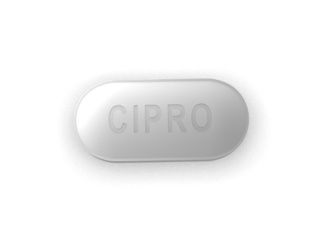


Cipro (Ciprofloxacin) — Patient Information
Cipro is the brand name for ciprofloxacin, an antibiotic from the fluoroquinolone group. It is used to treat certain bacterial infections where ciprofloxacin is considered appropriate. This page is designed to help you understand how Cipro works, what it’s used for, how to take it safely, and what to watch out for.
Please note: different infections may require different dosing schedules. Always follow the instructions provided with your medicine and any advice from healthcare professionals.
Basic product information
| Feature | Information |
|---|---|
| Medicinal product | Cipro (ciprofloxacin) |
| Active ingredient | Ciprofloxacin (fluoroquinolone antibiotic) |
| Common dosage forms | Tablets; sometimes oral suspensions/other presentations depending on supply |
| How it is used | Treats susceptible bacterial infections (not for viral illnesses) |
| Who should take it | Adults in many indications; some indications may be considered in children under specialist guidance |
| Therapeutic goal | Stop bacterial growth and allow the infection to resolve |
How Cipro works (mechanism of action)
Ciprofloxacin works by interfering with two key bacterial enzymes required for DNA replication: DNA gyrase and topoisomerase IV.
- By inhibiting these enzymes, ciprofloxacin prevents bacteria from copying their genetic material.
- This leads to bacterial death or growth inhibition, depending on the organism and concentration achieved.
Ciprofloxacin is active against a range of Gram-negative bacteria and some Gram-positive organisms. It does not work against viruses (such as common colds or flu).
Pharmacokinetics (how the body handles ciprofloxacin)
Understanding pharmacokinetics can help explain timing, absorption, and why certain products interact with Cipro.
Absorption
- After oral dosing, ciprofloxacin is absorbed into the bloodstream.
- Absorption can be affected by certain minerals and some antacids (see “Food interactions and what to avoid”).
Distribution
- Ciprofloxacin distributes into many tissues and fluids, including urinary tract tissues, making it useful for certain urinary infections.
- It can also reach respiratory tissues and some other sites, depending on the infection type.
Metabolism and elimination
- Ciprofloxacin is partly metabolised in the liver and is eliminated mainly through the kidneys.
- This is why kidney function can influence dosing requirements.
Time to effect
Many people start to notice improvement within 24–48 hours, though it is important to complete the full course as directed. If symptoms worsen or do not improve after a couple of days, seek medical advice.
Typical uses and indications
Cipro is used to treat infections caused by bacteria that are susceptible to ciprofloxacin. The exact choice of antibiotic depends on the infection site, local resistance patterns, and patient factors.
Common indications (examples)
- Urinary tract infections (UTIs), including some complicated UTIs, in accordance with local guidance and susceptibility.
- Prostatitis (certain types of bacterial prostate infection).
- Infections of the gastrointestinal tract caused by susceptible bacteria (selected cases).
- Infections affecting the skin and soft tissues (where appropriate).
- Respiratory tract infections caused by susceptible organisms in selected situations.
- Other bacterial infections where ciprofloxacin is deemed suitable by healthcare professionals.
Important: Ciprofloxacin is not recommended for every infection. For some common conditions (for example, many uncomplicated respiratory or sinus infections), other antibiotics may be preferred.
Dosing: how to take Cipro
Dosing depends on the specific infection, its severity, kidney function, and sometimes age and other medical conditions. Always follow the instructions you were given for your particular product strength and schedule.
Common dosing schedules (general information)
- Many adult regimens are taken twice daily (morning and evening), or sometimes once daily depending on indication and formulation.
- Course length varies widely (for example, days for some UTIs and longer courses for certain infections such as prostatitis).
If you miss a dose, take it as soon as you remember, unless it is almost time for the next dose. In that case, skip the missed dose and continue as normal. Do not take a double dose.
Kidney or kidney-related concerns
Because ciprofloxacin is largely eliminated by the kidneys, people with impaired kidney function may require a different dose or schedule. If you have known kidney problems, tell the clinician or pharmacist before starting.
Timing and practical use tips
Correct timing can improve absorption and help reduce side effects.
How to take your dose
- Take tablets with water.
- Try to take doses at evenly spaced times (for example, morning and evening if twice daily).
- Avoid taking ciprofloxacin at the same time as certain minerals or products that bind to it (see below).
Completing the course
Even if you feel better, finish the course unless told otherwise. Stopping early can lead to treatment failure and antibiotic resistance.
What to do if side effects occur
- Mild nausea or altered taste can occur. Staying hydrated and taking with food (if appropriate for you) may help, but watch out for interactions.
- If you experience severe diarrhoea, rash, tendon pain, or worsening symptoms, seek urgent medical advice.
Food interactions and what to avoid
Food and drink can affect ciprofloxacin absorption. Some foods are generally fine, while certain supplements and antacids can significantly reduce effectiveness.
Can I take Cipro with food?
- Food does not usually stop absorption, but it may affect how quickly ciprofloxacin is absorbed.
- If food upsets your stomach, taking with a meal may improve comfort (as advised by your healthcare professional).
Interactions with minerals and antacids (very important)
Ciprofloxacin can bind to certain minerals, reducing absorption. Avoid taking it at the same time as:
- Antacids containing aluminium or magnesium
- Sucralfate
- Supplements containing calcium, iron, zinc or magnesium
In practice, a common approach is to separate these by at least 2 hours before or 4–6 hours after ciprofloxacin (exact timing can depend on the product and your advice). Ask your pharmacist for specific guidance for your brands and dosing schedule.
Milk and dairy
Dairy products can contain calcium. Large amounts or supplements may interfere. Small amounts with meals are often acceptable, but for best results, follow your pharmacist’s advice and avoid taking Cipro together with high-calcium products or supplements.
Hygiene with drinks
- Drink water regularly during treatment, especially if you are prone to dehydration.
- Avoid excessive caffeine if you notice stomach irritation or palpitations, as personal tolerance varies.
Alcohol and medicine interactions
Alcohol does not usually have a direct chemical reaction with ciprofloxacin, but combining alcohol with antibiotics is often unhelpful because it may:
- worsen stomach upset (nausea, diarrhoea, reflux)
- reduce sleep quality and slow recovery
- increase dehydration risk
For most people, it is best to avoid alcohol during treatment and recovery, or keep it to a minimum—especially if you feel unwell.
Other medicine interactions (common categories)
Always tell your pharmacist about all medicines you use, including over-the-counter products and herbal supplements. Some medicines interact with ciprofloxacin by affecting blood levels, heart rhythm, or bleeding risk.
- Warfarin or other vitamin K antagonists: may increase bleeding risk (monitoring may be needed).
- Medicines that affect heart rhythm (QT prolongation): caution may be required.
- Non-steroidal anti-inflammatory drugs (NSAIDs) (for example, ibuprofen, naproxen): may increase risk of certain nervous system side effects in some people.
- Theophylline: ciprofloxacin can increase theophylline levels in some cases.
- Metformin: in some situations, ciprofloxacin may affect blood sugar control; monitor if advised.
- Oral anticoagulants and antiplatelet medicines: bleeding risk may change depending on your regimen.
- Other antibiotics or treatments: suitability may differ by infection.
This list is not exhaustive. Your pharmacist can check for interactions using your exact medicines.
Safety profile: side effects and when to seek urgent help
Like all medicines, ciprofloxacin can cause side effects. Many are mild and improve as your body adjusts, but some symptoms require prompt medical attention.
Common side effects
- Nausea
- Diarrhoea or loose stools
- Headache
- Dizziness
- Changes in taste
- Stomach discomfort
Less common but important risks
- Tendon inflammation or rupture (more likely in older adults, those on steroids, and transplant recipients). Report any new tendon pain (often around the Achilles area) and stop further ciprofloxacin contact with healthcare guidance promptly.
- Nervous system effects such as tremor, confusion, agitation, seizures, or hallucinations (rare). Seek urgent help if these occur.
- Peripheral neuropathy (tingling, burning, numbness, or weakness). If symptoms develop, contact a clinician promptly.
- Severe allergic reactions including swelling of the face/lips, breathing difficulty, or widespread rash. Seek emergency help.
- Clostridioides difficile (C. diff) diarrhoea: persistent watery diarrhoea, abdominal pain, or fever during or after treatment. Contact a healthcare professional urgently.
- Changes in blood glucose (either high or low), particularly in people with diabetes or those taking glucose-lowering medicines.
Who should use Cipro with extra caution?
- People with a history of tendon problems after fluoroquinolone antibiotics
- Those taking medicines known to affect heart rhythm
- People with epilepsy or seizure risk
- People with myasthenia gravis (a rare disease affecting muscle strength)
- Older adults and people with kidney impairment (dose adjustment may be required)
If you are unsure whether Cipro is suitable for you, speak to a pharmacist or clinician before starting.
Practical use tips to improve safety and comfort
- Hydrate well during treatment—especially if you are unwell, elderly, or prone to dehydration.
- Avoid strenuous activity if you experience any tendon discomfort.
- Don’t share antibiotics with others or save leftovers for later.
- Keep track of doses with a reminder app or notes, to maintain consistent intervals.
- Report unusual symptoms early, particularly nerve symptoms, rash, severe diarrhoea, or palpitations.
- Sun sensitivity can occur with some antibiotics. If you notice increased sensitivity, cover up and use sun protection.
Alternative options
Alternatives depend on the infection type, the likely organism, your allergies, local resistance patterns, and your kidney function. In many cases, other antibiotics may be preferred over fluoroquinolones.
Examples of alternative antibiotic groups
- Nitrofurantoin (often used for certain uncomplicated urinary tract infections, depending on suitability).
- Trimethoprim (where appropriate and guided by resistance).
- Amoxicillin or other beta-lactams (depending on bacterial susceptibility).
- Cefalexin or other cephalosporins (selected indications).
- Others based on culture results and clinical assessment.
If ciprofloxacin isn’t suitable (for example, due to allergy, interactions, or risk factors), your healthcare professional can advise suitable options.
United Kingdom market and legal context
In the UK, antibiotics are regulated medicines and are supplied under the medicines framework administered by relevant authorities. Ciprofloxacin-containing products are generally used according to national antimicrobial stewardship principles aimed at:
- prescribing antibiotics only when they are likely to help
- using the narrowest effective option
- reducing unnecessary exposure to fluoroquinolones and helping protect their effectiveness
The exact supply route and eligibility can vary by product and pharmacy service. Your online pharmacy should provide clear information about availability, ordering requirements, and delivery times in the UK.
Recent guidance and stewardship (what’s changing in practice)
Over recent years, UK clinical guidance and antimicrobial stewardship have continued to emphasise careful selection of fluoroquinolones. Ciprofloxacin may be avoided or restricted for conditions where safer or more targeted options exist, due to recognised side-effect risks associated with the class.
- Many guidelines encourage consideration of local resistance and susceptibility where possible.
- Clinicians often weigh benefits against risks, especially in older adults or those with risk factors for tendon, nerve, or heart rhythm complications.
- For some infections, culture results or specialist advice may be used to confirm the best antibiotic.
If you are prescribed Cipro, it is usually because a clinician believes the benefits for your specific situation outweigh the risks.
Delivery and availability (UK)
Cipro (ciprofloxacin) availability can vary by strength, formulation, and current supply. A reputable UK online pharmacy will typically show:
- the available strengths and pack sizes
- delivery options and estimated delivery times
- order cutoff times (if applicable)
- discreet packaging and delivery tracking information (where offered)
If your preferred strength or pack size is out of stock, your pharmacy may suggest an alternative strength or an equivalent product where clinically appropriate. Contact support if you need help choosing.
FAQ
1) What infections is Cipro commonly used for?
Cipro (ciprofloxacin) is used for certain bacterial infections, particularly those where susceptible organisms are likely. Common examples include some urinary tract infections, prostatitis, and selected gastrointestinal, respiratory, skin, or soft tissue infections. Your clinician selects the antibiotic based on the infection type and likely bacteria.
2) How soon should I feel better?
Many people notice improvement within 24–48 hours. If there is no improvement, or symptoms worsen, contact a healthcare professional promptly. Finishing the course is important even if you feel better early.
3) Can I take Cipro with food?
Food is usually acceptable and may improve comfort, but timing with mineral-containing products matters. If you take supplements or antacids, separate them from ciprofloxacin as advised by your pharmacist.
4) What should I avoid while taking Cipro?
Avoid taking ciprofloxacin at the same time as antacids (aluminium/magnesium), sucralfate, and mineral supplements (iron, zinc, calcium, magnesium). Also be cautious with alcohol; it can worsen side effects and delay recovery. Avoid strenuous activity if you feel any tendon pain.
5) Is it safe to drive or operate machinery?
Ciprofloxacin can occasionally cause dizziness or other nervous system effects. If you feel unsteady, dizzy, or unwell, avoid driving and seek advice.
6) Can I take Cipro if I have kidney problems?
People with impaired kidney function may need dose adjustment. Tell your healthcare professional or pharmacist if you have kidney disease, reduced kidney function, or are on dialysis.
7) What if I miss a dose?
Take it when you remember unless it is close to the time of your next dose. Do not take a double dose to make up for a missed one.
8) What are the warning signs that mean I should get urgent help?
Seek urgent medical help if you have signs of a severe allergic reaction (swelling of face/lips, difficulty breathing), severe or persistent diarrhoea, intense or new tendon pain, seizures, severe confusion, or a widespread rash. Contact a healthcare professional immediately if you develop these symptoms.
9) Does Cipro interact with other medicines?
Yes. Important interactions may occur with warfarin and some blood thinners, medicines that affect heart rhythm, theophylline, NSAIDs, and diabetes medicines in some circumstances. Also watch for interactions with minerals and antacids. Your pharmacist can check your personal medication list.
10) Are there alternatives to Cipro?
There may be alternatives depending on the infection and your personal circumstances. Options can include other antibiotic classes. Discuss suitability with a clinician or pharmacist, especially if you have previously had fluoroquinolone side effects or allergies.
11) How should I store Cipro?
Store tablets according to the instructions on the pack. Keep medicines out of sight and reach of children and avoid extreme temperatures.
12) Can I use Cipro for colds or flu?
No. Colds and flu are usually caused by viruses, and antibiotics like ciprofloxacin do not treat viral infections.
Important reminder
This information is a guide and does not replace individual medical advice. If you have concerns about whether Cipro is suitable, or if you experience any unusual or severe symptoms while taking it, seek advice from a healthcare professional.