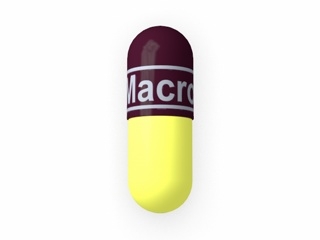
Macrobid (Nitrofurantoin monohydrate) – Patient Information (UK)
Macrobid is an antibacterial medicine used to treat certain uncomplicated bacterial infections of the bladder (urinary tract infections). It contains nitrofurantoin monohydrate, a well-established antibiotic commonly prescribed in the United Kingdom for appropriate urinary infections. This guide explains how Macrobid works, how it’s taken, what to expect, and important safety information.
If you have any concerns—such as worsening symptoms, fever, back/flank pain, or pregnancy questions—seek medical advice promptly.
Basic product information
| Item | Details |
|---|---|
| Medicine name | Macrobid |
| Active ingredient | Nitrofurantoin monohydrate |
| Type | Antibiotic |
| Main use (typical) | Uncomplicated bladder infections (lower urinary tract infections) |
| How it’s taken | Usually by mouth, in divided doses (commonly twice daily) |
| Availability in the UK | Prescription medicine; availability may vary by supplier and stock |
How Macrobid works (mechanism of action)
Nitrofurantoin works primarily in the urine and bladder. After it’s absorbed, it is processed by the body and then concentrated in the urinary tract. Inside susceptible bacteria, nitrofurantoin is activated and interferes with multiple bacterial processes, including energy production and damage to bacterial components.
Because it affects more than one bacterial target, it has a broad activity against many common urinary pathogens. However, bacterial resistance can occur. Your prescriber will consider local resistance patterns and your medical history when choosing antibiotics.
Pharmacokinetics (how the body handles nitrofurantoin)
Nitrofurantoin has properties that make it particularly suitable for bladder infections:
- Absorption: After oral use, nitrofurantoin is absorbed from the gastrointestinal tract.
- Distribution: It achieves therapeutic levels mainly in the urinary tract rather than high levels in the bloodstream.
- Urinary concentration: The medicine is concentrated in urine, supporting its effectiveness against bacteria in the bladder.
- Excretion: It is eliminated predominantly through the kidneys (via urine).
- Kidney function matters: Effectiveness and safety are both influenced by how well the kidneys work. If kidney function is reduced, the medicine may not reach adequate urinary levels, and side-effect risk may increase.
Typical use in the UK
Macrobid is most often used for uncomplicated lower urinary tract infections (cystitis), where symptoms are typically limited to the bladder. Examples include:
- Burning or pain when passing urine
- Frequent urge to urinate
- Needing to urinate urgently
- Lower abdominal discomfort
It is not suitable for all urinary infections. If you have signs of a more serious infection, such as fever or pain in the back/flank, you may require different assessment and treatment.
Timing and how to take Macrobid
Follow the dosing instructions given by your healthcare professional or the medicine label. The points below are general guidance to help you take Macrobid safely.
When to take your doses
- Consistency helps: Try to take each dose about 12 hours apart if you are taking it twice daily.
- Use the full course: Even if symptoms improve quickly, complete the prescribed course to reduce the chance of recurrence.
- If you miss a dose: Take it as soon as you remember, unless it’s close to the next dose. Do not take a double dose.
Taking with food
Nitrofurantoin is generally better tolerated when taken with food or shortly after food. Taking it with food can also help reduce the chance of stomach upset.
Food interactions
Food does not typically stop the medicine from working. In fact, taking Macrobid with meals is often recommended for comfort and absorption.
- Take with food: A meal or snack may help lessen nausea.
- Avoid “skipping meals”: If you’re prone to nausea, regular food intake may make taking the dose easier.
There are no common “specific foods” known to cause major interactions with nitrofurantoin, but it’s still a good idea to mention your usual diet and any supplements to your healthcare professional.
Alcohol and medicine interactions
Moderate alcohol use may not directly “cancel out” nitrofurantoin, but alcohol can worsen side effects such as dizziness or nausea and may make it harder to stay well-hydrated while you recover.
- Alcohol: Consider avoiding alcohol while you have symptoms and are taking the antibiotic, especially if it makes you feel unwell.
- Hydration: Drink fluids unless you’ve been told to restrict fluids by a clinician.
Also consider other medicines you may take. Some combinations can increase the risk of side effects or reduce effectiveness. If you’re unsure, check your medicine’s leaflet or ask a healthcare professional/pharmacist.
Indications (what Macrobid is used to treat)
Macrobid is indicated for the treatment of uncomplicated urinary tract infections affecting the bladder, caused by susceptible bacteria.
It is usually chosen when a lower urinary infection is suspected and when nitrofurantoin is appropriate for the patient. The decision depends on factors such as your symptoms, kidney function, pregnancy status, allergy history, and local antibiotic guidance.
Situations where you should get urgent medical advice
Do not rely on self-care if you have symptoms that may indicate kidney infection or another complication. Seek urgent advice if you have:
- High temperature (fever) or chills
- Pain in your side or back (flank pain)
- Nausea and vomiting that prevent you from taking tablets
- Severe illness or worsening rapidly
- Blood in the urine with significant pain or clots
- Symptoms in a child or a pregnant person with significant symptoms
Dosing (general information)
Dosing should be confirmed by your prescriber or the product label. Below is common general information about nitrofurantoin regimens for uncomplicated cystitis. Dose may vary depending on age, kidney function, and the exact formulation.
Typical adult dosing
- Often: taken twice daily for a short course (commonly 5–7 days depending on local guidance and product-specific advice).
Important: Macrobid contains nitrofurantoin monohydrate. Different nitrofurantoin products exist, and dosing frequency/course length may differ. Always use the exact medicine you were given.
Kidney function considerations
Nitrofurantoin depends on kidney excretion for urinary concentrations. If kidney function is reduced, your clinician may avoid nitrofurantoin or choose an alternative. Tell your healthcare professional if you have:
- Known chronic kidney disease
- Reduced kidney function on recent blood tests
- Any history of kidney-related side effects with antibiotics
Children and adolescents
Nitrofurantoin may be used in children for specific indications under medical supervision. Dosing and suitability should be based on age, weight, kidney function, and the clinical scenario.
Safety profile and key side effects
Like all medicines, Macrobid can cause side effects. Many people experience none or only mild effects. The list below highlights common and important potential side effects to help you know what to watch for.
Common side effects
- Nausea or upset stomach
- Headache
- Dizziness or feeling light-headed
- Diarrhoea
Less common but important side effects
- Allergic reactions: rash, itching, swelling, or breathing difficulties (seek urgent help)
- Skin reactions: severe or blistering rash requires prompt medical attention
- Shortness of breath or persistent cough (particularly if new or worsening)
- Unusual tiredness or feeling generally unwell
Rare but serious reactions (get medical help promptly)
Nitrofurantoin has been associated with rare serious side effects, including:
- Lung reactions (breathlessness, persistent cough, chest discomfort)
- Liver problems (yellowing of skin/eyes, dark urine, severe fatigue)
- Nerve problems (numbness, tingling, burning sensations)
- Blood disorders (unexplained bruising or infections)
These are uncommon, but because they can be serious, it’s important not to ignore persistent or worsening symptoms while taking the medicine.
When to stop and seek urgent advice
- Signs of a severe allergy (swelling of face/lips, difficulty breathing)
- Severe rash or blistering
- Severe breathlessness, chest pain, or coughing that doesn’t settle
- Symptoms suggesting liver injury (yellow skin/eyes)
- Any rapidly worsening general condition
Practical use tips for better outcomes
- Start on time: Begin the course as directed so antibiotics can act early.
- Take with food: Reduces stomach upset for many people.
- Stay hydrated: Unless you’ve been advised to limit fluids, drink water regularly.
- Don’t “save” tablets: Use the full course for the current illness only.
- Use symptom relief: Pain/fever relief may be helpful (ask a pharmacist which is suitable for you).
- Monitor response: Symptoms should start to improve within a day or two for uncomplicated cystitis. If symptoms don’t improve or worsen, seek advice.
- Consider urine testing if recurrent: If UTIs recur frequently, clinicians may arrange tests to confirm the cause and appropriate treatment.
Alternative options (what else might be considered in the UK)
Treatment choice for urinary infections depends on the suspected bacteria, local resistance patterns, your clinical situation, and your allergy history. Alternatives may include antibiotics such as:
- Trimethoprim (where appropriate and where resistance patterns allow)
- Fosfomycin (single-dose options may be considered in some cases)
- Cephalosporins or other antibiotics (depending on suitability)
- Other agents based on culture results if infections are recurrent or complicated
Non-antibiotic measures may help with symptom comfort, but they do not replace antibiotic treatment when antibiotics are needed. Always discuss the most suitable option with a healthcare professional, particularly if you have recurrent UTIs, allergies, or kidney impairment.
Market and legal context in the United Kingdom
In the UK, Macrobid is an established prescription medicine. Online purchase typically requires lawful supply through authorised channels. Supply arrangements may vary by pharmacy and service provider.
Public health policies encourage prudent antibiotic use to help reduce antimicrobial resistance. This means antibiotics should be used only when appropriate, for the correct infection type and duration.
Recent guidance and antibiotic stewardship (UK context)
UK clinical practice is influenced by national guidance on managing urinary tract infections and reducing unnecessary antibiotic use. For uncomplicated cystitis, clinicians aim to:
- Confirm the likely site of infection (lower bladder symptoms vs signs of kidney involvement)
- Use first-line options when suitable and consider local resistance data
- Review treatment if symptoms do not improve
- Avoid prolonged courses unless clearly indicated
If you have recurrent UTIs or risk factors (for example, diabetes, kidney issues, or urinary tract abnormalities), your clinician may recommend additional evaluation and a tailored plan.
Delivery and availability (UK)
Availability can depend on stock levels and supply chain timing. When ordered through an online pharmacy service, your order may be processed and dispatched in accordance with UK pharmacy regulations and delivery policies.
- Dispatch times: Vary by supplier and local conditions.
- Delivery services: Typically standard or express courier options.
- Packaging: Medicines are generally shipped in protective packaging to maintain safe handling.
Check the specific delivery timeframe and order terms on the website you’re using, as these differ between providers.
FAQ about Macrobid (nitrofurantoin monohydrate)
1) How quickly should I feel better after starting Macrobid?
For uncomplicated bladder infections, symptoms often begin to ease within 24–48 hours. If you don’t notice improvement, or if symptoms worsen, contact a healthcare professional for advice.
2) Can I take Macrobid with food?
Yes. Taking it with food or shortly after food is commonly recommended to reduce stomach upset and to support tolerability.
3) What should I do if I miss a dose?
Take the missed dose as soon as you remember unless it’s close to your next dose. Do not take two doses at once to make up for a missed tablet.
4) Is Macrobid suitable for kidney infections?
Macrobid is mainly used for infections limited to the bladder. If you have fever, flank/back pain, or feel very unwell, seek medical advice because a kidney infection may require different treatment.
5) Can I drink alcohol while taking Macrobid?
Alcohol isn’t usually described as a direct interaction, but it can make side effects more likely and may affect how well you feel. For the safest approach, consider avoiding alcohol while you recover.
6) Are there medicines that should not be taken with nitrofurantoin?
Some medicines can affect kidney function or interact in ways that may increase side-effect risk or reduce effectiveness. It’s important to tell your pharmacist about all medicines you take, including over-the-counter products and herbal supplements.
7) Who should be especially cautious with nitrofurantoin?
People with reduced kidney function, those with a history of allergy to nitrofurantoin, and those with past serious reactions to similar antibiotics should use caution and get tailored advice.
8) Can I take Macrobid if I’m pregnant or breastfeeding?
Pregnancy and breastfeeding require individual risk–benefit assessment. Discuss your situation with a healthcare professional so the most appropriate option can be chosen.
9) Will Macrobid affect contraception?
Antibiotics can occasionally affect aspects of health, and diarrhoea/vomiting may reduce absorption of oral contraceptives. If you experience significant vomiting or diarrhoea, follow contraceptive advice from your healthcare professional or pharmacist.
10) What if my symptoms come back soon after finishing the course?
A quick return of symptoms can happen if the infection wasn’t fully cleared, if resistance is involved, or if the cause is different. Seek medical advice—especially if you develop fever or back pain.
When to seek further medical advice
Contact a healthcare professional if:
- Your symptoms do not improve within 48 hours
- Your symptoms worsen at any point
- You develop fever, back/flank pain, or significant vomiting
- You experience signs of an allergic reaction
- You have severe diarrhoea or symptoms that concern you
Summary
Macrobid (nitrofurantoin monohydrate) is an antibiotic used for uncomplicated bladder infections where it can concentrate in urine to treat susceptible bacteria. It’s usually taken twice daily, typically with food to improve comfort. Kidney function, allergies, and overall health influence suitability. If you don’t improve within a couple of days or develop red-flag symptoms (such as fever or flank pain), seek medical advice promptly.