

Keflex (Cephalexin) – Patient Guide (UK)
Keflex contains cephalexin, an antibiotic in the cephalosporin group. It is used to treat a range of bacterial infections. This guide explains what Keflex is, how it works, how it is taken, and important safety information for people in the United Kingdom.
| Medicine | Keflex (Cephalexin) |
|---|---|
| Medicinal ingredient | Cephalexin (a cephalosporin antibiotic) |
| Type | Antibiotic (bactericidal) |
| How it works | Stops bacteria building their cell wall |
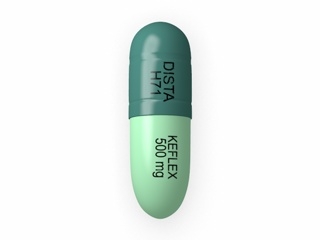
| Common forms | Capsules/tablets and oral liquid (strength varies) |
| Typical dosing schedule | Often 4 times daily (every 6 hours) or as directed for your condition |
| Availability (UK) | Medicines may be supplied through authorised UK channels; stock varies by strength/form |
What is Keflex?
Keflex is the brand name for cephalexin. Cephalexin belongs to the first-generation cephalosporins class of antibiotics. It is designed to treat infections caused by susceptible bacteria. It does not work against viral infections such as colds or flu.
In the UK, cephalexin products are commonly used for infections such as skin and soft tissue infections and some urinary tract infections, depending on local guidance and the likely or confirmed bacteria involved.
How Keflex works (mechanism of action)
Cephalexin works by interfering with the bacteria’s ability to create a strong cell wall. Specifically, it binds to penicillin-binding proteins that are essential for forming the bacterial cell wall. Without a properly formed cell wall, bacteria become unstable and are more easily destroyed—this is why cephalexin is described as bactericidal.
Key point: The antibiotic is most effective when taken regularly for the full course, so the bacteria are fully cleared.
Pharmacokinetics (how the body handles Keflex)
Understanding how cephalexin behaves in the body can help with correct timing and expectations.
- Absorption: Cephalexin is absorbed from the gut after oral dosing. Absorption can vary by individual and is generally not significantly reduced by food.
- Distribution: It spreads through the body and can reach sites of infection, including tissues and urine, depending on the condition treated.
- Metabolism: Cephalexin is not extensively metabolised.
- Elimination: It is mainly removed by the kidneys in the urine. Kidney function therefore affects how quickly cephalexin is cleared.
- Half-life: The time it takes for the body to reduce drug levels by half is typically several hours in people with normal kidney function, which is one reason dosing often occurs multiple times a day.
If you have kidney problems, dose adjustments may be needed, and your clinician may monitor you more closely.
Typical uses in the UK
Keflex is used for bacterial infections
Common indications may include:
- Skin and soft tissue infections (e.g., cellulitis, infected wounds) caused by susceptible bacteria
- Urinary tract infections (UTIs) caused by susceptible organisms (depending on severity and local advice)
- Bone infections (osteomyelitis) in certain circumstances—treatment may be longer and guided by specialists
- Other bacterial infections where cephalexin is considered appropriate
Important: Antibiotics should only be used when there is a reasonable suspicion of bacterial infection. Taking them for illnesses likely to be viral increases side effects and can contribute to antibiotic resistance.
When to take Keflex (timing and dose schedule)
The most effective antibiotic treatment depends on maintaining steady levels of medicine in the body. Cephalexin is often prescribed with a dosing interval of about every 6 hours (4 times daily), but your exact schedule may vary with the infection being treated, your age, and your kidney function.
- Follow your dosing schedule exactly and try to take doses at evenly spaced times.
- Use a timer or phone alarms to help you remember.
- Finish the full course even if you feel better, unless your healthcare professional advises otherwise.
Example timing (if prescribed 4 times daily)
This is an example only—use your prescriber’s instructions:
- Morning: around 7–8am
- Midday: around 1–2pm
- Evening: around 7–8pm
- Night: around 11pm–12am
How to take Keflex
Cephalexin is taken by mouth. You should use the form and strength supplied to you (capsules/tablets or oral liquid) and measure doses accurately.
- Swallow whole if using capsules/tablets. Do not crush or chew unless your pharmacist advises it is suitable for your specific product.
- Oral liquid: Measure using the provided syringe or dosing cup. Do not estimate with kitchen spoons.
- With water: Take with a full glass of water to help swallowing and reduce stomach upset.
If you miss a dose
- Take it as soon as you remember.
- If it is near the time for the next dose, skip the missed dose and continue as scheduled.
- Do not double up to make up for a missed dose.
Food and drink interactions
Cephalexin may be taken with or without food. Food can sometimes reduce the risk of stomach upset, especially if you notice nausea.
Practical advice
- If you experience nausea or indigestion, try taking Keflex with a meal or snack.
- Stay well hydrated, particularly if you are taking it for a urinary infection.
Alcohol and medicine interactions
Cephalexin itself does not have a widely recognised “disulfiram-like” interaction with alcohol. However, drinking alcohol while you are unwell can:
- worsen dehydration or fatigue
- increase the risk of stomach upset
- make it harder to follow your dosing schedule
Recommendation: If possible, avoid alcohol while you are taking antibiotics and feeling unwell. If you do choose to drink, keep it light and ensure you are hydrated.
Medication interactions (important)
Cephalexin is not known for many major interactions, but it can still interact with other medicines and medical conditions. Common considerations include:
- Probenecid: may affect kidney clearance of some antibiotics and could increase cephalexin levels.
- Warfarin or other anticoagulants: antibiotics can sometimes alter bleeding risk by affecting gut bacteria and/or vitamin production. Some people may have changes in INR and need closer monitoring.
- Oral typhoid vaccine: antibiotics may interfere with how this vaccine works if taken around the same time.
- Kidney function medicines: if you take medicines that affect kidney function, your clinician may choose the appropriate dose of cephalexin.
If you use any regular medicines—including over-the-counter products, herbal remedies, or supplements—check with a pharmacist or your prescriber. This is particularly important if you take warfarin or other blood thinners.
Safety profile and side effects
Most people tolerate Keflex well. However, like all medicines, cephalexin can cause side effects. Some reactions can require urgent medical attention.
Common side effects
- Diarrhoea
- Nausea or stomach upset
- Headache
- Skin rash (mild rashes can occur)
- Vaginal thrush or oral thrush in some people
Less common but important side effects
- Allergic reactions (especially if you have a history of allergy to cephalosporins or penicillins)
- Severe or persistent diarrhoea (see “Seek urgent help” below)
- Changes in blood tests (rare; may include low white blood cell counts or other abnormalities)
Seek urgent medical help if you have
- Signs of an allergic reaction such as swelling of the face/lips, wheezing, severe rash, or difficulty breathing
- Severe watery or bloody diarrhoea, especially with fever or significant abdominal pain
- Symptoms of jaundice (yellowing of skin/eyes), very dark urine, or severe fatigue
- Any reaction that feels severe, rapidly worsening, or different from expected mild effects
Allergy and cross-reactions
If you have ever had an allergy to penicillin or cephalosporins, you should be cautious. Allergic reactions can range from mild skin rashes to severe anaphylaxis. Tell a healthcare professional before starting if you have known allergies.
Who should take extra care?
- People with kidney impairment: cephalexin is cleared by the kidneys. Dose adjustments may be required.
- History of antibiotic-associated diarrhoea: especially if you have previously had C. difficile infection.
- Those with a history of severe allergic reactions to beta-lactam antibiotics.
- People taking anticoagulants (e.g., warfarin): may require closer INR monitoring.
- Pregnancy and breastfeeding: many antibiotics are used during pregnancy when needed, but advice should be individual. Discuss risks and benefits with your clinician.
Practical use tips for best results
- Start on time: begin as directed when you are given the antibiotic.
- Adhere to the dose: stopping early can allow bacteria to rebound.
- Stay hydrated: helpful if you’re treating a urinary infection or have diarrhoea.
- Consider probiotics cautiously: some people find probiotics helpful for antibiotic-associated diarrhoea. If you choose to use them, keep a gap from antibiotics and ask a pharmacist if you have complex medical conditions.
- Manage nausea: taking with food can help.
- Do not use leftover antibiotics: infections differ, and using an incomplete or wrong course may delay recovery.
What to expect during treatment
- Many bacterial infections begin to improve within 48–72 hours after starting appropriate antibiotics.
- If you are not improving, symptoms worsen, or fever persists, seek medical advice. You may need reassessment or a different antibiotic.
Alternative options to consider
Not all infections are suitable for cephalexin. Alternatives depend on the likely bacteria, infection site, severity, allergy history, and local resistance patterns.
Possible antibiotic alternatives (examples)
- Other beta-lactam antibiotics (depending on infection and allergy history)
- Macrolides (e.g., for selected skin or respiratory infections in certain circumstances)
- Other cephalosporins or penicillins (if cephalexin is not appropriate)
- Non-antibiotic management when infection is not bacterial or is mild and self-limiting (guided by professional assessment)
Your healthcare professional will select the most appropriate option based on your symptoms, history, and any relevant test results.
Market and legal context in the UK
In the UK, antibiotics are regulated medicines. They are supplied in line with UK medicines legislation and pharmacy standards, and should be used responsibly to reduce antibiotic resistance.
Current UK practice emphasises antibiotic stewardship, including:
- using antibiotics only when there is evidence or strong suspicion of bacterial infection
- selecting the narrowest effective antibiotic
- reviewing treatment if there is no clinical improvement
- encouraging patients to complete prescribed courses
Local guidance and national bodies (such as the National Institute for Health and Care Excellence, NICE) may influence first-choice antibiotics for various infection types.
Recent guidance (general themes)
While individual recommendations depend on infection type and patient factors, recent years in the UK have continued to stress:
- Confirming bacterial likelihood rather than treating all symptoms as bacterial
- using evidence-based antibiotic choices based on local resistance patterns
- considering shorter courses where appropriate and clinically justified
- reviewing therapy if there is no response within expected timeframes
- minimising unnecessary antibiotic exposure in children and adults
If you have concerns about whether Keflex is suitable for your situation, a pharmacist can help explain what to look for and when to seek further advice.
Delivery and availability in the UK
Availability of Keflex can vary by strength, formulation (capsule/tablet vs oral liquid), and local pharmacy stock. When ordering through an authorised online pharmacy, dispatch times typically depend on stock status, delivery location, and carrier schedules.
What to check before ordering:
- Correct product strength and dosage form
- Quantity supplied matches the planned course length
- Any special instructions for refrigerated or controlled items (if applicable—this varies by product)
- Estimated delivery time and tracking details
If you need Keflex for a child, ensure the dosing instructions align with the correct weight-based regimen and that the oral liquid measures accurately.
Safety checklist (quick reference)
- Tell a healthcare professional if you have penicillin or cephalosporin allergy.
- Check if you have kidney impairment.
- If you take warfarin, you may need closer monitoring.
- Seek help if you develop severe diarrhoea or signs of allergy.
- Take doses on schedule and complete the course.
Frequently Asked Questions (FAQ)
1) Is Keflex the same as cephalexin?
Yes. Keflex is a brand name that contains cephalexin. Different products may contain cephalexin under different names.
2) How long does it take to work?
Many bacterial infections start to improve within 2–3 days. If you are not getting better after this timeframe, or you worsen, you should seek medical advice.
3) What happens if I stop taking Keflex early?
Stopping early can allow bacteria to survive and can increase the chance of symptoms returning. For best results, complete the full course unless a clinician advises stopping.
4) Can I take Keflex with food?
Yes. It can usually be taken with or without food. Taking it with food may help if you feel nauseous.
5) Can I drink alcohol while taking Keflex?
There is no common severe alcohol interaction, but alcohol can worsen dehydration and stomach upset and may affect how well you feel. It is generally best to avoid alcohol while you are unwell.
6) Is Keflex suitable for children?
Cephalexin can be used in children for certain infections, but dosing is typically age- and weight-dependent. Use the correct formulation and measure liquid doses accurately.
7) What if I miss a dose?
Take it when you remember, unless it is almost time for the next dose. Do not double up.
8) When should I seek urgent help?
Get urgent medical help for severe allergic symptoms (such as trouble breathing or swelling) or severe/persistent diarrhoea (especially with blood or fever).
9) Does Keflex work for viral infections like colds?
No. Keflex is an antibiotic and does not treat viruses. If your symptoms are due to a virus, antibiotics will not help.
10) What other medicines should I tell my pharmacist about?
Tell them about any regular medicines, particularly warfarin, medicines that affect the kidneys, and any recent vaccines or antibiotic use. Also mention allergies to penicillin/cephalosporins.
Note: This guide provides general information about Keflex (cephalexin). Individual use varies depending on the type of infection, severity, age, and medical history. If you are unsure about any aspect of your treatment, speak to a pharmacist or clinician for advice.