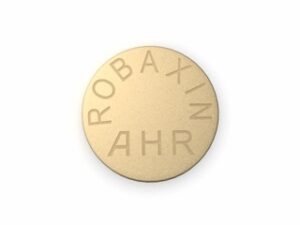
Colofac (Mebeverine Hydrochloride) – Indigestion Relief for IBS
Colofac contains mebeverine hydrochloride, a medicine widely used in the UK to help relieve the symptoms of irritable bowel syndrome (IBS), particularly crampy abdominal pain, bloating, and bowel irregularity. This patient-friendly guide explains what Colofac is, how it works, when to take it, key interactions, and what to expect.
Please read the leaflet provided with your medicine. If you have severe or worsening symptoms, blood in your stool, unexplained weight loss, fever, or persistent vomiting, seek medical advice promptly.
Quick Facts
- Active ingredient: Mebeverine hydrochloride
- Common use: Relief of IBS symptoms, especially abdominal cramps
- How it works: Helps reduce abnormal bowel muscle contractions
- Typical dosing: Often taken two times daily (follow your product pack/leaflet)
- UK availability: Commonly available from UK pharmacies and online retailers
What Is Colofac?
Colofac is an antispasmodic medicine used for the treatment of IBS. IBS is a common, long-term condition that affects the large intestine (colon), causing symptoms such as:
- Abdominal pain or discomfort (often cramping)
- Bloating or a feeling of fullness
- Changes in bowel habits (diarrhoea, constipation, or both)
- Mucus in the stool (in some people)
Colofac is designed to target bowel spasm, helping to reduce cramp-like pain and discomfort. It does not “cure” IBS, but it can help control symptoms and improve day-to-day comfort.
How Colofac Works (Mechanism of Action)
Mebeverine works by reducing abnormal contractions of the intestinal smooth muscle. In IBS, the bowel can become overly sensitive and may contract too strongly or in an uncoordinated way, producing pain and cramps.
While the exact pathways are complex, mebeverine is generally understood to:
- Help relax the gut wall by interfering with mechanisms that drive spasm
- Reduce muscle overactivity without causing significant, sustained slowing of bowel function in many users
- Support improved comfort by lowering the intensity of crampy sensations
Pharmacokinetics: How the Body Handles Mebeverine
Pharmacokinetics describes what happens to a medicine in the body—absorption, distribution, metabolism, and elimination. For mebeverine, key practical points are:
- Absorption: After oral dosing, mebeverine is absorbed from the gastrointestinal tract.
- Metabolism: It is metabolised mainly in the body to active/inactive metabolites.
- Elimination: Metabolites are primarily excreted via the urine.
- Effect duration: Dosing schedules are designed to help maintain symptom control over the day.
Individual responses vary. If symptoms change, your dosing schedule may need adjustment under the advice provided with your product.
What Is Colofac Used For?
Colofac is used for the symptomatic relief of Irritable Bowel Syndrome (IBS), particularly:
- Crampy abdominal pain
- Gut spasms associated with IBS
- Bloating and discomfort linked to IBS activity
It may be suitable for people whose IBS symptoms fluctuate, especially when cramps are a main problem.
When to Take Colofac (Timing and How to Use)
Follow the dosing instructions in the packaging or patient information leaflet. In many UK product presentations, mebeverine is taken twice daily—for example, morning and evening.
Typical timing
- Morning dose: Take at a consistent time each day
- Evening dose: Take approximately 12 hours later if possible
With water
Swallow the tablet/capsule with water. Avoid chewing unless your specific product instructions say otherwise.
If you miss a dose
- Take it when you remember.
- If it’s close to your next dose, skip the missed dose.
- Do not take a double dose to make up for a missed one.
Dosing: What Dose Will I Take?
Dosing can vary by product strength and formulation. The common adult dosing for mebeverine used in IBS is typically:
| Patient group | Typical dosing approach | Notes |
|---|---|---|
| Adults (including older adults) | Often taken twice daily | Check your pack/leaflet for exact mg and how many tablets/capsules per dose. |
| Children and adolescents | Use only if advised for age group on the product information | Always check the leaflet; dosing may differ. |
If you are unsure which exact dose your pack contains, check the strength printed on the box and leaflets. If symptoms persist, speak to a healthcare professional for personalised advice.
Food Interactions and Eating Tips
Colofac can generally be taken with or without food. However, some people find it easier to take medicines consistently around meals to support routine and stomach comfort.
- With food: Often tolerated well
- Without food: May also be acceptable depending on your personal tolerance
- Practical approach: Choose a schedule you can stick to daily
If you notice that specific foods (e.g., very fatty meals, large meals, or foods that trigger your IBS) make symptoms worse, adjusting your diet may improve overall outcomes alongside medication.
Alcohol and Medicine Interactions
Alcohol can worsen IBS symptoms in some people by affecting gut motility and sensitivity. Even when a medicine like mebeverine does not have a specific “direct” interaction with alcohol, drinking alcohol may make cramps, bloating, or diarrhoea more likely.
General advice
- Moderate intake is advisable for those with IBS.
- If alcohol triggers your symptoms, consider limiting or avoiding it during flare-ups.
- Be cautious if you feel unwell, dehydrated, or have diarrhoea.
For medicine interactions, it’s important to consider your full list of current medicines, including over-the-counter products. If you take other medicines regularly, check with a pharmacist for reassurance.
Other Medicine Interactions
Mebeverine has a relatively low risk of clinically significant interactions for many people, but interaction risk can’t be guaranteed for everyone.
- Tell your pharmacist about all medicines and supplements you use, including herbal products.
- Check for new medicines: if you start another product, ask whether it is safe with mebeverine.
If you develop unusual symptoms after starting Colofac—such as rash, swelling, or breathing difficulty—seek urgent medical advice.
Safety Profile: Who Should Be Cautious?
Colofac is generally well tolerated. As with all medicines, side effects can occur. The safety information below is intended to help you understand possible risks and when to seek help.
Common or possible side effects
- Headache
- Dizziness
- Nausea or mild gastrointestinal upset
- Constipation or diarrhoea changes (occasionally, as IBS itself can vary)
Not everyone gets side effects, and symptoms of IBS can overlap with medication effects. If you’re concerned, consult a healthcare professional.
Seek urgent help if you notice
- Allergic reaction symptoms such as swelling of the face/lips, hives, severe rash, or wheezing
- Severe or persistent worsening of abdominal symptoms
- Blood in stool, black/tarry stools, persistent fever, or significant unexplained weight loss
Pregnancy and breastfeeding
If you are pregnant, trying to conceive, or breastfeeding, discuss with a healthcare professional before using Colofac. They can help weigh the benefits for you and your baby against potential risks.
Driving and operating machinery
Colofac is not typically associated with impairment, but some people may experience dizziness or headaches. Use caution until you know how you respond.
Practical Use Tips for IBS Symptom Control
Medication can help, but lifestyle changes often make a meaningful difference for IBS. Consider the tips below:
- Keep a symptom diary: note meals, stress levels, bowel changes, and timing of symptoms.
- Take medicine consistently: a steady routine can help reduce cramp intensity.
- Hydration: drink water regularly, especially during diarrhoea-prone periods.
- Gentle meal patterns: smaller, regular meals may help with bloating.
- Stress management: techniques such as breathing exercises or mindfulness may improve gut-brain signalling.
- Identify triggers: common triggers include large meals, certain sweeteners, caffeine, alcohol, and high-fat foods.
If your IBS symptoms worsen despite treatment, it may be worth discussing other options or further assessment.
How Long Will Colofac Take to Work?
Many people notice improvement in IBS cramp symptoms within a short time after starting. However, bowel symptoms can fluctuate, and it may take several days to judge whether Colofac helps your specific pattern.
If you experience no benefit after following the instructions consistently for a reasonable trial period, speak to a pharmacist or healthcare professional to review your IBS diagnosis and treatment plan.
Alternative Options for IBS in the UK
IBS treatment often needs a tailored approach based on predominant symptoms (pain/cramps, constipation, diarrhoea, or mixed). Options commonly used in the UK include:
Non-medicine measures
- Dietary guidance: some people benefit from reducing trigger foods or following a tailored low FODMAP approach.
- Regular exercise and sleep routine.
- Stress reduction and psychological support where appropriate.
Medicine options (examples)
- Other antispasmodics (for cramping and abdominal pain)
- Laxatives for constipation-predominant IBS (based on guidance)
- Anti-diarrhoeal treatments for diarrhoea-predominant IBS (based on guidance)
- Osmotic or fibre-based therapies to improve stool form (as advised)
Choice depends on your dominant symptoms and personal tolerance. A pharmacist can help you compare options for your situation.
UK Market and Legal Context (What You Should Know)
In the United Kingdom, medicines are regulated and classified according to safety, effectiveness, and how they are supplied. Colofac (mebeverine) is commonly sold through licensed pharmacy supply channels depending on product presentation and local availability rules.
For online purchases, ensure you buy from a reputable UK-registered pharmacy or retailer. Always check that the product details, batch information, and patient information leaflet are included.
Recent Guidance and IBS Awareness in the UK
NHS and professional guidance for IBS emphasises a stepwise approach: start with reassurance and diagnosis confirmation, then use diet/lifestyle strategies, followed by medicines targeted to symptom type. Antispasmodics may be considered for crampy pain and gut spasm symptoms.
If your symptoms change or do not respond as expected, guidance typically supports review of the diagnosis and escalation to more targeted treatments or referral where appropriate.
Delivery and Availability in the UK
Colofac is typically available via UK pharmacies and selected online retailers, depending on stock. Delivery options vary by retailer—commonly standard or faster delivery may be offered at checkout.
- Check stock availability: some strengths or pack sizes may be more readily available than others.
- Delivery estimates: shown at checkout by the retailer.
- Packaging: should be sealed and include the leaflet with the medicine.
If you need the medicine for ongoing symptoms, consider ordering in advance to avoid running out.
FAQ: Colofac and IBS
1. Is Colofac suitable for everyone with IBS?
Colofac may help many people with IBS symptoms, especially crampy pain. Suitability depends on your age, symptom pattern, medical history, and tolerance. If you’re unsure, ask a pharmacist.
2. Can I take Colofac long-term?
Some people use antispasmodics intermittently or for symptom control over longer periods, but it’s best to review ongoing need. If you have frequent symptoms, discuss options with a healthcare professional.
3. Will Colofac stop IBS completely?
IBS is usually a chronic condition. Colofac helps reduce symptoms such as cramps, but it does not permanently cure IBS. Lifestyle and dietary strategies can also be important.
4. What if my symptoms get worse after starting?
If symptoms significantly worsen, or if you develop red-flag signs (blood in stool, fever, persistent vomiting, unexplained weight loss), seek medical advice promptly. If it’s mild, check dosing and timing and talk to a pharmacist.
5. Can I take it with meals?
In general, Colofac can be taken with or without food. Taking it at consistent times each day may support symptom control. If your leaflet includes specific guidance for your exact formulation, follow that.
6. Does Colofac interact with alcohol?
There isn’t always a specific direct interaction, but alcohol can worsen IBS symptoms. If alcohol triggers your gut, consider reducing intake, especially during symptom flare-ups.
7. Is Colofac the same as other IBS medicines?
No. Different IBS medicines target different mechanisms (spasm, constipation, diarrhoea, pain pathways, etc.). Colofac focuses mainly on reducing bowel spasm-related discomfort.
8. What should I do if I miss a dose?
Take it when you remember unless it’s nearly time for your next dose. Do not take a double dose.
9. Are there any red flags that mean I should get checked?
Yes. Seek advice urgently if you experience blood in stool, black/tarry stools, persistent fever, unexplained weight loss, new bowel habit changes after age 50, or persistent symptoms that do not fit IBS.
10. Can I drive after taking Colofac?
Most people can drive, but if you feel dizzy or have headaches, avoid driving until you feel well again.
Important Notes Before You Buy or Use
Always check the patient information leaflet for your specific pack. If you have any concerns about allergies, pregnancy/breastfeeding, other medical conditions, or medicines you take, speak to a pharmacist.
Colofac can be a helpful option for many people with IBS, particularly where crampy abdominal pain is a key symptom. If symptoms persist or your pattern changes, consider getting personalised advice so you can manage your IBS effectively.