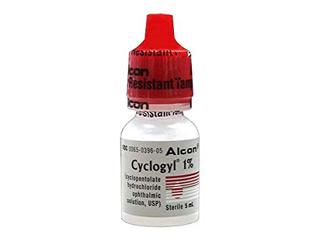
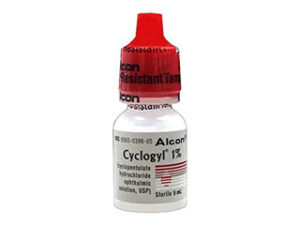
Cyclopentolate Eye Drops (Cyclopentolate)
Cyclopentolate is an eye medicine used to dilate (widen) the pupil and relax the focusing muscle in the eye. It is commonly used in eye examinations to help clinicians see the back of the eye more clearly. Because it can cause temporary blurred vision and light sensitivity, it’s important to use it correctly and plan ahead for how you’ll manage your vision after application.
This guide is designed to be patient-friendly and UK-focused. If you have any concerns—especially about children, contact lenses, or existing eye conditions—speak to a qualified healthcare professional.
Basic product information
| Item | Typical information |
|---|---|
| Name | Cyclopentolate eye drops |
| What it does | Pupil dilation (mydriasis) and reduced accommodation (cycloplegia) |
| Common strengths | Often supplied as different concentrations depending on the product and age group |
| Route | Ocular (into the eye) |
| Onset | Usually within minutes |
| Duration | Vision effects may last hours; in some cases longer, particularly in children |
How cyclopentolate works (mechanism of action)
Cyclopentolate belongs to a group of medicines called antimuscarinics (anticholinergics). It works by blocking the effect of acetylcholine in the eye.
- Pupil dilation (mydriasis): Cyclopentolate relaxes the muscle that normally constricts the pupil, allowing the pupil to widen.
- Paralysis/relaxation of focusing (cycloplegia): It reduces the action of the eye’s focusing muscle (ciliary muscle), helping prevent accommodation.
This combination helps clinicians obtain a more accurate assessment of the eye’s refractive status and view the retina and optic nerve.
Pharmacokinetics (how the body handles it)
After eye drop administration, cyclopentolate is absorbed through the conjunctival and nasal tissues, with some drainage through the tear ducts into the nose and throat.
- Absorption: Most systemic exposure occurs after nasolacrimal drainage (tears draining down the nose), not only through the eye surface.
- Distribution: If absorbed systemically, it may distribute throughout the body.
- Metabolism & excretion: Cyclopentolate is metabolised and eliminated primarily by the body’s normal clearance processes (the exact timing varies by individual).
- Children are more sensitive: Younger patients can experience stronger or longer-lasting effects because of differences in absorption and body handling.
Practical implication: Pressing gently on the inner corner of the eye (punctal occlusion) for a short period after instillation can reduce systemic absorption and may lower the risk of side effects.
Typical uses in the UK
Cyclopentolate is used to support eye examinations and, in some situations, for diagnostic or therapeutic procedures where pupil dilation and cycloplegia are helpful.
Common indications include:
- Routine ophthalmic examination where dilation and cycloplegia are required.
- Refraction assessment, especially when accurate measurement is needed (for example in children).
- Fundus examination (viewing the retina and optic nerve).
- Assessment of certain eye conditions where a dilated pupil helps with diagnosis.
Always follow the specific instructions provided by your eye care professional or the medicine label for the exact product strength and dosing schedule.
Timing: what to expect after using cyclopentolate
Effects usually start within minutes and can become strongest over the first 30–60 minutes. The duration of blurred near vision and light sensitivity varies by person and age.
- Onset: often within minutes
- Peak effect: typically around 30–60 minutes
- Blurred vision/cycloplegia: commonly lasts several hours
- Light sensitivity: may persist until the pupil returns closer to normal size
Plan ahead: Arrange someone to accompany you if you are having your eyes tested or if your vision might be too blurred to drive safely. In many cases, driving is not recommended until vision clears.
Food interactions
Cyclopentolate is administered as eye drops, so food interactions are unlikely. However, because systemic absorption can occur, overall health and hydration can affect how you feel if any systemic effects occur.
- You can usually eat and drink normally as directed.
- If you experience dizziness or blurred vision, avoid activities requiring full attention until you feel steady and your vision is clearer.
Alcohol and medicine interactions
Alcohol: There are no specific “food” or “alcohol” interactions that are well known for cyclopentolate eye drops, but because cyclopentolate can cause dizziness, drowsiness, or blurred vision in some people, it is sensible to avoid alcohol on the day of use (or keep it minimal), especially if you plan to drive or operate machinery.
Other medicines: Cyclopentolate’s antimuscarinic activity may increase side effects when combined with other medicines that have anticholinergic properties.
Please seek advice if you take any of the following:
- Anticholinergic medicines (used for bladder problems, some allergy treatments, motion sickness, or other conditions)
- Medicines that affect pupil size or eye function
- Other eye drops used for glaucoma or inflammation—these may have different effects on pupil size and accommodation
- Medicines that can cause dizziness (the combination may affect balance)
Tell your pharmacist/clinician about all medicines you are using, including over-the-counter products and herbal remedies.
Who can use cyclopentolate?
Cyclopentolate may not be suitable for everyone. It is especially important to discuss suitability if you have eye conditions involving the drainage angle of the eye.
Be cautious and seek advice if you:
- Have a history of angle-closure glaucoma or are at risk of it
- Have eye inflammation or certain retinal conditions where dilation may be inappropriate
- Have allergy to cyclopentolate or any ingredient in the drops
- Are using the drops in young children (dose and monitoring are particularly important)
Dosing and administration (general guidance)
Dosing depends on the age, the clinical goal (e.g., refraction accuracy), the eye exam setting, and the product strength. Your eye care professional may adjust timing and number of drops.
General principles:
- Use only the amount and schedule specified for your product and situation.
- Do not use more drops than advised to “speed up” results.
- If using in both eyes, follow the same pattern for each eye unless told otherwise.
How to apply cyclopentolate:
- Wash your hands.
- If you wear contact lenses, remove them before using the drops. Contact lenses can usually be reinserted only when vision has cleared and the clinician/pharmacist advises it’s safe.
- Gently pull down the lower eyelid to form a small pocket.
- Instil the prescribed number of drops without touching the bottle tip to the eye.
- Close your eye gently and keep it closed for about 1–2 minutes.
- Punctal occlusion (recommended if advised): press lightly on the inner corner of the eye for about 1 minute to reduce drainage into the nose.
- Wipe away excess liquid with a clean tissue.
If you miss a dose: Follow the advice you were given for your examination. If you are unsure, contact your pharmacist or eye care service.
Safety profile: side effects and warnings
Cyclopentolate can cause expected eye-related effects (like blurred vision and light sensitivity) as well as less common systemic effects, especially in children or if drops drain into the nose.
Common effects (usually temporary)
- Blurred near vision (cycloplegia)
- Light sensitivity
- Difficulty focusing on close objects
- Temporary stinging or discomfort on instillation
Less common but important side effects
- Dry mouth
- Dizziness
- Headache
- Flushing or feeling hot
- Fast heartbeat or palpitations (uncommon)
Seek urgent advice if you notice
- Severe eye pain, significant worsening redness, or marked headache
- New vision loss or severe visual disturbance
- Confusion, marked drowsiness, or unusual behaviour (especially in children)
- Any signs of an allergic reaction (e.g., swelling of face/lips, rash, breathing difficulties)
Children: Because children are more sensitive to anticholinergic medicines, the risk of systemic side effects can be higher. Close supervision and careful dosing are essential.
Practical use tips
- Bring sunglasses: Light sensitivity can be significant.
- Avoid driving: Until your vision has clearly returned to normal.
- Plan for screen/reading time: Near vision may remain blurred for several hours.
- Use punctual occlusion: Gentle pressure at the inner corner of the eye can reduce systemic exposure.
- Wait between different eye drops: If you are using other eye medications, leave an interval (commonly 5–10 minutes) unless your clinician told you otherwise.
- Keep the bottle clean and away from fingertips: Avoid contamination and accidental eye injury.
- Protect children: Store safely out of reach. If accidental ingestion occurs, seek help immediately.
Alternative options
Depending on the examination goal and patient characteristics, clinicians may use other cycloplegic or mydriatic agents.
Possible alternatives include:
- Other cycloplegic eye drops (used to paralyse accommodation) such as agents commonly used in refraction.
- Different mydriatics (to dilate the pupil) when cycloplegia is not required.
- Examination strategies without full cycloplegia in selected adults (based on clinical judgement).
Your eye care professional will choose the most suitable medicine based on age, risk factors (such as glaucoma risk), and the desired accuracy of the exam.
Market and legal context in the UK
In the United Kingdom, the supply of eye drops is regulated to ensure safe and appropriate use. The availability of cyclopentolate eye drops may depend on the exact product and strength, and whether it is considered suitable for patient self-use or requires assessment by a healthcare professional.
Important points for UK customers:
- Follow the product instructions carefully.
- Use for the intended purpose only and do not share medicine with others.
- Check expiry date and storage instructions on the carton/bottle.
Regulatory requirements can change over time. If you are shopping online, ensure you’re purchasing from a UK-compliant pharmacy and that the product label matches the intended use and strength.
Recent guidance and clinical considerations
Ophthalmic practice commonly emphasises informed consent, patient safety, and appropriate precautions during mydriasis/cycloplegia—particularly for children and those at risk of angle-closure glaucoma.
Clinicians often focus on:
- Confirming suitability before pupil dilation in patients with glaucoma risk
- Reducing systemic absorption (e.g., punctal occlusion)
- Ensuring appropriate post-application advice (avoid driving, sunglasses, supervision for children)
- Confirming safe contact lens management where relevant
If you’re receiving cyclopentolate as part of an eye examination, the service may provide additional local instructions—follow those carefully.
Delivery and availability (UK)
Many online pharmacies in the UK can deliver eye drops directly to your address. Availability depends on the specific product format, strength, and stock levels.
What to expect when ordering:
- Packaging: eye drops are typically supplied in a sealed bottle with clear dosing and storage information.
- Dispatch time: varies by supplier and location.
- Delivery service: usually tracked and managed through standard couriers.
- Temperature: most products should be stored as directed on the label (often at room temperature).
Always check that the product strength and label match what your clinician recommended for your specific situation.
Frequently asked questions (FAQ)
1) Why do I need cyclopentolate?
Cyclopentolate is used to enlarge the pupil and relax the eye’s focusing ability. This can help with accurate vision testing and improve visibility of the back of the eye during examination.
2) How long will my vision be blurred?
It varies. Many people experience blurred near vision for several hours. Children can be affected for longer. You should avoid driving or close work until your vision has returned to normal.
3) Will cyclopentolate make my eyes sensitive to light?
Yes. Because the pupil dilates, light sensitivity is common. Sunglasses can help, especially outdoors or in bright indoor areas.
4) Can I use cyclopentolate if I wear contact lenses?
You should generally remove contact lenses before using eye drops. Reinsert them only when your vision is clear and your pharmacist/clinician advises it’s safe.
5) What should I do if I accidentally get the drops in my mouth or swallow them?
Accidental swallowing of small amounts can occur. If a significant amount is swallowed, or if symptoms develop (e.g., dizziness, fast heartbeat, confusion—especially in children), seek medical advice promptly.
6) Are there any food interactions?
Food interactions are not usually expected with eye drops like cyclopentolate. You can typically eat and drink normally.
7) Can I drink alcohol after using cyclopentolate?
It’s best to avoid alcohol on the day of use, or keep it minimal, because cyclopentolate can cause dizziness and blurred vision in some people.
8) What medicines might interact with cyclopentolate?
Tell your clinician or pharmacist about all medicines you take. Medicines with anticholinergic effects may increase side effects. Also mention other eye drops and medicines that can affect dizziness or alertness.
9) What if I have glaucoma?
If you have a history of angle-closure glaucoma (or are at risk), cyclopentolate may not be suitable. You should discuss this with an eye care professional before use.
10) How can I reduce side effects?
Gently press on the inner corner of the eye (punctal occlusion) for about a minute after applying the drops, and keep the eyes closed briefly. This can reduce drainage into the nose and may lower systemic side effects.
11) Are there alternatives to cyclopentolate?
Yes. Depending on why the pupil is being dilated, clinicians may use other mydriatic or cycloplegic agents, or alternative examination approaches.
Summary
Cyclopentolate is a mydriatic and cycloplegic eye drop used in ophthalmic examinations to widen the pupil and relax the focusing mechanism. It typically starts working within minutes and can cause temporary blurred vision and light sensitivity for hours. Because systemic side effects are more likely in children and can be reduced with punctal occlusion, careful administration and appropriate supervision are important. If you have risk factors such as angle-closure glaucoma, or you experience severe eye pain, significant headache, or unusual symptoms, seek urgent advice.