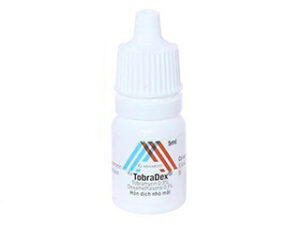
Timoptic (Timolol Maleate) – Patient Information Guide (UK)
Timoptic is an eye medicine containing timolol maleate, a type of medicine known as a beta-blocker. It is used to lower pressure inside the eye and is commonly prescribed for conditions such as glaucoma and ocular hypertension. This guide explains how Timoptic works, how it is typically used, important safety considerations, and frequently asked questions for people in the United Kingdom.
Always follow the instructions given by your eye care professional and read the patient information leaflet supplied with your medicine.
1. Basic product information
| Item | Details |
|---|---|
| Medicine name | Timoptic |
| Active ingredient | Timolol maleate |
| Medicine type | Ophthalmic (eye) drops; beta-blocker |
| Main use | Lowers intraocular pressure (IOP) |
| Common conditions | Open-angle glaucoma, ocular hypertension (as directed) |
| Where it is used | In the UK (availability may vary by formulation) |
Important note: Timoptic may come in different strengths and container types (for example, single-dose units or multi-dose bottles, depending on what is available). Your exact dosing may differ according to your formulation. If you are unsure, check your box/label.
2. How Timoptic works (mechanism of action)
In glaucoma and ocular hypertension, the pressure inside the eye (intraocular pressure, or IOP) can rise and may damage the optic nerve. Timoptic works primarily by:
- Reducing the production of fluid (aqueous humour) inside the eye
- Lowering overall intraocular pressure
Timolol is a non-selective beta-adrenergic blocker (it can affect beta receptors). When applied to the eye, it decreases aqueous humour production, helping to keep IOP at a safer level.
3. Pharmacokinetics (what happens to the medicine in the body)
Because Timoptic is applied as eye drops, most information relates to ocular absorption and the possibility of systemic absorption through the eye and nasal passages.
- On-eye absorption: After instillation, timolol can be absorbed into ocular tissues, where it helps lower IOP.
- Systemic absorption: Some of the medicine may enter the bloodstream via the highly vascular tissues of the eye and the nose (after drops drain through the tear duct).
- Onset and duration: Pressure-lowering effects typically occur within hours, with effectiveness depending on consistent daily use.
- Metabolism and elimination: Like many medicines, timolol is processed by the body and eliminated mainly through normal metabolic pathways and excretion.
Why this matters: Even though Timoptic is used in the eye, systemic absorption can rarely contribute to side effects—such as slow pulse, breathlessness in susceptible individuals, or fatigue.
4. Typical use: who Timoptic is for
Timoptic is generally used in adults (and in some cases in children, depending on local clinical practice) for conditions where lowering IOP helps protect the optic nerve.
Common indications
- Open-angle glaucoma
- Ocular hypertension (raised eye pressure without obvious glaucoma damage)
Your eye care professional will decide whether Timoptic is appropriate and may recommend it alone or together with other glaucoma medicines.
5. How to use Timoptic: timing and technique
Use Timoptic exactly as directed by your clinician. Many people are advised to use it once or twice daily, depending on the product strength/formulation and your condition.
Typical timing
- Choose a consistent schedule (e.g., morning and evening).
- If you are using it twice daily, space doses about 12 hours apart where possible.
- If you are using it once daily, take it at about the same time each day.
Practical step-by-step tips
- Wash your hands.
- Use a mirror if it helps.
- Gently pull down the lower eyelid to form a small pocket.
- Hold the bottle close to your eye and instil one drop into the pocket—avoid touching the tip to the eye.
- Close your eye gently.
- For best results and reduced systemic absorption, consider punctual occlusion:
- Press a finger lightly at the inner corner of the eye (near the nose) for 1–2 minutes.
- Wipe away excess liquid with a clean tissue.
Contact lenses
- Many patients are advised to remove contact lenses before instilling drops.
- Wait before reinserting—follow the instructions on the leaflet or ask your pharmacist for specific advice.
Using with other eye drops
- If you use more than one eye medicine, there should usually be a gap of about 5–10 minutes between different drops (unless your clinician told you otherwise).
- Eye ointments are often used last.
6. Dosing (general information)
Dosing can vary based on your formulation and your individual circumstances. Typical guidance for timolol eye drops is as follows:
- Adults: often one drop once or twice daily (depending on strength and prescriber instructions).
- Children: dosing may be more carefully individualised and may require specialist supervision.
Do not change your dose without speaking to your eye care professional. Consistency is important to maintain IOP control and reduce the risk of progression.
If you miss a dose
- Take it as soon as you remember if it is not close to the time for the next dose.
- If it is near the next scheduled dose, skip the missed dose.
- Do not double up to make up for a missed drop.
If you use more than you should
- Accidental extra dosing can increase the chance of side effects.
- If you notice symptoms such as dizziness, unusual tiredness, slow pulse, or breathing difficulties, seek medical advice promptly.
- Rinse the eye with clean water if advised by your pharmacist/clinician and follow their guidance.
7. Food interactions
Timoptic is applied to the eye, so food interactions are not usually expected in the same way as medicines taken by mouth. However, individual factors and co-medications can still matter.
- General rule: You can usually take Timoptic regardless of meals.
- Still important: If you use Timoptic along with oral medications that affect heart rate or breathing, discuss them with your pharmacist.
8. Alcohol and medicine interactions
Alcohol
There is no classic direct “food-drug” interaction for alcohol with eye timolol in the same way as some oral drugs. However, alcohol may worsen dizziness or fatigue in some people.
- If Timoptic makes you feel dizzy or light-headed, consider reducing alcohol and driving carefully.
- Seek medical advice if you experience significant side effects.
Medicine interactions (important)
Timolol may interact with other medicines that affect the cardiovascular system or the nervous system. Even with eye drops, systemic absorption can occur.
Tell your clinician or pharmacist about all medicines you use, including:
- Other beta-blockers (including some tablets and other eye drops)
- Calcium-channel blockers used for blood pressure/heart rhythm (e.g., verapamil, diltiazem)
- Medicines that slow the heart (some antiarrhythmics)
- Medicines for irregular heartbeat
- Medicines used in diabetes, especially those that may mask warning symptoms of hypoglycaemia (beta-blockers can sometimes do this)
- Medicines affecting breathing (e.g., those used in asthma/COPD): timolol can rarely worsen breathing in susceptible people
- Other glaucoma medicines (your clinician may combine therapies appropriately)
Always check before starting any new medication—especially if you have heart rhythm conditions, slow pulse, or breathing problems.
9. Safety profile and side effects
Most people tolerate Timoptic well. However, like all medicines, it can cause side effects. Some are eye-related, and some are related to systemic absorption of beta-blocker effects.
Common eye-related effects
- Stinging, burning, or irritation
- Dry eyes or a gritty sensation
- Redness
- Watery eyes or mild discomfort
Less common but important systemic effects
- Slow heart rate (bradycardia)
- Dizziness or faintness
- Low blood pressure symptoms such as feeling weak
- Breathing difficulties (wheezing, shortness of breath), particularly in people with asthma or certain lung conditions
- Fatigue or reduced exercise tolerance
Seek urgent medical advice if you get
- Severe breathing difficulty, wheezing, or swelling of the face/lips
- Fainting, severe dizziness, or a very slow pulse
- Sudden severe eye pain, major vision changes, or severe allergic reaction
Who should be extra cautious
- People with asthma or a history of wheezing/bronchospasm
- People with slow heart rate, certain heart conduction problems, or known heart rhythm disorders
- People with certain eye conditions where careful evaluation is required by a clinician
- People who have previously experienced reactions to beta-blocker medicines
Do not stop suddenly without advice. If you experience side effects, contact your clinician to discuss alternatives or adjustment.
10. Safety and practical use tips
- Use correct technique to reduce drainage into the nose (punctual occlusion can help).
- Avoid touching the bottle tip to your eye to reduce contamination.
- Keep scheduled reviews: glaucoma care depends on ongoing monitoring of IOP and optic nerve health.
- Inform professionals (GP, pharmacist, dentist, and hospital services) that you use Timoptic.
- If you feel unwell after starting the drops, don’t ignore symptoms—get advice promptly.
11. Alternative options (other medicines for glaucoma/IOP control)
If Timoptic is not suitable or causes side effects, clinicians may consider other therapies. These can include:
Common alternative classes
- Prostaglandin analogues (often used once daily) – help increase aqueous outflow
- Other beta-blockers (different formulations or strengths)
- Carbonic anhydrase inhibitors (reduce aqueous production)
- Alpha-adrenergic agonists (reduce aqueous humour production and increase outflow)
- Rho kinase inhibitors (increase outflow)
- Combination drops (two actives in one bottle) to simplify treatment
Your eye specialist can recommend the best fit based on your IOP readings, eye surface comfort, general health, and how you respond to treatment.
12. UK market and legal context (what it means for you)
In the United Kingdom, medicines are regulated and supplied under national medicines governance frameworks. Timoptic is an eye medicine used for glaucoma-related conditions and is supplied through approved routes in the UK.
- Quality and regulation: Medicines sold in the UK must meet regulatory standards for safety, efficacy, and quality.
- Pharmacy supply: Eye drops may be dispensed through pharmacy services according to their classification and local requirements.
- Continuity of care: Patients are usually advised to maintain therapy consistently and attend monitoring appointments.
Recent guidance (general): UK glaucoma care emphasises early identification, appropriate selection of drops, regular monitoring, and using treatment plans tailored to patient factors such as comorbidities (for example, respiratory or cardiovascular disease) and tolerability on the eye surface.
13. Delivery and availability in the UK
Availability of Timoptic can vary by formulation (strength and pack type). If you are ordering online:
- Check packaging details (strength and dosing instructions) to ensure it matches your current plan.
- Dispatch timing may differ depending on stock levels.
- Storage: Keep the bottle as directed on the label. Avoid extreme temperatures.
Delivery considerations: Eye drops are typically delivered by standard courier services. Ensure someone can receive the parcel, especially if delivery occurs when you are not at home.
If you need help confirming which strength or pack type is appropriate, consult your pharmacist or clinician.
14. Frequently Asked Questions (FAQ)
How quickly does Timoptic start working?
Timoptic usually begins to reduce intraocular pressure within hours of use. Maximum effect may take longer and depends on consistent, correct dosing. If you are monitoring IOP, your clinician will interpret results in context.
Can I use Timoptic if I have asthma or COPD?
Because timolol is a beta-blocker, caution is needed. Some people with asthma or certain lung conditions may experience worsening breathing. Discuss your history with your clinician before using Timoptic, and seek advice promptly if you develop wheezing or shortness of breath.
Will Timoptic affect my pulse or blood pressure?
Rarely, timolol eye drops can be absorbed into the bloodstream enough to influence heart rate. If you notice faintness, unusual tiredness, or a very slow pulse, contact your healthcare professional.
Should I remove contact lenses before using Timoptic?
Many eye drops require contact lenses to be removed before instillation. Follow the instructions in your leaflet or ask your pharmacist for product-specific advice.
Is it okay to drive after using Timoptic?
Some people experience temporary blurred vision or discomfort after drops. If your vision is affected, avoid driving until it clears. If you regularly experience blurred vision, discuss it with your clinician.
What if I miss a dose?
Use it when you remember unless it is close to the next dose. Do not double up. Consistency is important for glaucoma control.
Can I stop Timoptic when my eyes feel better?
Glaucoma often progresses without obvious symptoms. Even if you feel well, IOP may still be high. Do not stop without professional advice—treatment is usually long-term.
Are there any restrictions with alcohol?
There is no direct interaction that typically prevents alcohol use with timolol eye drops. However, alcohol may worsen dizziness or fatigue in some people. If you experience side effects, consider avoiding alcohol and speak to your pharmacist.
What other medicines should I avoid?
Be cautious with other medicines that affect heart rate or breathing, including other beta-blockers and certain cardiovascular drugs. Always tell your healthcare professional about all medicines you take.
What are the most important side effects to watch for?
Watch for eye irritation (common) and, more importantly, systemic signs such as slow pulse, faintness, or breathing difficulties. Get urgent help if symptoms are severe.
15. Summary
Timoptic (timolol maleate) is an eye drop used in the UK to help lower intraocular pressure in glaucoma and ocular hypertension. It works by decreasing the production of fluid inside the eye, helping to protect the optic nerve. Proper technique, consistent dosing, and attention to safety—especially in people with respiratory or heart conditions—are key to safe use.
If you have any questions about your specific product strength, how to use your drops, or whether Timoptic is suitable for you alongside other medicines, speak to your pharmacist or eye care professional.