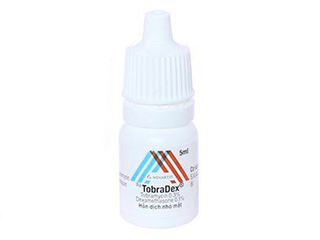
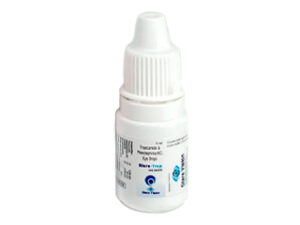
Tobradex (Obramycin / Dexamethasone) – Patient Information (UK)
Tobradex is a medicine used in the eye for short-term treatment of certain inflammatory eye conditions, sometimes together with bacterial infection. It combines an antibiotic (to treat susceptible bacteria) with a corticosteroid (to reduce inflammation).
This page is designed to help you understand how Tobradex works, when it is typically used, how it should be taken, and what to watch for. Always follow the advice provided by your healthcare professional and the information leaflet supplied with the medicine.
1) Basic product information
| Product name | Active ingredients | What it is used for | Typical presentation (examples) |
|---|---|---|---|
| Tobradex | Obramycin (an antibiotic) + Dexamethasone (a corticosteroid) | Inflammation of the eye with/at risk of bacterial infection | Eye drops and/or ointment (strengths and format may vary by pack) |
Common strength (for eye drops): Obramycin 3 mg/mL and dexamethasone 1 mg/mL (confirm with your specific pack).
Who makes it? Tobradex is a branded product; availability and specific manufacturer may vary. Always check the pack for the exact details.
2) How Tobradex works (mechanism of action)
Tobradex contains two medicines working together:
- Obramycin (antibiotic): belongs to the aminoglycoside group. It helps stop growth of susceptible bacteria by interfering with protein synthesis in bacterial cells.
- Dexamethasone (corticosteroid): reduces inflammation and suppresses immune responses in the eye. This can reduce redness, swelling, pain, and other signs of inflammation.
Why both are combined: Some eye conditions have both inflammatory features and bacterial involvement, or inflammation may be treated while controlling bacteria. The antibiotic covers susceptible organisms, while the steroid helps control inflammation.
3) Pharmacokinetics (how it moves in the body)
Because Tobradex is applied to the eye, systemic absorption is generally low compared with tablets. However, some absorption can occur through the eye tissues and the nasal passages (especially if the eye drops are allowed to drain into the nose).
- Absorption: Small amounts may enter the bloodstream after eye administration.
- Distribution: Dexamethasone may reach the circulation in low amounts; exact levels vary between individuals and depends on technique and how much drains away.
- Metabolism and elimination: In general, steroid molecules are metabolised and excreted (primarily via the liver and then kidneys or bile pathways), but with eye drops systemic exposure is typically limited.
Practical takeaway: Systemic side effects are uncommon with correct use, but eye-specific risks (such as raised eye pressure) are important and can occur even when absorption is low.
4) Typical indications (what it is used for)
Tobradex is typically used for inflammatory conditions of the eye where there is either:
- an associated bacterial infection, or
- a risk of bacterial infection.
Examples of situations where such combinations may be considered include:
- certain cases of blepharitis (eyelid inflammation) and conjunctivitis (inflammation of the eye surface), especially if bacterial infection is suspected or confirmed
- some post-operative inflammatory eye problems where the clinician also wants antimicrobial coverage (as appropriate to the surgical context)
Use should be guided by local clinical practice, the likely cause of symptoms, and the condition being treated. If symptoms do not improve, the diagnosis may need review.
5) Timing and how to use it
Correct timing and administration technique are essential for both effectiveness and safety.
When to start
Use as advised—usually when you notice symptoms and/or after review by a healthcare professional.
How often
Dosing schedules vary by condition, severity, and whether you’re using drops or ointment. Follow your pack instructions and clinician advice.
Spacing between doses
Try to evenly space doses through the day to maintain a steady effect, for example:
- Morning
- Midday / early afternoon
- Evening
- Bedtime (particularly relevant for ointment, which may be used at night for longer contact)
How to apply eye drops (step-by-step)
- Wash your hands.
- If using contact lenses, remove them before use (see section on food/lens interactions below).
- Shake the bottle if your pack instructs you to do so.
- Gently pull down the lower eyelid to create a small pocket.
- Hold the dropper above the eye and place the prescribed number of drops into the pocket.
- Release the eyelid, close your eye gently, and press the inner corner of the eye (near the nose) for about 1 minute to reduce drainage into the nose.
- Keep your eye closed for a short while (do not squeeze).
- Wait before using other eye products (see below).
Using eye ointment
- Ointment is thicker and may blur vision temporarily.
- Often applied at bedtime, but follow your instructions.
- Use the same hand hygiene and aim gently inside the lower eyelid pocket.
- Close eyes gently and wipe away any excess from the skin around the eye.
Using Tobradex with other eye medicines
If you also use other eye drops, wait between products:
- At least 5–10 minutes between different eye drops.
- Ointments are usually applied last because they can interfere with drops.
6) Food interactions
Because Tobradex is applied to the eye, direct food interactions are unlikely. There are generally no specific dietary restrictions required.
However: If you are taking other medicines (including tablets or injections), always check for interactions with your full medication list.
7) Alcohol and medicine interactions
Alcohol
There is no well-established direct interaction between alcohol and Tobradex used in the eye. However, alcohol may worsen dehydration or irritation in some people and could affect your comfort during recovery.
If you are using Tobradex alongside other medicines (for example, oral antibiotics or steroids), alcohol may increase side effects of those medicines, so consider the broader medication context.
Other medicines (general considerations)
Eye steroids can rarely contribute to complications when combined with other treatments affecting the eye.
- Other eye drops/ointments: follow spacing guidance (5–10 minutes).
- Medicines for glaucoma: corticosteroids may raise intraocular pressure in some people, potentially affecting glaucoma control.
- Antivirals/antifungals: if the cause of symptoms is viral or fungal, Tobradex may not be appropriate and could worsen certain infections (see safety section).
If you are using multiple eye medicines, keep a written list and ask your healthcare professional or pharmacist to confirm the safest order and timing.
8) Dosing (typical approach)
Doses vary based on the condition and severity. The information below is a general guide to help you understand common prescribing patterns; always follow your own instructions.
General dosing pattern (example)
- Eye drops: may be used multiple times daily. In more severe cases, dosing can be more frequent initially and then reduced as symptoms improve.
- Eye ointment: may be used at night or as directed to provide prolonged contact.
Duration of treatment
Tobradex is usually intended for short-term use. Prolonged use increases the risk of side effects such as raised eye pressure and cataract formation (especially in susceptible individuals).
Missed dose
- If you forget a dose, apply it when you remember unless it’s close to your next dose.
- Do not apply extra drops to make up for a missed dose.
Stop and seek advice if
- symptoms worsen significantly
- there is no improvement within the expected timeframe
- you develop increasing pain, light sensitivity, or blurred vision
- you suspect an allergy or an infection type not covered (e.g., herpes-related symptoms)
9) Safety profile and important precautions
Like all medicines, Tobradex can cause side effects. Most people tolerate it well when used correctly for the correct length of time, but certain risks are important to know.
Common side effects
- Mild temporary stinging or burning after application
- Redness or mild irritation
- Tearing
- Blurred vision (more likely with ointment)
Serious side effects (seek medical help urgently)
- Severe eye pain, marked worsening redness, or sudden vision changes
- Increased light sensitivity
- Signs of allergic reaction (swelling of eyelids/face, rash, difficulty breathing—call emergency services if severe)
Key steroid-related risks
Dexamethasone (a corticosteroid) can cause or contribute to the following:
- Raised intraocular pressure (can occur even with eye drops; risk may be higher with longer use)
- Glaucoma in susceptible individuals
- Cataract formation with prolonged use
- Delayed healing of the eye surface
Infection-related risks
- Steroids can mask signs of infection or make certain infections worse.
- It is particularly important to avoid steroid-containing drops if herpetic eye disease (herpes simplex keratitis) is suspected unless specifically directed.
- Prolonged or inappropriate use can encourage secondary infections or non-susceptible organisms to grow.
Who should take extra care?
- People with glaucoma or a strong family history
- People with thin corneas, corneal injury, or a history of eye surgery where steroid risks must be weighed
- Anyone with suspected viral or fungal eye infection
Contact lenses
It’s generally recommended to remove contact lenses before using Tobradex, because preservatives and ointment thickness can affect the lens and the eye surface. Your healthcare professional or pharmacist may advise when you can reinsert lenses (often after treatment is completed or after a short waiting period).
10) Practical use tips (to improve effectiveness and reduce side effects)
- Use good technique: avoid touching the dropper/ointment tip to the eye or eyelids.
- Press the inner corner of the eye: for about 1 minute after dosing to reduce drainage into the nose.
- Don’t share your medication: eye medicines should be used only by you.
- Keep follow-up in mind: if the course is longer than expected or if you have glaucoma risk, eye pressure may need monitoring.
- Eye hygiene: wash hands before dosing, especially if you also have eyelid irritation.
- Avoid driving if vision is blurred: particularly right after ointment application.
Storage
- Store at the temperature specified on the pack.
- Keep the bottle/tube tightly closed.
- Do not use after the expiry date.
- Check the pack for guidance on how long it can be used after first opening.
11) Alternative options
Alternatives depend on the cause of the eye problem (bacterial vs viral vs allergic vs inflammatory non-infectious causes) and on your eye health history.
Possible alternative categories include:
- Antibiotic-only eye drops/ointment (for bacterial infection without need for steroid control)
- Anti-inflammatory drops (non-steroid options may be considered in certain cases)
- Artificial tears for lubrication and symptom relief in irritation
- Specific antiviral or antifungal treatment if infection type requires it
Your pharmacist or clinician can help you compare options, but the key point is that steroid-containing drops are not suitable for every cause of red or painful eyes.
12) UK market and legal context (overview)
In the United Kingdom, Tobradex is available through appropriate healthcare channels according to the product classification and local prescribing/dispensing regulations. Eye conditions may need careful assessment, particularly when steroids are involved.
For online pharmacy purchases, availability may vary by supplier and pack size. Always confirm:
- the exact formulation (drops vs ointment)
- active ingredient strengths
- expiry date and whether the pack is sealed
- storage instructions
Important: If symptoms suggest a serious eye condition (severe pain, sudden vision changes, significant light sensitivity), you should seek urgent medical assessment rather than relying on self-treatment.
13) Recent guidance and safety expectations (high-level)
Across the UK, clinicians emphasise cautious use of steroid-containing eye drops due to the risk of:
- raising intraocular pressure
- masking infections
- worsening certain viral infections
- delaying healing of the cornea
Current best practice generally supports:
- short courses where possible
- review if symptoms do not improve
- appropriate diagnosis (bacterial vs viral vs other causes)
- consideration of eye pressure monitoring in at-risk individuals
Always follow the leaflet and healthcare advice supplied with your specific product pack.
14) Delivery and availability (UK)
Availability of Tobradex may vary depending on supplier stock, pack format, and national supply routes. Many online pharmacies in the UK offer standard or express delivery options.
Typical delivery expectations:
- Standard delivery: often within a few working days (varies by postcode and courier)
- Express delivery: may be available for some locations
- Tracking: may be provided by email/SMS
Packaging and temperature: Tobradex is usually shipped in suitable packaging to protect from damage. Store it as instructed upon arrival.
If your pack is out of stock, an online pharmacy may offer alternatives or advise on restock dates.
15) FAQ (Frequently Asked Questions)
Is Tobradex an antibiotic or a steroid?
Tobradex contains both: obramycin (antibiotic) and dexamethasone (steroid). This combination helps treat inflammation while targeting susceptible bacteria.
How long should I use Tobradex?
Tobradex is typically used for a short period. The exact duration depends on your condition and response. Using it longer than advised increases steroid-related risks such as raised eye pressure.
Can I use Tobradex if I have a red, irritated eye?
Not all red eyes are due to bacteria or inflammation that responds to steroids. If you have severe pain, light sensitivity, or vision changes, you should get urgent medical advice. If symptoms persist or worsen, review is recommended.
What should I do if my vision blurs after using the drops or ointment?
Blurred vision can occur, especially with ointment. Avoid driving until your vision clears. If blur is sudden, severe, or accompanied by pain or light sensitivity, seek urgent advice.
Do food or drinks affect Tobradex?
There are no known direct food interactions because the medicine is applied to the eye. Alcohol isn’t known to directly interact, but it may affect comfort or overall wellbeing.
Can I wear contact lenses while using Tobradex?
You should generally remove contact lenses before using Tobradex. Ask your pharmacist or clinician when it’s safe to reinsert them, as guidance can vary depending on the product and your eye condition.
Can Tobradex be used for children?
Use in children should be guided by a healthcare professional. The correct dose and suitability depend on the child’s age, diagnosis, and the formulation.
Are there any signs that mean I should stop and seek help?
Stop using the medicine and seek medical advice urgently if you experience:
- significant worsening pain
- rapidly decreasing vision
- marked light sensitivity
- severe swelling or allergic symptoms
Is it safe to use Tobradex with other eye drops?
Often it can be used with other eye products, but keep at least 5–10 minutes between different drops, and use ointments last. Confirm the schedule with your pharmacist if you’re unsure.
What happens if I miss a dose?
Apply the missed dose when you remember, unless it’s nearly time for the next dose. Do not apply double doses.
Summary
Tobradex is a combination eye medicine containing obramycin (antibiotic) and dexamethasone (steroid). It is used to treat certain inflammatory eye conditions, particularly where bacterial infection is present or likely. While systemic side effects are uncommon, steroid-related risks—including increased eye pressure—make correct use and appropriate duration essential.
If you have concerns or your symptoms do not improve, speak to a pharmacist or healthcare professional promptly—especially if you experience pain, light sensitivity, or changes in vision.