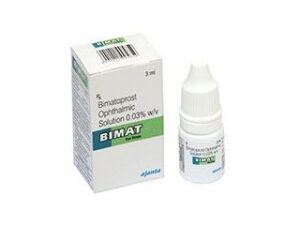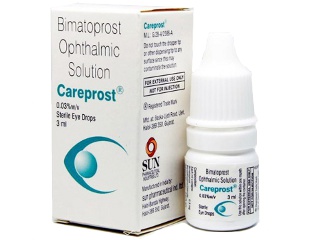
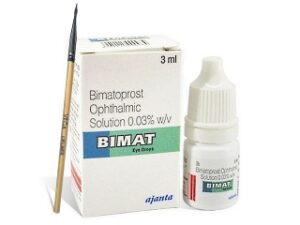
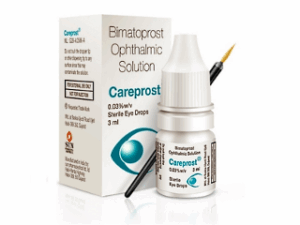
Careprost (Bimatoprost) Eye Drops – Patient Guide (UK)
Careprost contains bimatoprost, a medicine used to reduce pressure inside the eye. If you have been advised to use it for glaucoma or high eye pressure, this guide explains what it does, how to use it, what to expect, and important safety information. It is written for people in the United Kingdom and is suitable for general patient education.
1. Basic product information
- Medicine name: Careprost
- Active ingredient: Bimatoprost
- Medicine type: Prostaglandin analogue (a glaucoma eye-drop)
- Form: Eye drops (solution)
- Common strength (varies by product): typically 0.03% bimatoprost in many markets
- How it is supplied: usually in a multi-dose bottle designed for eye use
Note: Always check the strength and instructions on your specific product packaging or patient leaflet.
2. How Careprost works (mechanism of action)
Bimatoprost works by affecting pathways that help fluid drain from the eye. It is believed to:
- Increase aqueous humour outflow (the fluid that keeps the front part of the eye supplied)
- Improve drainage through specific ocular channels, which can lead to a reduction in intraocular pressure
By lowering eye pressure, bimatoprost can help protect the optic nerve and reduce the risk of worsening vision in conditions such as open-angle glaucoma and ocular hypertension.
3. Typical use in the UK
In the UK, bimatoprost eye drops are commonly used in adults for:
- Open-angle glaucoma
- Ocular hypertension (higher-than-normal pressure in the eye)
Your clinician may recommend it alone or together with other eye drops to achieve sufficient pressure reduction.
4. Indications (when it’s used)
Careprost is indicated for the reduction of raised intraocular pressure in:
- Adult patients with open-angle glaucoma
- Adult patients with ocular hypertension
Important: Follow your local healthcare professional’s advice for your specific diagnosis and treatment goals.
5. Dosing and timing
Typical dosing schedule
- Common regimen: one drop in the affected eye(s) once daily
- Time of day: it is often recommended to use the drop in the evening
- Consistency matters: use it at around the same time each day
Maximum frequency: do not use more often than instructed, because extra dosing does not usually improve results and may increase side effects.
If you miss a dose
- Use the missed dose only if it is close to your usual time and you can still keep a regular pattern.
- If it is already close to the time for your next dose, skip the missed dose.
- Do not use double the amount.
How long treatment usually continues
Glaucoma is typically a long-term condition. Many people use bimatoprost continuously to help maintain pressure control. Do not stop without medical advice.
6. Practical use tips (step-by-step)
Correct technique helps the medicine work properly and reduces contamination or irritation.
- Wash your hands before using the drops.
- Check the bottle for clarity and expiry date.
- Gently tilt your head back and pull down the lower eyelid to form a small pocket.
- Hold the bottle over your eye and instil one drop into the pocket.
- Close your eye gently and press a finger at the inner corner of your eye (near the nose) for about one minute.
- Keep your eye closed; avoid blinking or rubbing.
- If using more than one eye medicine, wait at least 5 minutes before the next drop.
- Replace the cap immediately.
Contact lenses
- Do not put drops into your eyes while wearing contact lenses unless your clinician/pharmacist has confirmed it is acceptable.
- Often you should remove lenses before instillation and wait before reinserting—follow the leaflet on your exact product.
Using with other eye drops
If you use other glaucoma drops (such as beta-blockers, carbonic anhydrase inhibitors, or combination treatments), your schedule should be coordinated to avoid missed doses or incorrect timing.
7. Food interactions
Food interactions are unlikely. Bimatoprost is used as an eye drop, and only a small amount is expected to enter the bloodstream compared with oral medicines. However:
- No specific dietary restrictions are generally required.
- If you notice changes in comfort or irritation after meals, this may be coincidental—report persistent problems to your clinician.
8. Alcohol and medicine interactions
Alcohol
There is no well-established direct interaction between alcohol and bimatoprost eye drops. Nevertheless, alcohol can worsen dry-eye symptoms or irritation in some people, which may make side effects feel more noticeable.
Interactions with other medicines
Bimatoprost is mainly acting locally in the eye. Still, interactions can be relevant through eye-drop formulation ingredients or when multiple medicines affect the eye.
Tell your healthcare professional about:
- All other eye drops (including “natural” or steroid-containing products)
- Any medicines you take by mouth (especially those affecting the immune system, hormones, or eye conditions)
- Recent eye surgery or planned procedures
As a practical point, do not start or stop any other eye medication without advice—some products must not be used together or require careful spacing.
9. Pharmacokinetics (what the body does with it)
“Pharmacokinetics” describes how a medicine is absorbed, distributed, metabolised, and eliminated.
Absorption
- After eye-drop administration, bimatoprost may be absorbed through the tissues of the eye.
- Systemic absorption is generally low compared with oral medicines.
Distribution
- Bimatoprost and related metabolites distribute throughout body tissues to a limited extent.
Metabolism and elimination
- Bimatoprost is metabolised mainly through multiple pathways.
- Metabolites are cleared from the body primarily through renal (kidney) and other routes.
Because systemic exposure is usually limited, many people tolerate it well when used correctly. Individual factors (age, kidney/liver function, and overall health) can influence tolerability.
10. Safety profile and side effects
Like all medicines, Careprost can cause side effects. Some are common but mild and often reduce with continued use. Contact a healthcare professional promptly if you experience severe symptoms.
Common side effects
- Eye redness
- Itching or mild irritation
- Dry eye or discomfort
- Tearing
- Burning/stinging shortly after instillation
Other notable effects
- Changes in eyelash appearance (e.g., increased length, thickness, or number) may occur
- Eyelid skin darkening can occur in some people
- Iris pigmentation changes (often gradual), which is usually more noticeable in people with mixed-colour irises
Important: Pigmentation changes may be permanent. Discuss with your clinician if you notice darkening of the iris or eyelid.
Less common but serious symptoms (seek advice urgently)
- Severe eye pain
- Marked swelling of the eyelids or around the eye
- Significant light sensitivity
- New or worsening blurred vision
- Eye infection symptoms (pus/discharge, fever, intense redness)
11. Who should take extra care?
Use extra caution and seek prompt professional advice if you have:
- Current or previous eye inflammation (uveitis)
- History of eye injury or eye surgery
- Known corneal problems or contact lens intolerance
- Any condition affecting how your eyes heal
Tell your prescriber/pharmacist about any allergies or past reactions to bimatoprost or preservatives in eye drops.
12. Safety considerations for pregnancy and breastfeeding
If you are pregnant, trying to conceive, or breastfeeding, discuss use with a healthcare professional. Although systemic absorption is low, eye medicines still require careful consideration during these times.
13. Alternative options for lowering eye pressure
There are multiple classes of medicines used to reduce intraocular pressure. Alternatives your clinician may consider include:
- Other prostaglandin analogues (e.g., latanoprost, travoprost, tafluprost)
- Beta-blocker eye drops (e.g., timolol)
- Alpha-adrenergic agents (e.g., brimonidine)
- Carbonic anhydrase inhibitors (e.g., dorzolamide, brinzolamide)
- Combination eye drops that include two active ingredients in one bottle
Your suitable option depends on your eye condition, response, tolerance, and other health factors.
14. Recent guidance and UK clinical context
In the UK, glaucoma management typically includes:
- Regular measurement of intraocular pressure
- Assessment of optic nerve health (and visual field testing where appropriate)
- Stepwise treatment, often starting with topical pressure-lowering medicines
- Review of adherence and technique when pressures remain high
Clinical decisions are influenced by the balance between effective pressure reduction and side effects. People are usually reviewed at intervals determined by severity and stability of disease.
Important: Your clinician may adjust therapy over time based on eye-pressure trends, optic nerve monitoring, and any side effects.
15. Delivery and availability in the United Kingdom
Careprost (bimatoprost) eye drops may be available through UK pharmacies and pharmacy websites, subject to legal and regulatory requirements and the product’s licensing status. Availability can vary by supplier and formulation.
When ordering online, common customer experience points include:
- Secure packaging to protect bottles from damage
- Delivery tracking and standard dispatch times
- Age/identity checks where applicable to comply with UK medicines regulations
- Storage instructions (typically keep at room temperature away from direct heat; follow the label)
If you have urgent symptoms (severe pain, sudden vision changes), do not rely on delivery timing—seek urgent eye care.
16. Market/legal context (UK)
In the UK, medicines including eye drops are regulated to ensure quality, safety, and correct supply. The exact way bimatoprost is supplied can vary by product form and regulatory status. For online purchasing, reputable UK pharmacies follow UK requirements related to medicine distribution and patient safety.
- Only buy from reputable and licensed UK pharmacies.
- Check that the product details (strength, name, expiry date) match what your clinician intended.
- Do not use medicines that are expired or damaged.
Always follow the instructions provided with your specific Careprost product.
17. Overdose and what to do
Because Careprost is applied to the eye, overdose is less likely than with oral medication. If too many drops are used or if the medicine is accidentally swallowed, contact a healthcare professional or call NHS 111 for advice (or local emergency services if advised).
If possible, have the bottle or packaging available.
18. FAQ
Is Careprost used once a day?
Yes, the usual regimen for bimatoprost eye drops is one drop once daily, often in the evening. Follow your clinician’s instructions and the leaflet for your product.
What happens if I accidentally miss a dose?
Use it only if you’re close to the original time. If it’s nearly time for the next dose, skip the missed dose. Do not use double.
Will Careprost change my eye colour?
Some people may experience gradual iris pigmentation changes and eyelid/eyelash changes. These changes are reported with bimatoprost and can be more noticeable in people with mixed-colour irises. Discuss concerns with your clinician.
Does Careprost make eyelashes grow?
It may. Increased eyelash length, thickness, or number can occur. If eyelash changes lead to irritation or discomfort, seek advice.
Can I wear contact lenses with Careprost?
Often you should remove lenses before instillation and wait before reinserting. Follow the leaflet instructions for your specific product or ask your pharmacist.
How long does it take to work?
Many people see pressure-lowering effects within days, though the full benefit can develop over a longer period. Your clinician will monitor your response during follow-up.
What side effects are most common?
Common effects include eye redness, itching, dryness, mild stinging, and tearing.
When should I contact a doctor urgently?
Contact urgent eye care if you experience severe pain, significant swelling, marked light sensitivity, or new/worsening blurred vision.
Can I drink alcohol while using Careprost?
There is no established direct interaction. However, alcohol may contribute to dry-eye discomfort for some people.
Are there food interactions?
No specific food interactions are generally expected with bimatoprost eye drops.
19. Summary table (quick reference)
| Topic | Key points |
|---|---|
| Active ingredient | Bimatoprost (prostaglandin analogue) |
| What it treats | Raised intraocular pressure in open-angle glaucoma and ocular hypertension |
| How it works | Helps fluid drain from the eye, lowering intraocular pressure |
| Typical dose | One drop once daily (often in the evening) |
| Food interactions | Generally not expected |
| Alcohol | No direct interaction known; may worsen dry-eye symptoms in some people |
| Common side effects | Redness, irritation, itching, dryness, tearing |
| Notable changes | Eyelash/eyelid changes; possible iris pigmentation changes |
| Seek urgent help | Severe eye pain, significant swelling, light sensitivity, or worsening vision |
Final reminder: If you’re unsure about your technique, your timing, or the best way to combine Careprost with other eye medicines, ask your pharmacist or eye-care professional. Proper use is an important part of protecting your vision.