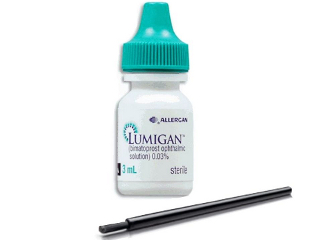
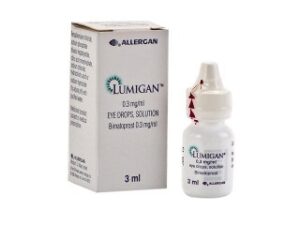
Lumigan + Applicators (Bimatoprost) – Patient Guide (UK)
Lumigan + Applicators contains the active ingredient bimatoprost, used to help lower intraocular pressure (IOP) in certain eye conditions. This medicine is applied to the eye using small applicators, designed to make treatment easier and more consistent.
This guide explains how Lumigan works, how it’s typically used in the UK, important safety information, and practical tips to help you use it effectively. Always follow the instructions given by your eye care team.
Key product information
| Item | Details |
|---|---|
| Medicine name | Lumigan + Applicators (bimatoprost) |
| Active ingredient | Bimatoprost |
| What it’s used for | Lowering intraocular pressure in glaucoma or ocular hypertension (as advised) |
| How it is given | Ophthalmic treatment applied to the eye (with applicators) |
| Typical dosing schedule | Usually once daily in the evening (follow your prescriber’s instructions) |
| Common strength | Often supplied as bimatoprost ophthalmic solution (varies by product/pack) |
| Who may use it | Adults and, for some indications, children may be treated under specialist guidance |
Note: Pack strength and applicator format can vary by product and market. Check the label and leaflet supplied with your specific pack.
What Lumigan is used for (indications)
Lumigan (bimatoprost) is an eye medicine used to:
- Lower intraocular pressure in people with glaucoma.
- Lower intraocular pressure in ocular hypertension (when IOP is raised and there is a risk of developing glaucoma).
Your eye specialist will decide if Lumigan is suitable based on your eye measurements, medical history, and response to other treatments.
How Lumigan works (mechanism of action)
Bimatoprost belongs to a group of medicines commonly referred to as prostaglandin analogues (in ophthalmology). It helps reduce IOP by increasing the outflow of fluid (aqueous humour) from the eye.
In simple terms, it works by:
- Improving fluid drainage pathways inside the eye, which lowers pressure over time.
- Helping the eye maintain a healthier pressure balance, which can help protect the optic nerve.
It is important to understand that the aim is prevention and protection. Lowering IOP helps reduce the risk of progression of glaucoma-related damage.
Pharmacokinetics (how the body handles bimatoprost)
Pharmacokinetics describes how a medicine is absorbed, distributed, metabolised, and removed from the body. For eye drops/ophthalmic medicines like bimatoprost:
- Absorption: Bimatoprost is absorbed through eye tissues to a limited extent.
- Distribution: It may reach local ocular tissues; systemic exposure is generally low.
- Metabolism: It is metabolised in the body through common biochemical pathways.
- Elimination: Metabolites are cleared mainly via the kidneys.
Overall, systemic levels after appropriate ophthalmic use are typically low, but side effects may still occur. Report any concerns to your healthcare professional.
Typical dosing and timing
In the UK, Lumigan is usually used once daily, typically in the evening. Consistency matters—try to use it at the same time each day.
When to use it
- Most commonly: in the evening.
- If you miss a dose: use it when you remember that same day unless it is close to the time for the next dose. If it’s almost time for the next dose, skip the missed dose.
- Do not use double the amount to make up for a missed dose.
How long it takes to work
Many people notice a reduction in IOP relatively soon after starting, but the full effect develops over days. Your eye care team will monitor your response with regular eye checks.
Keep using Lumigan even if your eyes feel fine. Glaucoma often has no early symptoms.
How to use Lumigan + Applicators (practical tips)
Applicators are intended to help you apply the medicine correctly. Follow the instructions in your medicine pack. The steps below provide general guidance:
- Wash your hands before applying the medicine.
- Prepare the applicator as instructed in the package leaflet.
- Look in the mirror if that helps you apply drops accurately.
- Pull down the lower eyelid gently to create a small pocket.
- Apply the prescribed amount to the affected eye using the applicator.
- Close the eye gently and press lightly at the inner corner of your eye (near the nose) for about 1 minute, if comfortable. This can help reduce drainage into the bloodstream.
- Do not touch your eye or eyelids with the tip of the applicator.
- If using more than one eye medicine, wait between products (see “Using with other eye medicines”).
- Replace the applicator cap/pack and store it properly.
Using with other eye medicines
- If you use other eye drops, allow at least 5 minutes between different medicines.
- Use them in the order advised by your eye care team.
Contact lenses
- If you wear contact lenses, follow your optometrist/ophthalmologist’s advice.
- Some eye medicines may require removal before application. If you can wear them, you may usually need to wait after applying the medicine before reinserting lenses.
Food interactions
Lumigan is applied to the eye and is not significantly affected by food. In general, there are no known clinically important food interactions for bimatoprost ophthalmic use.
You should still keep your eye care routine consistent, and if you have questions about specific foods or diets, ask your pharmacist.
Alcohol and medicine interactions
Because bimatoprost has low systemic absorption when used correctly in the eye, direct alcohol interactions are unlikely. However, individual sensitivity and other medicines you take can influence how you feel.
- Alcohol: No specific alcohol interaction is commonly expected, but avoid drinking heavily if it makes you less able to maintain safe eye application and follow-up.
- Other medicines: Tell your pharmacist or doctor about all medicines you use, including eye drops, tablets, and herbal products.
As with all eye treatments, monitor for unusual reactions and report them promptly.
Safety profile and possible side effects
Like all medicines, Lumigan can cause side effects—most are mild and related to the eye. Some reactions are cosmetic (for example, changes around the eye).
Common side effects
- Eye redness or irritation
- Itching, stinging, or burning sensation
- Dry eye or a feeling of something in the eye
- Increased tear production
- Changes to eyelashes, such as increased length/thickness or darkening
- Darkening of the skin around the eyelids (in some people)
Less common but important side effects
- Swelling of the eye or eyelids
- Blurred vision (usually temporary)
- Light sensitivity
- Eye pain or persistent discomfort
Seek urgent advice if you develop
- Severe eye pain
- Sudden vision changes
- Significant worsening redness
- Signs of allergy such as widespread rash, facial swelling, or breathing difficulties
Precautions
- Inflammatory eye conditions: If you have inflammation inside the eye, ask your eye specialist whether bimatoprost is appropriate.
- Recent eye surgery or injuries: Extra caution may be needed.
- Macular conditions: People with certain retinal problems should discuss suitability with a specialist.
- Choroidal effusion risk: Report unusual symptoms promptly if you have a history of eye fluid problems.
If you wear contact lenses, ensure your use is consistent with professional advice, and stop and seek advice if irritation occurs.
Practical use tips for best results
- Be consistent: use at the same time every evening if possible.
- Don’t overuse: using more frequently than advised does not usually improve outcomes and may increase side effects.
- Use correct technique: aim to place the applicator/medicine in the correct eyelid area without touching your eye.
- Watch for cosmetic changes: eyelashes may become longer/darker; the skin around the eyelids may darken in some people.
- Stay appointment-focused: keep your eye checks for pressure monitoring and eye health.
- Storage: keep the pack according to the instructions on the label/leaflet.
What if you stop using Lumigan?
If you stop bimatoprost suddenly, intraocular pressure may rise again. This can increase the risk of damage from glaucoma. Do not stop unless your eye care team advises you to.
If you’re having side effects or are struggling with use, seek guidance—alternatives may be available.
Alternative options (UK)
If Lumigan isn’t suitable or is causing troublesome side effects, your eye specialist may consider other treatments for lowering intraocular pressure. Alternatives may include:
- Other prostaglandin/prostaglandin-like drops (class alternatives)
- Beta-blocker eye drops (reduce fluid production)
- Alpha-agonists (reduce production and increase outflow)
- Carbonic anhydrase inhibitors (reduce fluid production)
- Combination eye drops where appropriate
- Laser or surgical options in selected cases
The “best” option depends on your IOP targets, eye anatomy, other medical conditions, and how well you tolerate treatments.
Market and legal context in the United Kingdom
In the UK, ophthalmic medicines like bimatoprost are provided in line with the Medicines and Healthcare products regulatory framework. They are supplied through standard pharmacy channels under relevant licensing and supply rules.
Eye medicines for glaucoma/ocular hypertension are typically managed through eye services and ongoing monitoring. Availability may vary by brand, pack size, and formulation.
Always check the product you receive matches the intended formulation (including strength and applicator type).
Recent guidance and monitoring (high level)
National and professional eye care guidance emphasises:
- Regular IOP monitoring after starting or changing treatment
- Adherence to prescribed timing to maintain consistent pressure control
- Ongoing assessment of eye health (for example optic nerve and visual function)
- Review of side effects and switching strategy if intolerable
If you notice symptoms such as persistent pain, marked redness, or vision changes, seek timely advice from your eye care team.
Delivery, availability and how to order (UK online pharmacy)
Online pharmacy delivery options in the UK commonly include standard or tracked delivery. Availability can be influenced by:
- Pack size and formulation availability from the supplier
- Seasonal demand or supply chain factors
- Stock rotation (expiry dates must be appropriate)
When ordering, ensure your delivery address is correct and that you can receive parcels safely. Follow any storage instructions upon receipt.
If you’re unsure whether Lumigan + Applicators is the right formulation for your condition, contact the pharmacy for clarification before ordering.
Frequently Asked Questions (FAQ)
1. How do I know which eye to use Lumigan in?
Use it in the eye (or eyes) your eye specialist has advised. If the instructions aren’t clear on your pack or leaflet, contact your pharmacist or clinic for clarification before using it.
2. What happens if I apply it in the wrong eye?
If you accidentally apply it to the other eye, you may still be able to continue as normal. However, if you develop irritation or symptoms, seek advice. Always follow your prescribed schedule.
3. Can I use Lumigan if I wear contact lenses?
You may be able to use Lumigan with contact lenses, but advice varies. Typically, lenses may need to be removed before application and left out for a period after. Follow the leaflet or your eye care professional’s instructions.
4. Will Lumigan make my eyelashes grow?
Increased eyelash growth or darkening can occur. This is a known cosmetic effect for bimatoprost and is generally not harmful, but it may be noticeable. If you experience irritation around the eyelids, speak to your clinician.
5. Can I use Lumigan with other eye drops?
Yes, often—however, you should allow enough time between different eye medicines (commonly at least 5 minutes). Your healthcare team should provide the order of use.
6. Is it safe to use Lumigan long-term?
Many people use bimatoprost long-term to control intraocular pressure. Long-term use is common in glaucoma/ocular hypertension management. Attend follow-ups so the team can monitor effectiveness and side effects.
7. What should I do if I get stinging or redness after applying?
Mild stinging or redness can happen, especially at the start. If symptoms are mild and improve, continue as directed. If irritation is severe, persistent, or your vision changes, contact your eye care professional promptly.
8. Can Lumigan affect my overall health?
Systemic absorption from the eye is typically low. Serious whole-body effects are uncommon, but do not ignore symptoms. If you have concerns or develop unexpected reactions, seek medical advice.
9. Does food or alcohol interfere with Lumigan?
No major food interactions are expected. Alcohol interactions are not commonly anticipated, but general caution applies— especially if alcohol affects your ability to use medicines carefully and consistently.
10. What if Lumigan doesn’t lower my eye pressure enough?
If your IOP remains above target, your eye specialist may:
- Check correct application technique and adherence
- Adjust the treatment plan (for example, add or switch medicines)
- Consider other procedures such as laser or surgery where appropriate
Summary
Lumigan + Applicators (bimatoprost) is an eye medicine used in the UK to help lower intraocular pressure in glaucoma and ocular hypertension. It works by supporting the eye’s natural drainage of fluid. When used correctly—usually once daily in the evening—it can help protect the optic nerve.
Most side effects involve the eye and are often mild, but if you experience severe pain, significant vision changes, or worsening symptoms, seek prompt advice. Keep your eye appointments and use the medicine as directed for the best outcome.