
Dexilant (Dexlansoprazole) — Patient Guide (UK)
Dexilant is a medicine containing dexlansoprazole, a proton pump inhibitor (PPI). It reduces the amount of acid made in your stomach, helping to relieve symptoms and heal irritation caused by acid.
This guide explains how Dexilant works, when it is taken, what to expect, potential interactions, and practical tips for safe use in the United Kingdom.
Quick facts
- Active ingredient: Dexlansoprazole
- Type: Proton pump inhibitor (PPI)
- Common uses: Heartburn and acid-related conditions such as gastro-oesophageal reflux disease (GORD/GERD) and oesophagitis
- Typical dosing frequency: Usually once daily (strength and regimen depend on your condition)
- Notable feature: Dual delayed-release formulation (two absorption phases)
Basic product information
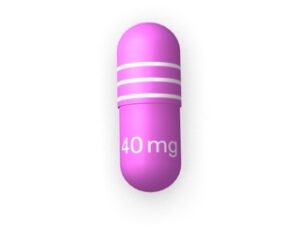
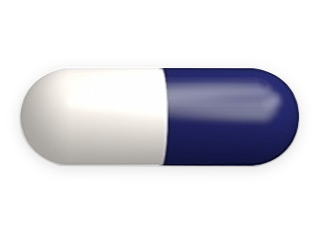
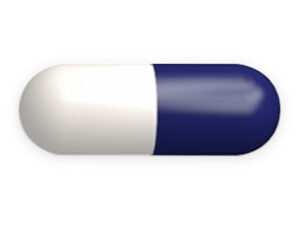
Dexilant is supplied in strengths that may include 30 mg and 60 mg dexlansoprazole capsules (availability can vary). Dexilant is designed to release medicine in two phases to help control acid over a longer period.
What it is: A capsule containing dexlansoprazole in a dual delayed-release form.
Who it is for: Adults and, in some situations, adolescents/children according to local prescribing information and clinical judgement (age limits depend on indication and product licence).
Where you may see it used in the UK: For treatment of symptomatic reflux and healing/maintenance of erosive reflux oesophagitis.
How Dexilant works (mechanism of action)
Dexlansoprazole belongs to a class of medicines called proton pump inhibitors. PPIs reduce acid production by blocking the “proton pumps” (the H+/K+-ATPase) in the stomach lining.
When acid is reduced:
- Heartburn and acid reflux symptoms may improve
- Inflammation in the oesophagus can heal in conditions such as erosive oesophagitis
- Symptoms related to GORD are typically controlled more effectively
Unlike some older acid reducers, Dexilant’s dual delayed-release approach helps extend drug exposure and may improve symptom control at different times of day and night.
Pharmacokinetics (how the body handles it)
Pharmacokinetics describes absorption, distribution, metabolism, and elimination. Key points for dexlansoprazole:
- Absorption: Dexilant is absorbed after a delay due to its dual delayed-release technology, with drug release occurring in two phases.
- Time to effect: Acid control begins after administration, with symptom relief often developing over the first days of treatment.
- Metabolism: It is metabolised primarily by liver enzymes (notably CYP pathways), so interactions with certain medicines are possible.
- Elimination: Metabolites are cleared mainly via renal and non-renal routes.
- Duration of action: The dual release pattern supports longer suppression of gastric acid than a single immediate release formulation.
Important: Individual response varies. If symptoms do not improve as expected, your clinician or pharmacist may review dose and timing.
Typical uses and indications in the UK
Dexilant is used for acid-related conditions, including:
- Gastro-oesophageal reflux disease (GORD/GERD) with troublesome heartburn
- Erosive oesophagitis (inflammation and damage to the oesophagus due to reflux), including healing and possibly maintenance depending on the regimen
- Symptom control of acid reflux when symptoms recur
Clinical notes: The exact indication, age group, and dosing regimen depend on the product licence and local guidance. Your pharmacist can help you confirm the reason you are taking it.
Dosing: how to take Dexilant
Always follow the dose recommended for your condition. Below is general guidance on common adult dosing patterns.
Typical adult regimens
| Condition (general) | Common dose pattern | How often |
|---|---|---|
| GORD with symptoms | 30 mg or 60 mg (strength varies by product licence/condition) | Once daily |
| Erosive oesophagitis (healing/maintenance approaches) | Often 60 mg daily for healing; maintenance strategies may differ | Once daily (exact plan varies) |
Missed dose: Take it when you remember unless it is close to your next dose. Do not take a double dose.
Swallowing instructions: Swallow the capsule whole with water. Do not crush or chew unless specifically instructed by the prescribing information.
Timing: when to take Dexilant for best effect
Many PPIs work best when taken before food. Dexilant is different because it has delayed release, but timing still matters.
- General recommendation: Take Dexilant once daily at the same time each day.
- With or without food: Dexilant can be taken with or without food for many patients; however, for best symptom control, taking it before a meal (often before breakfast) may be beneficial.
- If your symptoms are worse at night: Your pharmacist or clinician may advise on the most suitable time of day for your dose.
Practical tip: Choose a time that fits your routine and keep it consistent. Acid control depends on regular use, especially in the first days of treatment.
Food interactions and what to watch
Dexlansoprazole may be less sensitive to meal timing than some other PPIs due to its dual delayed-release system, but certain practical points are still helpful:
- Meals: Taking Dexilant consistently (with or without food, per your usual instructions) supports steady acid control.
- Avoid late heavy meals: Large meals and lying down soon after eating can worsen reflux regardless of PPI use.
- Trigger foods: Some people find reflux is aggravated by spicy foods, fatty meals, chocolate, caffeine, peppermint, alcohol, and acidic foods.
Hydration and comfort: Drinking water with the capsule may reduce throat discomfort and help swallowing.
Alcohol and medicine interactions
Alcohol
Alcohol does not typically have a direct chemical interaction with dexlansoprazole, but it may worsen reflux symptoms and irritate the oesophagus, reducing how well you feel.
- If you choose to drink, consider smaller amounts and avoid drinking close to bedtime.
- If you notice symptoms worsen after alcohol, reducing or avoiding alcohol may help.
Medicine interactions: important examples
Dexlansoprazole can interact with other medicines by affecting stomach acidity and by liver metabolism pathways. Some interactions may require dose adjustment, monitoring, or alternative treatment.
Tell your pharmacist or healthcare professional if you take:
- Medicines with pH-dependent absorption (acid changes may alter absorption). Examples may include some antifungals (e.g., ketoconazole/itraconazole) and certain medicines where absorption depends on stomach acid.
- Clopidogrel: PPIs including dexlansoprazole can affect clopidogrel activation in some patients. The safest choice depends on the clinical situation—seek advice before combining.
- Methotrexate (especially high-dose use): may require monitoring because PPIs can affect methotrexate handling.
- Medicines metabolised by CYP enzymes: interactions may occur depending on the specific medicine.
Herbal and supplement interactions: For example, St John’s Wort may influence metabolism of some medicines. Always check with your pharmacist.
Do not start new medicines (including over-the-counter products) without checking compatibility if you’re taking Dexilant long-term.
Safety profile: side effects and when to seek help
Common side effects
Most people tolerate Dexilant well. Possible side effects include:
- Headache
- Nausea, stomach discomfort
- Diarrhoea or constipation
- Flatulence
Less common but important side effects
Seek medical advice promptly if you experience:
- Severe or persistent diarrhoea (especially watery or bloody stools)
- Signs of allergy such as rash, swelling of the face/lips, or breathing difficulties
- Unexplained bruising or bleeding, or severe fatigue (may be linked to blood changes in rare cases)
Long-term use considerations (important)
PPIs may be associated with risks in some patients when used long-term, such as:
- Lower magnesium levels (hypomagnesaemia) in rare cases
- Vitamin B12 deficiency over long periods
- Increased risk of certain infections (e.g., gastrointestinal infections)
- Possible association with fractures when used at high dose or for extended periods—your clinician may consider bone health if long-term therapy is needed
If you require Dexilant for longer periods, your healthcare professional may periodically review whether you still need it and at what dose.
Seek urgent help
Contact urgent care or seek emergency help if you have:
- Chest pain that could be cardiac in origin (especially if symptoms are new or severe)
- Difficulty swallowing, choking, persistent vomiting, vomiting blood, or black/tarry stools
- Unintentional significant weight loss or anaemia symptoms
Practical use tips (get the most from Dexilant)
- Consistency matters: Take it at the same time each day.
- Use lifestyle changes alongside the medicine: Avoid late meals, elevate the head of your bed if needed, and consider weight management if relevant.
- Give it time: Many people notice improvement within days, but healing—especially of erosive oesophagitis—may take longer.
- Don’t stop suddenly without advice if used for a while: Acid rebound can occur. If you want to stop, discuss a step-down plan.
- Keep an eye on symptoms: If heartburn persists despite correct use, you may need assessment for alternative or additional causes.
When Dexilant may not be the right choice
Dexilant may not be suitable for everyone. Your pharmacist or healthcare professional may consider alternatives if you have:
- Known allergy to dexlansoprazole or related medicines
- Significant liver disease (requires clinical advice)
- Complex medicine regimens with high risk of interactions
Always provide your complete medication list, including non-prescription medicines and supplements.
Alternative options for acid-related symptoms (UK)
Depending on your symptoms and diagnosis, other options may include:
- Other PPIs (e.g., omeprazole, esomeprazole, lansoprazole, pantoprazole, rabeprazole)
- H2-receptor antagonists (e.g., famotidine/ranitidine where available; availability varies)
- Antacids (e.g., alginates, calcium carbonate) for quick, short-term relief
- Reflux lifestyle measures such as meal timing, head-of-bed elevation, and reducing triggers
If Dexilant doesn’t control symptoms well, alternatives may be considered, including switching to another PPI, adjusting timing, or investigating underlying causes.
Market and legal context in the United Kingdom
In the UK, medicines containing dexlansoprazole are regulated by the Medicines and Healthcare products Regulatory Agency (MHRA) and are supplied in line with local licensing and pharmacy policies.
In practice, availability on an online pharmacy website may depend on:
- Whether the product is classified as prescription-only or can be supplied through pharmacy services
- Eligibility requirements (e.g., age, suitability, medical history checks)
- Local clinical governance for safe supply and appropriate use
If you have complex medical conditions or take multiple interacting medicines, a pharmacist may need to review suitability before supply.
Recent guidance and clinical considerations (UK)
Although guidance can evolve, current UK clinical practice commonly emphasises:
- Using the lowest effective dose for the shortest duration needed for the condition
- Reviewing ongoing need for long-term therapy
- Assessing “alarm features” (such as weight loss, vomiting blood, swallowing difficulty, anaemia) promptly
- Correct administration and adherence for optimal benefit
Your healthcare professional may also consider step-down therapy, lifestyle management, and evaluation for H. pylori or other causes where appropriate.
Delivery and availability (online pharmacy)
Availability and delivery options depend on the specific pharmacy and stock levels. When ordering online in the UK:
- Packaging: Medicines are typically supplied in manufacturer packaging with safety information.
- Delivery times: Delivery estimates are usually provided at checkout and can vary by postcode.
- Cold chain: PPIs like Dexilant generally do not require refrigeration.
- Storage: Store capsules at room temperature, away from excessive heat and moisture, and keep out of reach of children.
What to check on arrival: Confirm the product name, strength, expiry date, and dose instructions match your planned use.
How to store Dexilant
- Store at room temperature
- Keep in the original packaging to protect from moisture
- Keep out of reach and sight of children
- Do not use after the expiry date
FAQ — Dexilant (dexlansoprazole)
1) What is Dexilant used for?
Dexilant is used for acid-related conditions such as GORD/GERD and associated inflammation of the oesophagus (erosive oesophagitis). It helps reduce stomach acid to relieve heartburn and reflux symptoms.
2) How long does Dexilant take to work?
Many people begin to feel improvement within the first few days. Healing of erosive oesophagitis may take longer, so it’s important to take it consistently for the full recommended course.
3) Should I take Dexilant before food?
Dexilant is designed for delayed release and can often be taken with or without food. However, many people find it works best when taken at the same time each day, often before a meal. Follow your usual instructions from your pharmacist or healthcare professional.
4) Can I take Dexilant with other medicines?
Dexilant can interact with certain medicines. It’s especially important to check compatibility if you take medicines such as clopidogrel, methotrexate, or medicines where absorption depends on stomach acidity. Ask a pharmacist if you’re unsure.
5) Is it safe to drink alcohol while taking Dexilant?
There is usually no direct interaction, but alcohol can worsen reflux symptoms and irritate the oesophagus. Limiting alcohol and avoiding drinking close to bedtime may help.
6) What side effects might I experience?
Common side effects can include headache, nausea, diarrhoea/constipation, and stomach discomfort. Seek medical advice urgently for allergy symptoms, severe or persistent diarrhoea, or serious symptoms such as vomiting blood or black stools.
7) Can I stop Dexilant when I feel better?
Do not stop suddenly without advice if you’ve been taking it for a while or if you were advised to take it for a specific duration. Your pharmacist or clinician may suggest a step-down approach to reduce the chance of rebound symptoms.
8) What if I miss a dose?
If you remember soon after, take it. If it is close to your next dose, skip the missed dose. Do not take double the amount.
9) Do I need monitoring for long-term use?
Some people may benefit from periodic review for long-term PPI use, especially if you use it for months or years. Your clinician may assess symptoms, dose appropriateness, and potential deficiencies (like magnesium or vitamin B12) based on your overall health.
10) What are warning signs I should not ignore?
Seek prompt medical advice if you have trouble swallowing, persistent vomiting, vomiting blood, black/tarry stools, unexplained weight loss, or symptoms that do not improve despite correct treatment.
Summary
Dexilant (dexlansoprazole) is a proton pump inhibitor used in the UK to treat acid-related conditions such as GORD and reflux oesophagitis. By reducing stomach acid, it helps relieve symptoms and supports healing. For best results, take it consistently at the recommended dose and consider lifestyle changes that reduce reflux triggers. If symptoms are persistent or you experience concerning side effects, speak to a healthcare professional promptly.