
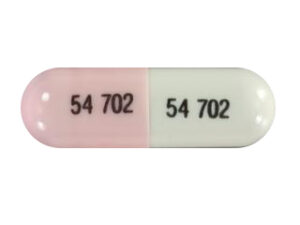
Escitalopram (SSRI) – Patient Information
Escitalopram is a widely used antidepressant medicine in the SSRI (selective serotonin reuptake inhibitor) group. It is commonly prescribed for conditions such as depression and anxiety-related disorders. This guide explains how escitalopram works, how to take it safely, what to expect, and important interaction and safety information for people in the UK.
1) Basic product information
| Item | Details |
|---|---|
| Generic name | Escitalopram |
| Medicine type | SSRI antidepressant |
| Common uses | Depression; generalised anxiety disorder (GAD); panic disorder; social anxiety disorder |
| How it comes | Tablets or oral drops (depending on brand) |
| Typical dosing frequency | Once daily |
| Notable feature | Full benefit may take several weeks |
2) How escitalopram works (mechanism of action)
Escitalopram increases the availability of the brain chemical serotonin by blocking its reuptake. In the simplest terms, serotonin helps regulate mood, anxiety, sleep, appetite, and stress response. By improving serotonin signalling, escitalopram can gradually reduce symptoms of depression and anxiety.
It is important to know that escitalopram’s effect is not immediate. Many people notice some change in side effects within the first days to 1–2 weeks, but mood and anxiety benefits typically take 2–6 weeks (sometimes longer).
3) Pharmacokinetics (how the body handles it)
Pharmacokinetics describes how the medicine is absorbed, distributed, broken down, and eliminated. Key points for escitalopram include:
- Absorption: Escitalopram is absorbed after oral use; it may be taken with or without food.
- Time to peak effect: Levels in the blood generally rise over several hours after dosing.
- Metabolism: The liver breaks down escitalopram mainly through enzymes including CYP2C19 (and others to a lesser extent).
- Elimination: It leaves the body through metabolic breakdown followed by clearance via urine and other routes.
- Half-life (practical meaning): Escitalopram’s dosing schedule can usually remain once daily due to a fairly sustained presence in the bloodstream.
Individual variations in liver enzyme activity, age, other medicines, and medical conditions can affect exposure. This is one reason dosing sometimes differs between people, particularly in older adults or those with liver impairment.
4) Typical uses and indications (what it may be used for)
Escitalopram is used for a range of mental health conditions. Common indications include:
- Depression (major depressive disorder)
- Generalised anxiety disorder (persistent, excessive worry that is difficult to control)
- Panic disorder (recurrent panic attacks)
- Social anxiety disorder (fear of social situations where embarrassment may occur)
5) When to start and timing of doses
Escitalopram is typically taken . Many people choose a consistent time each day to help the habit and reduce missed doses.
Morning or evening?
- Morning: may suit those who feel more energised or find evening dosing affects sleep.
- Evening: may suit those who prefer to take it later, particularly if it causes mild drowsiness in the early days.
If you are unsure, consider how you usually react to medicines (sleepy vs. alert) and follow the advice provided with your specific product. If side effects affect sleep or daytime functioning, speak to a healthcare professional about timing adjustments.
How long before it works?
The calming and mood effects usually build gradually. A typical pattern is:
- First few days: side effects may appear (for some people)
- 1–2 weeks: some symptoms may begin to ease; anxiety may also fluctuate
- 2–6 weeks: clearer improvement in mood and anxiety
- Ongoing: continued treatment may be needed to prevent relapse
6) Dosing information (general guidance)
Doses vary by condition, age, kidney or liver function, and how well a person tolerates treatment. In practice, escitalopram dosing is often started at a lower amount and adjusted gradually if needed.
Common practical approach
- Start low, increase slowly: This can reduce early side effects.
- Once daily: doses are commonly taken at the same time each day.
- Follow a plan: changes should be based on clinical response and tolerability.
Important: Do not change your dose or stop suddenly without medical guidance. If you miss a dose, take it as soon as you remember unless it is close to the next dose; then skip the missed dose. If you are uncertain, check the instructions for your particular product and consult a healthcare professional or pharmacist.
7) Food interactions and what to eat
Escitalopram can generally be taken with or without food. Food is not usually expected to cause clinically important changes in absorption.
However, it is helpful to consider the overall effects of SSRI treatment:
- Nausea: If you experience nausea, taking escitalopram with a meal may help.
- Appetite changes: Some people experience appetite changes early; aim for regular, balanced meals.
- Hydration: Staying well hydrated can help if you feel unwell or have mild gastrointestinal effects.
8) Alcohol and medicine interactions
Alcohol
It is generally advised to avoid or minimise alcohol while taking escitalopram. Alcohol can worsen mood and anxiety, impair sleep, and increase the risk of side effects such as dizziness or feeling “emotionally flat.”
Interactions with medicines (important)
Escitalopram can interact with other medicines, especially those that affect serotonin, heart rhythm, or liver metabolism. Always tell your pharmacist or healthcare professional about everything you take, including over-the-counter products and herbal remedies.
Medicines to be cautious with
- Other serotonergic medicines (may increase risk of serotonin syndrome):
- Other antidepressants (e.g., MAOIs)
- Triptans (migraine medicines)
- Some pain medicines (e.g., tramadol)
- Linezolid and some medicines for infections
- St John’s wort (herbal remedy)
- MAO inhibitors (MAOIs) are generally contraindicated with SSRIs or require strict washout periods.
- Medicines that can affect heart rhythm (QT prolongation) may increase the risk of an abnormal heart rhythm.
- Drugs affecting liver enzymes can alter escitalopram levels (including CYP2C19 inhibitors).
- NSAIDs (e.g., ibuprofen) and medicines affecting blood clotting: increased bleeding risk may occur when combined with SSRIs.
Red-flag symptoms: seek urgent help if
If you experience symptoms that could signal a serious reaction, such as:
- high fever, agitation, confusion
- shaking/tremor, severe sweating, diarrhoea
- muscle stiffness
- fast or irregular heartbeat, fainting
seek urgent medical advice. These may indicate serotonin syndrome or significant cardiovascular effects, particularly with interacting medicines.
9) Safety profile (what to know before and during treatment)
Most people tolerate escitalopram well, but like all medicines it has potential side effects. Many side effects are mild and improve as your body adjusts, usually within the first couple of weeks.
Common side effects
- Nausea
- headache
- sleep disturbance (sleepiness or insomnia)
- increased sweating
- dry mouth
- fatigue
- sexual side effects (e.g., reduced libido or delayed orgasm)
- temporary increase in anxiety early on (for some people)
Less common but important risks
- Suicidal thoughts or worsening depression (especially early in treatment or around dose changes; more relevant for younger people).
- Bleeding risk (particularly if combined with anticoagulants/antiplatelets or NSAIDs).
- Low sodium (hyponatraemia), which may cause headache, confusion, weakness, or seizures in severe cases.
- Mania or hypomania in people with bipolar spectrum disorders.
- Abnormal heart rhythm in those with risk factors or with interacting medicines.
- Serotonin syndrome with certain drug combinations.
Withdrawal symptoms (discontinuation)
Stopping SSRIs suddenly can cause discontinuation symptoms such as dizziness, “electric shock” sensations, agitation, nausea, and sleep disturbance. To reduce this risk, escitalopram is usually tapered gradually under clinical guidance.
10) Practical use tips for day-to-day life
- Take it consistently: once daily at the same time helps maintain steady levels.
- Keep expectations realistic: improvement is usually gradual, not instant.
- Track symptoms: noting changes in mood, anxiety, sleep, and side effects can help clinicians adjust treatment.
- Don’t stop abruptly: if you want to stop or reduce, ask about a taper plan.
- Manage early side effects: nausea can improve with meals; sleep issues may improve with dose timing adjustments.
- Safety with driving: if you feel dizzy, sleepy, or unusually alert, avoid driving or operating machinery until you know how you react.
- Stay alert for warning signs: severe agitation, unusual bleeding, severe headaches with confusion, or symptoms suggesting serotonin syndrome require prompt medical advice.
11) Alternative options (other treatments you may discuss)
If escitalopram is not suitable or does not provide enough relief, there are several possible alternatives. These may include different SSRIs, other antidepressants, and non-medicine treatments.
Medication alternatives
- Other SSRIs: e.g., sertraline, citalopram, fluoxetine, paroxetine (choices depend on the person’s needs and side effect profile).
- SNRIs: e.g., venlafaxine or duloxetine for certain anxiety and depressive conditions.
- Other antidepressants: depending on diagnosis and tolerability.
Non-medicine options
- Cognitive behavioural therapy (CBT) for anxiety and depression
- Mindfulness-based approaches and structured talking therapies
- Lifestyle support: sleep routine, physical activity, and reducing alcohol/cannabis use can improve outcomes
Your best option depends on your diagnosis, history, other medicines, and personal preferences regarding side effects.
12) UK market and legal context (what to expect in the UK)
In the United Kingdom, escitalopram is an established antidepressant medicine. Availability and specific prescribing arrangements vary by product and clinical scenario.
Healthcare decisions in the UK commonly follow guidance from:
- National Institute for Health and Care Excellence (NICE) for depression and anxiety management
- MHRA (Medicines and Healthcare products Regulatory Agency) for safety communications and regulatory updates
- Local NHS pathways for mental health services and medicines optimisation
Recent guidance and safety communications
In recent years, UK clinical and regulatory messaging has emphasised:
- careful monitoring after starting antidepressants and after dose changes
- reviewing benefits and side effects regularly
- safe management of discontinuation symptoms (tapering)
- attention to interaction risks and electrolyte disturbances
- structured follow-up for people at higher risk of clinical deterioration
Guidance can evolve, so it is sensible to follow advice from your healthcare team and read the leaflet supplied with your specific product.
13) Delivery, availability, and what to check when ordering
Escitalopram may be available through online pharmacies depending on the supply route and service model. Availability can vary by:
- product strength and formulation (e.g., tablets vs. drops)
- stock levels and manufacturing schedules
- delivery area and service type
When placing an order, double-check:
- the strength matches your current regimen
- the dose form (tablets or oral drops) is correct
- the expiry date and batch details on the packaging
- that you receive the correct patient information leaflet
If you are switching brands, it can still be the same active substance, but the appearance, excipients, or dosing instructions may differ. Always follow the leaflet and pharmacy instructions included with your order.
14) FAQ
How quickly will I feel better?
Many people notice some change in the first 1–2 weeks, but meaningful improvement in mood and anxiety often takes 2–6 weeks. Some people need longer for full benefit.
Can I take escitalopram with food?
Yes. Escitalopram is usually taken with or without food. If you get nausea, taking it with a meal can help.
Will it make me sleepy?
It can cause tiredness in some people and insomnia in others. If sleep is affected, you may prefer to adjust timing (morning vs evening) after discussing with a pharmacist or clinician.
What should I do if I miss a dose?
Take it as soon as you remember unless it is close to the next dose. If it’s near the next dose, skip the missed one. Do not double up. If you are unsure, ask a pharmacist.
Is it safe to drink alcohol?
It’s generally best to avoid or minimise alcohol while taking escitalopram, because alcohol can worsen mood/anxiety and increase side effects such as dizziness and impaired sleep.
What medicines should I avoid?
Be cautious with medicines that affect serotonin, heart rhythm, or liver metabolism. Examples include MAOIs, other serotonergic drugs, St John’s wort, and certain migraine/pain medicines. Always check your full list of medicines with your pharmacist.
Can I stop escitalopram suddenly?
It is usually not recommended to stop abruptly. Stopping suddenly may lead to discontinuation symptoms. If you want to stop, ask about a gradual taper plan.
Does escitalopram affect sex drive or fertility?
Sexual side effects can occur with SSRIs, such as reduced libido or delayed orgasm. These can sometimes improve over time or with adjustments; discuss options with your healthcare professional.
Who should take extra care?
Extra caution may be needed for older adults, people with liver impairment, those with heart rhythm conditions, people taking medicines that interact with escitalopram, and anyone with a history of bipolar disorder.
When should I seek urgent help?
Seek urgent medical advice if you experience symptoms such as severe agitation, confusion, high fever, muscle stiffness, fainting, significant irregular heartbeat, or signs of severe allergic reaction.
15) Key takeaways
- Escitalopram is an SSRI used for depression and various anxiety disorders.
- Benefits develop gradually; it may take 2–6 weeks to feel the full effect.
- Take it once daily consistently; with or without food.
- Minimise alcohol and be cautious with other medicines due to interaction risks.
- Do not stop suddenly—tapering helps reduce discontinuation symptoms.
Note: This information is designed to help you understand escitalopram better. If you have specific concerns about side effects, interactions, or the best way to start or stop treatment, speak to a qualified healthcare professional or pharmacist.