
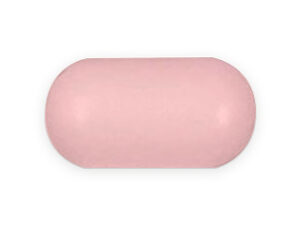
Floxin (Ofloxacin) — Patient Guide (UK)
Floxin is a brand of ofloxacin, an antibiotic medicine used to treat certain bacterial infections. This guide explains how Floxin works, how it is used in the United Kingdom, important safety information, and practical tips to help you get the best results.
Important: This information is for general guidance. Your clinician/pharmacist will advise you on the right treatment for your specific infection and your personal medical history.
Quick facts
- Medicinal ingredient: Ofloxacin
- Medicine class: Fluoroquinolone antibiotic
- Used for: Selected bacterial infections (based on local guidance and susceptibility)
- Common forms: Usually tablets/capsules (availability can vary by supplier and strength)
- Key risks to know: Tendon problems, effects on the nervous system, and certain heart rhythm risks in susceptible people
Basic product information
Floxin (ofloxacin) is an antibiotic that targets bacteria. It does not treat viral illnesses such as colds or flu. It is most effective when the infection is caused by bacteria that are susceptible to ofloxacin.
What infections is it used for?
Ofloxacin may be used for certain infections, depending on local treatment recommendations, culture results (if available), and your clinical condition. It is often used when other suitable options are not appropriate or when the bacteria are known or likely to be sensitive.
In the UK, antibiotics are selected carefully to support antimicrobial stewardship and reduce the development of resistance. Your prescriber will consider factors such as severity, site of infection, kidney function, and past antibiotic use.
How Floxin works (mechanism of action)
Ofloxacin belongs to the fluoroquinolone family. It works by interfering with bacterial DNA replication and repair.
- Ofloxacin inhibits key bacterial enzymes involved in DNA processes, including DNA gyrase and topoisomerase IV.
- This prevents bacteria from multiplying effectively, allowing the immune system to clear the infection.
Like other antibiotics, effectiveness depends on the bacteria being susceptible and on taking the medicine for the correct duration.
Pharmacokinetics (how the body handles ofloxacin)
Pharmacokinetics describes how a medicine is absorbed, distributed, metabolised, and eliminated.
- Absorption: Ofloxacin is absorbed from the gut after oral administration. Food can affect absorption depending on what is eaten (see “Food interactions” below).
- Distribution: It distributes into body tissues and fluids, which helps it reach many sites of infection.
- Metabolism: A portion of ofloxacin may be metabolised, though it is largely excreted in unchanged form.
- Elimination: Mainly through the kidneys. If you have kidney impairment, dosage adjustments may be required.
The medicine’s effects are linked to maintaining adequate drug levels during the course of treatment.
Typical use and when it’s taken
The exact dose and schedule depend on the infection being treated, your age, kidney function, and other risk factors.
Timing
- Follow a consistent schedule: Many regimens are taken once or twice daily.
- Try to keep even gaps: If taken twice daily, aim for roughly 12 hours between doses.
- Complete the course: Even if you feel better, finishing the prescribed duration helps prevent relapse and resistance.
If you miss a dose, take it when you remember unless it’s close to your next dose. Avoid doubling up.
Food interactions and what to watch for
Food generally does not completely prevent ofloxacin from working, but certain foods and supplements can change absorption.
General guidance
- Take with water: Swallow tablets with a full glass of water.
- Dairy/calcium and minerals: Products containing calcium, magnesium, or iron can reduce absorption when taken at the same time.
- Antacids: Antacid medicines containing aluminium or magnesium may interfere.
Practical spacing tips
To reduce the risk of interaction, many regimens advise separating ofloxacin from mineral-containing products by a few hours (exact spacing can vary by product). Check the advice on your specific package or the instructions provided by your pharmacist.
Alcohol and medicine interactions
Alcohol
Alcohol is not always strictly contraindicated with antibiotics, but it can increase side effects such as dizziness and nausea, and can make it harder to recover.
Safer approach: Consider avoiding alcohol while you’re taking Floxin, especially if you feel unwell or have stomach upset.
Important medicine interactions
Ofloxacin can interact with a range of medicines. Tell your pharmacist or clinician about all medicines you use, including over-the-counter products and herbal supplements.
- Medicines that affect heart rhythm (QT prolongation): Ofloxacin may increase the risk of rhythm disturbances in susceptible individuals, particularly when combined with other QT-prolonging medicines.
- Anticoagulants (e.g., warfarin): Antibiotics can affect bleeding risk. Monitoring may be needed.
- Anti-diabetic medicines: Rarely, fluoroquinolones can affect blood sugar (causing hypo- or hyperglycaemia), especially in people using insulin or sulfonylureas.
- Theophylline: Levels can be affected, potentially increasing side effects.
- Non-steroidal anti-inflammatory drugs (NSAIDs): Combined use may increase risk of central nervous system effects in some people.
- Multivitamins/mineral supplements: Iron, zinc, magnesium, and calcium can reduce absorption if taken too close together.
- Corticosteroids (e.g., prednisolone): The combination may increase risk of tendon injury.
If you’re unsure whether your medicines interact with ofloxacin, ask a pharmacist. This is especially important if you take medicines for heart rhythm, diabetes, or blood thinning.
Indications (what it treats)
Ofloxacin may be used for infections caused by bacteria sensitive to the medicine. In practice, its use may include certain infections of the:
- Urinary tract (depending on local recommendations and susceptibility)
- Respiratory tract in selected cases
- Skin and soft tissue infections in appropriate situations
- Other specific bacterial infections as determined by clinical assessment
Because antibiotic resistance is a serious issue, your clinician may use test results (such as urine cultures or swabs) where possible, and select the narrowest effective antibiotic.
Dosing information (general guidance)
Dosing varies by infection type, severity, and kidney function. Always use the dose written for you on your medicine label and follow your healthcare professional’s instructions.
Common dosing patterns
Many adult regimens involve once or twice daily dosing. The total duration may be several days to longer, depending on the infection and your response.
Kidney function
Because ofloxacin is cleared largely by the kidneys, people with impaired renal function may require a different dose or schedule. If you have known kidney disease, kidney impairment, or are elderly, your clinician may adjust your dose.
Children and special populations
Fluoroquinolones are generally used more cautiously in children and specific populations. Your clinician will assess the benefits versus risks carefully.
Safety profile (important warnings)
Like all antibiotics, Floxin has potential side effects. Most people tolerate it well, but some reactions can be serious. Be alert for symptoms that require prompt medical advice.
Seek urgent medical help if you experience
- Tendon pain, swelling, or injury symptoms (especially Achilles tendon) — stop the medicine and seek medical advice promptly if you suspect tendon problems.
- Symptoms of nerve problems such as burning pain, tingling, numbness, or weakness.
- Severe allergic reactions including facial swelling, trouble breathing, or widespread rash.
- Severe or persistent diarrhoea, particularly if watery or bloody, or with fever (possible antibiotic-associated colitis).
- Confusion, agitation, hallucinations, or seizures.
- Unusual heart symptoms such as fainting, marked dizziness, or palpitations if you are at risk of heart rhythm problems.
- Unusual bruising or bleeding if you take anticoagulants.
Common side effects
- Nausea, diarrhoea, stomach discomfort
- Headache, dizziness
- Difficulty sleeping
- Vaginal discomfort or discharge (in some people, due to yeast overgrowth)
Less common but important reactions
- Photosensitivity (increased sensitivity to sunlight)
- Changes in liver enzymes or liver-related symptoms (rare)
- Blood sugar changes (particularly if diabetic and using glucose-lowering medicines)
Risk factors you should disclose
Tell your clinician/pharmacist if you have any of the following:
- History of tendon injury or tendon disorders
- Diabetes or episodes of blood sugar imbalance
- Heart rhythm issues, low potassium/magnesium, or use of QT-prolonging medicines
- Previous severe adverse reactions to fluoroquinolones
- Neurological conditions or history of seizures
- Kidney disease
Practical use tips to get the best results
- Take it at the right times: Keep regular dosing intervals.
- Hydrate: Drink adequate water unless you’ve been told to restrict fluids.
- Avoid intense exercise if you notice tendon discomfort: Rest the area and seek medical advice.
- Sun protection: If you experience photosensitivity, use clothing that covers skin and consider sunscreen.
- Watch for improvement: Many infections start improving within 48–72 hours. If you are not improving, contact your clinician.
- Don’t save leftover antibiotics: Different infections can require different treatments.
- Complete your course: Stopping early can allow bacteria to regrow.
What if you feel worse?
If you have worsening symptoms, new fever, severe pain, breathing difficulties, signs of allergic reaction, or severe diarrhoea, stop and seek medical advice promptly.
If you develop mild side effects, consult your pharmacist about whether it’s expected and how to manage it. Never restart or extend antibiotic treatment without medical advice.
Alternative options
The “best” alternative depends on the infection site, likely bacteria, local resistance patterns, your allergies, and your medical history.
Common alternative antibiotic classes (examples)
- Nitrofurantoin (often used for certain uncomplicated urinary infections)
- Trimethoprim or co-trimoxazole (where appropriate)
- Amoxicillin or co-amoxiclav (depending on infection and local guidance)
- Cephalosporins (selected cases)
- Macrolides (e.g., for certain respiratory infections when sensitive)
- Other fluoroquinolones are sometimes considered, but safety considerations apply across the class
Some infections may also require non-antibiotic management (e.g., supportive care) or further testing to identify the organism.
UK market and legal context (high-level)
In the United Kingdom, antibiotics are controlled medicines. The availability of Floxin/ofloxacin depends on the specific product formulation and regulatory status. Medicines supplied through online pharmacies must meet UK legal requirements, including proper supply chain controls and appropriate patient information.
Antimicrobial stewardship is a key priority in the UK. National guidance supports:
- Using antibiotics only when they are likely to help
- Choosing the narrowest effective option
- Reviewing treatment if there is no clinical improvement
- Reducing antibiotic resistance in the community
Recent guidance and stewardship themes
UK antibiotic guidance has emphasised cautious use of fluoroquinolones due to side effect risks and resistance concerns. This can mean ofloxacin is used only when appropriate and when benefits outweigh risks.
You may notice guidance highlighting:
- Targeted antibiotic selection based on local data and susceptibility testing
- Consideration of alternative options with lower risk in suitable patients
- Clear instructions on when to seek urgent help for known serious side effects
If you have been given Floxin/ofloxacin, it’s typically because your clinician believes it’s suitable for your specific situation.
Delivery and availability (UK online pharmacy)
Availability can vary by strength and formulation. Reputable online pharmacies in the UK typically provide:
- Clear product details (strength, form, and quantity)
- Estimated delivery times based on stock and courier service
- Temperature and handling guidance where relevant
- Tracking information for dispatched orders
If an item is temporarily out of stock, the pharmacy may offer alternatives or a restock notification, depending on their operating model.
How to store Floxin
- Store at room temperature unless the label states otherwise.
- Keep in the original packaging to protect from light and moisture.
- Keep out of reach of children.
- Check the expiry date on the pack and do not use after expiry.
Product comparison table (overview)
| Feature | Floxin (Ofloxacin) | What it means for you |
|---|---|---|
| Antibiotic class | Fluoroquinolone | Effective against susceptible bacteria; important safety warnings apply to this class. |
| Main action | Inhibits bacterial DNA enzymes | Stops bacteria multiplying so your immune system can clear the infection. |
| Route | Oral (tablets/capsules) | Swallow with water; keep regular dosing. |
| Kidney clearance | Primarily via kidneys | Kidney impairment may require dose adjustment. |
| Key food interaction | Minerals (calcium/iron/magnesium) may reduce absorption | Separate doses from mineral supplements/antacids when advised. |
| Key safety focus | Tendon/nerve effects, allergy, severe diarrhoea | Stop and seek help if severe symptoms occur. |
FAQ — Frequently asked questions
1) What is Floxin (ofloxacin) used for?
Floxin is an antibiotic used for selected bacterial infections. The exact indication depends on your diagnosis and local treatment guidance, and it works only against bacteria that are susceptible to it.
2) How quickly should I feel better?
Many people notice some improvement within 48–72 hours. If symptoms are worsening or not improving after this time (or you develop severe symptoms), contact a clinician promptly.
3) Can I take Floxin with food?
Food is not always a problem, but certain products containing minerals (such as iron, magnesium, calcium) can reduce absorption if taken close together. Follow the advice provided for your medicine and separate mineral-containing products if recommended.
4) Is it safe to drink alcohol while taking Floxin?
It’s generally safer to limit or avoid alcohol while you’re taking antibiotics, as alcohol can worsen nausea, dizziness, and recovery. Ask your pharmacist if you have liver disease or other risk factors.
5) What medicines commonly interact with ofloxacin?
Interaction risk can include certain heart rhythm medicines (QT-prolonging), blood thinners (e.g., warfarin), diabetes medicines, theophylline, antacids/minerals, and corticosteroids. Always review your full medicine list with a pharmacist.
6) What should I do if I miss a dose?
Take it as soon as you remember unless it’s near your next dose. Do not take a double dose to make up for a missed tablet.
7) Are there any serious side effects I should watch for?
Yes. Seek urgent medical advice if you develop tendon pain/swelling, signs of allergy, severe or persistent diarrhoea, severe nervous system symptoms, seizures, or fainting/palpitations—especially if you have risk factors.
8) Can Floxin cause diarrhoea?
Yes. Mild diarrhoea can occur, but severe watery or bloody diarrhoea or diarrhoea that doesn’t settle requires urgent medical advice, as it can be a serious complication.
9) Who should be extra cautious?
People with kidney problems, a history of tendon disorders, diabetes, heart rhythm issues, seizure history, or those taking interacting medicines should receive extra careful guidance from their clinician/pharmacist.
10) What are common tips for taking Floxin successfully?
- Take at the correct times and finish the course.
- Use water to swallow tablets.
- Avoid taking mineral supplements/antacids at the same time as advised.
- Stop and seek help if you develop severe symptoms (tendon, allergy, nerve symptoms, severe diarrhoea).
Summary
Floxin (ofloxacin) is a fluoroquinolone antibiotic used for certain bacterial infections. It works by stopping bacterial DNA replication and is eliminated primarily through the kidneys. The most important safety considerations include tendon and nerve-related effects, allergic reactions, and severe diarrhoea. Taking the medicine at the right times, completing the course, and avoiding common absorption-interacting minerals can help it work effectively.
If you have questions about how Floxin fits your situation, your pharmacist can help you review interactions, dosing schedule, and what to expect during treatment.