
Isordil (Isosorbide dinitrate) – Patient Guide (UK)
Isordil is a medicine used to help prevent and treat chest pain (angina) caused by reduced blood flow to the heart. It belongs to a group of medicines known as nitrates. This patient-friendly guide explains what Isordil is used for, how it works, how it is taken, important safety information, and practical tips for getting the best results.
Information in this guide is intended to support discussion with your healthcare professional. Always follow the instructions provided with your medicine and the advice you receive from your own clinician.
Quick Facts
- Active ingredient: Isosorbide dinitrate
- What it’s for: Angina (chest pain) and prevention of angina attacks
- How it works: Widens (dilates) blood vessels to improve blood flow and reduce the heart’s workload
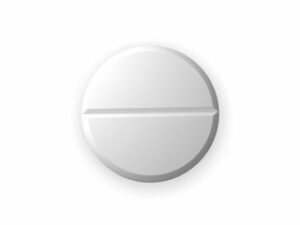
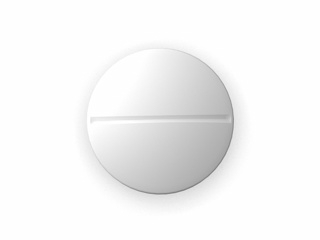
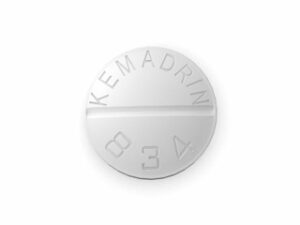
- Common form: Tablets (strengths vary)
- Key safety warning: Do not use with medicines containing tadalafil, sildenafil, vardenafil or riociguat
- Common side effects: Headache, dizziness, flushing, low blood pressure
Basic Product Information
| Category | Details |
|---|---|
| Medicine name | Isordil |
| Active ingredient | Isosorbide dinitrate |
| Drug group | Nitrate vasodilator |
| Typical use | Prevention and relief of angina symptoms (depending on regimen) |
| Availability | Available through UK pharmacies and other healthcare channels |
| Prescription status | In the UK, this medicine is generally managed as a prescription-only item (classification can vary by product/form) |
How Isordil Works (Mechanism of Action)
Isosorbide dinitrate is a nitrate that relaxes blood vessels. Inside the body, nitrates release nitric oxide-like activity, which increases cGMP (a chemical messenger) in vessel walls. This leads to:
- Venodilation (widening of veins): reduces “preload” on the heart
- Arteriodilation (widening of arteries): reduces “afterload” on the heart
- Improved oxygen supply and reduced oxygen demand of the heart
Together, these effects help reduce chest pain episodes in angina and improve symptoms.
Pharmacokinetics (How the Body Handles It)
Pharmacokinetics describes what the body does to the medicine—how it is absorbed, distributed, metabolised and eliminated.
- Absorption: Isosorbide dinitrate is absorbed from the gastrointestinal tract after taking by mouth.
- Distribution: It reaches systemic circulation and acts on blood vessels throughout the body.
- Metabolism: It is metabolised mainly in the liver to active and inactive metabolites.
- Elimination: Metabolites are cleared from the body, predominantly via the kidneys.
- Duration of action: The effect can last several hours, but individual response varies.
Because available Isordil strengths and dosing regimens differ, follow the exact schedule on your label.
What Isordil Is Used For (Indications)
In the UK, Isordil (isosorbide dinitrate) is used for conditions related to reduced blood flow to the heart, most commonly:
- Angina pectoris (chest pain), including prevention of angina episodes
- Other specific nitrate-responsive cardiac conditions where a clinician has judged nitrates beneficial
Your healthcare professional may choose Isordil when the goal is to reduce how often angina occurs, ease symptoms, or support a wider heart medication plan.
When and How to Take Isordil (Timing & Typical Use)
The timing of Isordil matters, both for symptom control and for reducing tolerance (see below). Always use the dosing instructions provided with your product.
Typical dosing schedule (general guidance)
- Many nitrate regimens are taken more than once a day.
- Your clinician may advise dose timing to provide nitrate-free intervals to help reduce tolerance.
How to take tablets
- Swallow tablets with water.
- Try to take doses at consistent times each day.
- If you miss a dose, do not double up unless your clinician or the label advises you to.
Onset and “when to expect help”
Nitrates can start working within a short period for many people, though exact timing depends on the formulation and your body’s response. If you are using Isordil to prevent attacks, take it according to schedule rather than only when symptoms appear.
Food Interactions
In general, food does not usually prevent Isordil from working. However, taking it at the same time each day can help maintain steady effect.
- Take with or without food: Many patients can take Isordil either with or after food if it suits them.
- Consistency helps: Try to keep your routine stable (e.g., always after meals) unless your healthcare professional advises otherwise.
If you experience stomach upset, nausea, or dizziness, consider taking the medicine with food (if appropriate for your dose instructions) and discuss with a clinician.
Alcohol and Medicine Interactions
Alcohol
Alcohol can worsen side effects such as dizziness and low blood pressure by itself and may amplify the blood-vessel relaxing effects of nitrates.
- Advice: Limit alcohol and avoid heavy drinking.
- Be cautious: If you feel light-headed after alcohol, do not drive and speak to your clinician.
Medicines that can interact strongly (important)
Seek urgent medical advice if you are unsure about any of the interacting medicines listed below.
- Phosphodiesterase-5 (PDE5) inhibitors used for erectile dysfunction:
- sildenafil (e.g., Viagra)
- tadalafil (e.g., Cialis)
- vardenafil (e.g., Levitra)
Combining nitrates with PDE5 inhibitors can cause a dangerous drop in blood pressure.
- Riociguat (for certain conditions affecting blood pressure in the lungs):
The combination is generally contraindicated because it can cause profound hypotension.
- Other blood pressure–lowering medicines (antihypertensives) and vasodilators:
May increase the risk of dizziness, fainting, or low blood pressure.
- Some medicines for depression or neurological conditions that affect blood pressure:
May contribute to dizziness in combination with nitrates.
Other interactions
- Do not start or stop medicines without checking with your pharmacist or clinician.
- If you take multiple heart medicines (beta-blockers, calcium channel blockers, antiplatelets, statins), your regimen may be adjusted to reduce interactions and optimise overall control.
Safety Profile: What to Watch For
Like all medicines, Isordil can cause side effects. Many are mild and improve as your body adjusts, but some effects may be serious.
Common side effects
- Headache (very common with nitrates)
- Dizziness or light-headedness
- Flushing (warmth or redness)
- Low blood pressure (hypotension)
- Feeling weak or tired
Less common but important effects
- Fainting (syncope), especially when standing up quickly
- Palpitations (awareness of heartbeat)
- Worsening angina in rare cases, for example if blood pressure drops too much
Rare but serious warning signs
Get urgent help (call emergency services or seek immediate medical attention) if you experience:
- Severe dizziness or fainting
- Chest pain that is new, severe, or not responding to your usual treatment plan
- Signs of an allergic reaction such as swelling of the face/lips, rash, or difficulty breathing
Tolerance and “nitrate-free” intervals
With regular nitrate use, some people develop tolerance, where the medicine becomes less effective. To help prevent this, many treatment plans include a nitrate-free period each day.
- Do not increase the dose to “make up” for reduced effect.
- If your angina becomes more frequent, contact your clinician rather than changing your schedule.
Practical Use Tips (How to Get the Best Results)
- Stand up slowly: If you feel dizzy, rise gradually from sitting or lying positions.
- Know your triggers: Angina can be triggered by exertion, stress, cold weather, smoking, or heavy meals. Seek medical advice on prevention strategies.
- Carry your plan: Keep information about your angina action plan (what to do during symptoms) and your usual medications.
- Use regularly if prescribed for prevention: For prevention, nitrates work best when taken on schedule.
- Watch for headaches: Headaches are common at the start. If they persist or are severe, speak to your pharmacist or clinician.
- Report low blood pressure symptoms: If you frequently feel faint or light-headed, you may need a review of your dose or combination medicines.
Dosing: General Guidance and What Affects It
Dosing of Isordil depends on your condition, age, other medicines, blood pressure, and individual response. Your healthcare professional will determine the most appropriate dose and schedule.
How dosing is typically structured
- Start low and adjust: In many regimens, the aim is to find a balance between symptom control and side effects.
- Division across the day: Doses may be split to maintain effect while reducing tolerance.
- Nitrate-free time: Some plans include a time gap without nitrates each day.
Important dosing do’s and don’ts
- Do take your dose exactly as directed on the packaging.
- Don’t change the dose or timing without advice.
- Don’t take extra doses to “catch up” if you miss one.
- Tell your clinician if you experience dizziness or fainting.
Special Considerations (People at Higher Risk)
- Low blood pressure (hypotension): Nitrates can lower blood pressure further. Extra caution is needed if you already have low readings.
- Heart rate or blood flow issues: If you have certain cardiac conditions, your team may adjust dosing carefully.
- Severe anaemia: Symptoms may worsen due to reduced oxygen delivery.
- Older adults: Side effects like dizziness and falls risk may be more significant.
- Liver or kidney impairment: Clinicians may choose dosing carefully based on your overall health.
If any of the above applies to you, discuss it with your clinician or pharmacist.
Alternative Options
If Isordil is not suitable due to side effects, interactions, or insufficient control, clinicians may consider other treatments for angina. Alternatives may include:
- Other nitrates (different formulations or dosing schedules, such as longer-acting preparations)
- Beta-blockers to reduce heart workload and oxygen demand
- Calcium channel blockers to relax blood vessels and improve blood flow
- Short-acting nitrate sprays or tablets used for relief of acute attacks (depending on your plan)
- Antiplatelet therapy and statins as part of broader cardiovascular risk management (not nitrates, but commonly used in angina care)
The best option depends on your diagnosis, severity, triggers, and other medications. Your healthcare professional can help you choose the safest and most effective approach.
Market & Legal Context (United Kingdom)
In the UK, medicines are regulated and dispensed according to their classification and licensing. Isordil contains an established active substance used for angina for many years.
- Regulation: Licensed medicines in the UK are authorised and monitored to ensure quality, safety, and performance.
- Supply: Pharmacies typically require appropriate patient details and confirmation of suitability for safe use.
- Safety monitoring: If you experience side effects or have concerns, reporting to a healthcare professional supports safe ongoing supply.
Availability and pack sizes may vary between pharmacies and suppliers. If you need a specific strength or form, ask your pharmacy about stock and alternatives.
Recent Guidance and Ongoing Safety Notes (UK context)
While recommendations can evolve, there are consistent themes in UK cardiovascular safety:
- Avoid dangerous interactions—especially nitrates with PDE5 inhibitors and with riociguat.
- Use structured plans for angina—including both prevention and “what to do during symptoms” guidance.
- Review side effects promptly—particularly dizziness, fainting, or worsening chest pain.
For the most up-to-date advice tailored to your health, consult your clinician or pharmacist and refer to current NHS and guideline-based recommendations.
Delivery and Availability
Many online pharmacies in the UK offer delivery for medicines to eligible addresses. Availability depends on local supply and the specific pack/strength you order.
- Check stock: Some products may be delivered from a partner pharmacy or central warehouse.
- Delivery times: These vary by service and distance—allow extra time during busy periods.
- Packaging: Medicines should arrive in secure, labelled packaging.
- Storage at home: Store according to the instructions on the pack (commonly at room temperature away from moisture and heat).
If you require urgent access, contact the pharmacy promptly to discuss expected delivery dates.
FAQ: Frequently Asked Questions
1) What is Isordil used for?
Isordil (isosorbide dinitrate) is used to help prevent and relieve symptoms of angina (chest pain) by improving blood flow and reducing strain on the heart.
2) How quickly does it work?
Some people feel effects within a short time, but the exact onset and duration can vary. If your medicine is prescribed for prevention, it should be taken according to the schedule rather than only when symptoms start.
3) Can I take Isordil with food?
In many cases, it can be taken with or without food. If your stomach feels unsettled, taking it with food may help—follow your label instructions.
4) What should I avoid taking with Isordil?
Do not combine Isordil with PDE5 inhibitors (for example sildenafil, tadalafil, vardenafil) or riociguat. Discuss any other medicines you take with your pharmacist to avoid low blood pressure and other risks.
5) Can I drink alcohol while taking Isordil?
Alcohol may increase dizziness and lower blood pressure. It’s best to keep alcohol to a minimum and avoid heavy drinking. Seek advice if you feel faint.
6) Why do nitrates cause headaches?
Headaches are common with nitrates due to blood vessel changes in the body. If headaches are severe or persistent, speak to your clinician—adjustments may be possible.
7) What if I feel dizzy after taking Isordil?
Sit or lie down and stand up slowly. If dizziness is frequent, worsening, or you faint, contact your healthcare professional promptly. You may need review of your dose and other medicines.
8) Is Isordil safe to stop suddenly?
Do not stop your medicine without advice. Stopping may worsen angina control. If you have side effects or concerns, contact your clinician or pharmacist for an appropriate plan.
9) Can Isordil be used alongside other heart medicines?
Often yes. Many people take a combination of heart medicines. However, some combinations can increase the risk of low blood pressure or other problems, so it’s important to check all medicines with your pharmacist.
10) What should I do if I miss a dose?
Take the missed dose when you remember unless it’s close to the next scheduled dose. Do not take two doses together unless your label or clinician instructs you to.
Contact a Healthcare Professional
If you have questions about Isordil, are experiencing side effects, or your angina symptoms are not controlled, speak to your pharmacist or clinician. For severe symptoms such as fainting or severe chest pain, seek urgent medical attention immediately.