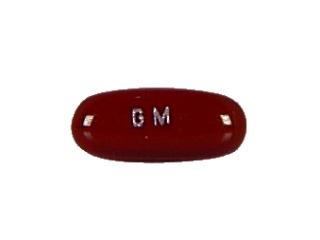


Lamprene (Clofazimine) – Patient Information (UK)
Lamprene contains clofazimine, an antibiotic/anti-inflammatory medicine used mainly for certain long-term infections. This guide is written to be patient-friendly and is suitable for online pharmacy information for the United Kingdom.
Important: Always follow the advice of your healthcare professional for your individual condition, monitoring schedule, and duration of treatment.
1. Basic product information
| Item | Details |
|---|---|
| Medicine name | Lamprene |
| Active ingredient | Clofazimine |
| Medicinal type | Antimycobacterial (also has anti-inflammatory properties) |
| Common use | Leprosy (Hansen’s disease); selected cases of certain skin reactions |
| Typical route | Oral (by mouth) |
| Key practical feature | Long-term therapy; may cause skin/discolouration changes |
2. What Lamprene does (mechanism of action)
Clofazimine is active against mycobacteria—including Mycobacterium leprae (the bacterium that causes leprosy). Its exact mechanism can involve several pathways, including:
- Disruption of bacterial energy processes by interfering with how the organism handles essential biochemical pathways.
- Effects on bacterial cell structure, reducing viability.
- Anti-inflammatory effects, which can help manage tissue inflammation and related symptoms.
Because leprosy is slow-growing, treatment often needs to be continued for a prolonged period to control the infection and reduce relapse risk.
3. Pharmacokinetics (how the body handles clofazimine)
Understanding pharmacokinetics helps explain why Lamprene is usually taken over long periods and why some side effects can build up over time.
- Absorption: Clofazimine is absorbed from the gut, but absorption can be variable.
- Distribution: It tends to accumulate in body tissues, including skin and fat.
- Metabolism: Clofazimine is metabolised in the body (with the precise metabolic pathways varying between individuals).
- Excretion: It has a slow elimination process, which contributes to long-lasting effects after stopping.
- Half-life: The long half-life supports once-daily or regular dosing schedules, but also means side effects may persist.
Clinical implication: If you experience skin discolouration or dryness, these may improve slowly after completing treatment.
4. Typical uses in the UK
Lamprene is used primarily for:
- Leprosy (Hansen’s disease): Often as part of combination regimens for infection control.
- Selected skin or inflammatory manifestations: Clofazimine may be used for specific leprosy-related reactions and skin conditions where it is considered beneficial by clinicians.
In many cases, clofazimine is used alongside other medicines to reduce resistance risk and improve outcomes.
5. Indications (when Lamprene is considered)
Your prescriber may consider Lamprene for:
- Confirmed leprosy as part of an appropriate multi-drug approach.
- Leprosy reactions (including painful/inflammatory skin reactions), depending on disease type and severity.
If you are being treated for leprosy, you may also have follow-up assessments to monitor response and detect side effects early.
6. Dosing and timing
Follow your clinician’s instructions. Dosing can vary based on the condition, treatment stage, and combination regimen.
That said, typical dosing approaches reported in practice include:
- Once daily dosing for long-term management.
- May start at a higher dose in some regimens before moving to a lower maintenance dose (this is condition- and protocol-dependent).
Timing tips:
- Take Lamprene at the same time each day to help maintain consistent levels.
- If you miss a dose, take it as soon as you remember unless it is close to the next dose. Do not take a double dose.
- If you are unsure what to do after missing a dose, contact your pharmacy or clinician for advice.
7. Food interactions and eating guidance
Food can affect tolerance and, in some cases, absorption. In practice:
- Taking Lamprene with food may help reduce stomach discomfort for some people.
- If you experience nausea, taking it with a meal or snack may be beneficial.
Do not change your diet solely because of clofazimine without discussing it with your healthcare team, especially if you have other medical conditions.
8. Alcohol and medicine interactions
Alcohol
There is no universal rule that alcohol is absolutely forbidden with clofazimine. However:
- Alcohol can worsen gastrointestinal side effects (such as nausea or stomach irritation).
- Alcohol can affect liver health—and you should be mindful if you have liver-related conditions or abnormal liver blood tests.
Practical approach: If you choose to drink alcohol, do so in moderation and avoid binge drinking. If you develop new symptoms (e.g., abdominal pain, jaundice, severe vomiting), stop alcohol and seek medical advice promptly.
Medicine interactions (general)
Clofazimine can interact with other medicines indirectly through effects on absorption, metabolism, or shared side-effect risks.
Please inform your clinician and pharmacist about all medicines you use, including:
- Other antibiotics
- Medicines for skin conditions
- Medicines for fungal infections
- Anticonvulsants
- Warfarin or other anticoagulants
- Over-the-counter medicines, herbal products, and supplements
Because interaction risks depend on your exact regimen, your pharmacy team can help check compatibility with your current medicines.
9. Safety profile: common and serious side effects
Like all medicines, Lamprene can cause side effects. Some are well known and manageable; others require prompt medical review.
Common side effects
- Skin discolouration: Clofazimine can cause a reddish-brown or darker pigmentation. This is often dose-related and may persist for some time after stopping.
- Dry skin and itchiness: You may notice dryness or increased sensitivity.
- Gastrointestinal symptoms: Nausea, stomach discomfort, or diarrhoea can occur.
- Fatigue or general unwell feeling in some people.
Less common but important effects
- Inflammation of the gut (rare): symptoms such as persistent abdominal pain, worsening diarrhoea, fever, or blood in stool should be assessed urgently.
- Changes in blood counts (uncommon): monitoring may be recommended in long-term use.
- Eye or visual symptoms (rare): seek medical advice if you develop changes in vision.
When to seek urgent help
Contact a healthcare professional urgently or seek emergency care if you develop:
- Severe or persistent abdominal pain
- Severe diarrhoea, dehydration, or blood in stool
- Signs of an allergic reaction (e.g., swelling of the face/lips, difficulty breathing, widespread rash with hives)
- Yellowing of the eyes/skin (jaundice), very dark urine, or severe fatigue with other concerning symptoms
10. Practical use tips (to help you manage treatment)
- Expect skin changes: Many patients notice discolouration and dryness. Use moisturisers regularly and maintain gentle skin care.
- Sun protection is essential: Clofazimine can make skin more noticeable and sensitive. Use sunscreen (SPF 30 or higher), wear protective clothing, and avoid intense sun.
- Hydration: If you experience diarrhoea or stomach upset, keep hydrated (especially in hot weather).
- Monitor symptoms: Keep track of bowel habits, skin itchiness, and any abdominal discomfort.
- Follow monitoring plans: Your clinician may arrange periodic blood tests and assessments, especially with long-term treatment.
- Adherence matters: Missing doses can reduce effectiveness and may prolong recovery. Use reminders if helpful.
11. How long treatment may take
Leprosy treatment is typically long-term because the bacteria grow slowly. Total duration depends on:
- Type and severity of disease
- Presence of reactions or complications
- Your response to therapy
- Whether your regimen includes other medicines and how those are scheduled
Your clinician will advise when it is appropriate to stop and how follow-up should be arranged.
12. Alternative options
Alternatives depend on the diagnosis (and the leprosy type or reaction being treated) and on what other medicines are already part of your regimen.
For leprosy, healthcare teams commonly use combination therapy to improve outcomes. Other medicines may include:
- Rifampicin
- Dapsone
- Other regimen components selected based on classification and clinical findings
For specific inflammatory skin reactions related to leprosy, management may involve additional medicines chosen by clinicians, which may include anti-inflammatory treatments.
If Lamprene is not suitable due to side effects or other risks, your prescriber can discuss options and adjust the treatment plan. Do not stop or switch therapy without guidance.
13. UK market and legal context (what this means for patients)
In the United Kingdom, medicines such as clofazimine are regulated and supplied through established pharmaceutical channels. Availability can depend on:
- Whether the manufacturer or marketing authorisation holder supplies it
- National prescribing and treatment protocols
- Stock levels and distribution schedules
- Local commissioning arrangements in different regions
Pharmacies may require patient details to ensure safe supply and correct dispensing, particularly for long-term regimens.
14. Recent guidance and monitoring approach
Clinical guidance for leprosy management typically emphasises:
- Multidrug therapy using medicines with proven efficacy
- Patient monitoring for side effects and signs of reaction
- Long-term follow-up to detect relapse or complications early
- Individualised care based on disease classification and patient needs
Guidance may evolve based on new evidence and public health recommendations. Your healthcare team will use the most current approach relevant to UK practice.
15. Delivery and availability (UK)
Online pharmacies in the UK may offer:
- Standard delivery for in-stock items
- Express delivery where available
- Order tracking and delivery updates
Availability note: Supply of less frequently used medicines can vary. If Lamprene is temporarily out of stock, some pharmacies may offer alternatives or arrange restocking timelines. Your pharmacy can advise on expected dispatch times and delivery estimates.
When placing an order, ensure you provide accurate contact details so the pharmacy can reach you if they need to confirm information.
16. Storage and handling
- Store Lamprene according to the instructions on the packaging.
- Keep it out of the sight and reach of children.
- Protect from excessive heat or humidity where advised.
- Do not use after the expiry date printed on the box/blister.
17. FAQ
Is Lamprene the same as clofazimine?
Yes. Lamprene is a brand name that contains the active ingredient clofazimine.
Why does clofazimine cause skin discolouration?
Clofazimine can deposit in body tissues, including skin, leading to a characteristic reddish-brown or darker pigmentation. This is a known effect and may improve gradually after stopping, but it can take time.
How do I manage dry or itchy skin while taking Lamprene?
Use gentle, fragrance-free moisturisers and avoid harsh soaps. Wear protective clothing and use sunscreen. If itchiness becomes severe or you develop a rash beyond expected dryness, contact a clinician promptly.
Can I take Lamprene with meals?
Many people find taking it with food helps reduce stomach upset. If your pharmacist or clinician has given you specific instructions, follow those.
Can I drink alcohol?
Moderate alcohol may be acceptable for some people, but alcohol can worsen gastrointestinal symptoms and may affect liver health. If you want to drink, keep it moderate and avoid if you notice symptoms such as nausea, abdominal pain, or unusual tiredness.
What medicines should I tell my pharmacist about?
Tell your pharmacy about all medicines and supplements you take, including over-the-counter products and herbal remedies. This helps ensure safe use and identifies potential interaction or side-effect overlaps.
What if I miss a dose?
If you miss a dose, take it when you remember unless it’s close to the next dose. Do not take a double dose. If you’re unsure, ask your pharmacy for guidance.
How soon will I feel better?
Improvement may be gradual, especially in long-term infections like leprosy. Symptom relief depends on disease severity and any inflammatory reactions, and your clinician may set expectations based on your case.
Are there any warning signs I should not ignore?
Yes. Seek urgent medical advice for severe or persistent abdominal pain, significant diarrhoea, blood in stool, signs of an allergic reaction, or jaundice (yellow eyes/skin).
Is Lamprene suitable for everyone?
Lamprene may not be suitable for every patient due to medical history, other medicines, or side-effect risk. Your clinician will assess suitability and arrange monitoring where needed.
Disclaimer: This information is provided for general guidance for patients in the United Kingdom. It does not replace advice from your healthcare professional or the instructions supplied with your medicine.