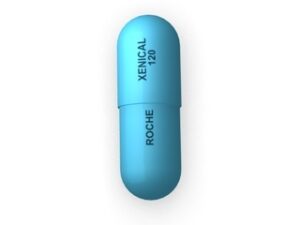
Orlistat (Alli / Xenical and Generic Orlistat) – Patient Guide (UK)
Orlistat is a weight-management medicine used to help people lose weight when combined with a calorie-controlled diet. It works by reducing the absorption of some of the fat you eat. This means that fewer calories from dietary fat are taken into the body.
This guide explains how orlistat works, how to take it safely, what to expect, and what to watch for—tailored for the United Kingdom.
Basic product information
| Topic | Information |
|---|---|
| Active ingredient | Orlistat |
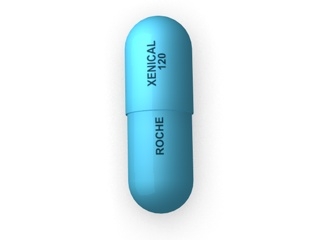
| Common strengths in the UK | Alli (often 60 mg) and Xenical (often 120 mg). Generic equivalents may also be available. |
| How it works | Blocks gastrointestinal fat absorption (lipase inhibition). |
| Main use | Weight loss or weight management as part of a calorie-controlled diet. |
| Typical duration | Used long-term in suitable people, depending on response and clinician advice. |
| How to obtain | Some lower-dose products are available without prescription in the UK; higher-dose products may be prescription-only. |
How orlistat works (mechanism of action)
Orlistat acts in the gastrointestinal tract. It inhibits enzymes called lipases that normally break down dietary fats in the stomach and small intestine.
- Result: Undigested fat is not absorbed and passes through the digestive system.
- Calorie effect: By reducing fat absorption, fewer calories are available for the body, supporting weight loss.
- Key point: Orlistat is most effective when meals contain less fat and calories overall.
What this means practically: Because some fat is not absorbed, you may notice digestive changes—especially if you eat a higher-fat meal.
Pharmacokinetics (how the body handles orlistat)
Orlistat is designed to act mainly in the gut.
- Absorption: Only a small amount of orlistat is absorbed into the bloodstream.
- Distribution: Because absorption is limited, systemic effects are generally minimal.
- Metabolism: Any absorbed fraction is metabolised (processed by the body) and then cleared.
- Elimination: Most of the medicine is excreted via the faeces. A small amount is cleared through the urine.
Clinical implication: If you miss a dose, taking it later with the next meal is usually not recommended—timing with food matters (see dosing and timing below).
Typical uses in the UK
Orlistat is used to support weight loss and weight maintenance in people who are overweight, as part of a structured approach that includes diet and lifestyle changes.
Depending on the product strength, it may be used for:
- Initial weight loss when combined with a reduced-calorie diet.
- Weight maintenance after initial weight loss in appropriate people.
Important: Orlistat is not a substitute for a healthy diet. It works best alongside:
- Reducing total calorie intake
- Choosing lower-fat foods
- Increasing physical activity
- Maintaining long-term dietary habits
Indications (who it is for)
In general, weight-management medicines—including orlistat—are used for people who meet UK guidance criteria based on body weight and risk factors. Your suitability depends on your current weight, health history, and the product strength.
Common eligibility is typically based on a BMI (Body Mass Index) and related health considerations. Always check the product leaflet and consider professional advice if you’re unsure.
Not for everyone: Orlistat may not be appropriate if you have certain digestive disorders, malabsorption conditions, or if the product is not suitable for your age or health situation.
Dosing and timing (how to take orlistat)
Orlistat must be taken with meals because it works on the fat in the food you eat. The general approach is:
- Take with a main meal (breakfast, lunch, or dinner) that contains fat.
- If you miss a meal or the meal has no fat, skip the dose.
- Do not double up to make up for a missed dose.
Common adult dosing patterns (varies by product strength)
- Alli (lower-dose, typically 60 mg): usually taken three times daily with meals containing fat.
- Xenical (higher-dose, typically 120 mg): usually taken three times daily with main meals containing fat.
How to take:
- Take during or immediately after the meal (follow the specific product instructions).
How long to use: If you are not losing weight after a reasonable period (often around 12 weeks), discuss your plan with a pharmacist or clinician for next steps and whether to continue.
Food interactions and what to expect
The most important interaction is with food—especially the amount and type of fat.
- Higher-fat meals may increase the chance of side effects.
- Lower-fat meals typically lead to fewer digestive symptoms and better comfort.
- Distributing fat more evenly across meals may help reduce symptoms.
Common diet-related side effects
Because some fat is not absorbed, people may experience:
- Oily or fatty stools
- Increased number of bowel movements
- Urgency to go to the toilet
- Gas with oily spotting
Practical tip: Keeping fat intake moderate is the best way to reduce these effects.
Can you still eat fats?
Yes, but you may need to reduce total fat and choose lighter options. Orlistat works by reducing fat absorption; it cannot prevent symptoms if meals are very fatty.
Alcohol interactions
Orlistat’s main action is in the gut, and it is not commonly associated with direct alcohol-related toxicity. However, alcohol can indirectly affect how you feel and how well weight-management goals are supported.
- Alcohol plus diet changes: Alcohol is calorie-dense and may make it harder to maintain a calorie-controlled diet.
- Digestive effects: If you already experience GI side effects, alcohol may worsen discomfort in some people.
- Safety considerations: If you have liver disease or pancreatitis history, seek advice from a healthcare professional before making changes.
General guidance: If you drink alcohol, do so in moderation and stay consistent with your diet plan. If you notice increased diarrhoea or abdominal pain, consider reducing alcohol and speak to a healthcare professional if symptoms persist.
Interactions with other medicines
Because orlistat reduces fat absorption and can affect the gut environment, it may influence the absorption of some medicines.
Key medicine interaction categories
- Fat-soluble vitamins: Orlistat may reduce absorption of vitamins A, D, E, and K. A multivitamin may be recommended, taken at a different time of day (see practical use tips).
- Anticoagulants (blood thinners): There are reports of changes in bleeding control (e.g., increased INR) in some patients taking warfarin. Extra monitoring may be necessary.
- Levothyroxine: Some individuals may need monitoring; absorption could potentially be affected. Separation by several hours may be advised.
- HIV medicines and other specialised drugs: Some medicines may have altered absorption in the presence of orlistat. Consult a pharmacist for specific products.
- Diabetes medicines: Weight loss may improve blood sugar, which could affect dosing needs. Do not adjust medicines without professional advice.
Spacing strategy: If you take other medicines, consider taking them at least 2 hours before or after orlistat, unless your pharmacist or product leaflet advises otherwise.
Always check: Read the leaflet for the specific product you have and seek advice if you are on regular medication, especially for chronic conditions.
Safety profile and when to seek help
Orlistat is generally tolerated, but because it affects fat digestion, gastrointestinal side effects are common—particularly when diet is higher in fat.
Common side effects
- Greasy/oily stools
- Abdominal discomfort
- Gas
- Urgency or increased frequency of bowel movements
- Soft stools/diarrhoea
Less common but important risks
- Vitamin deficiency: With long-term use, reduced absorption of fat-soluble vitamins may occur.
- Severe gastrointestinal symptoms: Persistent diarrhoea, dehydration, or severe pain should be reviewed.
- Allergic reactions: Seek urgent advice if you develop rash, swelling, breathing difficulties, or severe dizziness.
When to stop and get medical advice
Contact a pharmacist or healthcare professional if you experience:
- Severe or persistent diarrhoea
- Blood in stool
- Severe abdominal pain that does not improve
- Signs of dehydration (e.g., dizziness, marked weakness)
- Symptoms of liver problems (rare but important): yellowing of skin/eyes, dark urine
Pregnancy/breastfeeding: Use is generally not recommended unless advised by a healthcare professional. If you are pregnant, planning pregnancy, or breastfeeding, speak to a healthcare professional first.
Practical use tips for best results
Orlistat works best when your diet supports it. The tips below can improve comfort and results.
1) Keep meals modest in fat
- Choose lean proteins (e.g., fish, poultry, beans in moderate portions).
- Reduce fried foods and creamy sauces.
- Read labels for fat content and portion size.
2) Plan for digestive side effects
- Stay near a bathroom during the first few days.
- Consider using skin-friendly wipes or barrier creams if irritation occurs.
- If stools become very urgent, reduce fat further and ensure proper hydration.
3) Use vitamin supplements if advised
Because fat-soluble vitamins may be less absorbed, many users benefit from a supplement containing vitamins A, D, E, and K.
- Take a multivitamin as recommended on the leaflet or by a pharmacist.
- Separate timing: Take vitamins at least 2 hours away from orlistat (unless the product leaflet instructs otherwise).
4) Track progress early
- Weigh yourself regularly (e.g., weekly) and monitor measurements.
- Pair with lifestyle changes: walking, strength exercises, or structured activity.
5) Don’t use it as a “free pass”
If you eat very fatty foods, you may get unpleasant symptoms. Better adherence to a lower-fat plan usually improves both comfort and weight outcomes.
Alternative options (UK weight-management approaches)
If orlistat isn’t suitable or doesn’t suit your lifestyle, there are other weight-management options. Availability and suitability depend on your health status and local guidance.
Diet and lifestyle approaches
- Calorie-controlled diets guided by a dietitian or structured programmes
- Behaviour change support (meal planning, habit strategies)
- Exercise and activity programmes tailored to your ability
Other medicines (examples)
Depending on eligibility and local availability, other medicines may be considered in appropriate people. A pharmacist or clinician can help you compare options, including how they differ from orlistat in mechanism and side effects.
- Medicines that reduce appetite
- Medicines that affect gut hormones and appetite/satiety
- Medicines that influence energy balance via different pathways
Note: Choice should be individualised based on your medical history, current medications, and preferences.
Market and legal context in the United Kingdom
In the UK, weight-management medicines are regulated medicines. The availability of specific strengths can differ based on licensing and classification.
- Product classifications: Some lower-dose orlistat products are available without prescription, while higher-dose products may require professional oversight depending on the product and licensing.
- Regulatory standards: Orlistat products sold in the UK must meet relevant UK regulatory requirements for quality, safety, and labelling.
- Patient guidance: UK packaging and patient information leaflets provide dosing, contraindications, and interaction warnings.
When buying online: Only use reputable sellers that provide clear product details, correct labelling, and appropriate delivery terms.
Recent guidance and best-practice considerations
In the UK, best practice in weight management emphasises:
- Combining medicine with diet and activity rather than relying on medication alone.
- Regular review of weight loss progress and side effects.
- Consideration of long-term health including metabolic risk factors (e.g., blood pressure, cholesterol, blood sugar).
- Monitoring of nutritional status when using fat-absorption medicines, especially with prolonged use.
Always refer to the patient information leaflet for your exact brand/strength and consult a pharmacist if you are unsure how to integrate orlistat into your health plan.
Delivery and availability (UK online pharmacy)
Orlistat products are commonly available in the UK from online pharmacies, with varying brand names and strengths.
- Availability: Subject to stock and product licensing; generic options may be available.
- Dispatch: Delivery timelines vary by supplier and service level.
- Packaging: Orders should arrive in original manufacturer packaging where possible.
- Age and suitability checks: Depending on the product category, the pharmacy may ask additional questions to confirm suitability.
If you have questions about which strength you need or whether orlistat is suitable given your health conditions and other medicines, a pharmacist can help you choose the safest option.
FAQ – Orlistat
1) When should I take orlistat?
Take orlistat with each main meal that contains fat. If a meal is missed or contains no fat, you should skip that dose. Timing with food is essential for effectiveness.
2) Will orlistat make me lose weight quickly?
Weight loss varies. Orlistat supports gradual weight loss when combined with a reduced-calorie diet and activity. Many people review progress over the first 8–12 weeks to decide whether to continue.
3) What side effects are normal?
Digestive side effects—such as oily stools, increased bowel movements, gas, and urgency—are common, especially after higher-fat meals. Keeping meals lower in fat usually helps.
4) Do I need vitamin supplements?
With prolonged use, orlistat may reduce absorption of fat-soluble vitamins. Many users take a multivitamin containing vitamins A, D, E and K, spaced away from orlistat by at least 2 hours. Follow the product leaflet or ask your pharmacist.
5) Can I take orlistat with other medicines?
Some medicines may be affected. For example, anticoagulants, thyroid medication, and certain other drugs may need monitoring or dose timing adjustments. If you take regular medication, speak to a pharmacist and separate doses where advised.
6) Is it safe to drink alcohol while taking orlistat?
Moderate alcohol use is not usually a direct interaction, but alcohol can make weight goals harder and may worsen digestive discomfort. If you notice increased diarrhoea or pain, reduce alcohol and seek advice if symptoms continue.
7) What if I miss a dose?
If you forget a dose, take it only if you are having the appropriate meal. Do not double up to compensate for a missed dose.
8) Can I take orlistat if I have diarrhoea?
If you already have diarrhoea or a bowel condition, orlistat may worsen symptoms. Check the patient leaflet and speak to a pharmacist for personalised advice.
9) Who should not use orlistat?
Suitability depends on individual medical history and product-specific guidance. Avoid use if you have conditions related to chronic malabsorption or if the product leaflet lists contraindications for your situation.
10) How long can I use orlistat?
Some people use it long-term as part of weight maintenance, but you should review results and side effects regularly. If weight loss is insufficient or side effects are troubling, discuss options with a pharmacist.
Summary
Orlistat helps with weight management by reducing fat absorption in the gut. It is most effective when taken with meals that contain fat and when paired with a calorie-controlled, lower-fat diet and healthy lifestyle changes. Because digestive side effects can occur—especially after high-fat meals—practical meal planning and appropriate vitamin supplementation (where advised) are key to comfortable and safe use.