
Xenical (Orlistat) – Patient Guide (UK)
Xenical is a weight-loss medicine containing orlistat. It is used alongside a reduced-calorie diet and helps you lose weight by reducing the amount of fat your body absorbs from food. This guide explains how Xenical works, how to take it, safety information, and practical tips for using it effectively in the United Kingdom.
Note: This information is designed to help you understand your medicine. Always follow the instructions provided with your product and consult a healthcare professional if you have questions—especially if you have long-term health conditions.
Quick facts
- Active ingredient: Orlistat
- Brand name: Xenical
- How it works: Blocks dietary fat absorption in the gut
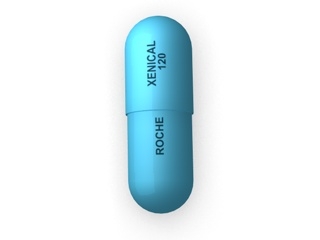
- Typical strength: 120 mg capsules
- Key use: Weight management in adults with a BMI in a relevant range, as part of a calorie-controlled diet
- Common side effects: Oily stools, flatulence, urgent bowel movements
Basic product information
Xenical (orlistat) belongs to a class of medicines known as lipase inhibitors. It works locally in the digestive system, rather than being absorbed into the bloodstream to a significant extent.
In the UK, Xenical is an established option for weight management. It is commonly used when lifestyle changes alone are not enough and should be combined with dietary adjustments and increased activity.
What Xenical (Orlistat) is used for
Xenical is indicated for the management of obesity and weight-related outcomes. In practice within the UK, it is used as part of an overall weight-management approach that includes:
- A reduced-calorie diet
- Behaviour changes (food choices, portion size, sustainable habits)
- Regular physical activity
Who may use it? Eligibility depends on individual factors such as body mass index (BMI) and related health risks. Your healthcare professional or clinical service will consider whether it is appropriate for you.
How Xenical works (mechanism of action)
Orlistat helps with weight loss by reducing the digestion and absorption of dietary fat.
- Your digestive system uses enzymes called lipases to break down fats in food.
- Xenical inhibits lipase activity in the stomach and small intestine.
- Because fat is not fully broken down, less fat is absorbed and more is excreted in the stool.
- This leads to a reduction in calorie intake from dietary fat.
Important: Xenical does not directly “burn fat” or suppress appetite in the way some other weight-loss medicines do. Results depend on sticking to a lower-fat, calorie-controlled eating plan.
Pharmacokinetics (how the body handles orlistat)
Understanding how Xenical behaves in the body can help you feel more confident about its use.
Absorption
- Orlistat has limited absorption from the gastrointestinal tract.
- Most of the medicine acts locally in the gut.
Distribution and metabolism
- Small absorbed amounts are distributed in the body.
- Orlistat is partially metabolised.
Elimination
- Orlistat and its metabolites are primarily eliminated via the faeces.
- Very little is excreted through urine.
Practical takeaway: Because absorption is minimal, Xenical’s effects are mainly related to what you eat, especially fat content, rather than systemic drug levels.
How and when to take Xenical (timing and dosing)
Typical adult dosing
The usual recommended dose for Xenical is:
- 120 mg by mouth, three times daily
- Taken with each main meal that contains fat
Example: If you eat breakfast, lunch, and dinner, you would generally take one capsule with each of those meals.
If you miss a meal or the meal has no fat
- If you miss a meal, do not take an extra capsule later.
- If the meal has no fat, you may skip the dose for that meal.
How to take
- Swallow the capsule with water.
- Take it during the meal or up to 1 hour after finishing the meal (timing guidance helps ensure it can act on the food you eat).
Food interactions and what to expect
Xenical’s effectiveness and side effects are closely linked to the amount of dietary fat you eat.
Fats and calorie control
- If you eat meals with high fat content, you may absorb less fat (this is the intended effect) but you’re also more likely to experience gastrointestinal side effects.
- If you choose lower-fat meals, side effects are usually milder and you may feel more comfortable.
Common gastrointestinal effects (fat malabsorption)
These can include:- Oily or fatty stools
- Increased urgency to have a bowel movement
- Flatulence with discharge
- Greasy spotting
- Abdominal discomfort
Tip: These effects do not usually indicate harm, but they are signals that your diet may be too high in fat for the medicine to be comfortable.
Fibre and balanced meals
- Try to include vegetables, fruit, wholegrains, and lean proteins.
- A consistent routine can help manage bowel changes.
- Drink adequate fluids, especially if stools become loose.
Alcohol and Xenical interactions
There is no widely recognised direct interaction between orlistat and alcohol that commonly causes dangerous reactions for most people. However:
- Alcohol can add extra calories, which may reduce weight-loss progress.
- Alcohol may worsen gastrointestinal discomfort in some people, especially if you already experience diarrhoea or urgency.
Practical advice: If you drink alcohol, keep it moderate, stay hydrated, and ensure your meals remain lower in fat.
Interactions with other medicines
Xenical acts in the gut, so some interactions are mainly related to how other medicines are absorbed or to how fat-soluble nutrients are handled.
Potential interaction considerations
- Medicines that require fat for absorption may be affected indirectly.
- Because orlistat can reduce absorption of some fats, it may affect fat-soluble vitamins (see below).
- Oral medicines taken around meal times may be affected for certain drugs, though the main concern is often vitamins and specific high-impact medicines.
Fat-soluble vitamins (A, D, E, K)
Orlistat may reduce absorption of fat-soluble vitamins. Many users are advised to take a multivitamin supplement.
- If you take a multivitamin, consider taking it at bedtime (unless your pharmacist/clinician advises otherwise), because this spacing may reduce the chance the vitamin is affected by the medicine.
- Choose a supplement that contains fat-soluble vitamins.
Warfarin and blood clotting medicines
- Some people using warfarin (or other medicines affecting blood clotting) should be monitored more closely. Weight loss and diet changes can also influence clotting control.
Other medicines
If you take medicines for conditions such as thyroid disease, diabetes, high blood pressure, high cholesterol, or epilepsy, it’s sensible to review your medication list with a pharmacist or healthcare professional to confirm there are no specific concerns.
General rule: Tell your pharmacist about all medicines you use (including over-the-counter products and supplements), and follow product spacing advice where provided.
Safety profile and side effects
Who should be extra cautious?
Some people should use Xenical only with medical guidance. Seek advice if you have:
- Chronic bowel disease or bowel conditions
- Malabsorption syndromes
- History of gallbladder disease (or symptoms suggestive of it)
- Problems related to fat-soluble vitamin deficiency
- Pregnancy or breastfeeding (do not use without appropriate guidance)
Common side effects
These are most often related to undigested fat leaving the body:
- Oily spotting or oily stools
- Flatulence
- Urgency to defecate
- Abdominal pain or discomfort
- Frequent bowel movements
Less common, but important
- Severe or persistent diarrhoea
- Signs of vitamin deficiency over time (for example, unusual fatigue, bone discomfort, or other symptoms)
- Allergic reactions (rare): swelling of the face/lips, rash, breathing difficulty
When to seek urgent help
Contact emergency services or urgent medical care if you experience:
- Breathing difficulties
- Severe swelling (face, lips, tongue)
- Severe abdominal pain with fever or vomiting
- Blood in stools or black stools
Practical tips for using Xenical effectively
Match the dose to your meals
- Take the capsule with each main meal.
- Skip the dose if the meal is missed or contains no fat.
Plan for lower-fat choices
To improve comfort and maximise benefits, focus on:
- Grilling, steaming, baking instead of frying
- Choosing lean meats and reduced-fat dairy
- Limiting pastries, creamy sauces, and takeaways
- Reading nutrition labels for fat content
Manage gastrointestinal changes
- Start with a meal plan that is not extremely high in fat.
- If side effects occur, reduce dietary fat rather than increasing capsules.
- Consider carrying spare tissues or barrier wipes when you’re out.
- Stay hydrated; looseness can increase fluid needs.
Use vitamin support if advised
- Consider a multivitamin supplement containing fat-soluble vitamins.
- Space it appropriately from your Xenical doses (often bedtime).
Track progress
Weight management takes time. Consider measuring:
- Weight once or twice per week
- Waist circumference
- Diet and activity adherence
If you’re not seeing any meaningful change after several months of consistent use alongside lifestyle changes, discuss next steps with a pharmacist or healthcare professional.
Alternatives to Xenical (Orlistat)
Depending on your needs, there are several weight-management options in the UK. Alternatives can include:
Other medicines
- Orlistat in a different strength/formulation (such as over-the-counter options, depending on availability)
- Other prescription weight-loss medicines (availability and suitability depend on clinical assessment)
Non-medicine options
- Structured weight-management programmes (dietitian or behavioural support)
- Dietary approaches such as calorie-controlled plans, portion control, and higher-fibre eating
- Physical activity programmes tailored to your health and preferences
- Digital or group support to improve adherence
Which is right for you? The best option depends on your BMI, medical history, previous attempts, and preferences. A pharmacist can help you understand differences and safety considerations.
Market and legal context in the United Kingdom
In the UK, weight-management medicines must meet regulatory requirements for quality, safety, and efficacy. Xenical (orlistat) is an established product and is handled in line with UK pharmaceutical standards.
Availability may vary between:
- Prescription and non-prescription pathways (depending on local rules and product classification)
- Different strengths or formulations of orlistat
- Supply levels and pharmacy stock
Recent guidance and clinical practice: UK weight-management guidance typically emphasises:
- Combining medicine with a structured diet and activity plan
- Monitoring benefits and side effects
- Reviewing ongoing suitability if weight loss is not achieved or adverse effects occur
Because guidance can update, it’s wise to confirm current recommendations with a pharmacist or healthcare professional.
Delivery and availability (UK)
When ordering from a UK online pharmacy, availability depends on stock and procurement schedules. Xenical may be supplied as 120 mg capsules in standard packaging.
- Dispatch times: typically depend on order cut-off times and whether stock is available.
- Delivery methods: usually tracked delivery within the UK.
- Cold-chain: Xenical generally does not require special temperature storage.
Storage: Keep capsules in their original packaging, at room temperature, and out of reach of children. Check the leaflet for exact storage conditions and expiry information.
Frequently Asked Questions (FAQ)
1) Does Xenical work even if I don’t change my diet?
Xenical reduces fat absorption, but the most comfortable and effective results usually come when you follow a reduced-calorie diet and reduce high-fat foods. High-fat meals can increase side effects.
2) When should I take Xenical?
Take one capsule with each main meal. If the meal is missed or contains no fat, the dose can usually be skipped for that meal. Timing during the meal or up to around 1 hour after finishing may help.
3) Will Xenical stop me absorbing all fat?
No medicine can block every amount of fat under all conditions. Orlistat significantly reduces fat absorption, but the degree can vary. Reducing dietary fat also improves side-effect control.
4) What are the most common side effects?
Common effects relate to undigested fat in the stool: oily spotting, urgency, increased bowel movements, and flatulence.
5) How can I reduce unpleasant bowel side effects?
- Choose lower-fat meals.
- Keep meals consistent and avoid large, fatty portions.
- Consider a barrier product or protective wipes when you’re out.
- Stay hydrated.
6) Do I need vitamins with Xenical?
Because orlistat may reduce absorption of fat-soluble vitamins (A, D, E, K), many people are advised to take a multivitamin supplement. Follow advice from your pharmacist and consider appropriate timing (often bedtime).
7) Can I drink alcohol while taking Xenical?
There is no standard dangerous interaction for most people, but alcohol adds calories and can worsen digestive discomfort. Moderate intake and lower-fat meals are sensible.
8) Does Xenical interact with other medicines?
Interactions depend on the specific medicine. Important considerations include blood clotting medicines and vitamins. Always inform your pharmacist about everything you take, including supplements.
9) Is Xenical suitable for everyone?
Not necessarily. People with certain bowel conditions, malabsorption problems, or who are pregnant or breastfeeding should use caution and seek appropriate guidance.
10) What if I forget a dose?
If you miss a dose and remember later, take it only if it aligns with taking it with that meal. Do not take extra capsules to make up for a missed dose.
At-a-glance summary table
| Topic | What to know |
|---|---|
| Active ingredient | Orlistat |
| Main action | Blocks absorption of dietary fat in the gut |
| Typical dosing | 120 mg three times daily with main meals |
| Meal timing | With meals; skip if meal is missed or contains no fat |
| Food interactions | High-fat meals increase gastrointestinal side effects |
| Alcohol | No common severe interaction, but can worsen digestion and add calories |
| Key safety concern | Fat malabsorption effects; possible vitamin reduction |
| Helpful supplement | Multivitamin may be recommended; spacing can help |
| Effect depends on | Consistency with diet changes and meal dosing |
Final advice
Xenical (orlistat) can be a useful tool for weight management in the UK when used correctly. For the best experience, pair it with a reduced-calorie, lower-fat diet; take it at the right time with meals; and address vitamins and side effects proactively.
If you have any concerns about suitability, interactions, or persistent side effects, speak to a pharmacist or healthcare professional for tailored advice.