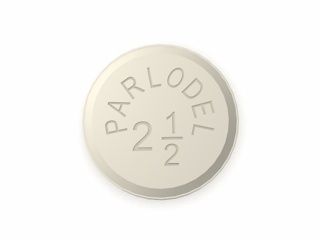


Parlodel (Bromocriptine) – Patient Information (UK)
Parlodel is a brand of bromocriptine, a medicine used to treat a number of hormone-related conditions. It works by affecting dopamine activity in the body. Parlodel may be used for problems linked to high levels of prolactin, and for some other conditions where dopaminergic treatment is helpful.
This page explains how Parlodel works, how it is typically taken, practical tips, key safety information, and what to discuss with a healthcare professional. Product details may vary depending on the specific formulation and strength available in the UK.
Key product information
| Category | Details |
|---|---|
| Medicine name | Parlodel (bromocriptine) |
| What it is used for | Conditions related to high prolactin; sometimes other hormone or Parkinson’s-related uses |
| How it works | Dopamine agonist (stimulates dopamine receptors) |
| Administration | Oral tablets (typical dosing schedule is split across the day) |
| Availability in the UK | Parlodel brand and generic bromocriptine may be available through UK pharmacies; stock can vary |
How Parlodel works (mechanism of action)
Bromocriptine is a dopamine agonist. Dopamine is a natural chemical messenger that helps regulate several processes, including control of prolactin release from the pituitary gland.
Under normal circumstances, dopamine acts as a “brake” on prolactin production. Parlodel stimulates dopamine receptors in the pituitary, leading to a reduction in prolactin levels. This can help:
- restore normal reproductive hormone balance
- reduce symptoms related to high prolactin
- shrink or control certain prolactin-secreting pituitary tumours (in appropriate cases)
Depending on the indication, bromocriptine may also have effects that influence other hormone systems and neurological pathways.
Pharmacokinetics (what the body does to the medicine)
“Pharmacokinetics” describes how the body absorbs, distributes, metabolises, and eliminates a medicine. For bromocriptine, the general principles are:
- Absorption: Bromocriptine is absorbed after oral use. Food can alter absorption rates and tolerability.
- Distribution: It distributes into body tissues and may reach target areas such as the pituitary.
- Metabolism: Bromocriptine is extensively metabolised by the liver.
- Elimination: Metabolites are eliminated primarily via the liver and bile pathways.
- Onset and steady effects: Effects on prolactin can develop over days, while full clinical benefits may take weeks depending on the condition.
Individual responses can vary. Your prescriber may adjust your dose gradually to improve tolerability.
Typical uses in the UK
Parlodel/bromocriptine is used for a range of conditions, particularly those involving raised prolactin. It may be prescribed in adults for:
- Hyperprolactinaemia (high prolactin levels) causing symptoms such as irregular or absent periods, infertility, or milk production not related to breastfeeding.
- Prolactin-secreting pituitary tumours (prolactinomas) where reduction in prolactin and tumour control is needed.
- Conditions requiring suppression of lactation in certain situations (use depends on clinical context and local guidance).
- Selected Parkinson’s disease-related uses where dopaminergic therapy is appropriate (depending on formulation and treatment plan).
Not every use is suitable for every patient. The best option depends on your symptoms, medical history, and any other medicines you take.
Timing: when to take Parlodel
Bromocriptine dosing is often split across the day to improve tolerability and maintain steady effect. A common practical approach is to take doses at set times, and to keep the schedule consistent.
General timing guidance
- Follow your dosing schedule carefully: take at the times instructed for your condition.
- Try to take the first doses in a safe time window: some people feel dizzy or nauseated early in treatment.
- Do not double up if you miss a dose—ask a pharmacist for advice on what to do for your specific schedule.
If you are starting treatment or increasing the dose, you may be advised to do so gradually to reduce side effects.
Food interactions and taking with meals
Food can influence the absorption and tolerability of bromocriptine. If you feel nausea or dizziness after taking Parlodel, your pharmacist or prescriber may advise adjusting how you take it relative to meals.
Practical advice
- Take with food if you experience stomach upset.
- If recommended for you, follow a consistent approach such as taking with meals or after a meal.
- Avoid abrupt changes in meal timing if it affects how you feel.
While bromocriptine does not have a “one-size-fits-all” food rule, patient experience often improves when the medicine is taken with a small meal.
Alcohol and medicine interactions
Combining Parlodel with alcohol may worsen side effects such as dizziness, sleepiness, or low blood pressure. For safety, it’s generally best to limit alcohol and avoid binge drinking.
Medicine interactions to be aware of
Bromocriptine can interact with other medicines, sometimes by changing levels in the body or by increasing side effects. Tell a healthcare professional about all medicines you use, including over-the-counter products and supplements.
- Other dopamine-related medicines: may increase risk of side effects.
- Antipsychotics: some medicines in this group can reduce the effect of dopamine agonists.
- Blood pressure medicines: there may be an increased risk of low blood pressure (especially when starting or increasing dose).
- Medicines that affect liver enzymes (certain anti-infectives, antifungals, and some other drug classes): may alter bromocriptine metabolism.
- Some migraine medicines and other prescription therapies: interaction potential varies—ask a pharmacist if unsure.
If you have a long-term condition and take multiple medicines, it can help to bring a list to your pharmacist so they can check interactions.
Indications (when Parlodel may be considered)
Below are common indications where bromocriptine is used. Availability and exact labelling may differ by product and patient circumstances.
- Hyperprolactinaemia: to lower prolactin and relieve symptoms.
- Prolactinomas: to reduce prolactin secretion and help control tumour size.
- Suppression of lactation: in certain post-partum or clinical scenarios.
- Parkinson’s disease: as part of dopaminergic treatment strategies.
If you are using Parlodel for prolactin-related symptoms, follow-up blood tests may be used to monitor response.
Dosing: what patients should know
Dosing depends on the condition being treated, your age, how you respond, and how well you tolerate the medicine. Doctors commonly begin with a lower dose and increase gradually.
How dosing is often structured
- Start low: to reduce dizziness, nausea, and blood pressure changes.
- Increase gradually: based on clinical response and side effects.
- Split doses: to maintain tolerability and steady effects.
Examples of dosing principles (not a personal prescription)
Many treatment plans follow a “titration” approach (slow dose adjustment). For exact dose and schedule for you, refer to the instructions provided with your medicine.
- Prolactin-related treatment: frequently involves divided dosing across the day with gradual increases.
- Parkinson’s disease treatment: titration is tailored to symptom control and tolerability.
If you’re unsure about how to take your tablets, speak to a pharmacist. Never change dose schedules without advice.
Safety profile: side effects and when to get help
Like all medicines, Parlodel can cause side effects. Many are more likely when starting treatment or after dose increases. Some side effects can be managed by dose adjustments or taking the medicine with food.
Common side effects
- Nausea, indigestion, or stomach upset
- Dizziness (including light-headedness)
- Headache
- Fatigue or sleepiness
- Low blood pressure symptoms (e.g., feeling faint when standing)
- Constipation or changes in appetite
Less common but important risks
- Falls or fainting: particularly during the first days of treatment or after dose increases.
- Sudden sleepiness: in some people, dopaminergic medicines can cause excessive sleepiness.
- Unusual behaviours or impulse control issues: rare, but important to recognise early (e.g., gambling urges, increased libido, compulsive spending).
- Hallucinations or confusion: especially in older patients or those with other risk factors.
- Heart valve or cardiovascular concerns: monitoring may be considered in longer-term therapy depending on individual risk.
- Severe allergic reaction: seek urgent help if you develop swelling, rash, or breathing difficulties.
When to seek urgent medical advice
Seek urgent medical care or emergency help if you experience:
- chest pain, severe shortness of breath, or symptoms of stroke
- fainting that does not quickly resolve
- severe persistent vomiting or dehydration
- severe headache with visual symptoms or neurological changes
- signs of an allergic reaction (swelling of face/lips, wheezing, widespread rash)
If you experience severe side effects, stop and seek urgent advice as appropriate. Do not ignore symptoms that feel rapidly worsening.
Practical use tips (to help you stay comfortable)
Getting started
- Be cautious when standing: move slowly from sitting or lying positions, especially at the start.
- Take with food if nausea happens: this can improve tolerability for many people.
- Keep a symptom diary: track side effects and time of dosing to help your pharmacist adjust the plan.
Adherence and routine
- Use reminders if dosing is frequent—missed doses can affect symptom control.
- Avoid sudden changes unless advised, especially if you are stable.
Driving and operating machinery
Bromocriptine can cause dizziness or sleepiness. Until you know how it affects you, use caution with driving or operating machinery. If you become unusually drowsy or fall asleep unexpectedly, seek medical advice promptly and avoid driving.
Stopping or missing doses
Do not stop Parlodel suddenly unless you’re instructed to do so by a healthcare professional. Stopping can lead to return of symptoms or other effects depending on the indication.
Missed dose guidance
If you miss a dose, it may be appropriate to take it when you remember unless it is close to the next dose. Because schedules vary, ask a pharmacist for advice for your specific timing.
Alternative options
If Parlodel is not suitable due to side effects, interactions, or specific clinical needs, your healthcare professional may consider alternatives. The best choice depends on the reason you are taking bromocriptine.
Common alternatives (depending on indication)
- Other dopamine agonists used for prolactin-related conditions (examples depend on local prescribing practice).
- Prolactin monitoring and symptom management approaches if medication is not tolerated.
- Surgical or radiotherapy options in selected pituitary tumour cases (specialist-led).
- For Parkinson’s disease, other dopaminergic medicines or combination regimens may be considered.
Only switch medicines under medical guidance. Different dopamine agonists can vary in side effect profiles and dosing schedules.
UK market and legal context (how it’s used in the NHS)
In the United Kingdom, availability of Parlodel and bromocriptine products may differ by formulation and pharmacy stock. Medicines used in the UK are regulated by the Medicines and Healthcare products Regulatory Agency (MHRA) and supported by prescribing and dispensing systems across the NHS and private care.
For medicines that affect hormone levels and require careful monitoring, clinicians may:
- check symptoms over time
- perform blood tests such as prolactin levels
- consider imaging where appropriate for pituitary concerns
- monitor tolerability and safety, especially early in treatment
Local commissioning policies and individual clinical plans influence what is used and how it is funded.
Recent guidance and monitoring considerations
Guidance on bromocriptine and dopamine agonists can evolve as new safety data and clinical practice recommendations are published. In recent years, attention has often focused on:
- balancing benefits with side effects, particularly in older adults
- recognising dopamine-agonist related impulse control issues
- monitoring cardiovascular risks where relevant
- using the lowest effective dose and titrating gradually
- careful management around lactation suppression scenarios (where applicable)
Your pharmacist can help you understand what monitoring is appropriate for your situation, including what to do if side effects occur.
Delivery and availability (UK)
Parlodel (bromocriptine) may be available through UK online pharmacies and local pharmacies, depending on supplier stock and product format. Availability can vary due to manufacturing schedules and demand.
- Stock status: your order may show “in stock” or “pre-order/backorder” depending on current supply.
- Delivery options: delivery speed depends on the pharmacy’s courier service and dispatch times.
- Packaging: medicines are typically supplied in manufacturer packaging or pharmacy-labelled packaging as required.
If a specific strength or formulation is temporarily unavailable, you can ask the pharmacy about alternatives or expected delivery dates.
FAQ – Parlodel (bromocriptine)
1) What is Parlodel used for?
Parlodel (bromocriptine) is used mainly to treat conditions associated with high prolactin levels and related symptoms, including hyperprolactinaemia and certain prolactin-secreting pituitary tumours. It may also be used in other clinical settings, including some Parkinson’s disease-related treatment plans.
2) How quickly will I feel an effect?
Some people notice symptom changes within days, while for others it can take weeks. Prolactin levels and tumour control (where relevant) may require ongoing monitoring to assess response.
3) Should I take Parlodel with food?
Many patients find taking it with food helps reduce nausea or stomach upset. If your first doses cause discomfort, discuss whether adjusting meal timing could help.
4) Can I drink alcohol while taking Parlodel?
It’s generally best to limit alcohol. Alcohol may increase dizziness, sleepiness, or low blood pressure symptoms. If you notice you are affected more than usual, avoid alcohol and speak to a pharmacist.
5) Are there medicines I should avoid?
Yes, some medicines may interact with bromocriptine, including certain antipsychotic drugs, blood pressure medicines, and medicines that affect liver metabolism. Always share your full medicine list with a pharmacist for interaction checks.
6) What side effects are most common?
Common side effects include nausea, dizziness, headache, fatigue, constipation, and symptoms of low blood pressure—especially when starting treatment or after dose increases.
7) Is it safe to drive?
Until you know how Parlodel affects you, be cautious with driving or operating machinery. If you feel dizzy, excessively sleepy, or fall asleep unexpectedly, do not drive and seek medical advice.
8) What should I do if I miss a dose?
Because schedules differ, ask a pharmacist for advice. In general, do not double the dose to catch up unless instructed to do so.
9) Can Parlodel be stopped suddenly?
Don’t stop suddenly unless advised by a healthcare professional. Stopping can lead to symptoms returning or other changes depending on why you are taking it.
10) Are there alternatives if I can’t tolerate Parlodel?
Potential alternatives may include other dopamine agonists or non-drug approaches depending on your condition. Discuss your options with a pharmacist or clinician if side effects are problematic.
11) Where can I check current availability in the UK?
Stock can change. Your online pharmacy listing will show availability status; if not available, ask about ordering timelines or equivalent options.
Important patient reminder
This information is intended to help you understand Parlodel (bromocriptine) and is not a substitute for personalised medical advice. If you have concerns about side effects, interactions, or suitability for your condition, speak to a pharmacist or healthcare professional.