
Raloxifene (Raloxifene) — Patient Information (UK)
Raloxifene is a medicine used mainly to help prevent and treat certain bone and hormone-related conditions in postmenopausal women. It belongs to a group of medicines called Selective Estrogen Receptor Modulators (SERMs). Depending on your situation, it may be prescribed to reduce fracture risk and/or to lower the risk of certain breast cancer types.
This guide explains how raloxifene works, how it is used, what to expect, and important safety considerations. Always follow the instructions given to you by your healthcare professional.
Quick facts
- Medicinal product: Raloxifene (often as raloxifene hydrochloride)
- Group: SERM (Selective Estrogen Receptor Modulator)
- Main use: Prevention/treatment of osteoporosis in postmenopausal women; risk reduction for certain breast cancers
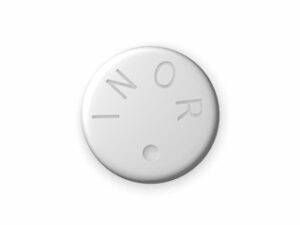
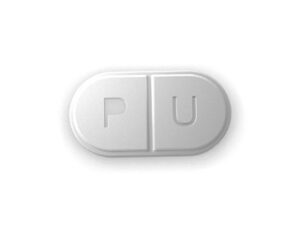
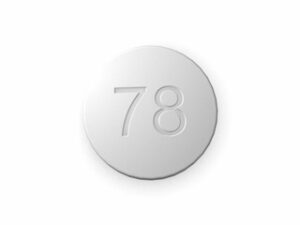
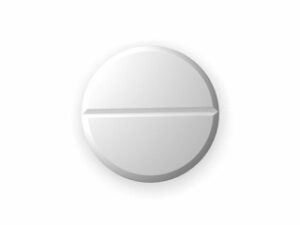
- Typical form: Tablets (strengths may vary)
- Key safety issues: Increased risk of blood clots and stroke in certain groups
- Common side effects: Hot flushes, leg cramps, flu-like symptoms, and occasional swelling
How raloxifene works (mechanism of action)
Raloxifene acts on estrogen receptors in different tissues. It behaves like estrogen in some areas (for example, the bones) and like an anti-estrogen in others (for example, breast tissue).
- Bone (beneficial “estrogen-like” effect): Raloxifene helps slow bone breakdown, supporting bone strength and reducing fracture risk.
- Breast and uterine tissue (“anti-estrogen-like” effect): It can reduce stimulation of certain breast cells. Importantly, unlike some other hormone treatments, raloxifene typically does not stimulate the uterine lining in the same way.
- Heart and blood vessels: It may have favourable effects on some cholesterol measures, but it does not remove clotting risks. In some people, it can increase the risk of venous thromboembolism.
Pharmacokinetics (how the body processes it)
Understanding how your body handles raloxifene can help explain timing and side effects.
- Absorption: After you take a tablet, raloxifene is absorbed through the gut. The overall absorption is generally consistent.
- Distribution: It distributes into body tissues and is strongly protein-bound in blood.
- Metabolism: Raloxifene is processed mainly in the liver.
- Elimination: It is eliminated primarily via the faeces.
- Half-life: Raloxifene has a relatively long duration of action (commonly described as “long-acting”), which supports once-daily use in many regimens.
Practical takeaway: Because raloxifene remains in the body for some time, it is important to take it consistently as advised, and not to stop or restart without medical advice—especially if you’ve had clotting risks or planned surgery.
What raloxifene is used for (indications)
Raloxifene is used in specific postmenopausal situations, commonly including:
- Osteoporosis: Prevention and/or treatment of osteoporosis in postmenopausal women, particularly where reducing the risk of vertebral (spine) fractures is a key goal.
- Breast cancer risk reduction: In some postmenopausal women at increased risk of breast cancer, to help reduce the risk of invasive breast cancer (noting that effects can differ by breast cancer type).
Important: Raloxifene is not typically a general “replacement” for all osteoporosis medicines. It is mainly proven to reduce certain fracture risks (especially spine fractures). Your clinician will consider your individual fracture risk and suitability.
Typical dosing in the UK
Doses can vary depending on the indication and individual patient factors. Do not change your dose without advice.
| Indication | Typical adult dose (general guidance) | How often |
|---|---|---|
| Osteoporosis | Often 60 mg | Once daily |
| Breast cancer risk reduction | Often 60 mg | Once daily |
| Renal impairment | Dose is usually based on clinical judgement | Once daily in many cases |
Missed dose: If you miss a dose, take it as soon as you remember on the same day. If it is near the time for your next dose, skip the missed dose and continue as normal. Do not take double doses.
Duration of treatment: Osteoporosis and breast cancer risk reduction are long-term strategies. Treatment is usually continued for months to years, depending on your risk profile and tolerance.
When to take raloxifene (timing and routine)
- Time of day: Take it at the same time each day to help you remember.
- With or without food: It can generally be taken with or without food (see “Food interactions” below for details).
- With water: Swallow the tablet whole with water.
Because of clot risk: If you are scheduled for surgery, have prolonged immobility (e.g., a long flight or being bedbound), or have new symptoms that may suggest a clot, discuss whether you need to stop raloxifene temporarily. Healthcare professionals commonly advise additional clot-prevention measures in high-risk situations.
Food interactions and diet considerations
For most people, raloxifene has limited food interaction. However, some practical points can help ensure consistent absorption and comfort.
- Food: Taking raloxifene with or without food is generally acceptable.
- Fats and meal timing: There is usually no need for special dietary timing, but taking your tablet consistently helps maintain predictable effects.
- Supplements: If you take calcium and/or vitamin D for bone health, you can usually continue unless your clinician advises otherwise.
Cholestyramine/ion-exchange resins: These medicines can interfere with absorption of some medicines. If you take a bile acid sequestrant (for example, cholestyramine), ask your pharmacist whether separation from raloxifene is needed.
Alcohol and medicine interactions
Alcohol: Moderate alcohol intake is not generally known to directly conflict with raloxifene. However, alcohol can affect overall health and may worsen some side effects (such as dizziness or fatigue). If alcohol triggers hot flushes or you experience flushing after alcohol, consider reducing intake.
Medicine interactions: Raloxifene can interact with other medicines, especially those affecting clotting risk or liver metabolism. Tell your pharmacist about all medicines and supplements you use, including:
- Hormone therapies: Combining with other estrogen-containing medicines may increase risks.
- Anticoagulants / antiplatelets: Interaction risk depends on your clot history and other medications. Do not assume safety—seek advice.
- Medicines that increase clotting tendency: Any therapy that raises thrombotic risk should be reviewed.
- Medicines affecting liver enzymes: Some drugs can alter how raloxifene is processed. This can change exposure levels.
Key message: If you have a personal history of blood clots, stroke, or you are taking medicines that influence blood clotting, ensure your healthcare professional has a complete list of your medications.
Safety profile: who should take extra care
Raloxifene can be suitable for many postmenopausal women, but it has important safety considerations. The most significant are related to blood clots and stroke risk in specific groups.
Common side effects
- Hot flushes
- Leg cramps
- Swelling (for example, feet/ankles)
- Flu-like symptoms or mild aches
- Headache (in some people)
Serious side effects (seek urgent medical help)
Call for urgent medical advice if you experience symptoms that may indicate a blood clot or stroke.
- Possible deep vein thrombosis (DVT): Pain, swelling, warmth, or redness in one leg
- Possible pulmonary embolism (PE): Sudden shortness of breath, chest pain, coughing blood, or fainting
- Stroke warning signs: Sudden weakness/numbness on one side, trouble speaking, facial droop, sudden severe headache, or loss of coordination
When raloxifene may be unsuitable (examples)
Do not take raloxifene unless your clinician confirms it is appropriate, especially if you have:
- A current or past history of blood clots (venous thromboembolism) where risks remain relevant
- A history of stroke or serious clot-related events
- Unexplained vaginal bleeding
- Significant liver problems (dose and suitability require medical review)
Pregnancy and breastfeeding
Raloxifene is used in postmenopausal women. It is not intended for use in pregnancy or breastfeeding.
Practical use tips (getting the best from your medicine)
- Build a daily routine: Choose a consistent time (e.g., after breakfast) so it becomes habitual.
- Stay active: Regular walking and exercises recommended for osteoporosis can support bone health—within your limitations.
- Calcium and vitamin D: Many people benefit from dietary calcium and vitamin D supplements if advised by their clinician.
- Know warning signs: Familiarise yourself with clot/stroke symptoms so you can act quickly if needed.
- Before surgery or long travel: Contact your healthcare provider for advice on whether to pause treatment and how to reduce clot risk.
- Don’t smoke: Smoking increases cardiovascular risks and may worsen bone health.
- Report new symptoms: Any unusual swelling, pain in one leg, breathlessness, or sudden neurological symptoms should be addressed urgently.
Alternative options for osteoporosis and breast cancer risk reduction
Depending on your diagnosis, risk profile, and preferences, there are several other options available in the UK. Your clinician may recommend different medicines or non-medicine measures.
For osteoporosis
- Bisphosphonates (e.g., alendronic acid, risedronate, zoledronic acid)
- Denosumab (injection)
- Hormone-related therapies in select cases (carefully assessed due to clot/cancer risks)
- Other bone agents may be considered depending on fracture risk and previous treatments
For breast cancer risk reduction
- Tamoxifen (a different SERM)
- Other risk-reduction strategies based on individual risk factors
Choosing an alternative: The best option depends on factors such as age, bone density, fracture history, menopausal symptoms, clot/stroke risk, and overall cancer risk.
Market and legal context in the UK
In the UK, raloxifene is a regulated medicine available through appropriate healthcare pathways. Availability, brand naming, and exact formulations can vary by product. Pharmacy supply is typically controlled to ensure medicines are used safely and appropriately, with clinicians overseeing suitability based on individual risk factors.
Local prescribing and dispensing procedures follow UK healthcare standards, and patient information leaflets (PILs) provide detailed guidance on how to use your specific product.
Recent guidance and clinical considerations (overview)
Clinical practice for osteoporosis and breast cancer risk reduction evolves as new evidence emerges. In general, UK treatment decisions commonly consider:
- Fracture risk assessment: including bone mineral density and personal fracture history
- Venous thromboembolism risk: particularly when using SERMs such as raloxifene
- Balancing benefits and harms: such as reduction in spine fractures versus clot/stroke risk in susceptible individuals
- Long-term monitoring: reviewing tolerability, adherence, and any new risk factors over time
Your clinician should reassess the need for continued therapy periodically.
Delivery and availability (online pharmacy)
Online pharmacies in the UK typically aim to deliver within standard postal timeframes after processing your order. Availability may depend on stock levels and the specific tablet strength/pack size.
- Packaging: Medicines are supplied in original packaging when possible to protect integrity and provide identification.
- Dispatch times: Vary by supplier; check the estimated delivery window at checkout.
- Cold storage: Raloxifene tablets are generally stable at room temperature; follow storage instructions on the pack.
If you have urgent timing needs (for example, starting a treatment schedule), choose a pharmacy that clearly shows dispatch and delivery estimates.
Frequently asked questions (FAQ)
1) Is raloxifene the same as hormone replacement therapy (HRT)?
No. Raloxifene is a Selective Estrogen Receptor Modulator (SERM). It can act like estrogen in some tissues (bone) and like anti-estrogen in others (breast). It is not the same as standard HRT.
2) Will raloxifene stop hot flushes?
Some people experience hot flushes as a side effect—so it may not always help menopausal symptoms. If you get troublesome hot flushes, discuss options with your clinician.
3) How long does it take to work?
For osteoporosis, benefits relate to bone remodelling and may build over months. Breast cancer risk reduction benefits are evaluated over longer periods. Your clinician will advise on expected timelines.
4) Can I take raloxifene with calcium and vitamin D?
Often yes, and many people are advised to maintain adequate calcium and vitamin D intake for bone health. Always follow your healthcare professional’s specific advice and check any additional supplements you take.
5) What if I have leg pain or swelling?
If you develop pain or swelling in one leg, especially with warmth or redness, seek urgent medical advice. These symptoms can signal a blood clot.
6) Does alcohol affect raloxifene?
Moderate alcohol is not usually a direct interaction, but alcohol can worsen side effects or overall health. If you notice symptom flare-ups, reduce alcohol and speak with a healthcare professional.
7) Can I drive or operate machinery?
Raloxifene is not typically associated with major impairment for most people, but individual reactions vary. If you feel unwell, dizzy, or have any concerning symptoms, avoid driving until you feel safe.
8) What should I do before long flights or surgery?
Because clot risk can increase with immobility and surgery, ask your clinician/pharmacist whether raloxifene should be paused and what preventative measures (such as mobility, hydration, or compression stockings) are appropriate.
9) Are there dietary restrictions?
Usually no major dietary restrictions are required. Take the tablet consistently. If you take medicines such as bile acid sequestrants (e.g., cholestyramine), discuss timing with your pharmacist.
10) What are the signs of stroke I should know?
Seek urgent help if you notice sudden facial droop, arm weakness, speech problems, sudden severe headache, or loss of coordination.
Summary
Raloxifene is a long-acting SERM used for postmenopausal bone health and, in suitable patients, for breast cancer risk reduction. It helps strengthen bones and can reduce certain breast cancer risks by influencing estrogen receptors differently in different tissues. While it can be effective, it has important safety considerations—particularly an increased risk of blood clots and stroke in certain people.
If you’re unsure whether raloxifene is right for you, or if you have a history of clots, stroke, liver problems, or planned surgery, speak to a healthcare professional. For the safest use, always inform your pharmacy about all medicines and supplements you take, follow your prescribed schedule, and seek urgent advice for warning signs of clot or stroke.