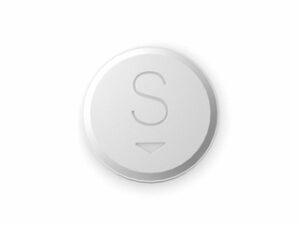

Serophene (Clomiphene) — Patient Information (UK)
Serophene contains clomiphene, a medicine used to help stimulate ovulation in people who are not ovulating regularly. This guide is designed to be easy to read and to cover the most important practical information, including how it works, typical use, timing, interactions, safety, and frequently asked questions.
Note: This information is general and does not replace advice from your healthcare professional. Your clinician may adjust treatment based on your medical history, blood test results, and monitoring (for example, ultrasound scans).
Quick overview
- Medicine name: Serophene
- Active ingredient: Clomiphene
- What it’s used for: Inducing ovulation in certain fertility and endocrine conditions
- Typical form: Oral tablets
- Common course: Usually taken for a short number of days, often early in the menstrual cycle
- Key points: Works by affecting hormone signalling in the brain, leading to increased stimulation of the ovaries
What Serophene is and basic product information
Serophene (clomiphene) is a medicine belonging to the group of drugs called selective oestrogen receptor modulators (SERMs). It is used mainly in fertility management to help trigger ovulation.
In the UK, clomiphene is available through healthcare services and can be supplied via pharmacies depending on local prescribing pathways. Availability may vary by supplier, stock levels, and strength.
How Serophene works (mechanism of action)
Clomiphene works mainly by interfering with oestrogen receptors in the brain (particularly the hypothalamus and pituitary). Normally, oestrogen provides feedback signals that help regulate the reproductive hormone cycle.
When clomiphene blocks oestrogen’s feedback effect:
- The brain “interprets” that oestrogen levels are lower than expected.
- This can increase release of gonadotrophin-releasing hormone (GnRH).
- Higher GnRH stimulates the pituitary to produce more follicle-stimulating hormone (FSH) and luteinising hormone (LH).
- FSH and LH promote growth of ovarian follicles and can lead to an LH surge that triggers ovulation.
It’s important to understand that Serophene aims to induce ovulation, but it does not guarantee pregnancy. Ovulation is only one part of achieving conception.
Pharmacokinetics (how the body handles Serophene)
Pharmacokinetics describes how a medicine is absorbed, distributed, metabolised, and eliminated.
- Absorption: Clomiphene is taken by mouth and is absorbed through the gastrointestinal tract.
- Distribution: It has a long-lasting effect because clomiphene and related metabolites can persist in the body.
- Metabolism: The liver metabolises clomiphene.
- Elimination: Metabolites are mainly cleared from the body through faeces and to a lesser extent urine.
- Duration of action: Because of its persistence, clomiphene may continue to influence hormone signalling across the cycle.
For best results and safest use, dosing schedules should be followed exactly as recommended by your clinician.
Typical uses and indications (what Serophene is used for)
In the UK, clomiphene (Serophene) is commonly used for:
- Anovulation or irregular ovulation, including ovulatory dysfunction related to hormonal imbalance
- Polycystic ovary syndrome (PCOS) where the primary issue is irregular or absent ovulation (after appropriate assessment)
- Ovulation induction in infertility management when ovulation needs to be stimulated
It may also be considered in other scenarios of ovulatory dysfunction depending on individual assessment. Your clinician will weigh potential benefits against risks (for example, multiple pregnancy risk and ovarian enlargement).
Who should use Serophene with caution or not at all
Do not use clomiphene if you have certain conditions unless your specialist advises otherwise. Safety considerations can include:
- Pregnancy (it should not be used during pregnancy)
- Unexplained vaginal bleeding (needs investigation)
- Known or suspected ovarian cysts that are not due to normal follicular activity
- Severe liver disease or significant liver impairment (requires medical review)
- Hypersensitivity to clomiphene or any ingredients
- Conditions involving the pituitary such as pituitary tumours (requires specialist input)
If any of these apply, speak to your healthcare professional before starting treatment.
Timing: when to take Serophene in the menstrual cycle
Clomiphene is typically started early in the menstrual cycle, often on or about day 2 to day 5 depending on the plan set by your clinician.
A common schedule is:
- Days 2–5: take one daily dose for several days
- Ovulation: commonly occurs around 5–10 days after the last tablet (timing varies between individuals)
Because the exact timing can differ, your clinician may recommend:
- Monitoring with ovulation predictor kits (LH tests)
- Blood tests (e.g., progesterone) after the expected ovulation window
- Ultrasound monitoring in some cases
Practical takeaway: Plan intercourse or intrauterine insemination at the appropriate fertile window as directed by your fertility team.
Dosing (typical approach)
Dosing regimens vary depending on response and fertility goals. In practice, clinicians often use a step-up approach.
Common dosing pattern (general example):
- Start at a lower dose for the first course
- If ovulation does not occur, the dose may be increased for subsequent cycles
- Usually only a limited number of cycles are attempted, based on risk and likelihood of success
Your prescriber will specify:
- The exact dose per tablet
- The number of days you should take it
- The cycle plan (how many cycles and what monitoring to use)
Important: Always follow your clinician’s schedule. Do not change the dose or duration without medical guidance.
Food interactions and taking with meals
Serophene can generally be taken with or without food. However, some people experience nausea. Taking the tablet with a meal or soon after food may help reduce stomach upset.
To minimise side effects:
- Stay well hydrated
- If you feel nauseous, try taking it after a light meal
- Avoid very heavy or high-fat meals if these trigger nausea for you
If you have a history of gastrointestinal problems, discuss with your pharmacist or clinician.
Alcohol and medicine interactions
Alcohol
There is no universally required “complete abstinence” from alcohol for every individual taking clomiphene, but alcohol can affect overall reproductive health, cycle regularity, and general wellbeing. In fertility settings, it’s often recommended to keep alcohol intake low.
Practical advice:
- Keep alcohol to a minimum (or avoid it) during fertility treatment.
- If you become pregnant, alcohol guidance changes; follow advice from your healthcare professional regarding pregnancy.
Other medicines (important interaction considerations)
Clomiphene may interact with other medicines by affecting hormone pathways or metabolism. Always tell your healthcare professional and pharmacist about:
- All prescription medicines
- Over-the-counter medicines
- Herbal products and supplements
- Any fertility-related treatments (e.g., hormones, injectable ovulation triggers)
Potential clinically relevant considerations can include:
- Liver-metabolised medicines: because clomiphene is processed by the liver, other medicines that significantly affect liver enzymes may influence levels.
- Hormonal therapies: combining hormone treatments should be supervised carefully.
Tip: If you’re taking multiple medicines, ask the pharmacist to check for interactions before each course.
Safety profile: side effects and risks
Most people tolerate clomiphene reasonably well, but side effects can occur. Side effects often relate to hormone changes.
Common side effects
- Hot flushes
- Headache
- Nausea
- Abdominal discomfort or bloating
- Breast tenderness
- Mood changes
- Visual disturbances (e.g., blurred vision) — seek advice if symptoms occur, especially if persistent
Less common but important risks
- Ovarian hyperstimulation or enlargement: follicles can grow more than expected; monitoring may be advised.
- Ovarian cysts: can occur; clinicians may adjust treatment if cysts develop.
- Multiple pregnancy: the chance of twins or higher-order multiple pregnancy is higher than with natural conception.
- Endometrial changes: clomiphene can sometimes affect the uterine lining, potentially influencing implantation for some individuals.
- Rare visual or clot-related complications: report unusual symptoms promptly (see below).
When to seek urgent medical advice
Contact a healthcare professional urgently if you experience:
- Severe abdominal pain
- Rapid weight gain and/or significant swelling (possible ovarian-related complications)
- Shortness of breath or chest pain
- Vision changes that are sudden, severe, or persist
- Severe headache with other neurological symptoms
Practical use tips (helping you get the best from treatment)
- Follow the cycle start date: Starting on the wrong day can affect response.
- Use reminders: A simple phone alarm can help you take tablets at the right time each day.
- Plan fertile timing: Work with your clinic on the likely ovulation window and the best times for intercourse or procedures.
- Track symptoms: Light spotting, increased discharge, or LH test changes may help you understand timing (but are not definitive).
- Don’t “double up” if you miss a dose: Take advice from your pharmacist or clinic. Missing tablets can reduce success rates.
- Keep appointments for monitoring: Ultrasound or blood tests can reduce risk and guide dose adjustments.
- Know your side-effect pattern: If you’ve reacted strongly before, tell your clinician before the next cycle.
Fertility note: Clomiphene stimulates ovulation, but overall pregnancy chances depend on many factors (partner factors, fallopian tube health, sperm parameters, age, and other hormone factors). Your clinician can advise on the most appropriate next steps if conception does not occur.
Alternative options (if Serophene isn’t suitable or isn’t working)
There are multiple ways to induce ovulation, and the best option depends on diagnosis, previous response, and risk profile.
Common alternatives
- Letrozole (often used for PCOS-related ovulatory dysfunction in some clinical pathways)
- Gonadotrophins (injectable fertility hormones, typically requiring close monitoring)
- Metformin in selected cases of insulin resistance with PCOS (as part of a broader plan)
- IVF or other assisted reproduction if ovulation induction is unlikely to be effective or if other fertility issues are present
Your clinician can discuss benefits and risks of each option, including multiple pregnancy risk, monitoring requirements, and likelihood of ovulation.
Pharmacy and UK market/legal context (what to expect)
In the UK, medicines like clomiphene are regulated and are supplied according to national medicines governance and pharmacy standards. Access typically involves consultation and clinical assessment to confirm the cause of ovulatory dysfunction and to ensure safe use.
Online pharmacy availability may depend on:
- Local regulatory and prescribing pathways
- Stock availability from licensed suppliers
- Strength and formulation
- Patient eligibility and checks (identity, suitability, and safety)
Because fertility medicines require careful monitoring and appropriate patient selection, reputable suppliers often include safety checks and clinical questionnaires before dispensing.
Recent guidance and clinical practice updates (overview)
Clinical practice in fertility care can evolve. In recent years, many guidelines and studies have influenced how ovulation induction is approached, particularly in PCOS—with some pathways increasingly considering letrozole as a first-line option in appropriate patients. That said, clomiphene remains widely used and can be suitable depending on individual circumstances, access, and clinician judgement.
For safe and effective treatment, clinicians may also use:
- More structured ovulation monitoring strategies
- Lower starting doses with step-up regimens
- Risk-aware approaches to multiple pregnancy and ovarian complications
If you’re comparing options, ask your clinic which medicine is most appropriate for your specific diagnosis and history.
Delivery and availability (UK)
Delivery options vary by online pharmacy. Typical availability considerations include:
- In-stock items: orders may dispatch quickly on working days
- Out-of-stock items: restocking timelines differ; some suppliers may offer alternatives or arrange backorders depending on regulatory policies
- Cold-chain: clomiphene tablets generally do not require cold storage
When you receive your order:
- Check that the correct medicine, strength, and quantity have been provided.
- Store tablets according to the label instructions (typically at room temperature and away from moisture and direct sunlight).
- Keep out of sight and reach of children.
If delivery delays occur, contact customer service. Reputable pharmacies provide tracking information and clear communication.
Product information table
| Category | Information |
|---|---|
| Brand name | Serophene |
| Active ingredient | Clomiphene (clomiphene citrate in many formulations) |
| Medicine type | SERM (selective oestrogen receptor modulator) |
| Route | Oral tablets |
| Main purpose | Induce ovulation in selected ovulatory dysfunction |
| Typical timing | Often started early in the menstrual cycle (e.g., days 2–5) |
| Metabolism | Liver metabolism |
| Elimination | Primarily via faeces; some via urine (metabolites) |
| Key risks | Multiple pregnancy, ovarian enlargement/cysts, possible visual symptoms |
FAQ
1) How soon will Serophene help me ovulate?
Ovulation commonly occurs around 5–10 days after your last tablet, but timing varies between individuals and between treatment cycles. Monitoring with LH kits, ultrasound, or progesterone testing can help refine timing.
2) Will Serophene definitely make me pregnant?
No. Serophene may induce ovulation, but pregnancy depends on additional factors such as partner sperm parameters, fallopian tube function, uterine factors, age, and overall fertility health. If pregnancy doesn’t occur after a few monitored cycles, your clinician may recommend alternative strategies.
3) Can I take Serophene if I have PCOS?
Clomiphene is used in some cases of PCOS-related ovulatory dysfunction, but suitability depends on your individual health profile and prior response. Many clinicians also consider other options (such as letrozole) based on current evidence and local pathways.
4) Are there foods I should avoid?
No specific “forbidden” foods are universally required. If you experience nausea, taking the tablet with food may help. Stick to a balanced diet and stay hydrated.
5) Can I drink alcohol while taking Serophene?
It’s generally advised to keep alcohol minimal during fertility treatment. There’s no single rule that fits everyone; if you have concerns—especially if you might become pregnant—ask your clinician or pharmacist for personalised advice.
6) What side effects are most common?
Common side effects include hot flushes, headache, nausea, bloating, breast tenderness, and mood changes. Visual symptoms can occur in some people—report them promptly, especially if persistent or severe.
7) Is it safe to take more than one cycle?
Many people may have more than one monitored cycle, but there are safety considerations. Clinicians typically limit the number of cycles and adjust dosing based on whether ovulation occurs and whether side effects or ovarian enlargement occur.
8) What if I miss a dose?
Do not double up without advice. Contact your pharmacist or clinic for instructions based on how many doses were missed and where you are in the cycle.
9) Can Serophene affect my periods?
Clomiphene can change cycle dynamics. Some people experience irregular bleeding or spotting, especially around treatment windows. If you have unusual or heavy bleeding, seek medical advice.
10) Are there alternatives if it doesn’t work?
Yes. Depending on your diagnosis and response, alternatives can include letrozole, injectable ovulation induction, metformin in selected PCOS cases, or assisted reproduction approaches. Your clinician can tailor next steps.
Summary
Serophene (clomiphene) is an oral medicine used to stimulate ovulation by modifying hormone feedback signals in the brain. It is often started early in the menstrual cycle, and ovulation typically occurs about a week after the last tablet, though timing varies. While many people tolerate clomiphene well, it is important to be aware of side effects and risks such as ovarian enlargement and multiple pregnancy. Safe and effective use usually involves following the dosing plan carefully, planning fertile timing, and attending any monitoring recommended by your healthcare professional.