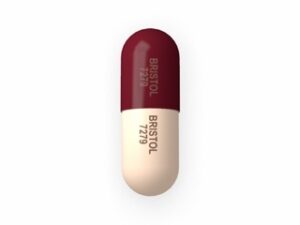
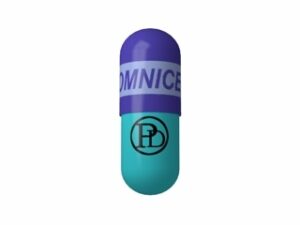

Principen (Ampicillin) – Patient Information
Principen contains ampicillin, an antibiotic from the penicillin group. It is used to treat certain bacterial infections. This page explains how it works, how it is used, key safety information, and what to consider with food, alcohol, and other medicines—tailored for people in the United Kingdom.
Important: Antibiotics only treat infections caused by bacteria. They do not work against viruses such as colds or flu.
Quick overview
- Medicine: Principen (ampicillin)
- Type: Penicillin-class antibiotic
- Used for: Selected bacterial infections (depending on the cause and local guidance)
- How it works: Stops bacteria building their protective cell walls
- Common forms: Usually supplied as capsules or oral forms depending on the product available
- Key safety notes: Possible allergy, diarrhoea, and interactions with some medicines
Basic product information
| Category | Details |
|---|---|
| Active ingredient | Ampicillin |
| Drug class | Beta-lactam antibiotic (penicillin) |
| Common route of use | Oral (typical for many outpatient regimens; supply can vary by brand/formulation) |
| Typical course length | Varies by infection; it is important to complete the full prescribed course |
| Allergy risk | People with penicillin allergy may have serious reactions |
How Principen (ampicillin) works (mechanism of action)
Ampicillin is a beta-lactam antibiotic. Bacteria rely on enzymes to build and maintain a rigid cell wall. Ampicillin interferes with these enzymes, weakening the cell wall. As a result, bacteria cannot survive and multiply properly, leading to their death or inhibition.
Key point: Ampicillin is most effective against bacteria that are susceptible to penicillins and that are not producing enzymes (such as beta-lactamases) capable of breaking it down.
Pharmacokinetics (how the body handles the medicine)
Absorption: Ampicillin can be absorbed from the gastrointestinal tract. Food may affect how quickly it is absorbed, but it often does not completely prevent absorption.
Distribution: It distributes into body tissues and fluids. Penicillins generally penetrate many compartments, though levels vary by infection, inflammation, and tissue type.
Metabolism and elimination: Ampicillin is primarily eliminated by the kidneys through urine. Therefore, kidney function can influence blood levels and may require dose adjustment.
Half-life: The time taken for the amount of medicine in the body to decrease by about half depends on kidney function and individual factors.
Typical uses and indications
Principen (ampicillin) may be used for a range of susceptible bacterial infections. The most suitable choice depends on the likely bacteria, local resistance patterns, severity of illness, and individual patient factors.
Indications can include infections such as:
- Ear, nose and throat infections caused by susceptible bacteria
- Chest and respiratory tract infections where ampicillin is appropriate
- Urinary tract infections in selected cases (based on susceptibility)
- Skin and soft tissue infections in susceptible organisms
- Other infections where the responsible bacteria are known or suspected to be sensitive to ampicillin
Susceptibility matters: If the infection is due to bacteria that produce beta-lactamases or are otherwise resistant, ampicillin may not work. Clinicians may use culture and sensitivity results to guide the best antibiotic choice.
Timing and how to take Principen
Follow the instructions on your medicine label and any accompanying guidance. Taking antibiotics at consistent times helps maintain adequate drug levels to fight infection.
General timing guidance
- Space doses evenly across the day.
- If doses are multiple times daily, try to keep an approximately regular interval between doses.
- Do not miss doses. If you miss one, take it as soon as you remember unless it is close to the next dose. In that case, skip the missed dose and continue as normal.
- Complete the full course even if you feel better—stopping early can allow bacteria to persist and return.
Can I stop early if I feel better?
It is generally best not to stop early. Stopping early increases the chance that the infection will come back and that bacteria may become more resistant.
Food interactions
Food effects: Ampicillin is typically taken orally and food may influence absorption. Many people tolerate it well with meals, but the exact effect can depend on the formulation and individual response.
Practical approach:
- If your stomach feels upset when you take it on an empty stomach, taking it with food may help.
- Keep to the same pattern each day (with food or without), unless advised otherwise.
Tell your pharmacist if you have swallowing difficulties, severe reflux, or require special administration techniques.
Alcohol and medicine interactions
Alcohol
While moderate alcohol is not always directly contraindicated with ampicillin, it can worsen side effects such as nausea, stomach upset, and diarrhoea. Alcohol may also impair recovery by affecting hydration and sleep.
Best advice: Avoid alcohol during treatment, or limit it as much as possible, especially if you are unwell.
Important medicine interactions
Antibiotics can interact with other medicines by affecting gut flora, kidney function, or liver metabolism. Tell a healthcare professional (or check with a pharmacist) if you are taking any of the following:
- Oral anticoagulants (e.g., warfarin): Antibiotics may affect bleeding risk in some people. Monitoring may be required.
- Methotrexate: Penicillins may reduce clearance of methotrexate and increase toxicity risk.
- Allopurinol: Co-administration may increase the chance of skin rash in some people.
- Probenecid: Can reduce kidney clearance of penicillins, increasing levels.
- Oral contraceptives: Most antibiotics (including ampicillin) have not been consistently shown to reduce effectiveness. However, if you experience vomiting or severe diarrhoea, absorption of contraceptive pills may be reduced.
- Other antibiotics or anti-infectives: Combination therapy may be necessary in some infections; it must be carefully planned.
Always check: Make a list of your medicines and share it with a pharmacist to confirm there are no clinically significant interactions for your specific situation.
Dosing information (general)
Doses for ampicillin vary depending on the infection, severity, age, kidney function, and whether the bacteria are susceptible. A clinician should determine the correct dose for your circumstances.
General guidance:
- Follow the dosing schedule on your medicine supply.
- If you have kidney problems, your prescriber may reduce the dose or change the interval to avoid accumulation.
- In children, dosing is often based on body weight and may differ substantially from adult regimens.
What if you take too much? Taking more than recommended increases the risk of side effects such as severe diarrhoea, nausea, and potential effects on blood/nerve function in rare cases. Contact NHS 111 or seek urgent medical advice if you suspect overdose.
Safety profile and side effects
Common side effects
- Diarrhoea or loose stools
- Nausea, stomach discomfort
- Rash (varies from mild to severe)
- Headache (occasionally)
- Yeast infections (due to changes in normal bacteria)
Serious side effects – seek urgent help
Contact urgent care (or call emergency services) if you develop any signs of a severe allergic reaction:
- Swelling of the face, lips, tongue, or throat
- Difficulty breathing or wheezing
- Severe dizziness or fainting
- Widespread rash with blistering or peeling skin
Also urgent:
- Severe or persistent diarrhoea (especially if watery or with blood/mucus), fever, or significant abdominal pain—these can indicate a serious intestinal infection.
Who should be extra cautious?
- People with a known penicillin allergy or history of severe reactions
- Anyone who has previously had allergic reactions to beta-lactam antibiotics
- People with kidney impairment
- Those with a history of gastrointestinal illness related to antibiotics
- Individuals taking multiple interacting medicines (e.g., anticoagulants or methotrexate)
Practical use tips
- Hydration: Drink fluids regularly, particularly if you experience diarrhoea or feel unwell.
- Track symptoms: Note changes in fever, pain, breathing, or urinary symptoms. Seek medical advice if symptoms worsen or do not improve within a reasonable time.
- Do not share antibiotics: Use only for the condition it was chosen for.
- Storage: Store at room temperature in a dry place unless the label states otherwise. Keep out of sight and reach of children.
- Finish the course: Completing treatment helps reduce the chance of relapse and resistance.
Alternative options
If ampicillin is not suitable (for example due to resistance, allergy, or a specific infection type), alternatives may include other antibiotics depending on the bacteria suspected and local guidance. Your clinician may consider:
- Other penicillins or beta-lactam antibiotics (based on susceptibility)
- Cephalosporins for certain infections when appropriate
- Macrolides (e.g., for respiratory infections in selected scenarios)
- Clindamycin for certain anaerobic-related infections
- Metronidazole in specific mixed infections where anaerobes are involved
- Other targeted antibiotics informed by microbiology results
Note: The best alternative depends on culture results, severity, allergy history, and kidney/liver function. Do not switch antibiotics without professional advice.
Market and legal context in the United Kingdom
In the United Kingdom, antibiotics are regulated medicines. Supply is generally supported by the UK medicines framework, and pharmacies must operate within relevant legal requirements for medicines supply and patient safety. Antibiotics are an important part of infection care, but they must be used appropriately to reduce antimicrobial resistance.
Antimicrobial stewardship: NHS and professional bodies encourage the judicious use of antibiotics. This means selecting the right antibiotic, dose, and duration for each infection and avoiding unnecessary prescribing.
Recent guidance (UK): UK clinical practice increasingly emphasizes:
- using narrower antibiotics when possible (guided by susceptibility results)
- reviewing therapy if symptoms do not improve within expected timeframes
- caution with broad-spectrum antibiotics to protect beneficial gut bacteria and reduce resistance pressure
- better patient education about completing courses and recognising side effects such as antibiotic-associated diarrhoea
Local NHS pathways and infection-specific recommendations can vary. Your healthcare professional should consider local resistance data and your personal clinical circumstances.
Delivery and availability
Availability: Availability can vary depending on current stock status of the specific form/strength of Principen (ampicillin) offered by a UK pharmacy. Stock updates may occur frequently.
Delivery: Typical UK delivery options may include:
- Standard delivery (usually within a few working days depending on your area)
- Express delivery (where available)
- Collect in store options (where offered)
Packaging: Medicines are generally supplied in protective packaging with clear labelling, including directions for use and expiry details where relevant.
If you need delivery to a care setting or have specific accessibility needs, contact customer support to confirm options.
FAQ
1) What infections does Principen (ampicillin) treat?
It treats certain bacterial infections caused by organisms susceptible to ampicillin. The exact suitability depends on the infection type and local resistance patterns. For some infections, other antibiotics may be preferred.
2) How quickly should I start to feel better?
Many people begin to notice improvement within 24 to 72 hours. If symptoms worsen or do not improve after this period, contact a healthcare professional for reassessment.
3) Can I take Principen with food?
It is often possible to take it with food if it upsets your stomach. If the patient information on your specific product suggests otherwise, follow that advice. Keeping a consistent routine can help.
4) What should I do if I miss a dose?
Take it as soon as you remember unless it is almost time for your next dose. Do not take a double dose to make up for a missed one.
5) Is it safe to drink alcohol while taking ampicillin?
It’s best to limit or avoid alcohol during treatment, particularly if you have diarrhoea or stomach upset. Alcohol can worsen side effects and recovery.
6) Can I take it if I’m allergic to penicillin?
No—do not take ampicillin if you have had an allergy or severe reaction to penicillin antibiotics. Seek advice from a clinician or pharmacist for suitable alternatives.
7) Will ampicillin affect my contraception?
Most antibiotics do not reliably reduce contraceptive effectiveness. However, if you have vomiting or severe diarrhoea, contraceptive pills may not absorb properly. Use extra protection and seek advice if needed.
8) What is antibiotic-associated diarrhoea?
Diarrhoea can occur during antibiotic use. If diarrhoea is severe, persistent, or contains blood/mucus (or is accompanied by fever and abdominal pain), seek medical help promptly, as it may indicate a serious complication.
9) Does ampicillin have interactions with other medicines?
Yes, there can be interactions—for example with warfarin, methotrexate, probenecid, and allopurinol. Always check your medicine list with a pharmacist.
10) Who should be monitored more closely?
People with kidney problems, a history of severe allergy, those on anticoagulants, and those taking interacting medicines may need closer monitoring or dose adjustments.
When to seek medical advice
Speak to a healthcare professional urgently if you experience signs of allergy (swelling, trouble breathing, widespread rash), severe diarrhoea, or if your infection does not improve. If you feel seriously unwell, contact emergency services.
For general guidance: In the UK, you can also contact NHS 111 for advice when you are not sure what to do next.