
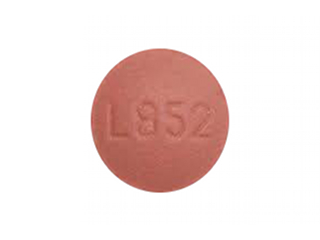


Ranitidine – Patient Information (UK)
Ranitidine is a medicine used to reduce stomach acid. It belongs to a group known as H2-receptor antagonists (H2 blockers). By lowering the amount of acid your stomach produces, it can help relieve symptoms such as indigestion and heartburn.
This page provides general, patient-friendly information about ranitidine, including how it works, how to take it, what to expect, possible interactions, and practical tips. Always follow the instructions on the product packaging and any advice from your healthcare professional.
Basic product information
| Category | Details |
|---|---|
| Active ingredient | Ranitidine |
| Medicine type | H2-receptor antagonist (acid-reducing medicine) |
| Common uses | Heartburn, indigestion, acid-related symptoms, prevention/treatment of certain ulcers |
| How it works | Blocks histamine H2 receptors in the stomach to reduce acid secretion |
| Availability in the UK | Availability may vary by brand/formulation and changing UK regulatory guidance |
Important UK context (availability and guidance)
Medicine guidance and product availability can change over time. In the UK, there has been ongoing regulatory review affecting ranitidine-containing products. Availability may be limited and some brands have been withdrawn or restricted at different times.
If you are considering ranitidine, it is best to check the current product listing on this pharmacy page and speak with a pharmacist if you are unsure whether it is appropriate or currently available in the form you need.
How ranitidine works (mechanism of action)
The stomach releases acid as part of digestion. One of the signals that stimulates acid production is histamine. Ranitidine works by blocking H2 receptors on the acid-producing cells in the stomach.
By reducing acid secretion, ranitidine can:
- Decrease the severity and frequency of heartburn
- Relieve indigestion symptoms linked to acid reflux
- Help promote healing in some acid-related conditions
Pharmacokinetics (how the body handles the medicine)
Absorption: Ranitidine is absorbed from the gastrointestinal tract after taking an oral dose. The extent of absorption may be influenced by factors such as food and the formulation used.
Distribution: It distributes through the body, including into tissues where acid regulation is relevant.
Metabolism: Ranitidine is metabolised in the body (primarily in the liver).
Elimination: Most of the medicine and its metabolites are removed from the body via the kidneys. Therefore, kidney function can affect how long it stays in your system.
Onset and duration: Many people notice symptom relief within about an hour, though the exact timing can vary depending on the condition and dose. Ranitidine is generally used to provide acid control for a period after each dose, which is why dosing schedules often involve once or twice daily regimens.
Typical use in the UK
Ranitidine has traditionally been used for symptoms related to excess or overly active stomach acid. Depending on the formulation and strength, it may be used for:
- Heartburn and acid reflux (symptoms such as burning in the chest, sour taste, or regurgitation)
- Indigestion (discomfort after meals associated with acid)
- Gastric and duodenal ulcers as part of treatment plans
- Prevention of ulcer recurrence in certain situations (as advised by a healthcare professional)
When to take ranitidine (timing)
Timing can affect how well it manages symptoms. A common approach for acid-related symptoms is to take ranitidine:
- Before meals if symptoms are linked to eating (for example, before breakfast or before dinner)
- At bedtime if night-time heartburn is a problem
For many people, taking it before the time you expect symptoms to begin helps control the acid response around meals and overnight. Always follow the specific dosing instructions for your product and strength.
Practical example timing (general)
- Morning heartburn/indigestion: take in the morning before breakfast (or as directed).
- Evening symptoms: take before dinner.
- Night-time reflux: take at bedtime, unless your advice says otherwise.
Food interactions
Ranitidine is an acid-reducing medicine, but the effect of food can vary from person to person. In general:
- If you take ranitidine with food, the timing of symptom relief may be less predictable.
- If you take it before meals, it may work more effectively for meal-related heartburn.
If your symptoms are mainly triggered after eating, consider taking your dose shortly before meals as advised. If your symptoms are more constant throughout the day, a different timing may be appropriate—ask your pharmacist.
Alcohol interactions
Ranitidine does not typically have a “direct” interaction with alcohol in the way that some medicines do. However, alcohol can worsen acid reflux and heartburn in many people by relaxing the valve between the oesophagus and stomach and by irritating the stomach lining.
If you experience reflux symptoms, it may help to:
- Limit alcohol, especially late in the evening
- Avoid large amounts at once
- Seek medical advice if symptoms persist
Interactions with other medicines
Because ranitidine reduces stomach acid, it can affect how some other medicines are absorbed. This is an important consideration if you take other drugs regularly.
Medicines that may be affected by stomach acidity
Acid-reducing medicines can change absorption of medicines that depend on low stomach acid. Examples of medicines where reduced acidity may matter include (this list is not exhaustive):
- Some antifungal medicines (e.g., ketoconazole, itraconazole)
- Certain antiviral medicines
- Drugs requiring an acidic environment for absorption
- Some medicines for iron deficiency or minerals (absorption may vary)
How to manage interactions
- If you take multiple medicines, check with a pharmacist for individual interaction advice.
- Keep a list of your current medicines and share it when you ask for help.
- If you are told to take medicines at specific times, follow that schedule carefully.
Non-prescription and herbal products
Interactions can also occur with over-the-counter products and herbal remedies. If you take supplements (especially those affecting stomach acid), ask a pharmacist for advice before combining them.
Indications: when ranitidine is used
Ranitidine is indicated for a range of acid-related conditions. In the UK, indications may differ depending on the product strength and formulation. Common indications include:
- Heartburn and acid indigestion (symptom relief)
- Peptic ulcer disease including duodenal and gastric ulcers
- Prevention of ulcer recurrence in certain patients
- Some protection strategies in specific medical contexts (as advised by healthcare professionals)
If you have persistent or severe symptoms, symptoms that wake you at night frequently, or you are concerned about ulcers, it’s important to seek medical advice promptly rather than relying on acid reduction alone.
Dosing: general information
Dosing depends on the specific product, strength, and the condition being treated. Always use the dose stated on your packaging or as advised by a pharmacist/clinician.
Common adult dosing patterns (general)
Typical regimens vary, but many acid-related treatment schedules follow one of these patterns:
- Once or twice daily dosing for symptom control
- Before meals and/or at bedtime for reflux linked to eating or night symptoms
Children and special populations
Dosing for children should only be based on a clinician/pharmacist’s advice and the product’s licensed guidance. If you are looking for paediatric dosing, speak to a pharmacist—age, weight, and product form matter.
If you have kidney problems, ranitidine may remain in the body longer. Your healthcare professional may recommend a lower dose or adjusted schedule.
How to take it
- Swallow tablets/capsules with water.
- Do not take extra doses to “catch up” if you miss one—follow the product instructions.
- Use consistently on the advised schedule for the duration recommended.
Safety profile: what to watch for
Like all medicines, ranitidine can cause side effects. Not everyone experiences them. Most people tolerate ranitidine well, but it is important to be aware of potential adverse effects.
Common side effects
- Headache
- Dizziness
- Constipation or diarrhoea
- Nausea
- Fatigue
Less common but important reactions
- Allergic reactions such as rash, itching, or swelling
- Breathing difficulties (seek urgent help)
- Unexplained bruising or unusual bleeding (get medical advice)
- Persistent abdominal pain or worsening symptoms
Seek urgent medical help if
- You have signs of a serious allergic reaction (swelling of face/lips, wheeze, severe rash)
- You experience severe or persistent symptoms (especially if you vomit blood or have black/tarry stools)
- You have trouble swallowing, unexplained weight loss, or persistent vomiting
These “red flags” can indicate conditions that require prompt assessment. Acid-reducing medicines may relieve symptoms but do not replace proper diagnosis.
Safety considerations and special situations
- Pregnancy and breastfeeding: Discuss use with a healthcare professional to weigh benefits and risks.
- Older adults: Side effects and kidney function should be considered; follow dosing advice carefully.
- Long-term use: If symptoms persist beyond a short course, seek medical advice to confirm the cause.
- Kidney or liver impairment: Dose adjustments may be needed.
Practical use tips for better results
- Know your trigger: Keep track of when symptoms occur (after certain foods, when lying down, or at night). This can help with timing your dose.
- Don’t rely on it alone: If you frequently need acid-reducing treatment, consider lifestyle measures and talk to a pharmacist or GP.
- Elevate your head at night: If night-time reflux is common, raising the head of the bed may help.
- Avoid large, late meals: Try not to eat within a few hours of bedtime if reflux is triggered.
- Choose reflux-friendly habits: Reducing spicy, fatty or acidic foods (as personal triggers) may help.
- Check other medicines: If you take medicines that may interact due to stomach acidity changes, get pharmacy advice.
Alternative options for acid-related symptoms
If ranitidine is not suitable or not available, there are other options for heartburn and acid indigestion. Which option is best depends on symptom severity, frequency, and underlying conditions.
Other medicine classes
- Antacids (e.g., calcium carbonate-based products): fast, short-acting relief for occasional symptoms.
- Alginate-based remedies: form a “raft” barrier that can reduce reflux, helpful after meals and before sleep.
- Proton pump inhibitors (PPIs) (e.g., omeprazole, lansoprazole): stronger acid suppression, often used for frequent or persistent symptoms and reflux conditions.
- Other H2 blockers: there may be alternatives depending on UK availability and current guidance.
Lifestyle measures that may reduce symptoms
- Maintain a healthy weight (if relevant)
- Limit alcohol and avoid smoking
- Wear clothing that doesn’t press on the abdomen
- Reduce late-night meals and keep meals smaller
- Identify and avoid personal dietary triggers
If symptoms occur frequently (for example, most days) or are worsening, it’s advisable to get medical advice to determine the cause and choose the most effective long-term approach.
Delivery and availability from a UK online pharmacy
Availability can vary based on brand, strength, and current regulatory status. When ordering online, you can usually choose from:
- Standard delivery options
- Express delivery options (where available)
- Store/collection options in some cases
Your order may be dispatched in accordance with stock availability. If an item is out of stock, some pharmacies can provide alternatives or advise on restocking times.
To ensure you receive the correct product, check that the strength and dosage form on the label match what you intend to use. If you are switching from one brand to another, it may be helpful to speak to a pharmacist to confirm dose equivalence where needed.
Recent guidance and regulatory notes (UK)
In recent years, regulatory bodies have reviewed ranitidine due to concerns about contamination with a related substance reported in some investigations. As a result, availability and usage guidance can change.
For current UK guidance, rely on authoritative sources such as the MHRA (Medicines and Healthcare products Regulatory Agency) and NHS information, or speak to a pharmacist for up-to-date advice.
If you already have ranitidine at home, do not use it beyond the expiry date. If the packaging includes specific warnings or withdrawal notices, follow those instructions.
FAQ
1) What is ranitidine used for?
Ranitidine is used to reduce stomach acid and relieve symptoms such as heartburn and indigestion. It has also been used for certain acid-related conditions including ulcers, depending on product and guidance.
2) How quickly does ranitidine work?
Many people notice symptom relief within about an hour. The timing can vary based on dose, individual factors, and whether it’s taken before meals.
3) Should I take it before or after food?
For meal-related symptoms, taking ranitidine shortly before food is often more effective. If your symptoms are mainly night-time, taking it at bedtime may help (follow your product guidance).
4) Can I drink alcohol while taking ranitidine?
There is no common direct drug–alcohol interaction, but alcohol can worsen reflux in many people. Limiting alcohol—especially in the evening—may improve your symptoms.
5) Are there any medicines I should avoid taking at the same time?
Stomach acid changes can affect absorption of some medicines. If you take other treatments regularly, ask a pharmacist to check for possible interactions—especially medicines where absorption depends on low acidity.
6) Who should be extra careful?
People with kidney problems, older adults, pregnant or breastfeeding individuals, and those taking multiple medicines should seek pharmacist advice to ensure the dose and timing are appropriate.
7) What side effects might I get?
Common side effects can include headache, dizziness, constipation or diarrhoea, nausea, and fatigue. Seek urgent advice if you have signs of a serious allergic reaction or worsening/severe symptoms such as vomiting blood or black stools.
8) What if my symptoms keep coming back?
Frequent or persistent heartburn should be reviewed by a healthcare professional. Recurrent symptoms may need a different approach, such as other acid-suppressing therapies or investigation of underlying causes.
9) What are good alternatives if ranitidine isn’t suitable?
Alternatives include antacids, alginate-based products, and proton pump inhibitors, depending on your symptom pattern. A pharmacist can help choose the right option for occasional versus frequent symptoms.
10) Is ranitidine available to buy online in the UK?
Availability can vary. If it is listed on this pharmacy site, you can typically order online according to the current stock and delivery options shown. If you can’t find it, ask for recommended alternatives.
Need more help?
If you are unsure which product is right for you, or if you have ongoing symptoms, contact a pharmacist. They can advise on choosing the best treatment for your situation and discuss safer timing and interactions with your medicines.