
Ranexa (Ranolazine) – Patient-Friendly Guide (UK)
Ranexa is a medicine containing ranolazine, used to help control symptoms of a heart rhythm and blood-flow condition known as angina. It may help reduce the frequency of chest pain episodes for some people, particularly when symptoms persist despite other treatments or when certain medicines are not suitable.
This page explains how Ranexa works, how it is used, what to expect, and the key safety considerations—written for patients in the United Kingdom.
Quick overview
- Active ingredient: Ranolazine
- Common reason for use: Long-term treatment of chronic angina (to help control symptoms)
- How it may feel: Fewer episodes of chest pain; improved exercise tolerance over time
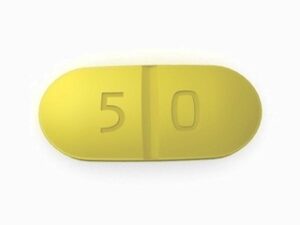
- Typical formulation: Usually available as extended-release tablets (modified release)
- Not for immediate relief: Not intended to stop an angina attack that is happening right now
What Ranexa is and how it fits into angina care
Angina is chest discomfort caused when the heart muscle does not receive enough oxygen, often due to narrowed coronary arteries. Many people use a combination of lifestyle measures and medicines to reduce the likelihood of symptoms.
Ranexa is used for chronic (long-term) angina. It may be offered when:
- Symptoms continue despite standard treatment, or
- Some standard medicines are not tolerated, or
- A healthcare professional thinks ranolazine is appropriate for your situation.
Important: Ranexa is not a “rescue” medicine for sudden chest pain. If chest pain occurs, you should follow the emergency advice given by your clinician and any 999 or local emergency guidance (and use the fast-acting angina medicine you’ve been prescribed for attacks, such as glyceryl trinitrate, if applicable).
Mechanism of action (how Ranexa works)
Ranolazine helps stabilise the way electrical signals are handled in the heart under conditions of reduced oxygen supply. Its main actions include:
- Inhibiting late sodium current (INaL): Ranolazine reduces an abnormal persistent sodium flow in heart cells. This can help normalise cell electrical activity and reduce stress during episodes of reduced blood supply.
- Improving myocardial energetics: By affecting ionic balance, it may improve how the heart uses energy during stress, helping reduce symptoms of angina.
- Effects on heart rhythm (QT interval): Ranolazine can cause a modest increase in the QT interval on an ECG. This is one reason careful review is needed when starting or increasing doses and when used with interacting medicines.
Overall, Ranexa is designed to reduce angina symptoms rather than widen blood vessels directly like some other treatments.
Indications (what Ranexa is used for)
In the UK, ranolazine is indicated for the treatment of chronic angina in adults. It is used to help improve exercise tolerance and reduce the frequency of angina attacks in people who continue to have symptoms despite treatment or who cannot use certain other options.
Your prescriber may choose it alongside other medicines used for angina and coronary artery disease, such as:
- beta-blockers
- calcium channel blockers
- nitrates
- other anti-anginal medicines
Typical dosing and timing
How to take Ranexa
- Ranexa is usually supplied as modified-release (extended-release) tablets, intended to release medicine gradually.
- Swallow tablets whole with water. Do not crush or chew unless your specific product instructions say otherwise.
- Try to take your dose at the same time each day to maintain steady levels.
Typical starting and maintenance dose (general guidance)
Dosing may vary based on your age, kidney/liver function, other medicines, and how you respond. A healthcare professional will set your exact dose.
| Common regimen (modified release) | Typical approach | Notes |
|---|---|---|
| Starting dose | Often 500 mg twice daily | Your clinician may start lower to improve tolerability. |
| Possible increase | Often 1000 mg twice daily | Not everyone will need or be able to reach higher doses. |
| Maximum dose | Up to 1000 mg twice daily (typical) | Maximums may be lower with interacting medicines or in certain health conditions. |
When will it work?
Some people notice benefit within days, but for many, symptom reduction takes several weeks. Keep taking it consistently. If you do not feel any improvement after an appropriate trial, speak to your clinician rather than stopping suddenly.
If you miss a dose
- If you miss a dose, take it when you remember
- Do not double up to make up for a missed dose.
Food interactions and absorption
Ranexa can be taken with or without food. However, your overall tolerance and side effects may be affected by meals in some people.
- Consistency helps: Try to take it in a similar way each day (for example, always with food or always at about the same time relative to meals).
- Avoid grapefruit products: Although the most important interactions are with certain medicines, grapefruit and grapefruit juice may increase exposure to some drugs in general—your pharmacist can advise specifically for your product and regimen.
Alcohol and medicine interactions
Alcohol
There is no single universal rule for alcohol with ranolazine, but alcohol can increase dizziness, worsen tiredness, and affect the heart’s rhythm indirectly (particularly in higher quantities). For safety:
- Keep alcohol moderate, and avoid binge drinking.
- If you notice light-headedness, palpitations, or unusual symptoms after drinking, consider avoiding alcohol and discuss this with a healthcare professional.
Important medicine interactions
Ranolazine is processed by liver enzymes and transport systems. Certain medicines can raise ranolazine levels, increasing the risk of side effects such as QT prolongation or dizziness.
Please tell your pharmacist or clinician about all medicines and supplements you take, including:
- prescription medicines
- over-the-counter products
- herbal remedies
Common interaction categories include:
- Strong CYP3A inhibitors (may significantly increase ranolazine levels): e.g. some antifungals and certain antibiotics—your pharmacist can provide a tailored list.
- Strong CYP3A inducers (may reduce ranolazine levels and effect): some treatments for infections or epilepsy.
- Medicines that prolong the QT interval (combined effect increases risk): some anti-arrhythmics, some antidepressants, some antipsychotics, and certain antibiotics.
- Other heart rhythm and blood-pressure medicines: interactions vary; monitoring may be needed.
Grapefruit and some herbal products may also interact by affecting liver enzymes. It’s best to ask before using them.
Pharmacokinetics (how the body handles Ranexa)
Pharmacokinetics describes how the medicine is absorbed, distributed, metabolised, and eliminated. Key points for ranolazine include:
- Absorption: Ranolazine is absorbed from the gastrointestinal tract. Because tablets are modified-release, absorption occurs gradually.
- Distribution: Ranolazine binds to plasma proteins and distributes into tissues.
- Metabolism: It is extensively metabolised in the liver, mainly through pathways involving the CYP enzyme system (particularly CYP3A).
- Elimination: Metabolites are eliminated primarily through the kidneys and to a lesser extent through the bile/faeces.
- Steady state: With twice-daily dosing, steady drug levels are reached after repeated dosing over several days.
These properties explain why interacting medicines can change effects and why dose adjustments or extra monitoring may be needed in liver or kidney impairment.
Safety profile: what to watch for
Common side effects
Many people tolerate Ranexa well, but side effects may occur. Commonly reported effects include:
- Dizziness or light-headedness
- Headache
- Nausea
- Constipation
- Feeling weak or tired
Serious side effects (seek urgent medical advice)
Contact urgent care or emergency services immediately if you develop:
- Fainting or severe dizziness
- Palpitations with feeling unwell, chest pain that is severe or different, or shortness of breath
- Symptoms of allergic reaction such as swelling of the face/lips, rash with breathing difficulty
Because ranolazine can affect electrical conduction, clinicians may monitor for rhythm-related issues, especially if you take interacting medicines.
Who needs extra caution?
Extra caution is often needed if you have:
- Kidney problems (dose adjustments may be required)
- Liver impairment (ranolazine may not be suitable or may require lower dosing)
- Existing rhythm disorders or a history of QT prolongation
- Use of medicines known to interact with ranolazine
Practical use tips (to get the best from Ranexa)
- Use a consistent routine: Taking it at the same times daily can help steady symptom control.
- Don’t stop abruptly: If you need to stop, do so only under advice from your healthcare professional.
- Be aware of dizziness: If you feel light-headed after starting or increasing the dose, avoid driving or operating machinery until you know how you respond.
- Keep an angina diary: Note episodes of chest pain (time, trigger, severity, how long they last). This helps your clinician judge whether the medicine is working.
- Know your rescue plan: Ranexa is not for instant relief. Ensure you understand what to do if chest pain occurs.
- Review your full medicine list: Especially antibiotics, antifungals, antidepressants, antipsychotics, and heart rhythm medicines.
- Request an ECG check if advised: Some patients benefit from ECG monitoring when starting or changing therapy.
Alternative options for chronic angina (UK context)
Angina treatment is individual. Alternatives may include:
- Beta-blockers (often first-line for symptom control)
- Calcium channel blockers (e.g., certain long-acting agents)
- Nitrates for symptom prevention and/or rapid relief during attacks
- Other anti-anginal medicines depending on your needs and local guidance
- Revascularisation procedures (angioplasty or bypass) for selected patients
- Lifestyle and risk-factor management: stopping smoking, diet changes, exercise plans (as advised), and optimisation of blood pressure and cholesterol
If you are asking about alternatives due to side effects or lack of benefit, speak with a clinician to discuss the safest option based on your heart rhythm, kidney/liver function, and current medicines.
Market and legal context in the United Kingdom
In the UK, medicines are regulated by the Medicines and Healthcare products Regulatory Agency (MHRA) and distributed under UK pharmaceutical standards. The availability and prescribing practices may vary by product classification, local formularies, and individual clinical need.
As with all medicines in the UK, Ranexa should be supplied through appropriate licensed channels and used according to the instructions provided by your healthcare team and the patient information leaflet (PIL).
Recent guidance note: Clinical recommendations for angina management in the UK (including use of anti-anginal therapies and risk management) are updated periodically in line with major cardiology guidance and local NHS formularies. For the most current advice, clinicians often refer to the latest national and regional guidance and consider patient-specific factors such as ECG findings and medicine interactions.
Delivery and availability (online pharmacy information)
Availability of Ranexa may vary depending on dose strength, tablet size, and supply levels. When ordering online in the UK:
- Check the strength and formulation before confirming your order (e.g., extended-release tablets, the dose per tablet).
- Order early during periods of high demand to avoid delays.
- Packaging: Medicines are typically supplied in manufacturer packaging and labelled for safe use.
Delivery times vary by the pharmacy, courier, and local region. Most reputable UK pharmacies offer tracked delivery options, and you should receive tracking or dispatch updates once your order leaves the pharmacy.
Frequently asked questions (FAQ)
Is Ranexa the same as nitroglycerin (glyceryl trinitrate)?
No. Ranexa is a daily long-term medicine for chronic angina control. Glyceryl trinitrate (or similar fast-acting nitrates) is typically used for instant relief during an angina attack. Ranexa is not intended for immediate symptom stopping.
How quickly will I feel better?
Some benefit may occur after starting, but many people require several weeks to judge the full effect on angina frequency and exercise tolerance. Keep taking it consistently and discuss progress at follow-up.
Can I take Ranexa with meals?
Generally, yes—Ranexa can be taken with or without food. Taking it consistently in relation to meals may help your comfort and side-effect pattern.
What if I get dizziness after starting Ranexa?
Dizziness is a known side effect. Avoid driving or hazardous tasks until you know how it affects you. Contact a healthcare professional if dizziness is severe, persistent, or you faint.
Can I drink alcohol while taking Ranexa?
Moderation is advisable. Alcohol may worsen dizziness and could affect heart rhythm indirectly. If you notice adverse effects after drinking, discuss with your clinician and consider avoiding alcohol.
Are there medicines I should not combine with Ranexa?
Some medicines can change ranolazine levels or increase rhythm-related risk. This includes certain antibiotics/antifungals, medicines that affect the QT interval, and some antidepressant/antipsychotic drugs. Always check with a pharmacist and keep your medication list up to date.
Does Ranexa require ECG monitoring?
Your clinician may arrange an ECG, particularly if you have a history of rhythm problems or if you are taking interacting medicines, or if your dose changes. Follow their advice.
What should I do if I miss a dose?
Take it when you remember unless it is close to the next dose. Do not double the dose.
Who should avoid Ranexa or use it with extra caution?
People with certain kidney or liver problems, existing rhythm/QT issues, or those taking interacting medicines may need extra caution or dose adjustments. Your healthcare professional will assess this before and during treatment.
Always follow the instructions provided with your specific Ranexa product and the advice of your healthcare team. If you have concerns about side effects, interactions, or your angina symptoms, speak to a pharmacist or clinician promptly.