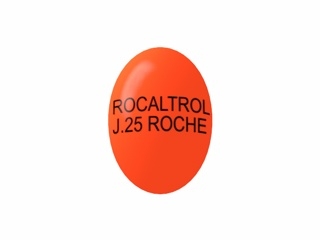

Rocaltrol (Calcitriol) — Patient Information
Rocaltrol contains calcitriol, the active form of vitamin D. It helps your body manage calcium and phosphate levels, which are essential for healthy bones, muscles, nerves, and heart function.
This guide is designed to be patient-friendly and UK-focused. It explains what the medicine does, how it works, how it’s usually taken, and important safety information. Always follow the instructions you receive from your healthcare professional.
Quick Product Summary
| Product | Details |
|---|---|
| Name | Rocaltrol |
| Active ingredient | Calcitriol |
| What it is | Active vitamin D (a vitamin D analogue) |
| Common role | Helps raise or stabilise calcium; helps manage phosphate |
| Typical forms | Oral capsules (strengths vary by product packaging) |
| Monitoring | Regular blood tests for calcium, phosphate and kidney-related markers may be needed |
How Rocaltrol Works (Mechanism of Action)
Calcitriol is the biologically active form of vitamin D. In the body, it works by binding to vitamin D receptors in the gut, bones, and kidneys, helping to regulate mineral balance.
Key actions include:
- Increasing calcium absorption from the intestines into the bloodstream.
- Supporting bone mineralisation by helping maintain appropriate calcium and phosphate levels.
- Influencing phosphate handling in the kidneys and gut (the exact balance depends on the underlying condition).
Because Rocaltrol is already active, it can be effective even when the body cannot convert vitamin D into its active form. This is one reason it may be preferred in certain medical situations.
Pharmacokinetics (How the Body Handles It)
While individual results vary, the general behaviour of calcitriol in the body is well understood.
- Absorption: After oral administration, calcitriol is absorbed through the gastrointestinal tract.
- Distribution: It circulates in the bloodstream and is carried by plasma proteins.
- Metabolism: Calcitriol is metabolised (broken down) in the body, primarily in the liver.
- Elimination: It and its metabolites are eliminated mainly through the biliary route and stools, with some contribution from urine.
- Onset and duration: Effects on calcium may be seen within days, but dose adjustment typically relies on blood test monitoring.
Due to its potency and risk of increased calcium levels (hypercalcaemia), medical supervision and laboratory monitoring are important.
Typical Uses of Rocaltrol
Rocaltrol is used to treat and prevent problems related to vitamin D deficiency or impaired vitamin D activation, particularly where active vitamin D is needed to correct calcium and phosphate imbalance.
Common indications may include:
- Hypocalcaemia (low blood calcium) in certain conditions, including hypoparathyroidism and related disorders.
- Hypoparathyroidism (where the body has low or absent parathyroid hormone activity), often requiring calcium and vitamin D support.
- Chronic kidney disease associated with reduced active vitamin D production (as determined by clinical assessment and blood tests).
- Rickets or osteomalacia due to impaired activation of vitamin D, in appropriate patients.
Your healthcare professional will decide whether Rocaltrol is suitable based on your diagnosis, blood results (especially calcium and phosphate), kidney function, and other treatments.
When to Take It (Timing and How to Use It)
Rocaltrol is taken by mouth. Your exact schedule depends on your condition, blood test targets, and response. Many patients take it once daily, while others may be prescribed different regimens.
Practical timing tips
- Try to take it at the same time each day to help maintain steady effects.
- If you take more than one dose per day, space doses evenly as advised.
- Use the dose exactly as directed, especially because calcitriol is potent.
If you forget a dose
If you miss a dose, take it as soon as you remember on the same day. If it is nearly time for your next dose, skip the missed dose and continue as normal. Do not take a double dose to make up for a missed one.
If you are unsure, contact your pharmacist or healthcare professional for advice.
Dose (Usual Dosing Principles)
Dose varies widely between individuals and depends on the condition being treated and how your body responds. Doses may be adjusted based on blood calcium levels and other relevant tests.
General dosing principles:
- Treatment often begins with a low dose and is adjusted gradually.
- Regular monitoring helps prevent overly high calcium levels.
- If you are also taking calcium supplements, the total calcium intake may be considered when setting the calcitriol dose.
Your prescription label (or the written instruction from your clinician) will state the exact strength and number of capsules to take. Do not change the dose yourself.
Food Interactions (Can You Take It With Meals?)
Food is generally not a major issue for calcitriol capsules, but to support consistent absorption and routine, taking it at a similar time each day is recommended.
Practical advice:
- You can usually take Rocaltrol with or without food.
- If your stomach feels sensitive, taking it with a light meal may help some people.
- Avoid sudden major changes in diet that dramatically alter calcium intake without discussing it with your clinician.
Alcohol Interactions
There is no common direct “alcohol–calcitriol” interaction that is reliably expected for most patients. However, alcohol can affect hydration, appetite, and overall health, which may indirectly influence how you feel and how other conditions (such as kidney problems) are managed.
Safer use tips:
- Keep alcohol intake moderate and consistent if you choose to drink.
- If you experience dizziness, weakness, or symptoms suggestive of high calcium (e.g., nausea, constipation, excessive thirst), seek medical advice promptly.
- If you have kidney disease or are at risk of dehydration, extra caution is advised.
Medicine Interactions (Important Examples)
Calcitriol can interact with other medicines through effects on calcium/phosphate balance or kidney handling. Always tell your healthcare professional and pharmacist about all medicines you take, including over-the-counter products.
Common interaction areas
- Calcium supplements and other vitamin D products: may increase the risk of high blood calcium when combined with calcitriol.
- Thiazide diuretics (e.g., hydrochlorothiazide): can raise calcium levels, potentially increasing hypercalcaemia risk.
- Digitalis/heart glycosides (e.g., digoxin): elevated calcium can increase the risk of heart rhythm problems.
- Magnesium-containing supplements or antacids: in people with kidney impairment, magnesium may accumulate, potentially causing side effects.
- Phosphate binders and phosphate-containing treatments: may alter phosphate balance; doses may need coordination.
- Cholestyramine or bile acid sequestrants: can reduce absorption of some fat-soluble vitamins; discussion with a clinician may be needed.
What to do about interactions
- Don’t start or stop supplements (including vitamin D or calcium) without checking first.
- Ask your pharmacist if any of your current medicines could affect calcium levels.
- Keep scheduled blood tests, as interaction risk often depends on results.
Indications and Clinical Situations
In clinical practice in the UK, Rocaltrol may be considered when active vitamin D is needed to treat or prevent abnormalities of calcium and bone metabolism, particularly where conversion of vitamin D to its active form is impaired or where parathyroid hormone is absent or insufficient.
Your clinician may use blood tests (calcium, phosphate, parathyroid hormone and markers of kidney function) to decide:
- whether Rocaltrol is appropriate,
- the starting dose,
- the target mineral levels, and
- how often you should be monitored.
Safety Profile (What You Need to Know)
Like all medicines, Rocaltrol can cause side effects. The most important risk is that it can lead to too much calcium in the blood (hypercalcaemia), especially if the dose is too high or monitoring is insufficient.
Possible side effects
Seek medical advice urgently if you develop severe or rapidly worsening symptoms.
- Symptoms of high calcium may include: nausea/vomiting, constipation, abdominal pain, unusual thirst, frequent urination, weakness, confusion, or fatigue.
- General symptoms can include headache, dizziness, or tiredness.
- Kidney-related concerns can occur if calcium levels become too high; you may notice changes in urination or feel unwell—report these promptly.
- Allergic reactions are rare but possible. Get urgent help if you experience swelling of the face/lips, trouble breathing, or widespread rash.
Who needs extra caution?
- People with kidney disease.
- People prone to high calcium or kidney stones.
- People taking multiple medicines that influence calcium/phosphate balance (e.g., thiazides, digoxin, calcium supplements).
- Older adults may be more sensitive due to changes in kidney function and medicine use.
Monitoring: why it matters
Regular blood tests help confirm that you are getting the benefit of treatment while avoiding excessive calcium. Follow-up frequency is determined by your clinician, your starting levels, dose, and medical condition.
Practical Use Tips (Getting the Best and Safest Results)
- Keep all appointments for blood tests and reviews.
- Stay consistent with your dose timing; don’t “double up” if you miss a capsule.
- Know the symptoms of high or low calcium so you can act quickly.
- Check labels on supplements: many multivitamins contain vitamin D or calcium.
- Discuss diet changes with your clinician, especially if you plan a major change in dairy intake or start a supplement such as calcium/vitamin D.
- Hydration matters, particularly if you have kidney problems—follow medical advice on fluids.
Alternative Options (Other Vitamin D Treatments)
Depending on your condition and blood results, your clinician may consider other forms of vitamin D or related treatments. Alternatives may include:
Common alternative options
- Cholecalciferol (vitamin D3): a commonly used form when activation is intact.
- Ergocalciferol (vitamin D2): used in certain situations.
- Alfacalcidol: an active vitamin D analogue used in some calcium/phosphate disorders.
- Supportive treatments such as calcium supplements and phosphate management medicines, tailored to the underlying cause.
Which option is best depends on why mineral balance is disrupted (e.g., kidney impairment, parathyroid hormone deficiency, absorption problems, or other bone disorders). Switching between options should be done only with medical guidance, because potency and monitoring needs differ.
Market and Legal Context in the UK
In the United Kingdom, medicines like Rocaltrol are regulated through the UK medicines framework and are supplied through authorised channels. Availability, packaging, and labelling may vary by manufacturer and supply route. Patients should ensure they receive genuine products from reputable providers.
Clinical use in the UK typically aligns with specialist prescribing practice, supported by national and local guidance on vitamin D management, chronic kidney disease mineral and bone disorder (CKD-MBD) principles, and endocrine/bone health recommendations.
Recent Guidance and Clinical Practice Notes
Ongoing UK practice generally emphasises:
- Individualised dosing based on blood calcium, phosphate, parathyroid hormone and kidney function.
- Safer monitoring to minimise risk of hypercalcaemia and related complications.
- Careful co-management with calcium supplements and phosphate-modifying therapies.
Local protocols in the NHS may vary for specific patient groups (such as CKD clinics and endocrinology services). Your clinician will apply the most appropriate strategy for your diagnosis and results.
Delivery and Availability (UK Online Pharmacy Information)
Rocaltrol may be available from online pharmacies depending on stock levels, manufacturer supply, and the specific capsule strength. Delivery options, dispatch times and eligibility can differ by supplier.
What to expect when ordering:
- You should receive confirmation of dispatch and tracking details if offered.
- Delivery times may vary—especially for medicines supplied from external logistics partners.
- Packaging should protect the product and include clear labelling.
- If a product strength is temporarily unavailable, reputable providers may contact you about alternatives or delivery dates.
If you have not received your medicine within the expected timeframe, contact the pharmacy’s customer service team promptly.
Storage (Keep It Safe at Home)
Follow the storage instructions on the outer carton or label. In general:
- Keep capsules in their original packaging.
- Store at the temperature stated on the label.
- Keep out of the sight and reach of children.
- Do not use after the expiry date shown on the pack.
FAQ: Rocaltrol (Calcitriol)
1) What is Rocaltrol used for?
Rocaltrol (calcitriol) is used to help manage calcium and phosphate balance in conditions such as hypocalcaemia, hypoparathyroidism and certain bone/mineral disorders—particularly when active vitamin D is needed.
2) How long does it take to work?
Some effects on mineral levels may begin within days, but dose changes are typically guided by regular blood tests. Your clinician will tell you when to check your levels.
3) Can I take Rocaltrol with food?
You can generally take it with or without food. For ease and routine, choose a time you can keep consistently.
4) What foods should I avoid?
There is no specific “avoid list” for all patients. However, large and sudden changes in calcium intake (including high-dose calcium supplements) should be discussed with your healthcare professional.
5) Is it safe to drink alcohol?
Moderate alcohol intake is not typically a direct interaction issue. However, alcohol can affect hydration and wellbeing, so seek advice if you have kidney disease or notice symptoms that could relate to high calcium.
6) What are the signs of high calcium?
Possible symptoms include nausea, constipation, abdominal pain, increased thirst, frequent urination, tiredness, weakness, or confusion. If you experience significant symptoms, contact a healthcare professional urgently.
7) Will I need blood tests?
Usually yes. Monitoring calcium (and often phosphate and kidney-related markers) helps ensure the dose is correct and reduces the risk of hypercalcaemia.
8) Can I take other vitamin D or calcium supplements?
Do not start or change supplements without medical advice. Taking additional vitamin D or calcium together may raise calcium levels too much.
9) What if I miss a dose?
Take it when you remember on the same day. If it is nearly time for the next dose, skip the missed dose. Do not take a double dose.
10) Are there alternatives to Rocaltrol?
Depending on your diagnosis, clinicians may consider other vitamin D preparations (such as cholecalciferol) or vitamin D analogues like alfacalcidol, along with calcium and phosphate management strategies. Only switch under clinical guidance.
11) Who should be extra careful with Rocaltrol?
People with kidney impairment, a history of kidney stones, or those taking medicines that affect calcium (such as thiazide diuretics) require extra attention and monitoring.
12) When should I seek urgent help?
Seek urgent medical help if you develop severe symptoms (such as confusion, persistent vomiting, severe weakness, or breathing/swelling problems) or if you suspect high calcium levels.
Important Note
This information is intended to help you understand Rocaltrol. It does not replace advice from a healthcare professional. If you have questions about your specific condition, dose, blood test schedule, or possible interactions with your medicines, speak with your GP, specialist, or pharmacist.