
Rogaine (Minoxidil) – Patient Guide (United Kingdom)
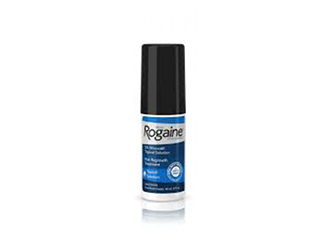
Rogaine is a widely used brand name for medicines containing minoxidil, a treatment for certain types of hair thinning. This guide explains what it is, how it works, how to use it, what to expect, and the key safety considerations—tailored for people in the UK.
Quick overview
- Active ingredient: Minoxidil
- Common forms in the UK: Topical solution and topical foam (often available in different strengths depending on product)
- Main use: Help to regrow hair and thicken existing hair in suitable causes of hair loss
- How long it takes: Results typically take at least 3–6 months; continued use helps maintain effects
- Important note: Not all hair loss is suitable for minoxidil—see “Indications” below
Basic product information
Rogaine contains minoxidil designed for topical use on the scalp. It is used to treat hair thinning associated with certain conditions, most commonly male-pattern hair thinning and (in appropriate products/strengths) female-pattern hair thinning.
In the UK, Rogaine and other minoxidil products are available through online pharmacies and, depending on the specific product, retail channels. Availability and exact strengths can vary over time.
How minoxidil works (mechanism of action)
Minoxidil’s primary benefit in hair regrowth is believed to involve its effects on the hair growth cycle. Hair growth happens in phases (growth, rest, shedding). In androgenetic alopecia (pattern hair thinning), the growth phase becomes shorter over time.
- Prolongs the anagen (growth) phase: Minoxidil may help hairs stay longer in the growth stage.
- Improves follicle activity: It can increase the activity of hair follicles, helping produce thicker hairs.
- May increase blood flow locally: Minoxidil is a vasodilator. When applied topically to the scalp, it is thought to support follicle function.
- Does not “cure” the underlying tendency: Ongoing use is usually needed to maintain results.
Hair loss is often progressive. Minoxidil helps manage the condition for suitable users rather than providing an immediate reversal.
Pharmacokinetics (absorption, metabolism, and elimination)
Because Rogaine is applied to the scalp, most of the key pharmacokinetic information relates to how much enters the bloodstream. Minoxidil absorption is generally limited when used as directed, but some systemic absorption can occur.
- Absorption: Systemic absorption through the scalp is typically low, but it may increase if:
- you use more than directed
- the scalp is inflamed or irritated
- you apply to damaged skin
- large areas are treated
- Distribution: Minoxidil can circulate systemically if absorbed.
- Metabolism: Minoxidil is metabolised mainly in the liver.
- Elimination: Metabolites are excreted primarily via the kidneys.
If you have concerns about other medical conditions (especially heart or blood pressure problems), speak to a healthcare professional for personalised advice. This is particularly important if you might be sensitive to medicines that can affect the cardiovascular system.
Typical use and who it may help
Indications (who it’s for)
Rogaine/minoxidil is indicated for hair regrowth and thinning reduction in:
- Male-pattern hair thinning (androgenetic alopecia), typically at the crown and/or frontal areas depending on product guidance
- Female-pattern hair thinning (in women, where an appropriate product is used and according to local product instructions)
Minoxidil is not expected to work for all causes of hair loss. It may be less effective for hair shedding due to:
- rapid shedding from stress, illness, or nutritional deficiency
- scalp infections or inflammatory scalp conditions
- traction alopecia (hair loss from tight hairstyles)
- certain autoimmune conditions
Timing: when to expect changes
Hair growth is slow. It’s normal to take time to notice improvement.
- Early shedding: Some people experience temporary increased shedding in the first few weeks (often as older hairs shed and new growth begins).
- Visible change: Many users notice changes around 3–6 months.
- Best results: Improvement may continue for up to 12 months with consistent use.
- Maintenance: Effects generally diminish if you stop treatment.
Dosing: how to use Rogaine correctly
Dosing depends on the exact Rogaine product (solution vs foam, and strength). Always follow the instructions supplied with your specific pack. Below is a practical overview consistent with typical minoxidil topical regimens.
Typical adult dosing (general)
- Frequency: Often once daily or twice daily depending on the product/strength and local instructions.
- Amount: Use the stated measured dose (e.g., a capful/measure or number of foam applications), without exceeding the recommended daily total.
- Application method: Apply to the scalp where thinning occurs, not to the hair strands.
How to apply (step-by-step)
- Start with a dry scalp (unless your pack instructions specify otherwise). If your scalp is wet, allow it to dry.
- Section the hair so you can apply directly to the scalp.
- Apply the measured amount to the thinning areas.
- Gently massage with fingertips as directed to spread the product over the target areas.
- Wash your hands thoroughly after application.
- Allow to dry before dressing or styling.
If you accidentally get the medicine on other body areas (face, eyes, hands), rinse promptly with water.
How long to use
- Try to use it consistently for at least 6 months before judging effectiveness.
- If you want to stop, expect gradual loss of regrown/thickened hair over time.
Timing details: best moments of the day
A consistent routine improves adherence. Many users prefer:
- Morning and/or evening depending on whether the product is once- or twice-daily.
- Choosing a time you can maintain daily without missing doses.
Avoid applying right before lying down if your product instructions indicate you should—this can help reduce transfer to bedding and skin. If you apply at night, ensure the product is fully dry first.
Food interactions
Because Rogaine is applied to the skin, food interactions are not generally expected. Minoxidil is not taken by mouth in typical Rogaine use, and dietary changes are not usually required.
If you have a complex medical history or are using other treatments that involve the cardiovascular system, discuss your overall plan with a healthcare professional.
Alcohol and medicine interactions
Alcohol (topical use)
The Rogaine solution/foam may contain ingredients that can feel drying or irritating on the scalp for some users. Alcohol itself is not usually a “direct” interaction with minoxidil in topical use, but:
- If alcohol-containing styling products are used on the scalp, they may increase irritation for some people.
- Allow minoxidil to dry fully before applying hair products.
Interactions with other medicines
Systemic absorption is usually low when applied correctly; however, interactions are still possible, especially if minoxidil enters the bloodstream. Tell a healthcare professional if you are using:
- Other blood pressure medicines (minoxidil is a vasodilator; additive blood pressure-lowering effects are theoretically possible)
- Diuretics (“water tablets”)
- Other medicines that affect blood pressure or heart rate
You should also exercise caution with:
- Any medication that causes skin sensitivity or irritation at the application site
- Other scalp treatments (e.g., strong steroid lotions, keratolytics, or intense exfoliants) unless your healthcare professional confirms compatibility
If you experience symptoms such as dizziness, fainting, chest pain, unusual palpitations, or sudden swelling, stop use and seek urgent medical advice.
Safety profile and side effects
Most people tolerate topical minoxidil well when used as directed. Side effects are usually local and mild, but some systemic effects are possible. Always read the patient information leaflet included with your pack.
Common local side effects
- Scalp dryness or flaking (dandruff-like)
- Itching or irritation
- Redness
- Burning or discomfort at application site
- Temporary increased shedding early in treatment
Less common but important systemic effects
Seek medical advice promptly if you experience signs that could suggest systemic absorption or cardiovascular effects:
- Fast heartbeat (palpitations)
- Dizziness or light-headedness
- Swelling of hands/feet (fluid retention)
- Shortness of breath
- Chest pain
Allergic reactions
Stop using Rogaine and obtain medical advice urgently if you develop:
- face/lip swelling
- breathing difficulties
- severe rash or widespread hives
Who should be extra cautious
- People with a history of heart disease or uncontrolled blood pressure
- People with scalp conditions (e.g., severe dermatitis) should get medical guidance before starting
- Anyone using other medications that can affect the cardiovascular system
- Pregnancy or breastfeeding—get professional advice before use (product-specific guidance applies)
Practical use tips (to get the best results)
- Consistency matters: Missing doses reduces effectiveness. Try to keep a daily routine.
- Apply to the scalp, not just hair: The active area is where the follicles sit.
- Be patient with the timeline: Results usually take months. Don’t stop after only a few weeks.
- Use after the scalp is clean and dry: This can improve contact with the scalp.
- Avoid over-application: More isn’t better and can raise the risk of side effects.
- Manage scalp irritation: If you develop significant flaking or irritation, consider speaking to a clinician; switching from solution to foam (or vice versa) may help some people.
- Keep away from eyes and face: Wash hands after use and avoid touching your eyes.
- Give it time to dry: This reduces transfer to pillows, collars, and facial skin.
What to do if you miss a dose
- Apply it when you remember unless it’s close to the next dose.
- Do not double the dose to catch up.
Alternative options for hair thinning
Depending on the cause of hair loss and your goals, other treatments may be considered. Options differ for men and women and depend on pattern, severity, and scalp health.
Possible alternatives (discussion with a healthcare professional recommended)
- Other topical minoxidil products: Different formulations or strengths may be available.
- Oral medications: Some systemic options are used for androgenetic alopecia, but require careful assessment due to potential side effects.
- Laser therapy: Some devices are marketed for hair regrowth; evidence varies and may not suit everyone.
- Hair transplant surgery: Suitable for selected cases; involves specialist evaluation.
- Scalp treatments for non-pattern hair loss: If shedding is due to inflammation, infection, or nutrient deficiency, those causes should be addressed first.
If you’re unsure what type of hair loss you have, it can help to have a clinician or dermatologist assess your scalp and hair pattern before choosing a treatment.
UK market and legal context (high-level)
In the UK, medicines are regulated under the Medicines and Healthcare products Regulatory Agency (MHRA) and follow specific guidance around classification, supply, and labelling. Topical minoxidil products used for hair thinning are available through channels that may include online pharmacies and certain retail outlets, depending on the specific product’s classification and packaging.
The exact brand availability (including Rogaine pack sizes and strengths), supply rules, and labelling requirements can change. Always use the product that matches the instructions for your intended use.
Recent guidance and practical considerations
- Adherence to product instructions: UK consumer guidance consistently emphasises using topical medicines exactly as directed.
- Scalp health: Managing irritation and avoiding application to damaged skin is repeatedly highlighted across patient leaflets and safety materials.
- Time to effect: Public-facing guidance continues to stress that visible improvement takes months.
Delivery and availability in the UK
Rogaine/minoxidil is commonly available through online pharmacies in the UK. Delivery options typically include standard and express post, and dispatch times can vary by supplier and stock level.
- Check product details: Confirm whether you’re selecting solution or foam and the strength (as directed on the pack).
- Packaging: Ensure the pack includes the leaflet and the correct measured applicator.
- Storage: Store as directed on the packaging (keep away from heat and out of reach of children).
If you’re switching from one minoxidil formulation to another (solution ↔ foam or different strengths), consider whether you need to adjust to the new dosing instructions. Your specific product leaflet should always be your primary reference.
FAQ
1) How long does it take Rogaine to work?
You typically need to use Rogaine for at least 3–6 months to see noticeable changes, and up to 12 months for the best results. Early shedding can occur in the first few weeks.
2) Will Rogaine stop my hair loss?
For suitable types of hair thinning, Rogaine may help reduce further thinning and support regrowth. However, results vary. If you stop treatment, the effect usually fades over time.
3) Should I use it if I have dandruff or an irritated scalp?
If your scalp is inflamed or severely irritated, it’s best to seek advice before starting. Minoxidil can worsen irritation for some people. Treating the scalp condition first often helps.
4) Can I use Rogaine with hair dye or styling products?
Yes, but wait until minoxidil has fully dried before using hair styling products or applying dye. Some hair products can irritate the scalp; if you notice increased burning or flaking, pause and seek advice.
5) What if I get more shedding at the start?
Temporary increased shedding can happen and doesn’t always mean the treatment isn’t working. Many people continue and see improvement after a few months. If shedding is severe or accompanied by strong scalp irritation, stop and get medical advice.
6) Can women use Rogaine?
Some minoxidil products are indicated for women with hair thinning patterns, but suitable use depends on the product and dosing instructions. Check your specific pack leaflet and consider professional advice if you are unsure.
7) Is it safe for long-term use?
Many users continue long-term to maintain results. Long-term safety depends on correct use and your health profile. If you have concerns or develop side effects, speak to a healthcare professional.
8) Can I apply Rogaine to a beard or other areas?
Rogaine is intended for scalp hair thinning. Applying it to other body areas should only be done if clearly supported by product instructions or professional advice.
9) Can I drink alcohol while using Rogaine?
There is no well-known direct interaction with alcohol for topical minoxidil as used for hair thinning. However, alcohol-containing styling products and general scalp irritation can affect comfort. Also, consider your overall health and any other medicines you take.
10) What should I do if I accidentally apply too much?
Don’t exceed the recommended dose. If you’ve applied significantly more than directed or develop symptoms such as dizziness, palpitations, chest pain, or swelling, seek urgent medical advice.
Summary
Rogaine (minoxidil) is a topical hair thinning treatment used to support regrowth and help thicken hair in suitable types of pattern hair loss. It works gradually by influencing the hair growth cycle. The key to success is correct application, patience, and consistent long-term use. If you experience significant scalp irritation or possible systemic side effects, stop and seek medical advice.
| Topic | What to know |
|---|---|
| Active ingredient | Minoxidil |
| Where to apply | To the scalp where thinning occurs |
| When to use | Once or twice daily (depends on the specific product strength) |
| First signs of change | Often 3–6 months; may take up to 12 months |
| Early shedding | May happen temporarily during the first weeks |
| Common local side effects | Dryness, itching, flaking, redness |
| Important safety checks | Seek advice for chest pain, palpitations, dizziness, breathing issues, or swelling |