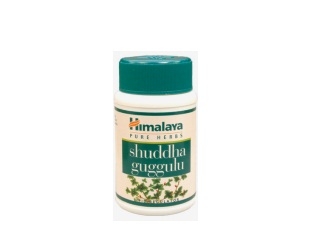

Shuddha Guggulu (Pure Guggulu) – Ayurvedic Herbal Supplement (UK)
Shuddha guggulu is a traditional Ayurvedic formulation made from Shuddha Guggulu resin (purified guggulu). It is widely used in India and increasingly across the UK as a natural wellness option that supports healthy joints, comfort, and metabolic balance.
This page provides patient-friendly information about what Shuddha guggulu is, how it may work, how to take it, common uses, safety considerations, and practical guidance—tailored for customers in the United Kingdom.
Quick Product Information
- Product name: Shuddha Guggulu (Purified Guggulu)
- Type: Ayurvedic herbal supplement
- Common form: Tablets, capsules, or resin-based preparations (varies by brand)
- Key ingredient: Purified guggulu resin (Commiphora mukul source)
- What it’s commonly used for: Joint comfort, healthy lipid metabolism, and general vitality support
- Typical use style: Daily course alongside diet and lifestyle
Note: The exact composition, dose per serving, and excipients depend on the brand and product format. Always check your pack for the specific strength and recommended serving instructions.
What Is Shuddha Guggulu?
Guggulu refers to a resinous secretion obtained from Commiphora mukul. Traditional processing includes purification (“shuddha” meaning “purified”) to remove impurities and improve suitability for use. Shuddha guggulu is typically standardised and prepared in forms like tablets or capsules to support consistent daily intake.
In Ayurveda, guggulu preparations are traditionally used for conditions associated with “kapha” and “ama” (concepts used in Ayurvedic diagnosis). In modern terms, many people use it to support:
- Joint comfort
- Healthy metabolic markers (including lipid-related wellness)
- Overall inflammatory balance
How Shuddha Guggulu May Work (Mechanism of Action)
While herbal mechanisms are complex and not identical to single-drug pharmaceuticals, laboratory and clinical research suggests several potential biological actions relevant to the traditional uses.
Key proposed mechanisms include:
- Lipid-metabolism support: Guggulu constituents are thought to influence pathways involved in lipid handling, which may contribute to wellness goals related to cholesterol and triglycerides.
- Anti-inflammatory activity: Certain compounds (such as guggulsterones) may affect inflammatory signalling pathways, which can be relevant for joint comfort.
- Antioxidant effects: The resin may support antioxidant balance by helping reduce oxidative stress in the body.
- Metabolic and hormonal pathway interactions: Some research points to interactions with receptors involved in metabolism (including thyroid-related pathways). This is an important consideration for people with thyroid conditions.
What this means for you: Shuddha guggulu is typically used as a supportive supplement for longer-term wellness rather than for immediate symptom relief.
Pharmacokinetics (Absorption, Distribution, Metabolism, Excretion)
Pharmacokinetics describes what the body does to a substance—how it is absorbed, metabolised, and eliminated. For herbal products, detailed pharmacokinetic profiles can vary by:
- brand and standardisation
- processing method
- dose strength and formulation (tablet vs capsule)
- presence of other ingredients (in multi-ingredient products)
General pattern (approximate and may vary):
- Absorption: Active resin constituents are likely absorbed through the gastrointestinal tract, but oral bioavailability may be limited and can vary between individuals.
- Metabolism: Herbal constituents are generally metabolised in the liver and possibly other tissues through common detoxification pathways.
- Excretion: Metabolites are typically eliminated via bile and/or urine depending on the compound and metabolism.
Practical takeaway: To support consistent results, many users take Shuddha guggulu daily for a course (for example, several weeks to a few months) while maintaining diet and lifestyle changes.
Typical Use and Indications (Common Goals)
In the UK market, Shuddha guggulu is commonly positioned as a traditional herbal supplement supporting:
- Healthy joint function and comfort
- Metabolic balance, often including lipid-related wellness goals
- Seasonal vitality and general wellbeing (depending on brand guidance)
Important: You should not treat Shuddha guggulu as a cure for disease. If you have a medical condition (especially thyroid disease, liver problems, or a history of autoimmune disorders), discuss suitability with a healthcare professional.
How to Take It (Dosing and Timing)
Because products differ, always follow the dosing instructions on your specific label. Below is general guidance commonly used for guggulu-based supplements.
Typical adult dosing (general guidance)
- Often used range: 1–2 times daily
- Common course length: Several weeks to a few months, depending on goals and tolerance
Example timing (may vary by brand): many people choose morning and evening, or as directed on the package. Some prefer taking it with meals to reduce any potential stomach discomfort.
Timing with daily routine
- For consistency: take at similar times each day.
- If you get mild digestive sensitivity: take with food.
- If you’re taking other supplements: leave a small time gap (about 1–2 hours) when possible.
What to expect: Support for joint comfort or metabolic wellness typically develops gradually. Many users reassess after 4–8 weeks.
Food Interactions and What to Eat/Avoid
For many herbal supplements, food can affect absorption and tolerance.
General food guidance
- Taking with meals: often helps minimise gastrointestinal discomfort.
- Consistency matters: try to take it the same way each day (with or without food) to maintain predictable routine.
Potentially relevant dietary considerations
- Fatty meals: resin constituents may dissolve with dietary fat; however, evidence is not definitive for all products. If you notice changes in tolerance, adjust timing with meals.
- Grapefruit: While not specific to guggulu, grapefruit can influence liver enzymes that metabolise many compounds. If you frequently consume grapefruit, consider spacing timing and consult a clinician if you take medicines.
Practical tip: Keep a short diary for the first 1–2 weeks—what you ate, timing, and any symptoms—to find what works best for you.
Alcohol and Medicine Interactions
Alcohol: There are no universally defined direct interactions between shuddha guggulu and alcohol, but both can affect the liver and digestion. To reduce risk and support safety:
- Limit alcohol during your course, especially if you’re prone to reflux or have liver concerns.
- If you drink alcohol regularly, consider asking a healthcare professional about suitability.
Interactions with medicines (important)
Herbal products can interact with medicines through metabolism in the liver, effects on hormone-related pathways, or additive effects on inflammation and immune function. Speak to a healthcare professional if you take any of the following:
- Thyroid medications (such as levothyroxine) or if you have hyperthyroidism/hypothyroidism
- Cholesterol-lowering medicines (e.g., statins, fibrates, bile acid resins)
- Blood thinners (e.g., warfarin)
- Immunosuppressant medicines
- Medicines affecting liver enzymes (a wide range of drugs)
Why this matters: Shuddha guggulu has been studied for lipid-related support and may influence hormonal/metabolic pathways. The combination of herbal constituents with prescription medicines should be managed carefully.
Safety rule: Do not start Shuddha guggulu while changing thyroid or lipid medicine doses unless supervised.
Safety Profile and Possible Side Effects
Shuddha guggulu is generally used as a traditional supplement. However, as with any herbal product, individual reactions can occur.
Possible side effects
- Digestive discomfort: nausea, stomach upset, or loose stool in some users
- Skin changes: rash or sensitivity (rare)
- Headache (uncommon)
- Changes related to thyroid signalling: if you have thyroid conditions, you may be more sensitive to metabolic-hormone pathway effects
Who should be extra cautious
- Pregnancy and breastfeeding: avoid unless specifically advised by a qualified healthcare professional.
- Thyroid disease or strong family history of thyroid problems
- Liver disease or abnormal liver function tests
- Autoimmune conditions (discuss before use)
- Children: use only if a healthcare professional recommends it for age and condition.
When to stop and seek help
- Severe allergic reaction symptoms (swelling of face/lips, trouble breathing)
- Persistent vomiting, severe abdominal pain, or signs of liver issues (e.g., yellowing eyes/skin, dark urine)
- Worsening thyroid-related symptoms (e.g., palpitations, unexplained weight change, heat intolerance)
Keep in mind: This supplement page is not a substitute for personalised medical advice.
Practical Use Tips (Best Practices)
- Start gradually: If you’re new, begin with the lowest label dose and monitor tolerance.
- Take consistently: routine helps you evaluate effects over time.
- Choose a reputable brand: look for standardisation details, batch testing, and clear ingredient lists.
- Track your response: note joint comfort, digestive comfort, energy, and any unusual symptoms.
- Use with lifestyle support: for joint comfort—gentle activity, stretching, adequate sleep, and weight management can make a significant difference.
- For lipid/metabolic goals: pair with a heart-healthy diet (fibre-rich foods, reduced ultra-processed foods) and regular exercise.
Storage: Keep in a cool, dry place away from direct sunlight, tightly closed after opening. Follow the pack instructions.
Alternative Options
If Shuddha guggulu doesn’t suit you, consider other supportive approaches depending on your main goal:
For joint comfort and inflammatory balance
- Curcumin (turmeric extract)
- Boswellia serrata (frankincense extract)
- Omega-3 fatty acids (fish oil or algae-based)
- Glucosamine / chondroitin (evidence varies by person)
For lipid/metabolic wellness
- Psyllium husk (fibre that may support cholesterol management)
- Plant sterols/stanols
- Omega-3 fatty acids (triglyceride-focused effects for some people)
For thyroid-sensitive users: If you have thyroid disease or take thyroid medication, it’s especially important to check interactions before choosing alternatives, too.
UK Market and Legal Context (What This Means for Customers)
In the United Kingdom, herbal supplements such as Shuddha guggulu are typically sold as food supplements or traditional herbal products, depending on claims, composition, and compliance requirements.
Key customer-facing points:
- Claims: You may see “helps support” style wording. Medical disease claims are regulated.
- Labelling: Products should include ingredient lists, quantity per serving, suggested use, warnings, and standardised information where applicable.
- Safety and quality: Reputable brands use quality controls and batch testing to reduce contamination risk.
- Novel food and regulatory requirements: Depending on how a product is positioned and what ingredients are present, regulatory assessment may apply.
Recent guidance: In recent years, the UK/EU regulatory focus has included stricter scrutiny of supplement marketing claims, quality/contaminant testing, and clearer labelling. Always choose products with transparent labelling and third-party testing where available.
Delivery and Availability in the United Kingdom
Availability depends on stock levels and the brand’s supply chain. Shuddha guggulu is commonly available through online pharmacies and supplement retailers that ship within the UK.
What you can expect
- Delivery times: typically 2–5 working days after dispatch for UK mainland orders, depending on the courier and service level.
- Packaging: discrete packaging is commonly used for online orders.
- Tracking: many shipments include tracking information via email.
- Availability: may vary during peak seasons or if batch supplies are limited.
Shipping notes: If you’re ordering multiple items, dispatch may be split into separate parcels depending on warehouse availability.
FAQ – Shuddha Guggulu
1) What is Shuddha guggulu used for?
It is commonly used as a traditional herbal supplement to support joint comfort and metabolic wellness goals (often including lipid-related wellbeing). It is not intended to replace medical care for diagnosed conditions.
2) How long does it take to work?
Some users notice digestive comfort changes sooner, but support for joint and metabolic goals usually develops gradually. Many people reassess after 4–8 weeks. Individual response varies.
3) Can I take Shuddha guggulu every day?
Many products are designed for daily use as directed on the label. If you have any medical conditions, are on long-term medicines, or have thyroid concerns, seek personalised advice before daily long-term use.
4) Should I take it with food?
Many people take it with meals to support tolerance. Follow your product label. If you get any stomach upset, taking with food can help.
5) Is Shuddha guggulu safe for everyone?
Not necessarily. Extra caution is advised for people with thyroid conditions, liver problems, pregnancy/breastfeeding, children, or those taking interacting medicines. See the safety section on this page.
6) Can it interact with thyroid medication?
Potential interactions are a key concern for guggulu because of possible effects on metabolism/hormone-related pathways. If you take thyroid medicines, consult a healthcare professional before use and avoid dose changes without guidance.
7) Can I drink alcohol while taking it?
Moderation is advised. Alcohol may increase stress on digestion and the liver. If you drink regularly or have any liver concerns, discuss with a clinician first.
8) What if I miss a dose?
Take it when you remember if it’s close to your next scheduled dose. If it’s nearly time for the next dose, skip the missed dose—don’t double up.
9) How should I choose a reliable product?
Look for clear labelling, ingredient transparency, standardisation details where provided, reputable quality controls, and consistent manufacturing. Avoid products with vague dosing or missing warnings.
10) What are good alternatives if I don’t tolerate it?
Depending on your goal, alternatives might include curcumin, omega-3, or psyllium/plant sterols for lipid-related wellbeing. Always consider your medical conditions and other medicines.
Product Information Table (Typical Overview)
| Category | Details |
|---|---|
| Ingredient | Purified guggulu resin (Shuddha Guggulu; source typically Commiphora mukul) |
| Common form | Tablets or capsules (varies by brand) |
| Common wellness goals | Joint comfort; metabolic/lipid-related wellbeing; inflammatory balance support |
| How to take | Follow label directions; often 1–2 times daily; with food if sensitive |
| Time to assess | Typically 4–8 weeks for noticeable wellness changes (varies) |
| Food considerations | Taking with meals often improves tolerance; keep routine consistent |
| Alcohol | Moderation recommended; consider avoiding if you have liver concerns |
| Important interactions | Extra caution with thyroid medication and cholesterol-lowering medicines; discuss with a professional if unsure |
| Safety notes | May cause digestive upset in some users; avoid in pregnancy/breastfeeding unless advised; caution with liver/thyroid conditions |
Final note: If you are pregnant, breastfeeding, have a medical condition (especially thyroid or liver problems), or take regular medication, please check suitability with a qualified healthcare professional before starting Shuddha guggulu.