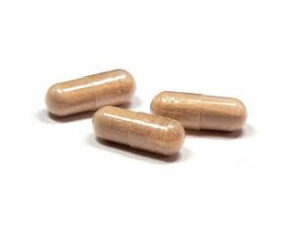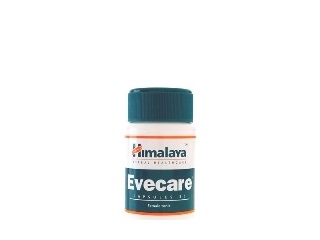


Evecare (Evecare) — Patient-Friendly Guide (UK)
Evecare is a medicine used in the UK to help treat specific medical conditions. This guide explains what it is, how it works, how it’s typically taken, and what you should know about safety, interactions, and practical use. Always follow the advice given by your healthcare professional and read the patient information leaflet supplied with your medicine.
Note: “Evecare” may be supplied in different strengths or formulations depending on the product presentation available in the UK. Check the packaging for your exact strength and form.
1) Basic product information
| Feature | What to expect |
|---|---|
| Medicine name | Evecare |
| Common presentation | Tablets/capsules or similar oral form (confirm on your pack) |
| How it’s taken | By mouth, usually at set times each day (per your instructions) |
| Who it’s for | Adults and/or specific age groups as indicated by the product information |
| UK availability | Available through UK pharmacy channels, subject to clinical need and supply |
2) What Evecare is used for (indications)
Evecare is used to treat certain conditions. In the UK, the exact approved uses (“indications”) depend on the active ingredient and formulation. For safe, accurate information, please check the leaflet in your box or the listing for your specific product strength.
In general terms, medicines marketed for specific indications are prescribed or recommended when:
- Symptoms require medical treatment beyond lifestyle measures alone
- Your clinician has confirmed that Evecare is appropriate for your diagnosis
- Other treatments may not be suitable due to effectiveness, tolerability, or interactions
Seek medical advice promptly if symptoms worsen, new symptoms develop, or you are unsure whether your condition matches the intended use.
3) How Evecare works (mechanism of action)
The mechanism of action describes how Evecare produces its effect in the body. The mechanism depends on the active ingredient within Evecare.
While you should confirm the exact mechanism for your particular formulation, most medicines in this category work by one or more of the following general principles:
- Targeting a specific biological pathway involved in the condition
- Reducing abnormal cell activity or inflammation-related processes
- Modifying hormone, immune, or enzyme-related effects that contribute to symptoms
If you’d like, you can check your pack for the active ingredient name and strength; your leaflet will describe the mechanism in detail. If you don’t have the leaflet to hand, contact a pharmacist before starting.
4) Pharmacokinetics: absorption, distribution, metabolism, and excretion
Pharmacokinetics explains what happens to a medicine in the body after you take it. The most important points for patients are absorption (how quickly it enters the bloodstream), distribution (where it travels), metabolism (how the body processes it), and excretion (how it leaves the body).
Exact values vary by formulation and active ingredient, but common factors affecting pharmacokinetics include:
- Absorption: how efficiently the medicine is absorbed through the digestive system
- Food effects: whether meals increase or decrease absorption
- Metabolism: how the liver processes the medicine (often via specific enzyme systems)
- Excretion: how the medicine is removed (typically kidneys and/or bile)
Why this matters for you:
- You may need to take Evecare at a consistent time each day.
- Some medicines require special instructions with food or timing to ensure proper absorption.
- People with liver or kidney impairment may need adjusted dosing; always seek clinician guidance.
5) Typical timing and how to take Evecare
Follow the dosing instructions provided on your prescription label and the leaflet. If you’re buying through an online pharmacy, the website information should match your product pack and clinician plan.
In many cases, Evecare is taken:
- Once daily or twice daily (as directed)
- At the same times each day to maintain steady levels
- With or without food depending on the product’s guidance
Practical example: If your instructions say “twice daily,” it can help to choose times that suit your routine, such as morning and evening, and keep them consistent.
How to swallow
- Swallow tablets/capsules with water.
- Do not crush, break, or chew unless the leaflet confirms it is safe for your formulation.
- If you struggle swallowing tablets, ask a pharmacist about alternatives.
If you miss a dose
- Take it as soon as you remember unless it is close to the next scheduled dose.
- If it is almost time for the next dose, skip the missed dose.
- Do not take a double dose to make up for a missed one.
If you’re unsure, consult a pharmacist or check your leaflet for the exact instructions for your product.
6) Food interactions and what to eat/drink
Food interactions can affect how much of a medicine is absorbed. Some medicines work best on an empty stomach; others should be taken with food to reduce stomach irritation.
General guidance (confirm for your specific product):
- Take with food if your leaflet recommends it (often to reduce nausea or improve tolerance).
- Avoid taking with certain foods if your leaflet warns about reduced absorption.
- Stay consistent—if you take it with meals, keep doing so daily.
Grapefruit and similar products: If your Evecare leaflet mentions grapefruit or other citrus products, follow that advice carefully, as they can interact with liver enzymes involved in drug metabolism.
7) Alcohol and medicine interactions
Alcohol can increase the risk of side effects for many medicines, such as:
- dizziness or drowsiness
- stomach upset
- reduced alertness and impaired coordination
- increased strain on the liver
Recommendation: It’s safest to limit or avoid alcohol while taking Evecare, especially during the first few days of treatment or if you have liver-related conditions.
Important: Always check your leaflet for specific alcohol warnings. If the medicine affects sedation or alertness, avoid driving or operating machinery after taking it until you know how you respond.
8) Dosing: typical adult use
Doses depend on the active ingredient, your diagnosis, and your individual factors (age, kidney/liver function, other medicines). Always use your provided instructions.
Typical dosing patterns for many oral medicines include:
- Starting dose prescribed to achieve early control
- Maintenance dose continued for longer-term benefit
- Adjustment if side effects occur or lab monitoring is needed
Because Evecare may vary by formulation, the following is general information only:
- Follow the label exactly (for example, “once daily” or “morning/evening”).
- Do not change dose frequency without clinician advice.
- If you miss multiple doses or have ongoing concerns, seek pharmacy guidance rather than guessing.
9) Safety profile: side effects and warnings
Like all medicines, Evecare can cause side effects. Not everyone gets them. Side effects can be mild and temporary or, in rare cases, serious.
Common side effects
Common side effects vary by active ingredient, but may include:
- headache
- nausea or stomach discomfort
- feeling tired or low energy
- mild dizziness
Less common but important side effects
- changes in liver function (may be detected by blood tests)
- rash or skin reactions
- mood changes or sleep disturbances (depending on medicine class)
- blood count changes (if relevant to your product’s active ingredient)
Seek urgent medical help if you get
- signs of an allergic reaction: swelling of face/lips, trouble breathing, severe rash
- chest pain, severe weakness, fainting, or sudden severe symptoms
- yellowing of skin/eyes (jaundice), dark urine, or severe persistent nausea/vomiting
- severe diarrhoea, fever, or signs of serious infection
Special populations
- Pregnancy and breastfeeding: Ask a clinician or pharmacist for advice before using. The leaflet will provide specific warnings relevant to your product.
- Children and adolescents: Use only if the product information allows for the age group and clinician guidance is followed.
- Elderly: Dosing may require extra caution due to higher likelihood of kidney/liver changes and drug interactions.
- Liver or kidney impairment: Dose adjustments may be necessary.
10) Practical use tips for best results
- Keep a simple routine: take it at the same time each day.
- Use reminders: phone alarms, medication apps, or pill boxes.
- Don’t stop early: unless advised. Some conditions require steady, ongoing treatment.
- Track side effects: note what you feel and when. This can help your pharmacist adjust advice.
- Check interactions before adding new products: including herbal supplements, over-the-counter medicines, and new prescriptions.
- Hydration and diet: follow any food instructions on the leaflet and maintain adequate fluid intake.
11) Medicine interactions: what to consider
Drug interactions occur when one medicine affects how another medicine works or increases side effects. Evecare may interact with other medicines, including (examples):
- Other prescription medicines (especially those processed by the liver)
- Non-prescription medicines such as certain painkillers or cold remedies
- Herbal products (for example, St John’s wort), which can alter medicine levels
- Antacids or acid-suppressing medicines where relevant (depends on the active ingredient)
Action you can take today: make a list of all medicines you use (including creams, eye drops, inhalers, and supplements) and share it with your pharmacist. This helps identify potential interactions before you start.
12) Alternative options
If Evecare isn’t suitable (for example due to side effects, interaction risks, or availability), other treatment options may be considered depending on the underlying diagnosis.
Possible alternative approaches (examples only—always confirm with clinician advice):
- Medicines with the same active ingredient but different brand names or strengths
- Medicines with a different active ingredient in the same treatment class
- Non-medicinal options alongside medicine (such as lifestyle measures, physiotherapy, counselling, or monitoring) depending on the condition
To explore alternatives safely, ask a pharmacist which options could match your condition and medical history.
13) UK market and legal context (general)
In the United Kingdom, medicines are regulated under the Medicines and Healthcare products Regulatory Agency (MHRA) and supported by guidance from bodies such as National Institute for Health and Care Excellence (NICE), as well as the NHS and local formularies.
Key points for patients:
- Medicines are classified based on legal status (for example, prescription-only or pharmacy-available), and supply depends on the product’s classification.
- Online pharmacies must operate within UK regulations, including appropriate checks and professional oversight.
- Safety information (including risks, contraindications, and interactions) is provided through patient information leaflets and regulatory materials.
Recent guidance: The UK healthcare system updates advice as new evidence becomes available. Guidance may include changes to patient monitoring, interaction warnings, or prescribing approaches. Your pharmacist can help confirm what the most current general guidance is for your condition and medicine class.
14) Delivery and availability in the UK
Evecare availability may vary depending on demand, strength, and formulation. When ordering online, you typically receive:
- Clear product details including strength and pack size
- Patient information (paper leaflet inside the box and/or digital information on the product page)
- Tracking and delivery updates, depending on the retailer’s service
Delivery timing: delivery options (standard or express) and estimated dispatch times depend on the pharmacy’s service model and stock status. If the item isn’t immediately in stock, the retailer may offer alternatives or notify you of expected delivery windows.
Receiving your order:
- Check the label and active ingredient strength match your needs.
- Store medicines as instructed on the packaging.
- If you receive the wrong product or strength, contact customer support promptly.
15) Storage and handling
Follow the storage instructions on your pack. In general:
- Store at room temperature if instructed and keep away from moisture and direct sunlight.
- Keep out of sight and reach of children.
- Do not use after the expiry date.
16) Evecare FAQ (frequently asked questions)
Is Evecare suitable for everyone?
No. Suitability depends on your diagnosis, medical history, age, and other medicines you take. Check the leaflet for contraindications and warnings, and ask a pharmacist if you’re unsure—especially if you have liver or kidney conditions or a history of allergic reactions.
How quickly will Evecare start working?
This varies by condition and active ingredient. Some medicines relieve symptoms relatively quickly, while others require days to weeks to achieve full effect. If you don’t feel any benefit after the expected timeframe, contact your pharmacist or clinician for advice.
Can I take Evecare with other medicines?
Many people do, but interactions are possible. Provide your pharmacist with a complete list of medicines, supplements, and herbal products. Particular attention should be paid to medicines metabolised by the liver and products that affect sedation, stomach acid, or blood clotting (depending on your active ingredient).
Can I take Evecare with food?
Food instructions depend on the specific Evecare formulation. Some medicines should be taken with meals, while others may require empty stomach guidance. Follow the leaflet and try to keep the same pattern daily.
Is it safe to drink alcohol while taking Evecare?
It’s usually best to limit or avoid alcohol due to increased side-effect risk. If your leaflet includes specific alcohol warnings for your product, follow them closely.
What should I do if I forget a dose?
Take it when you remember unless it’s close to the next scheduled dose. Do not take a double dose. If you’re uncertain, ask a pharmacist for product-specific guidance.
What side effects are most concerning?
Seek urgent help for signs of allergy (swelling, breathing difficulties, severe rash), serious infection, severe persistent symptoms, or signs of liver problems (jaundice, dark urine). Mild effects like headache or nausea may settle, but report them if they persist or worsen.
How long will I need to take Evecare?
Treatment duration depends on your condition and response. Some courses are short; others may be longer. Don’t stop early without clinician or pharmacist advice.
Can I drive or operate machinery?
Some people may feel dizzy or drowsy depending on the medicine and dose. Until you know how you react, use caution with driving, cycling, or operating machinery.
Are there alternative brands or similar medicines?
Yes, depending on the active ingredient and strength. A pharmacist can recommend alternatives that match your condition and reduce interaction risk.
Always read the patient leaflet: The leaflet included with Evecare provides the most accurate and product-specific information for dosing, side effects, and interactions.
If you’d like, tell me the active ingredient name and strength shown on your Evecare pack, and I can tailor this description to your exact formulation (including precise timing, interactions, and typical dosing ranges).